





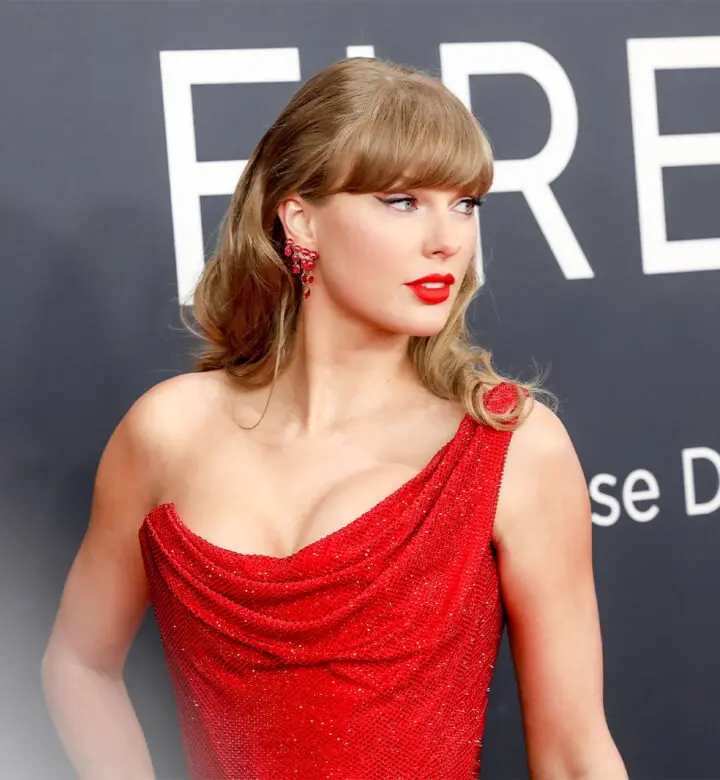
When Taylor Swift released The Life of a Showgirl last year, many listeners held high hopes that it would mark a definitive turnaround from the somewhat messy manuscript that was The Tortured Poets Department. While that previous album left many critics searching for a tighter narrative arc, The Life of a Showgirl did seem to be feeling its way back to the familiar, polished Swift of years past. Namely, it featured the tighter, more focused writing found on standout tracks like "Opalite," "The Fate of Ophelia," and the title track itself. Given the monumental and exhausting year Swift has had across global stages and public milestones, an argument could easily be made that she would have been better served taking a prolonged breather and a creative reset. Returning in her usual two-year album cycle to deliver something fresh and fundamentally different would have offered a welcome palate cleanser.
Instead, music consumers have been greeted by The Life of a Showgirl: The Encore, which dropped today with what can only be described as tepid anticipation. After listening through the new tracks, the prevailing sentiment is a polite one: perhaps we could have skipped the curtain call entirely.
As someone who both critiques art and creates it on a regular basis, a core philosophy tends to guide the appreciation of modern media: great creative output must always be evolving. In the same way that an audience member opens a new book, watches a newly released film, or binges a serialized television show expecting to journey through an evolving narrative landscape, listeners hold public-facing artists and creators to that exact same standard. While there is profound respect for the grueling creative process and the sheer physical effort that goes into conceptualizing and executing each project, the reality of the industry remains stark. At the end of the day, if an artist fails to evolve, their overarching body of work simply starts blending together into a uniform, indistinct blur.
A recent conversation with a fellow bookworm highlights this exact phenomenon. The discussion centered on the latest novel penned by a deeply revered and established literary author. The friend’s surprising observation about the heavily lauded text was simple yet damning: "Lovely but forgettable." That assessment came as a genuine shock, especially considering the novel in question is a prestigious Booker Prize finalist. When pressed for clarification, the friend followed up by explaining that the book itself was undeniably well-written and great on a technical level; the fundamental issue was that it was not at all different from the author’s previously brilliant, award-winning books.
That precise stagnation is what many culture critics believe is currently happening with Taylor Swift’s illustrious musical catalog.
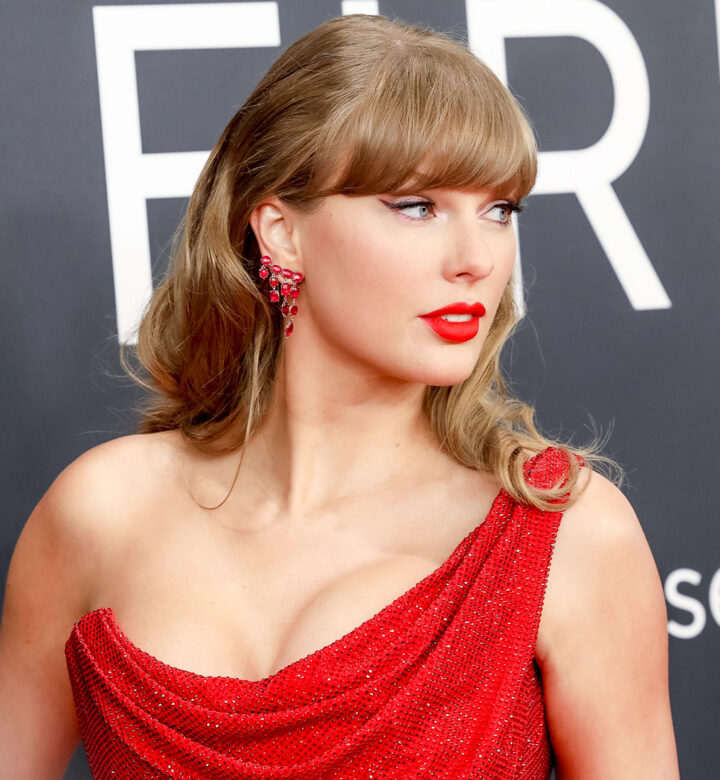
Swift is an undisputedly great writer, possessing a rare lyrical prowess that has defined generations of pop music. She is, equally, a staggering commercial success whose cultural footprint remains nearly unmatched in modern entertainment history. However, a noticeable lack of sonic and thematic evolution—a trajectory that has been actively charted by critics and fans alike since the release of 2022’s Midnights—is causing her undeniable brilliance to become completely lost in the vast sea of her own previous brilliant work. In fact, naming this latest addendum The Encore is rather fitting, because the entire structural concept of a musical encore is an additional performance that explicitly harkens back to whatever the performer has just played for the primary set. The live audience loves the main show so much that they simply want a repetition of the exact same thrills.
In the case of The Showgirl, this encore operates as Swift’s predictable modus operandi executed down to a precise science. The project dutifully plays the victim on tracks like "Cleveland!", offers a characteristically very late and somewhat defensive apology on songs such as "Pink Clouding," and, naturally, features a reliable, soaring bridge on every single track. But that exact formula is precisely where the core issue lies. It is entirely static.
Whenever discussions turn toward 2020’s critically acclaimed folklore and evermore eras with fellow Swift fans, public opinions remain fascinatingly divided. Yet, whether an individual listener happens to think those particular albums are masterpieces or merely standard indie-folk offerings is not really the central point of the comparison. Those albums stand as undeniable proof that Swift possesses the innate artistic capability to evolve, to take genuine creative risks, to do things entirely differently—and to execute those departures extraordinarily well.
Looking forward, there is a glimmer of hope that a true sonic shift might be on the horizon. Many are watching her upcoming foray back into country music for the Toy Story 5 soundtrack as a potential indicator that a much-needed artistic evolution is finally coming down the pipeline. But for right now, as The Encore settles into the streaming ether, it might just be time to gently put away the feather boas and dim the spotlight.