




Plans by Dutch defense firm AIA to manufacture Israeli-designed firearms in the southern city of Tilburg have sparked immediate political friction, with six local political parties formally demanding to know whether the municipal council has the legal authority to intervene and prevent the weapons from potentially reaching the Israeli military.
The controversy erupted following an announcement by the defense company regarding the acquisition of designs and manufacturing know-how from Israel Weapon Industries (IWI), a prominent name in the international arms manufacturing sector. The deal has drawn sharp criticism from a broad coalition of municipal political groups who argue that maintaining operational or financial ties with Israeli arms developers is fundamentally unacceptable given the ongoing war in Gaza and the complex geopolitical situation in the West Bank.
According to regional broadcaster Omroep Brabant, representatives from six separate political factions—D66, PRO, Denk, the Party for the Animals (PvdD), the Socialist Party (SP), and local party VoorTilburg013—joined forces to submit a detailed series of written questions to the executive board of the Tilburg municipal council. These parties are pushing for immediate clarity on the nature of the partnership, questioning the ethical implications of hosting a production line tied to Israeli defense technology within city limits.
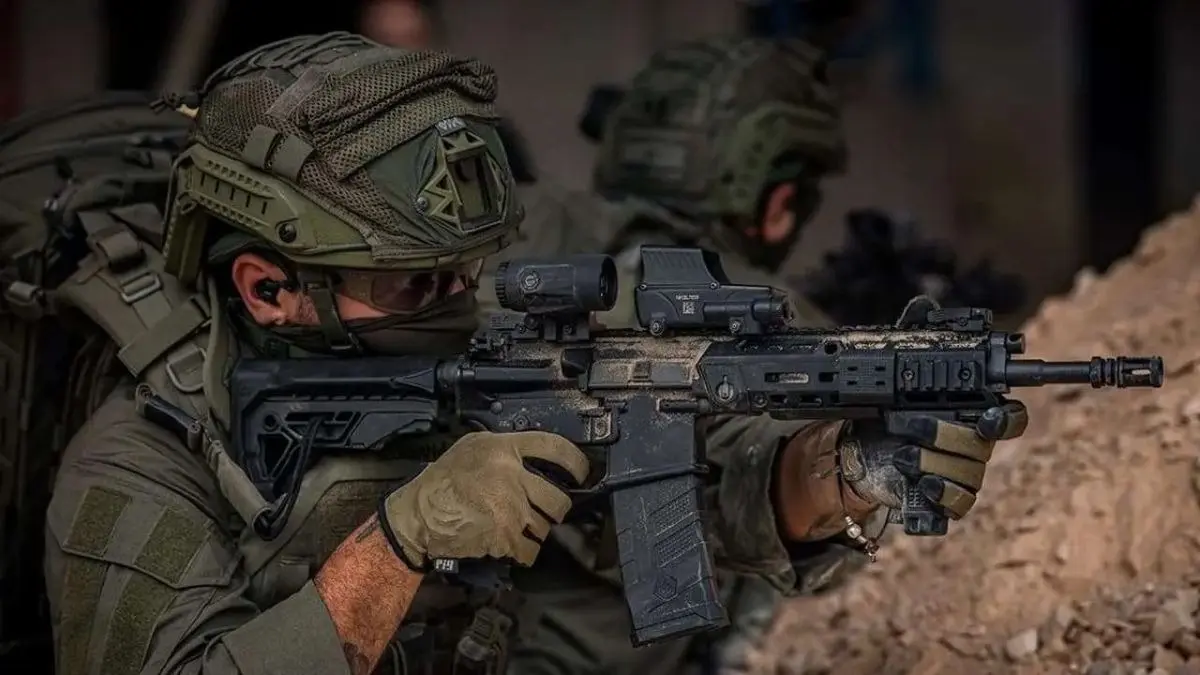
The core of the dispute centers on AIA’s announcement that it has secured the production rights for two specific IWI weapon systems: the Arad 5 rifle and the Negev UX light machine gun. According to the defense firm, these particular models have garnered significant attention for their tactical utility, particularly in the growing field of anti-drone warfare. Under the initial rollout plan, production of these systems is scheduled to begin locally in Tilburg before operations eventually transition to a larger, more permanent facility located in the province of Overijssel.
While AIA has maintained that the newly acquired weapon systems are primarily targeted for distribution among European countries and wider NATO partners, public uncertainty remains regarding the ultimate destination of the manufactured goods. Specifically, critics have raised concerns over whether regulatory loopholes could allow these firearms to be exported or resold to the Israeli military, a prospect that the opposition parties find politically untenable under current circumstances.
In response to the mounting local backlash, AIA director Gerard Zondervan defended the agreement during an interview with national broadcaster NOS, characterizing the arrangement as "just a business transaction." Zondervan also noted that the private firm had not engaged in prior consultations or discussions with the Dutch national government regarding the acquisition of the IWI designs and know-how, treating the move as a standard commercial enterprise within the global defense market.
The municipal uproar in Tilburg mirrors a broader, ongoing national debate in the Netherlands concerning the country’s military and economic ties to the Israeli defense sector. Earlier in the year, members of the Dutch parliament adopted a formal motion instructing the government to actively work toward phasing out the Netherlands’ overall strategic dependence on the Israeli arms industry.
That parliamentary motion explicitly highlighted that the Dutch state had procured approximately two billion euros worth of military equipment and technology from Israeli defense firms over recent years. Proponents of the motion argued that it was undesirable for the Netherlands to rely on military supply chains connected to industries implicated in ongoing international conflicts and allegations of war crimes.
However, the national political landscape on the issue remains deeply divided. Less than two months after the adoption of the first motion, the House of Representatives passed a contrasting measure introduced by the orthodox Protestant SGP party. This subsequent motion urged the Dutch government to actively pursue bilateral and multilateral cooperation with Israel in the joint development of a European air and missile defense system, illustrating the stark policy contradictions that local authorities and national lawmakers continue to navigate.
As the written questions submitted by the six Tilburg parties await a formal response from the municipal executive, local council members are pressing for specific institutional guarantees. Five of the six inquiring parties have specifically asked the local government to clarify whether AIA holds the necessary permits and legal authorizations to manufacture military-grade weaponry within Tilburg, whether such permits could theoretically be revoked under municipal or national regulations, and the extent to which IWI will continue to financially benefit from the production and sale of the weapons produced on Dutch soil.