






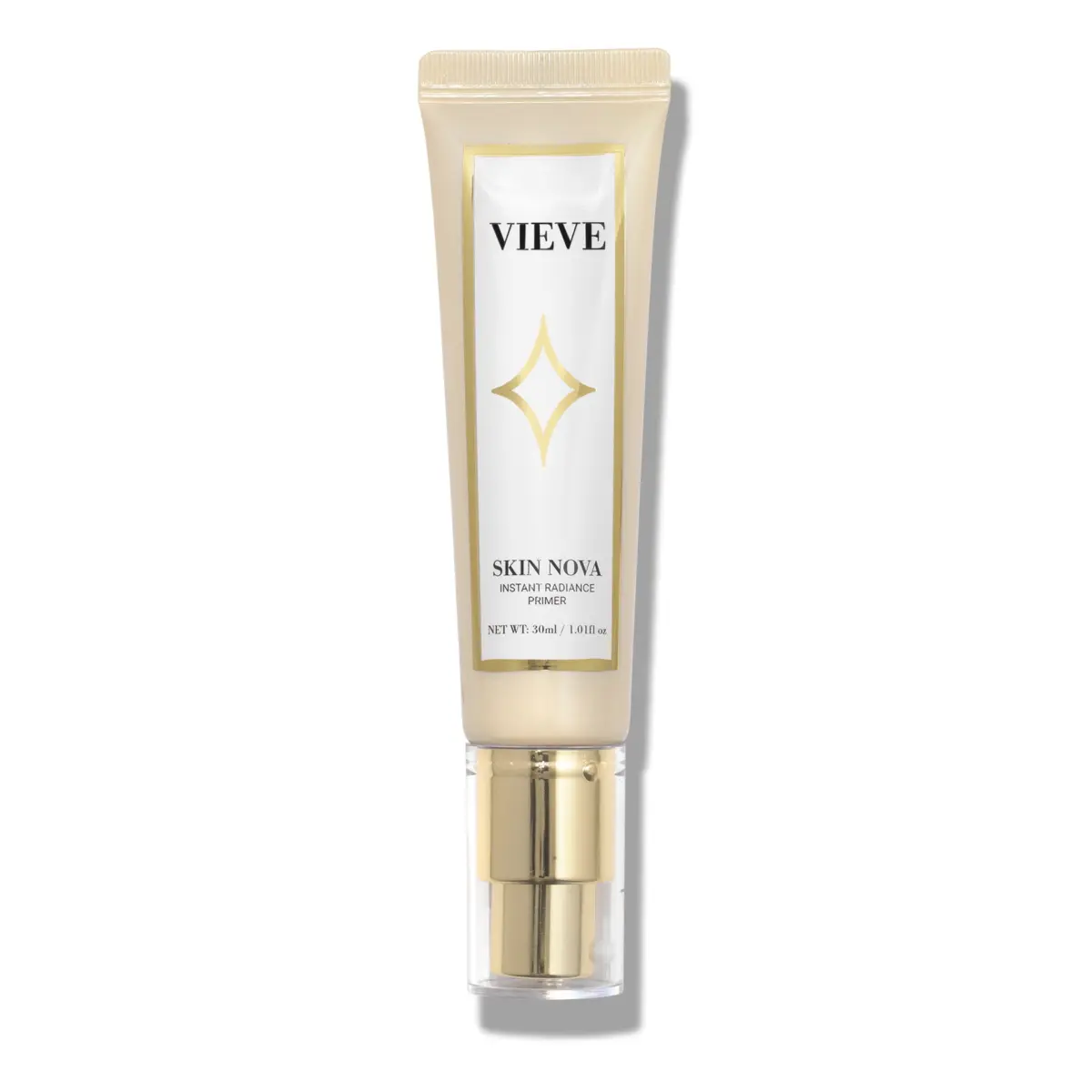
After years dominated by glassy, ultra-dewy complexions and minimalist skin tints, a notable shift is quietly taking over the beauty landscape for autumn/winter 2026. The obsession with high-shine, naked-skin finishes has given way to a more diffused, soft-focus approach to base makeup. This season’s aesthetic favors a polished, velvety finish that looks refined without appearing heavily made up. Across recent red carpet appearances, celebrities have stepped out with skin that reads smooth and luminous while still retaining a sense of real, authentic texture.
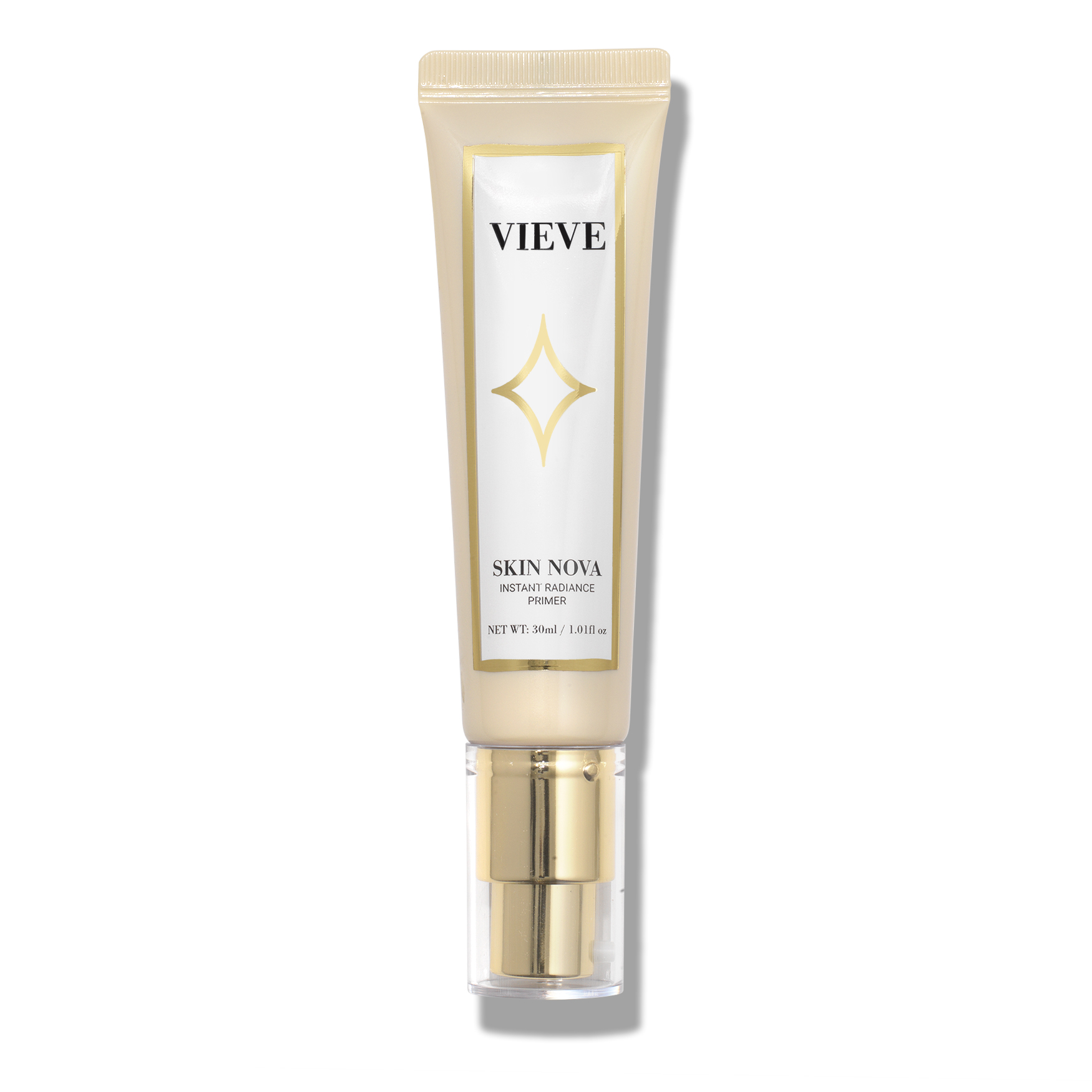
This aesthetic pivot has caused many beauty enthusiasts to rethink their daily routines, stepping away from strictly "no-makeup makeup" looks and skin tints in favor of velvety foundations and concealers. Yet, as makeup styles evolve, so too do individual skin types, bringing the humble makeup primer back into the spotlight as an essential step rather than an optional extra.
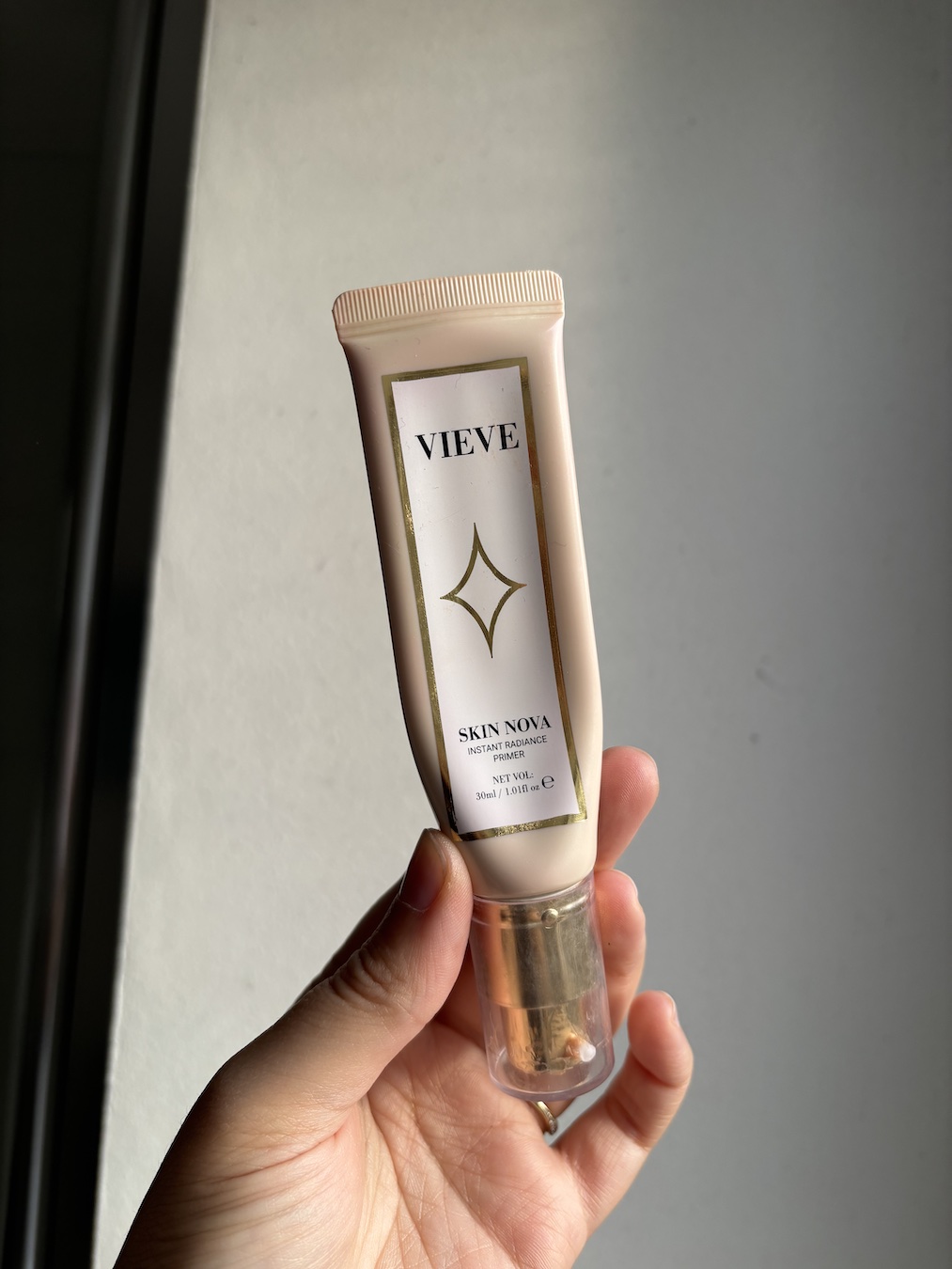
For many beauty wearers, particularly those approaching or in their late thirties, skin behavior changes significantly over time. Once-excessively oily complexions can evolve into combination states prone to both midday shine and underlying dehydration. In these instances, carefully applied foundation can begin to fade, cling to dry patches, and look less fresh as the hours pass. While a makeup primer was once viewed as an afterthought—something saved strictly for high-profile events or long wedding days—it is rapidly becoming a non-negotiable tool for maintaining a seamless, natural-looking base from morning until night.
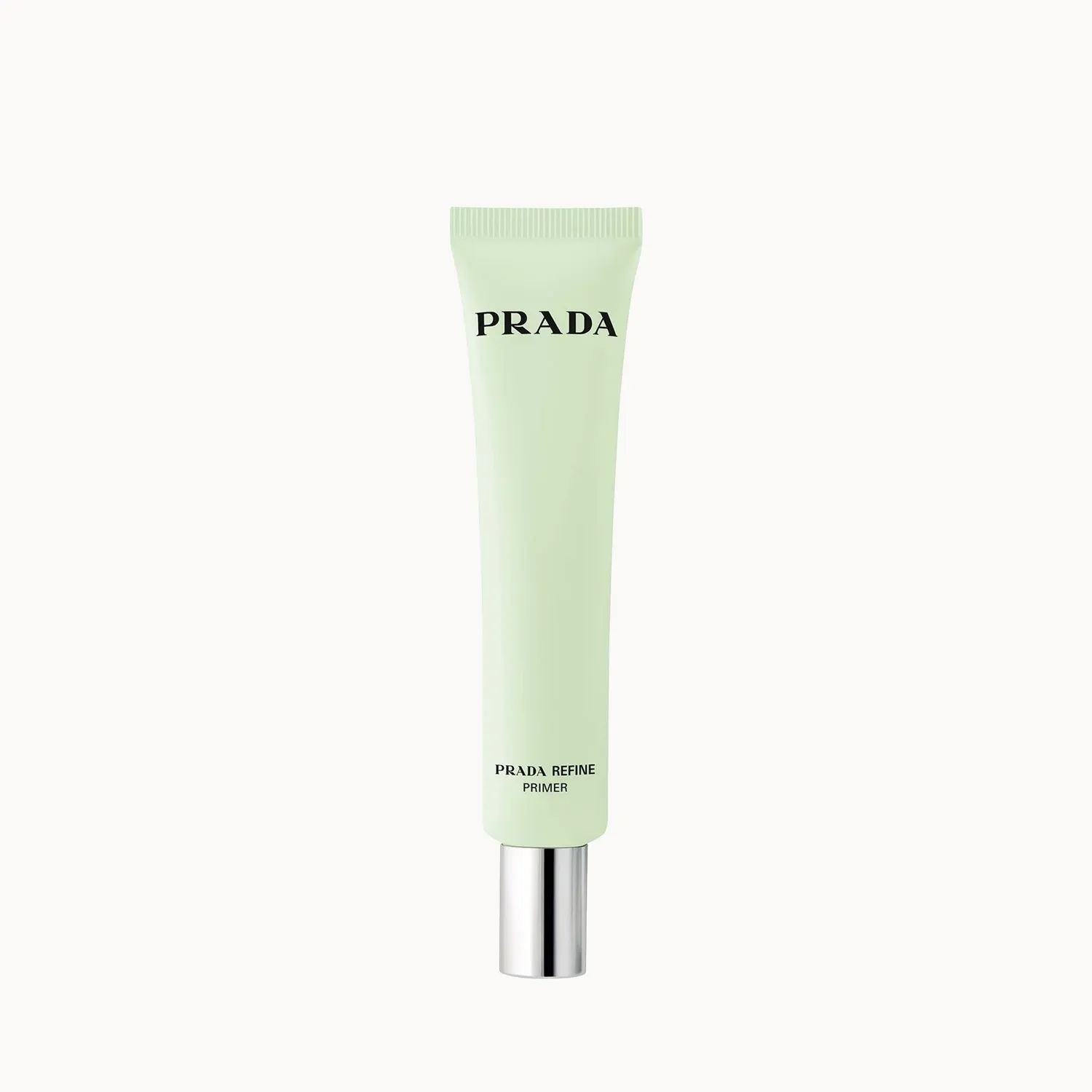
What Is a Makeup Primer?
Modern primers offer a diverse array of benefits that stretch far beyond mere longevity. From hydrating formulas designed to smooth over stubborn dry patches to oil-controlling variants created to prevent foundation from breaking down by lunchtime, these multi-tasking products address a wide spectrum of complexion concerns.
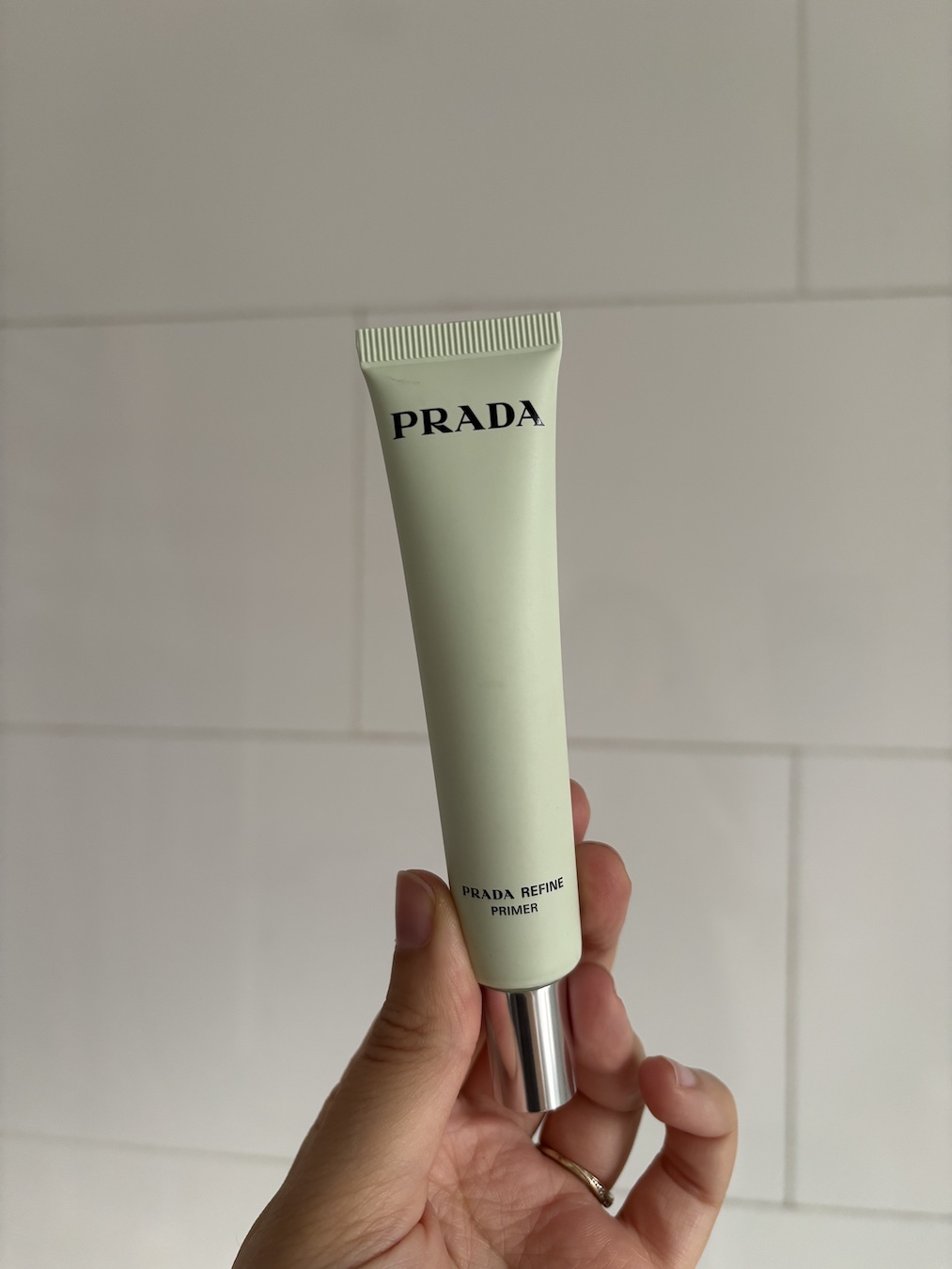
"Primers are brilliant if you need your makeup to last or simply want to blur any imperfections, and are especially good in areas like around the nose," explains celebrity makeup artist Tania Grier. "Anyone can use them as long as you match them to your skin type, and there are lots of options on the market for dry to oily skin."
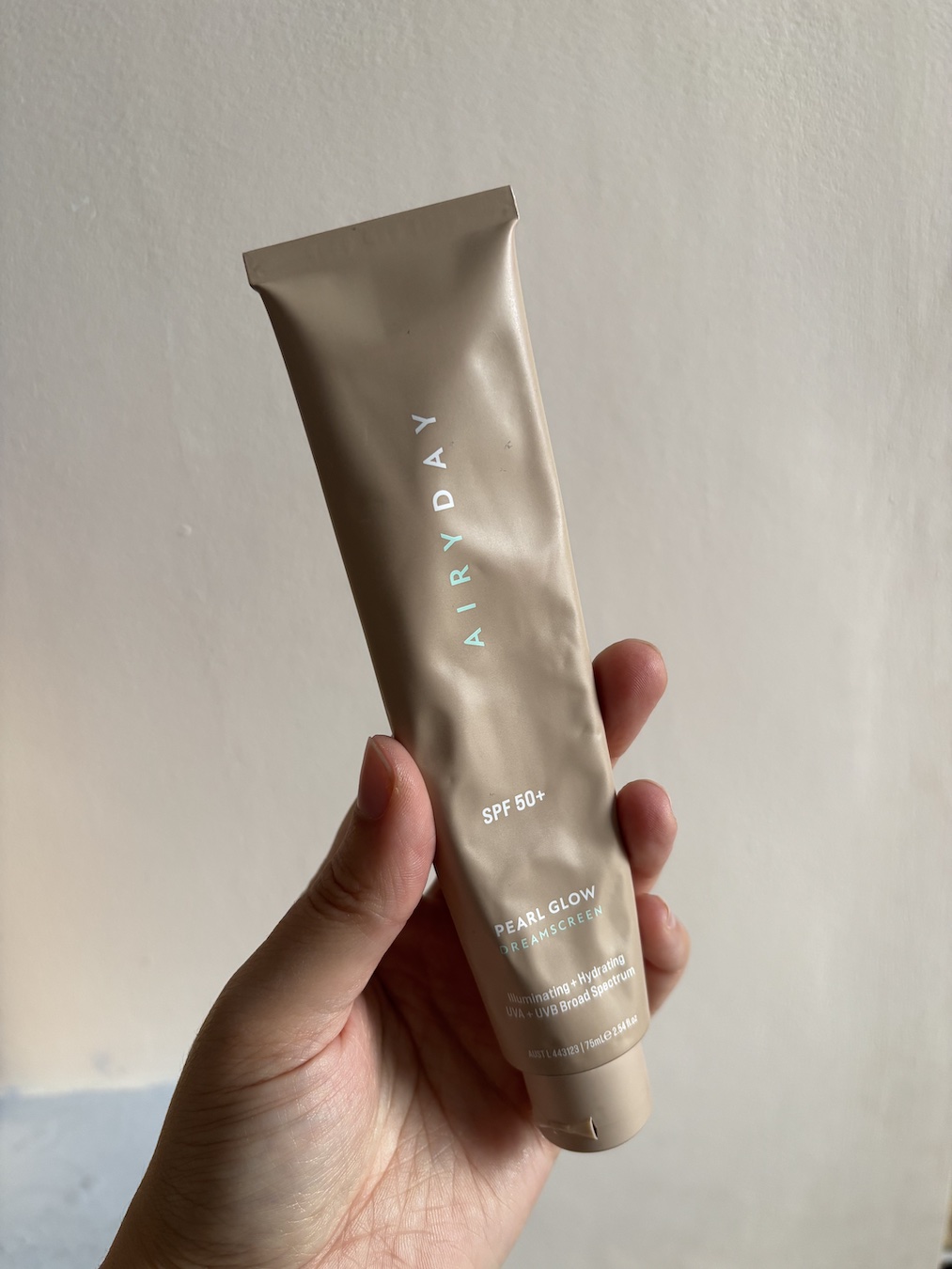
Rather than serving as a heavy barrier, today’s advanced primers integrate seamlessly with daily skincare routines. Many formulations now bridge the gap between skincare and cosmetics, featuring active ingredients that improve skin texture over time while locking down makeup integrity.
How to Use a Makeup Primer
For those who prefer a streamlined morning regimen, incorporating an extra step can feel daunting. However, professional makeup artists view primer as the ultimate bridge between skin preparation and color cosmetics. Typically applied as the final step of a morning skincare routine—right after a daily face sunscreen—a pea-sized amount is all that is required. Using the fingertips to press the product specifically into areas where makeup tends to fade first, such as the forehead, chin, and nose, ensures optimal performance without unnecessary product buildup.
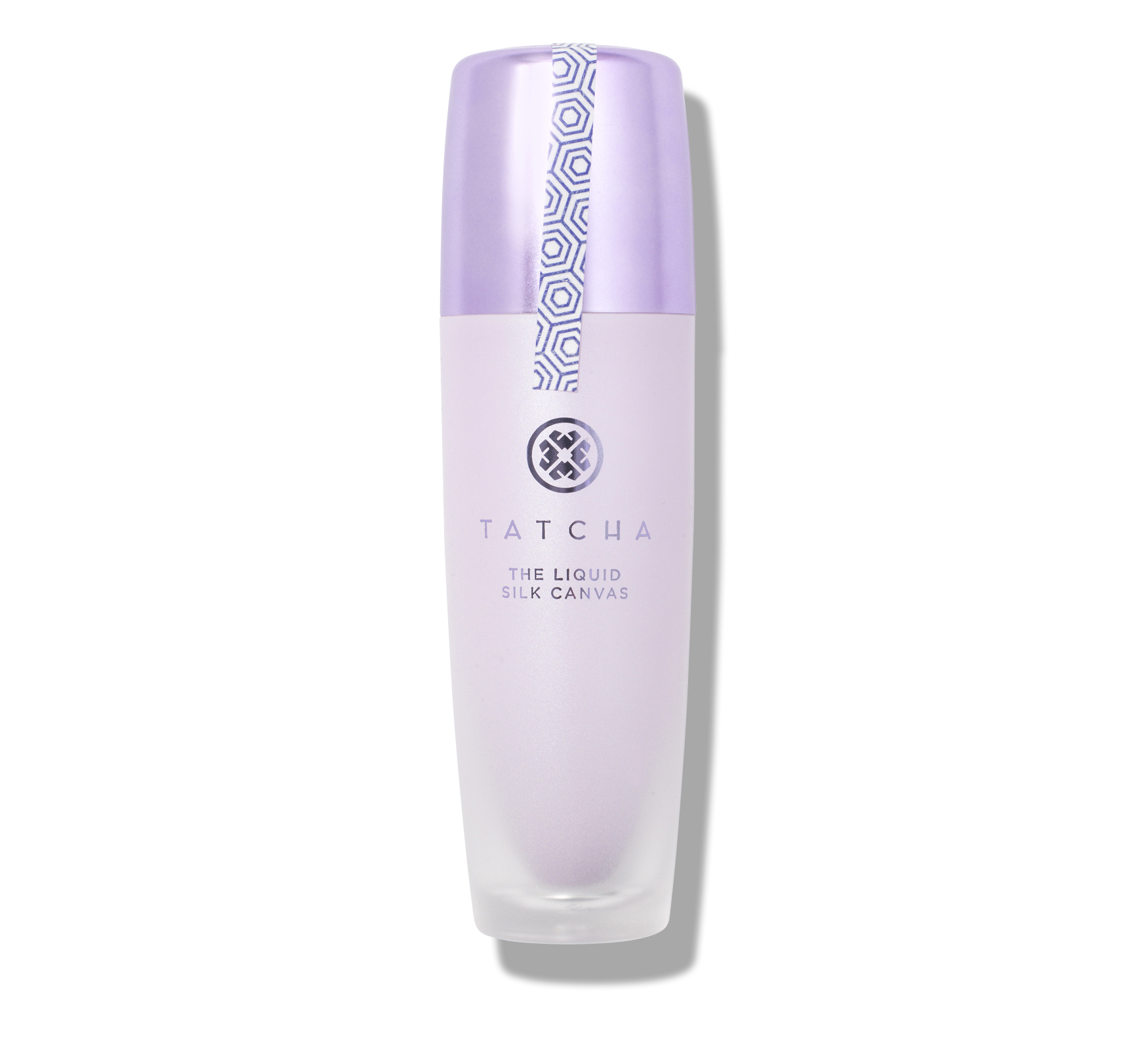
"I wouldn’t say they are essential for most people, but a good primer definitely has its place, and I always have a selection in my pro kit," notes Grier. "For brides, it really will lock that makeup in for the duration of the day, and for any events lasting more than a few hours, I’d recommend a primer just to keep makeup in place, especially in a sweaty nightclub or on a vacation in a humid environment."
The Evolving Landscape of Complexion Prep
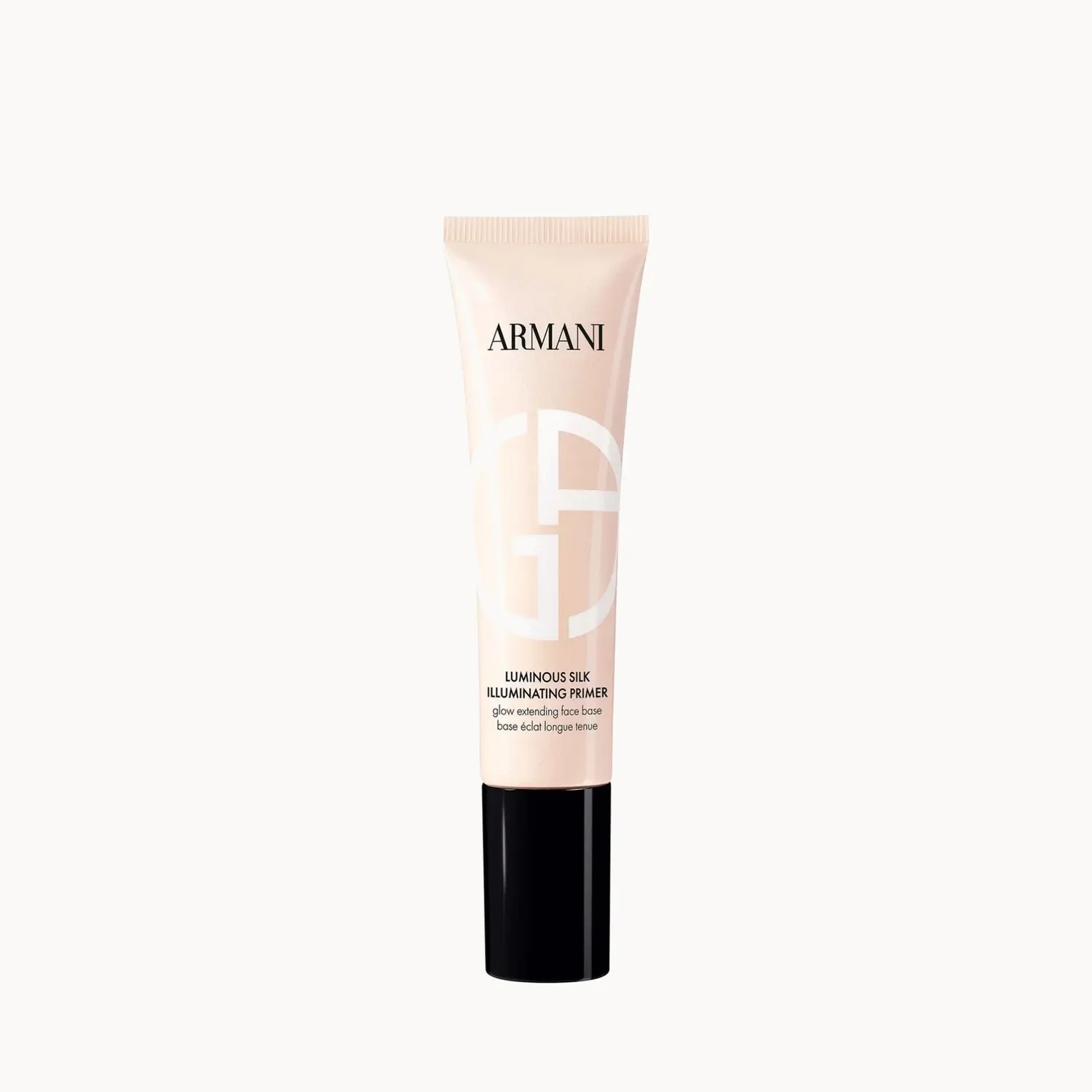
The current market reflects this renewed appreciation for skin-perfecting bases through a diverse lineup of standout formulations catering to specific needs. Radiance-boosting options, once avoided by those with oilier complexions, are now engineered to impart a lit-from-within glow without excess grease. Formulas infused with beta-glucan, niacinamide, and rose water deliver immediate skincare benefits, making skin look fresh even before foundation is applied.
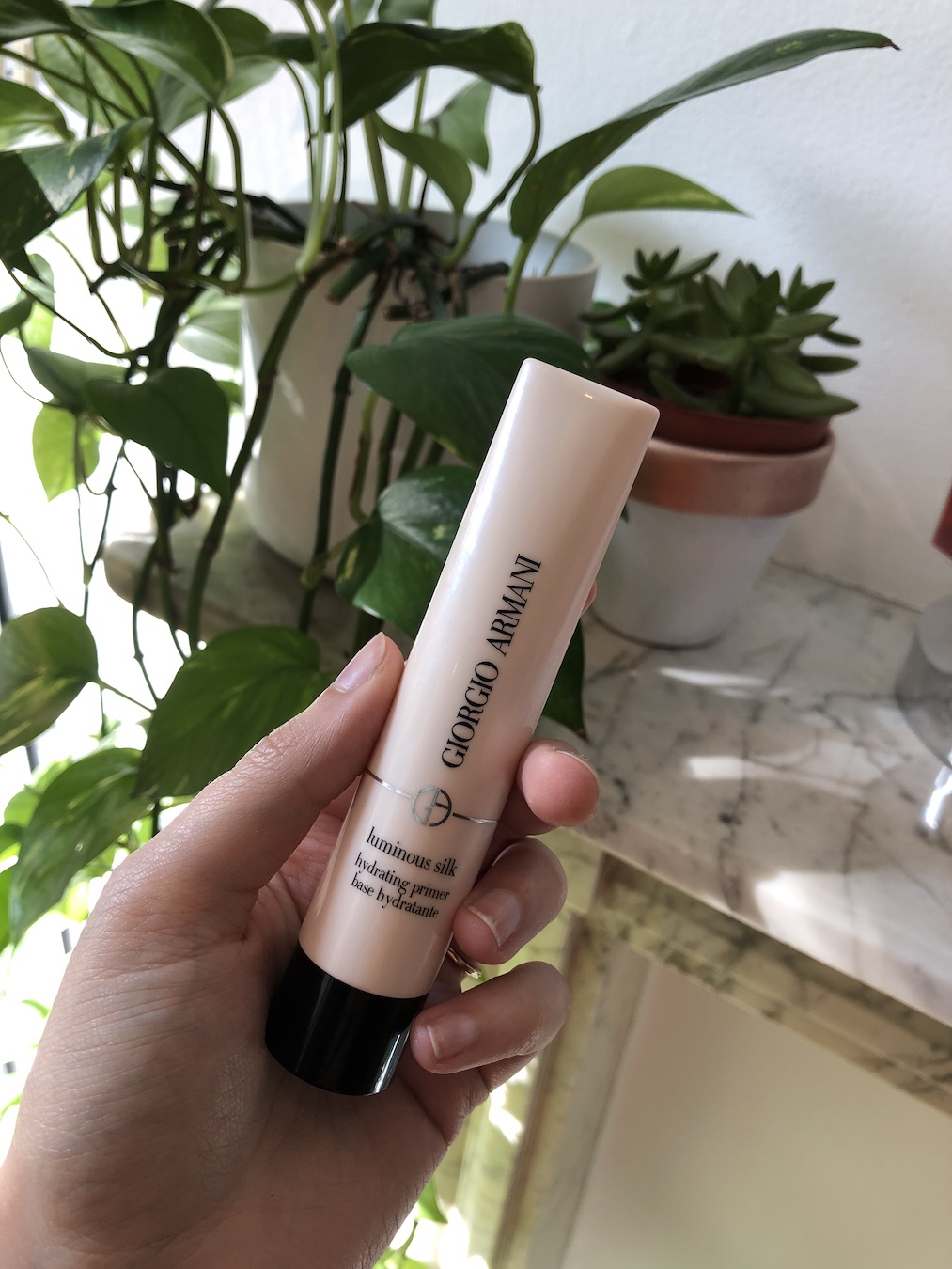
At the same time, smoothing and blurring primers utilize innovative ingredients, including exfoliating acids like salicylic and lactic acid, to actively refine skin texture over time. By reducing the appearance of fine lines and enlarged pores, these products create an even canvas that prevents foundation from catching on uneven areas. For combination skin types dealing with alternating zones of oiliness and dryness, these velvety-matte finishes offer an expensive, polished look that resists midday breakdown.
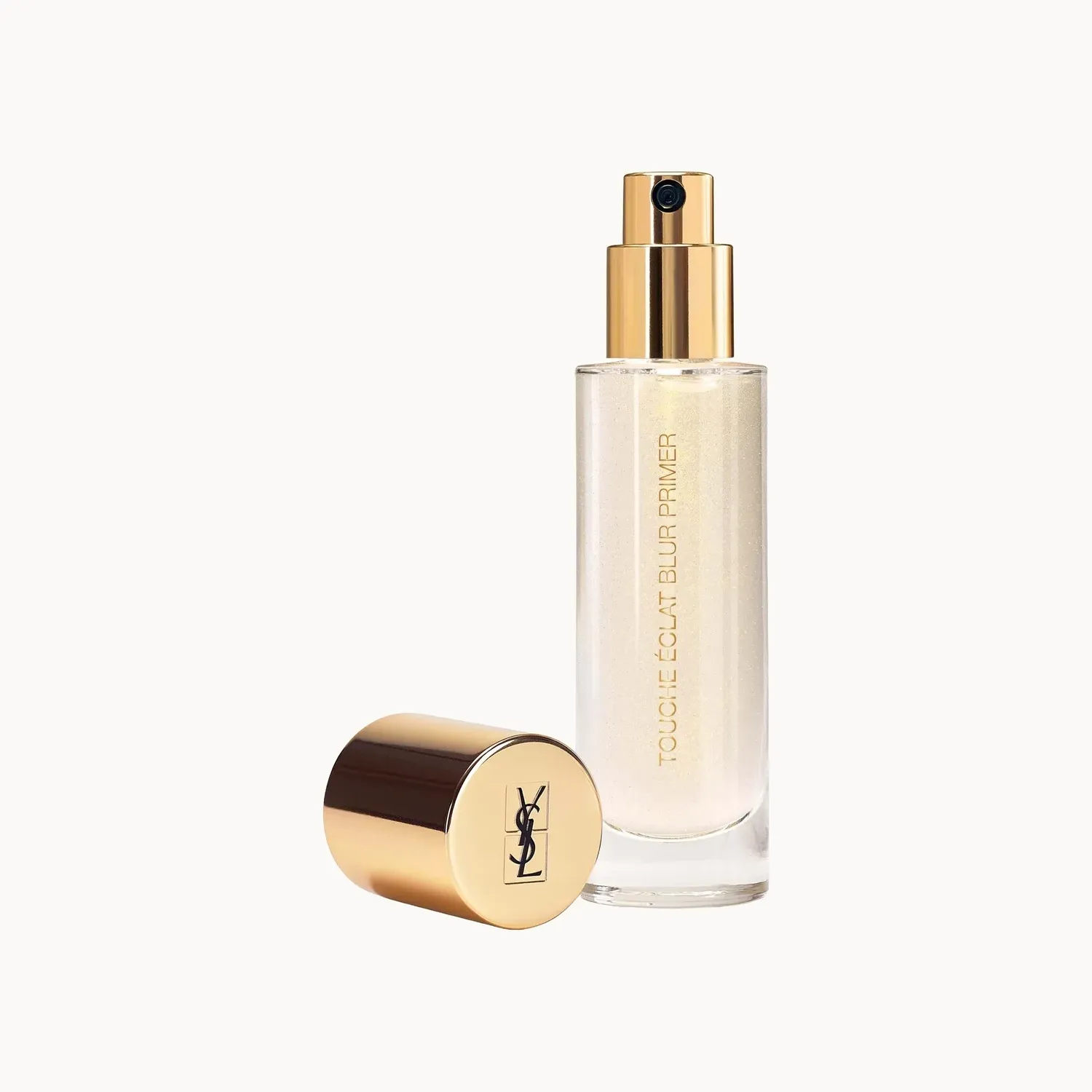
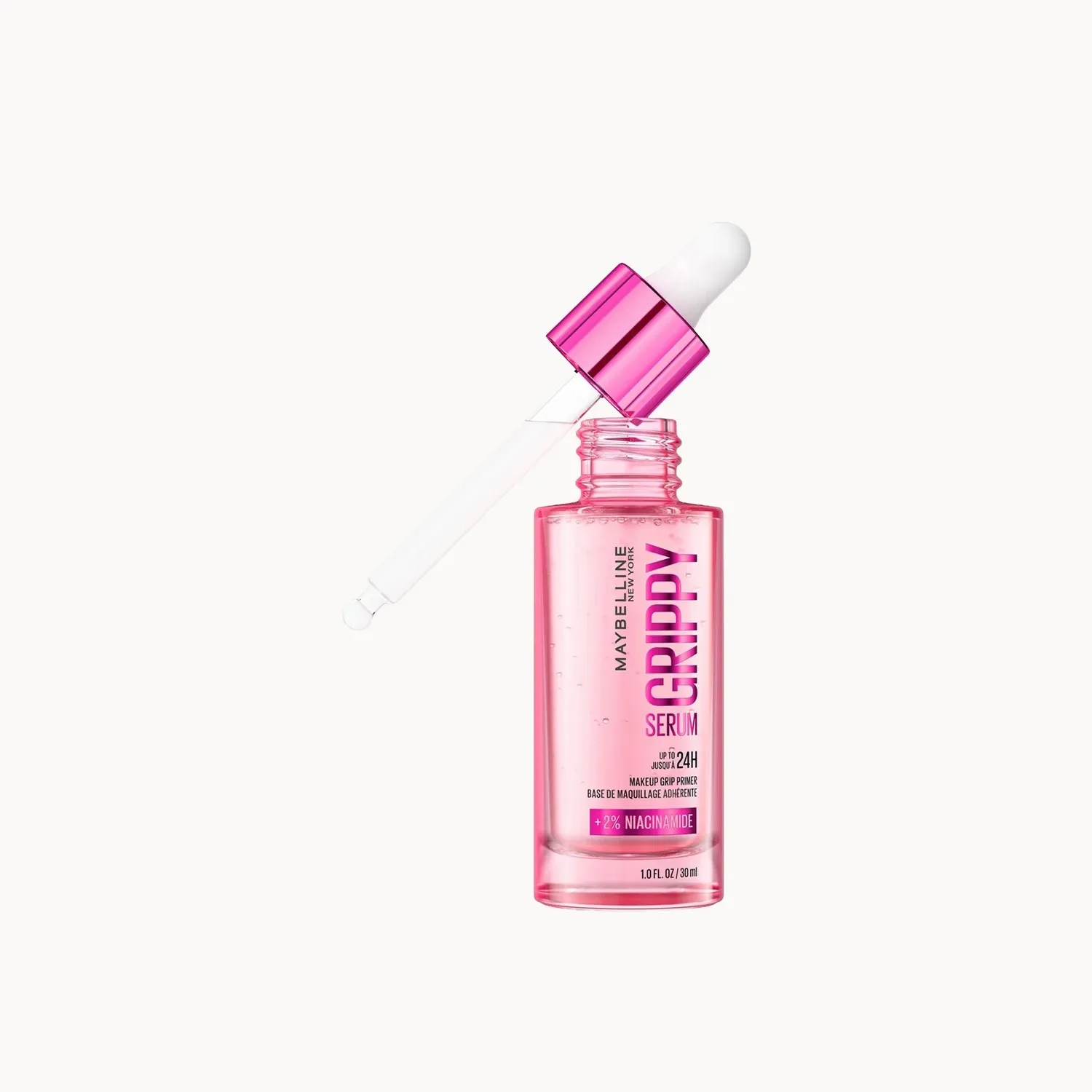
Gripping primers have also carved out a permanent space for those requiring maximum endurance. Utilizing unique serum-to-grip transformations, these formulas require a brief settling period on the skin to develop a subtle tackiness, allowing foundation and concealer to adhere securely for hours on end without shifting.
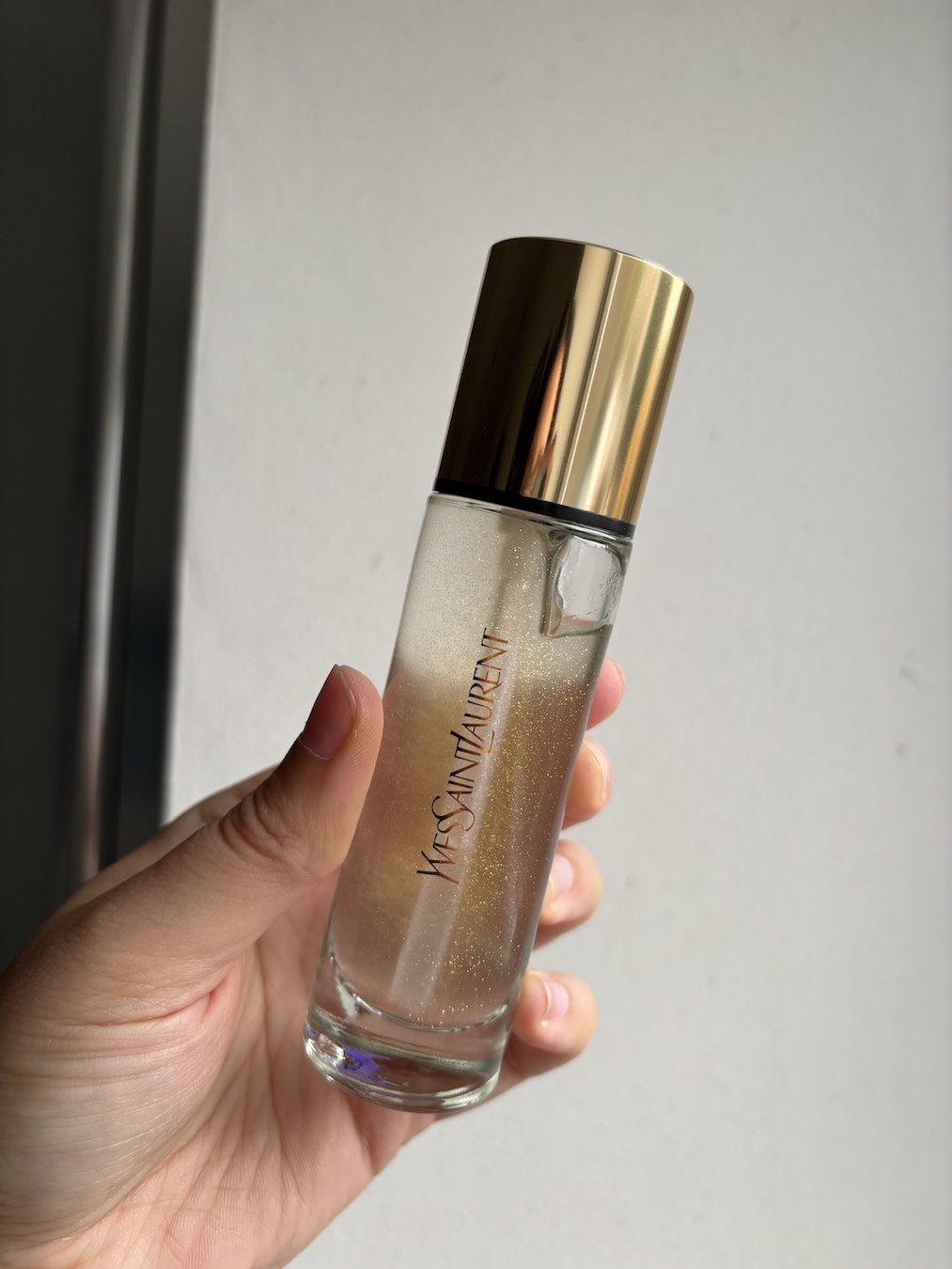
Ultimately, the resurgence of the makeup primer highlights a broader maturation in contemporary beauty trends. As the industry moves away from fleeting, one-size-fits-all fads toward tailored complexion care, primer has transitioned from a redundant extra into a foundational pillar of modern makeup artistry. Whether the goal is managing midday shine, quenching dehydrated patches, or locking down a high-endurance look for a special occasion, the modern primer proves that the secret to a flawless finish begins long before the first drop of foundation touches the skin.