





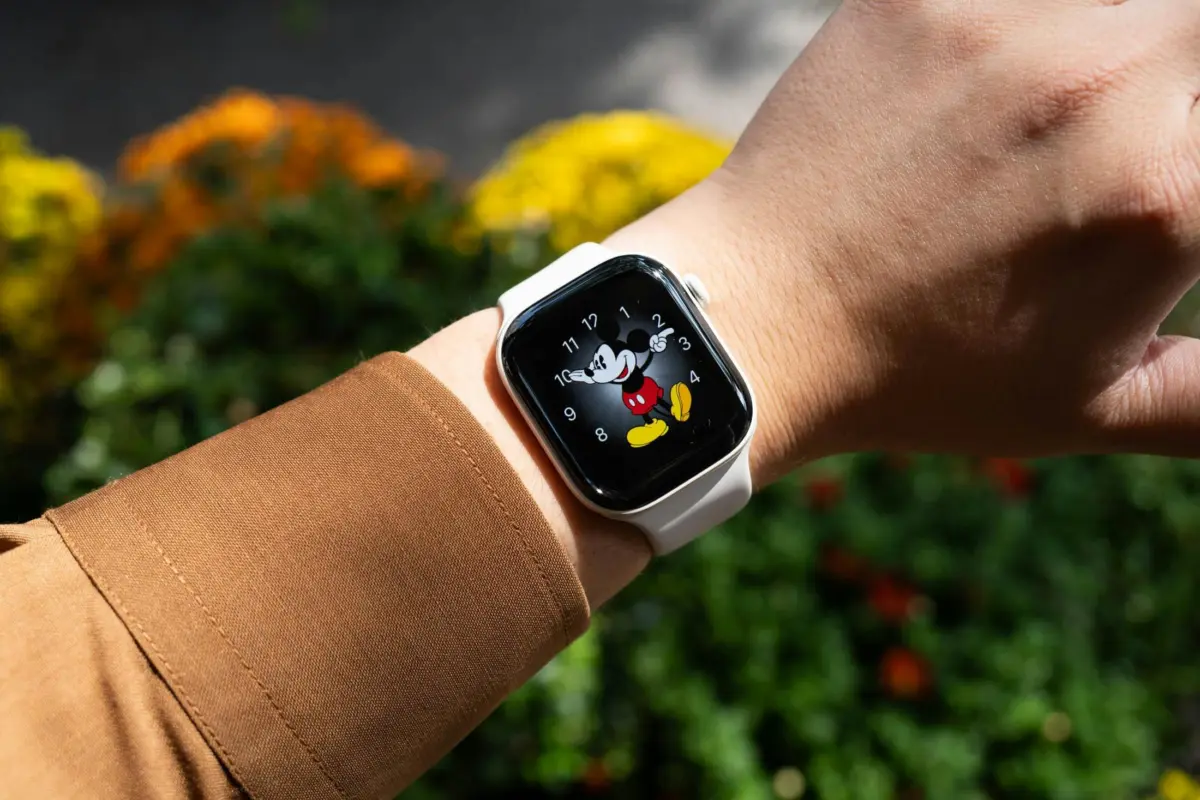
Another year brings another generation of the Apple Watch, and much like the transition seen with the Series 11 and Ultra 3, the overarching physical form factor remains largely consistent. Carrying forward the subtle, landmark tenth-anniversary redesign from a few years ago, the familiar dimensions are safely intact across both the mainstream lineup and the rugged Apple Watch Ultra 4. Yet, beneath the familiar exterior, Apple has introduced significant under-the-hood updates, refined aesthetic choices, a far more powerful new chip, and a vastly improved health sensor array positioned on the back of each device.

For consumers weighing a yearly upgrade, iterative improvements of this nature offer a compelling case for those upgrading from devices several generations old, while providing a milder temptation for owners of last year’s hardware. Nevertheless, for enthusiasts who consistently seek out the latest iterations, Apple has introduced enough distinct finishes and material revivals to keep the product cycle engaging.
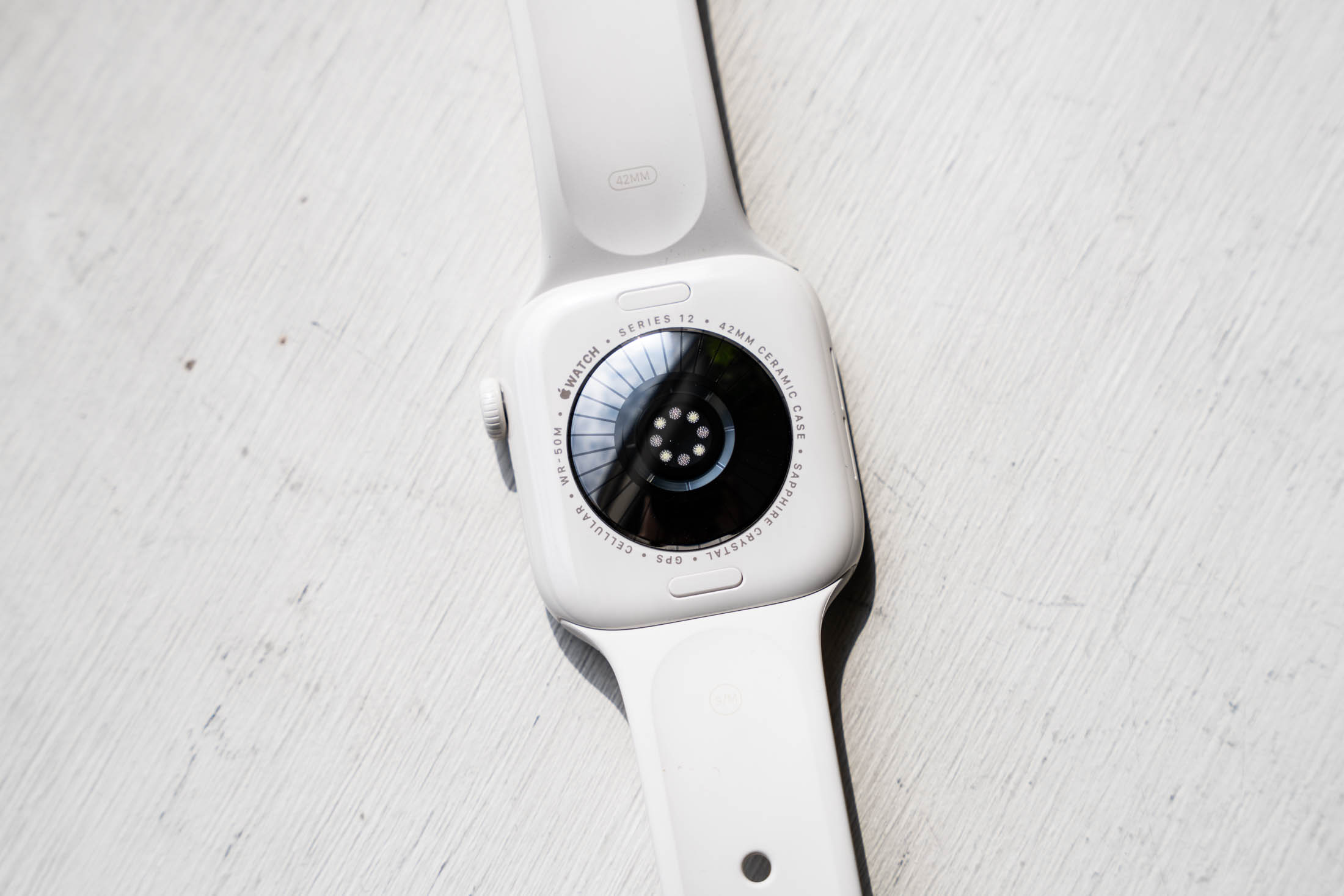
Among the most exciting developments in this year’s announcement is the triumphant return of ceramic as a case material. While titanium has remained a staple—especially given that recent titanium models are constructed using 3D-printing methods—ceramic carries a distinct appeal for watch enthusiasts who appreciate alternative high-tech materials.
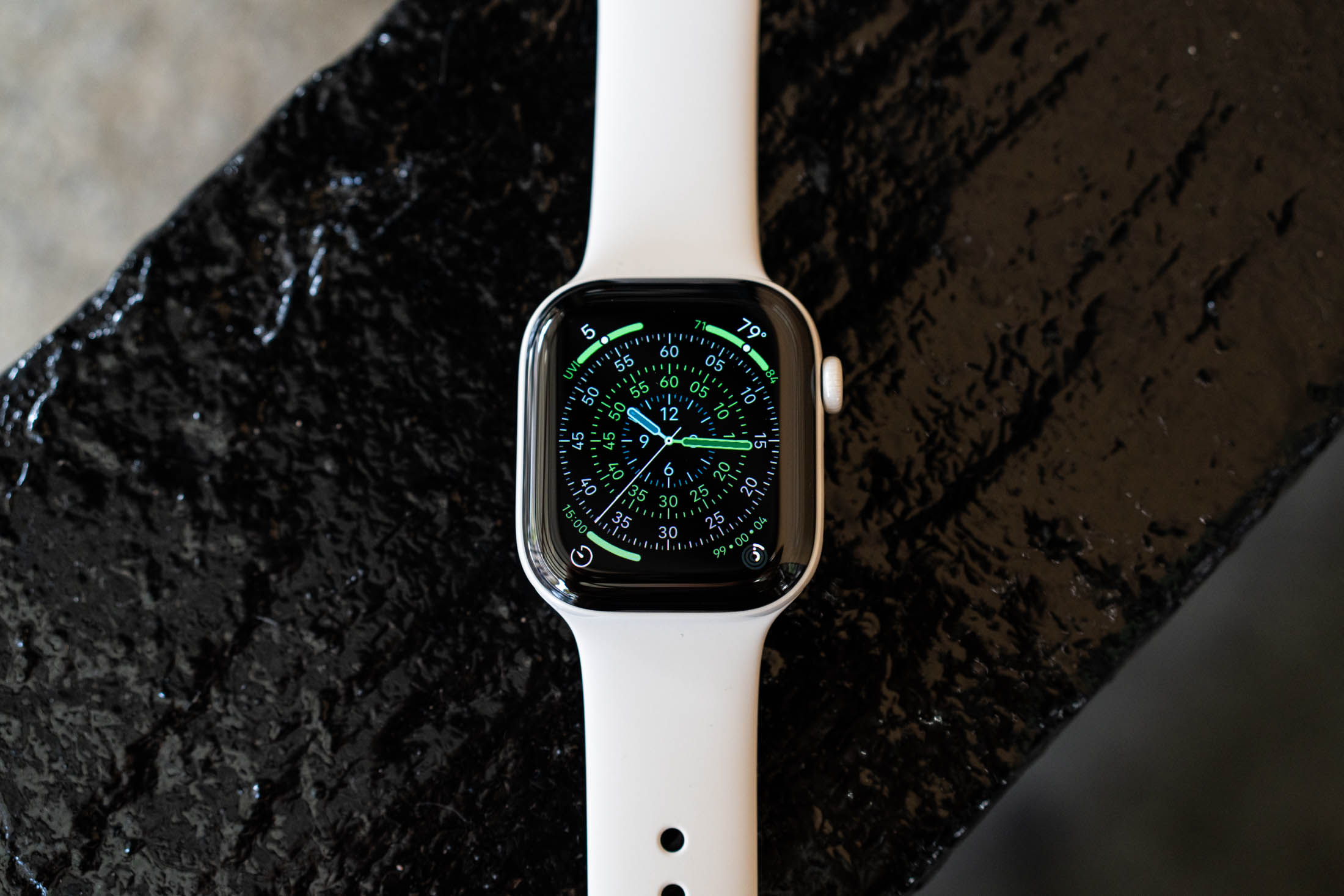
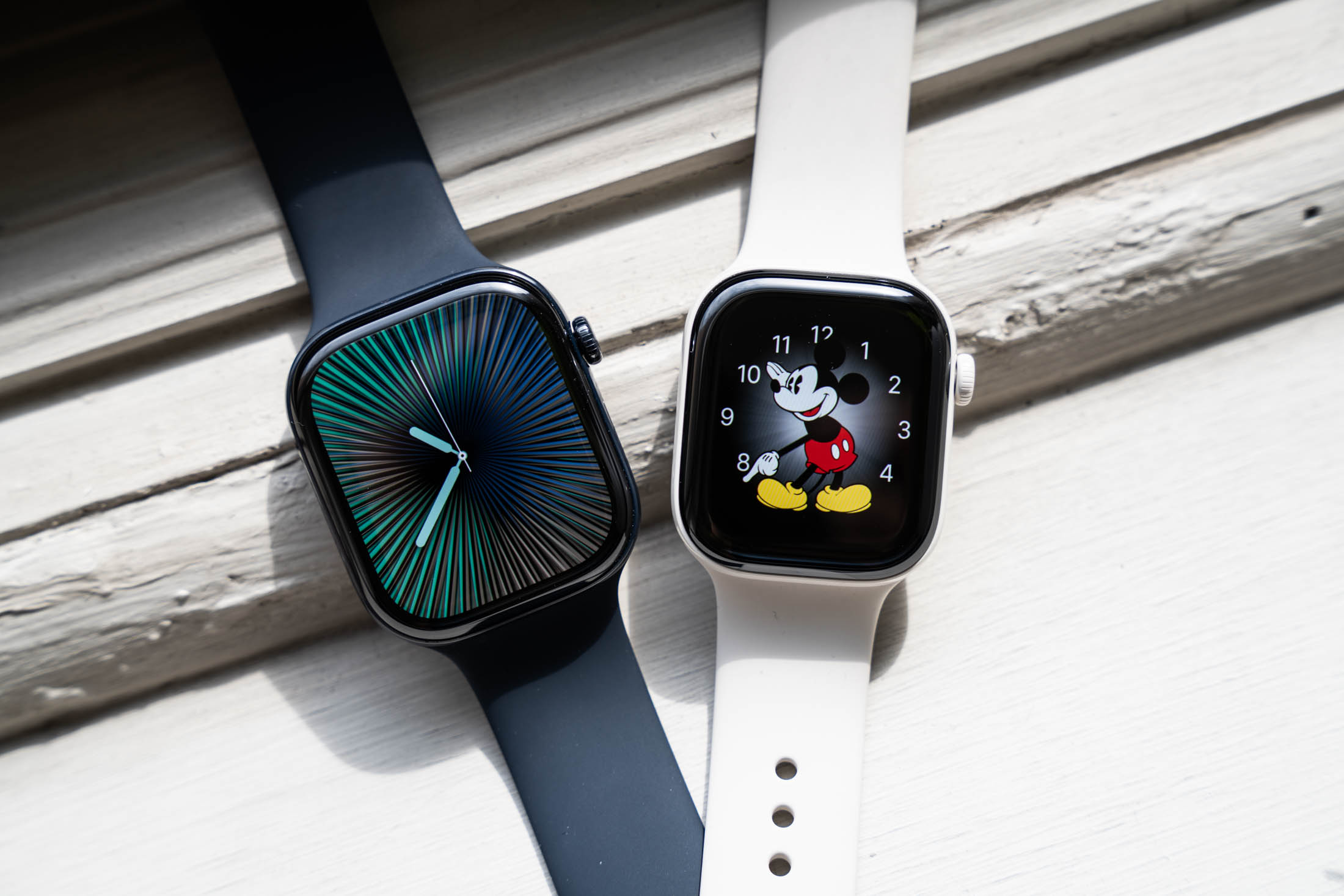
Apple first introduced ceramic to the smartwatch lineup with the Series 3 in 2017, later releasing models like the white ceramic Apple Watch Edition in 2019. In this modern revival, Apple has debuted two distinct shades: Pearl White and Night Blue. The Pearl White option offers an ever-so-slightly warmer hue compared to its starker predecessor from the Series 5 era, while Night Blue delivers an extremely glossy, dark navy finish that appears almost black indoors before revealing its deep blue depths under direct sunlight.
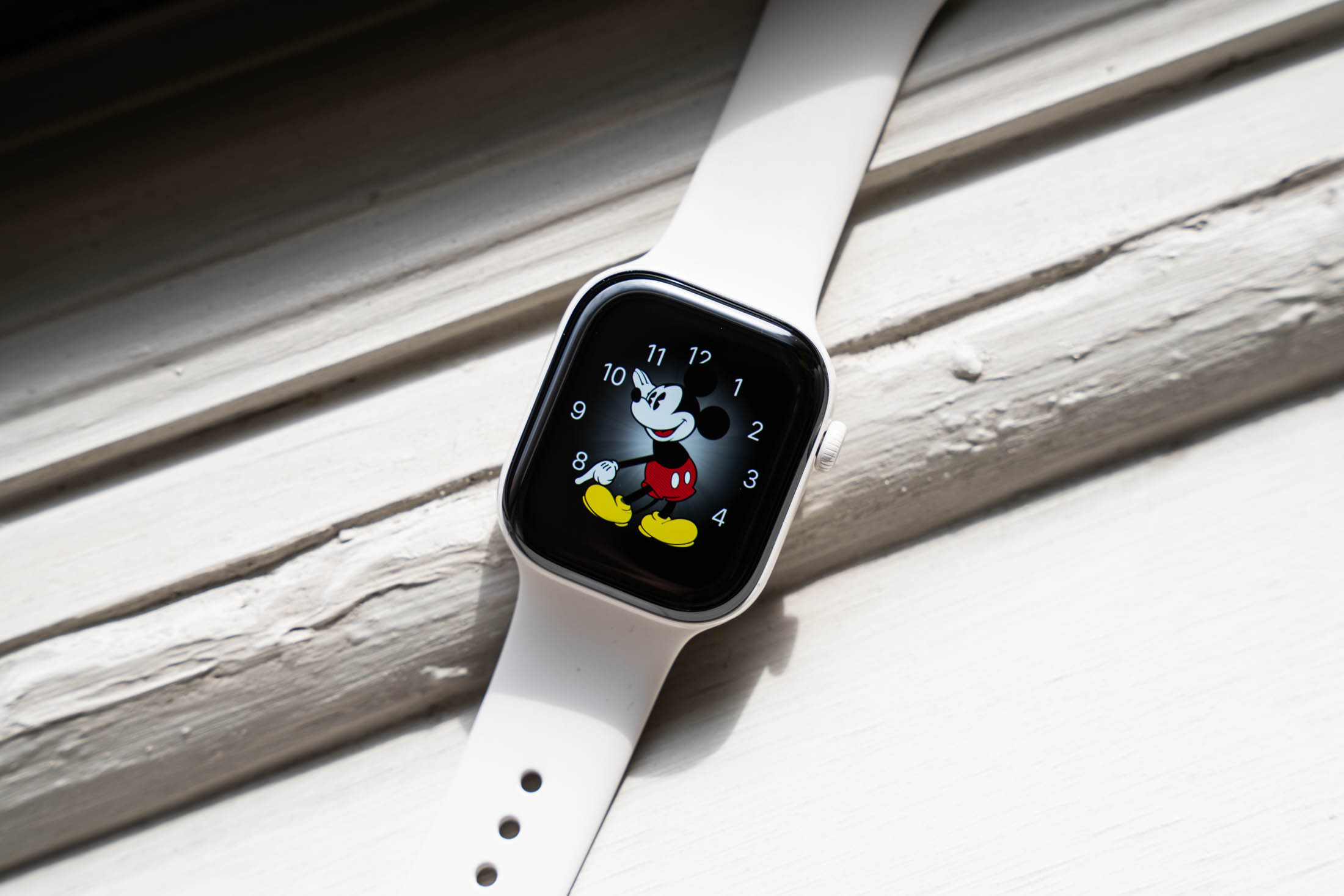
The Pearl White variant stands out for its ability to resist fingerprints and everyday grime better than deep blue ceramic or polished titanium models. Meanwhile, the Night Blue shade shares a sophisticated visual kinship with luxury ceramic counterparts seen in high-end horology, such as Chanel’s blue ceramic pieces and Audemars Piguet’s "Bleu Nuit, Nuage 50," though rendered in a fully polished case without traditional faceting or brushing. Given its significantly lower price point compared to traditional Swiss luxury offerings, the ceramic Apple Watch offers a compelling alternative for collectors looking to satisfy an affinity for ceramic case materials.
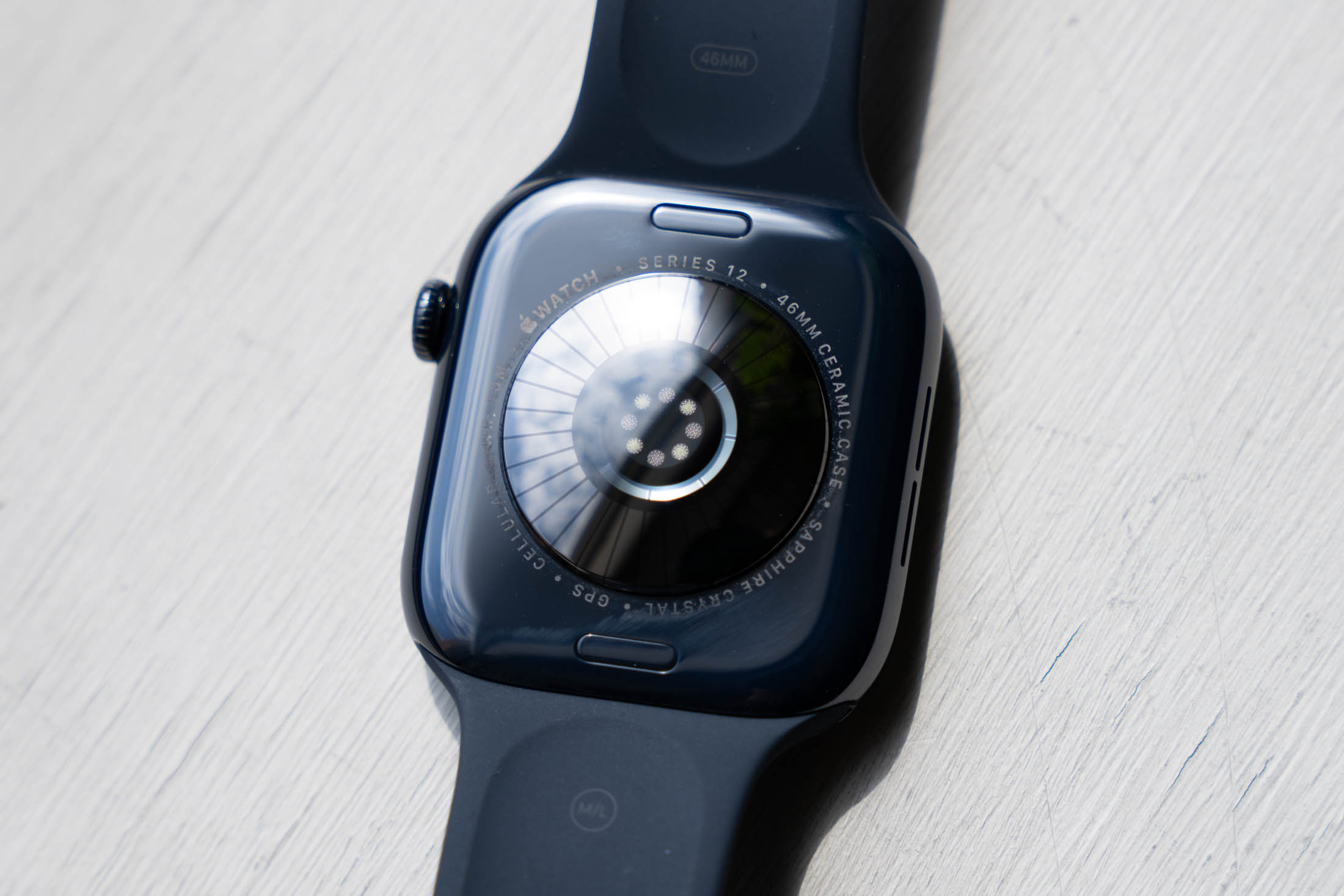
Manufacturing ceramic requires rigorous engineering, and Apple has incorporated additional heat-soak steps into the production process following initial compression molding and sintering. These measures increase the material’s structural hardness. While traditional watch enthusiasts often express caution regarding the brittleness of ceramic in conventional timepieces, Apple subjects these cases to the same rigorous durability and drop tests applied across the rest of the wearable portfolio, ensuring robust everyday wearability.
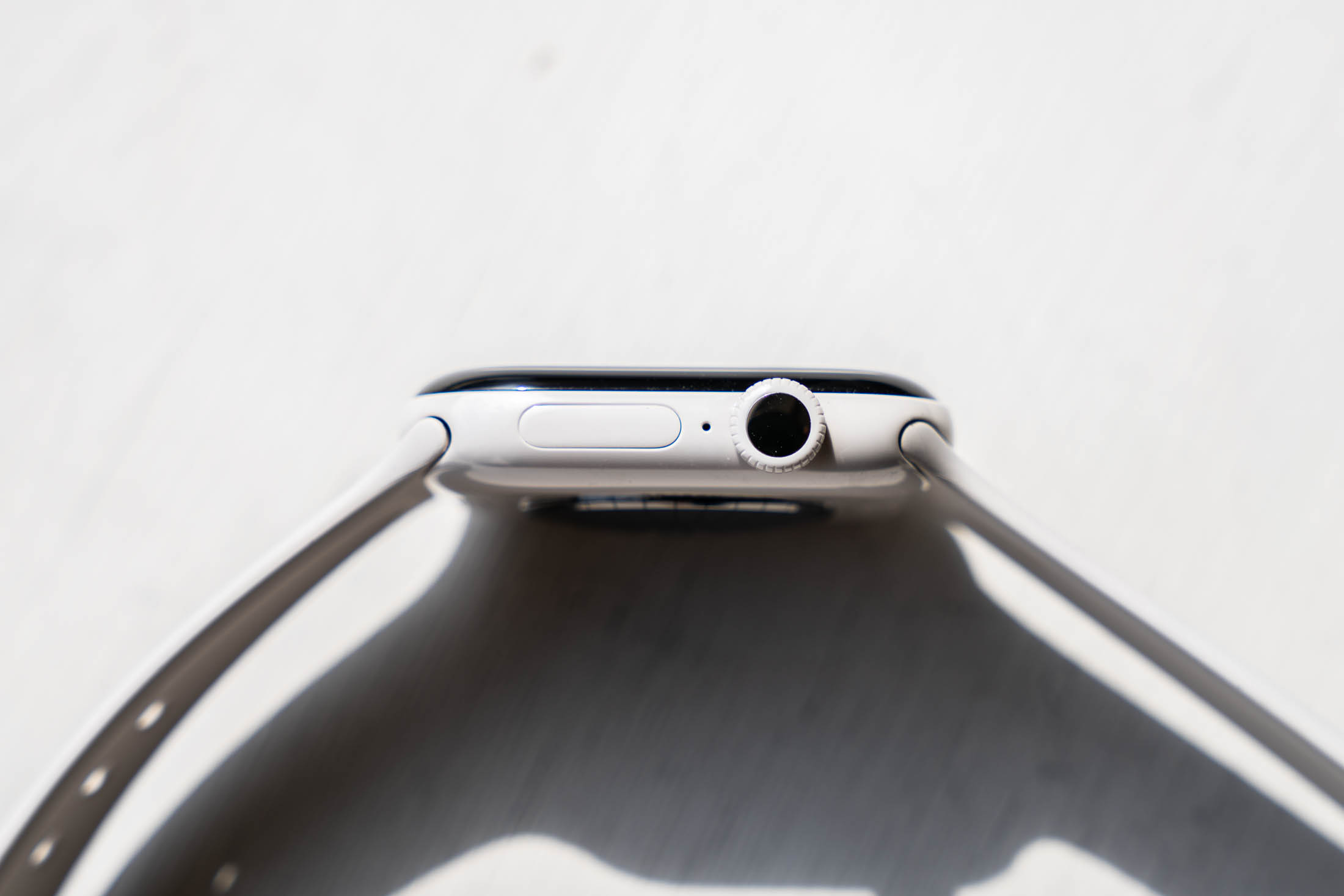
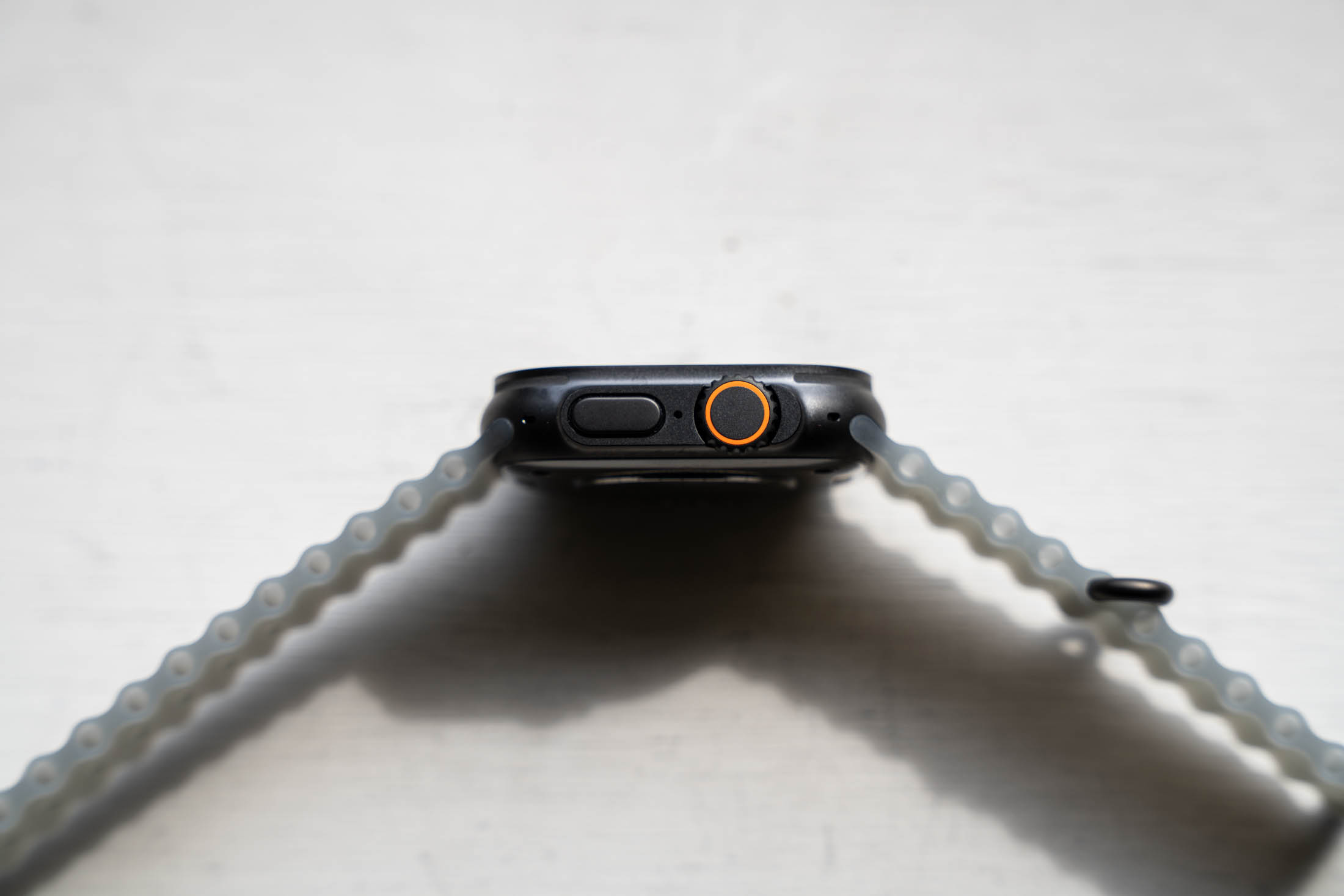
A welcome aesthetic refinement in this generation is the complete removal of the red accents previously found on the rotating crown. In older generations, red markings signified cellular connectivity, appearing either across the top of the crown on the Series 3 or as a subtle ring on the Series 5. The new, clean polished silver top of the crown integrates much more harmoniously with both ceramic colorways, creating a more cohesive and refined appearance.
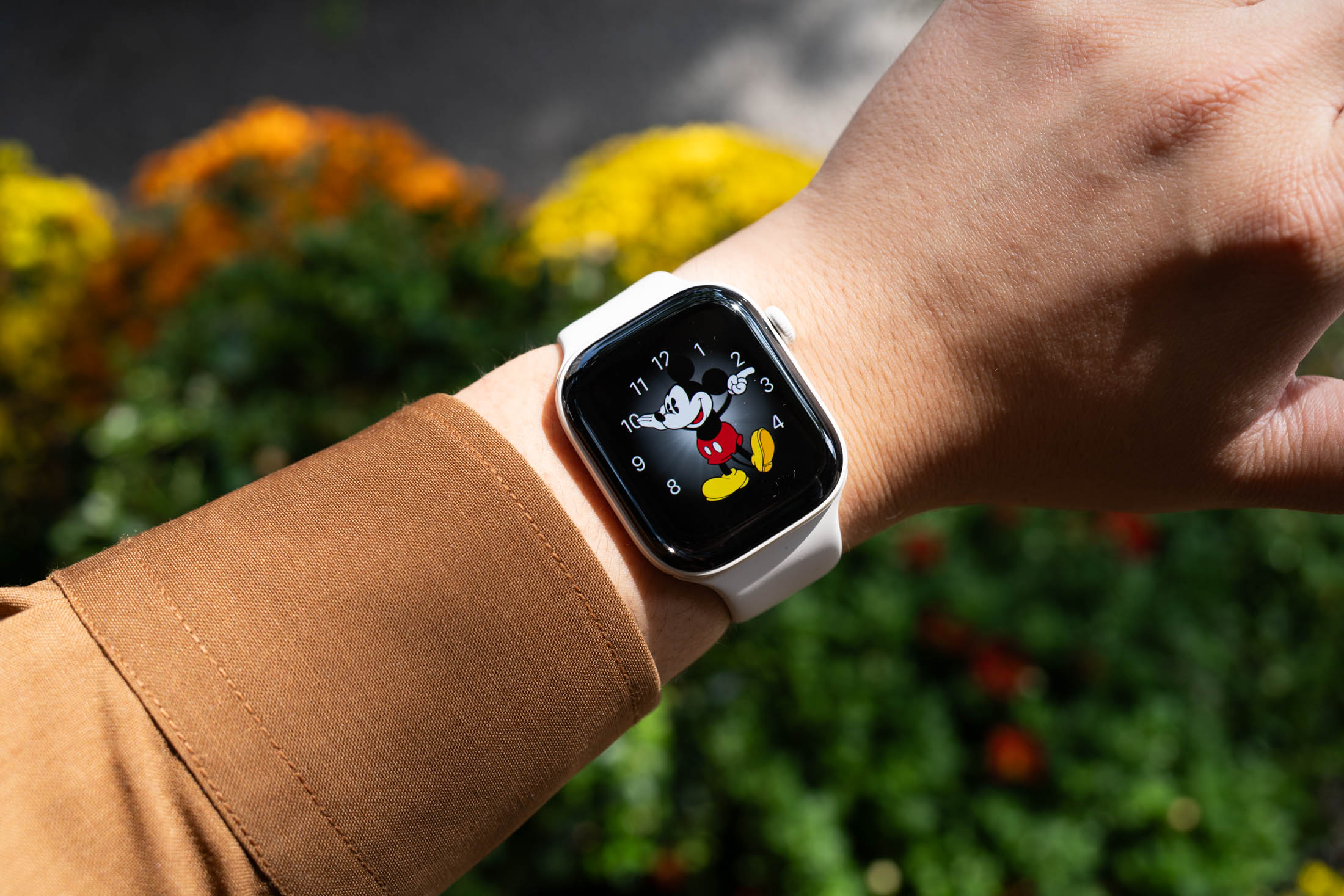
On the wrist, the new generation maintains the profile established by the Series 10 redesign. While the ceramic variations are technically fractions of a millimeter thicker than standard aluminum models—measuring 9.85mm compared to 9.7mm—the difference is virtually imperceptible during daily use. Consumers have the option of choosing between larger 46mm configurations and smaller 42mm options. The 42mm size offers an exceptionally unobtrusive and comfortable fit, particularly for those with smaller wrists, measuring roughly 35.8mm across the case width, compared to approximately 38.8mm for the larger 46mm edition.
Pricing for the ceramic Series 12 models marks a notable shift, starting at $899 for the 42mm version and $949 for the 46mm size. This represents a more accessible entry point compared to past iterations, such as the 2019 white ceramic Edition, which debuted at $1,299. With titanium models occupying the $699 price tier, the ceramic markup is considerably narrower than in previous years, signaling a shift in how luxury materials are priced within consumer tech. Furthermore, this release appears to mark the retirement of the "Apple Watch Edition" moniker, a classification once famously used to describe the ten-thousand-dollar solid gold models from the device’s debut generation when Apple initially sought to position its smartwatch alongside traditional luxury timepieces. As the Apple Watch has achieved global ubiquity, the necessity for such branding has diminished.
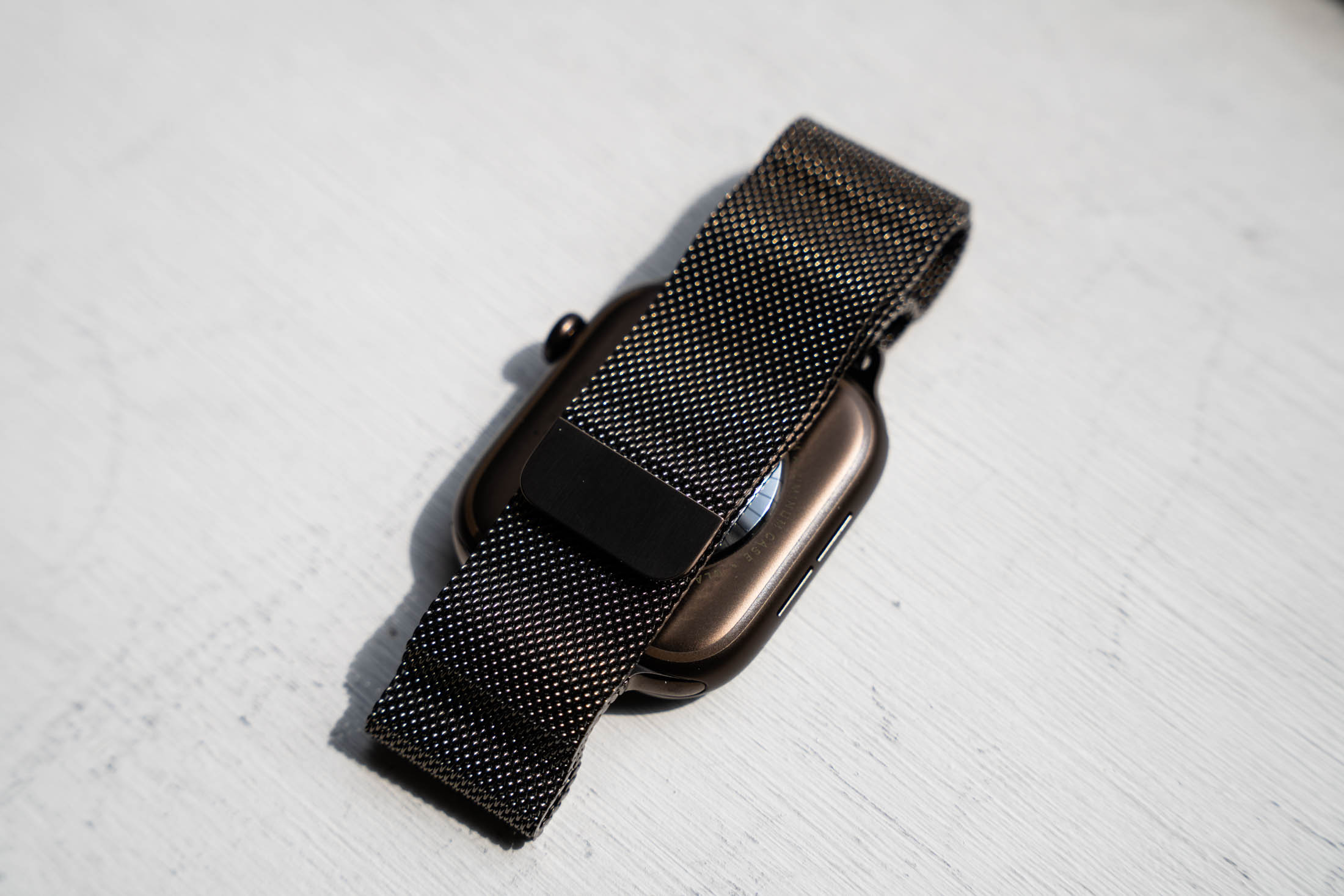
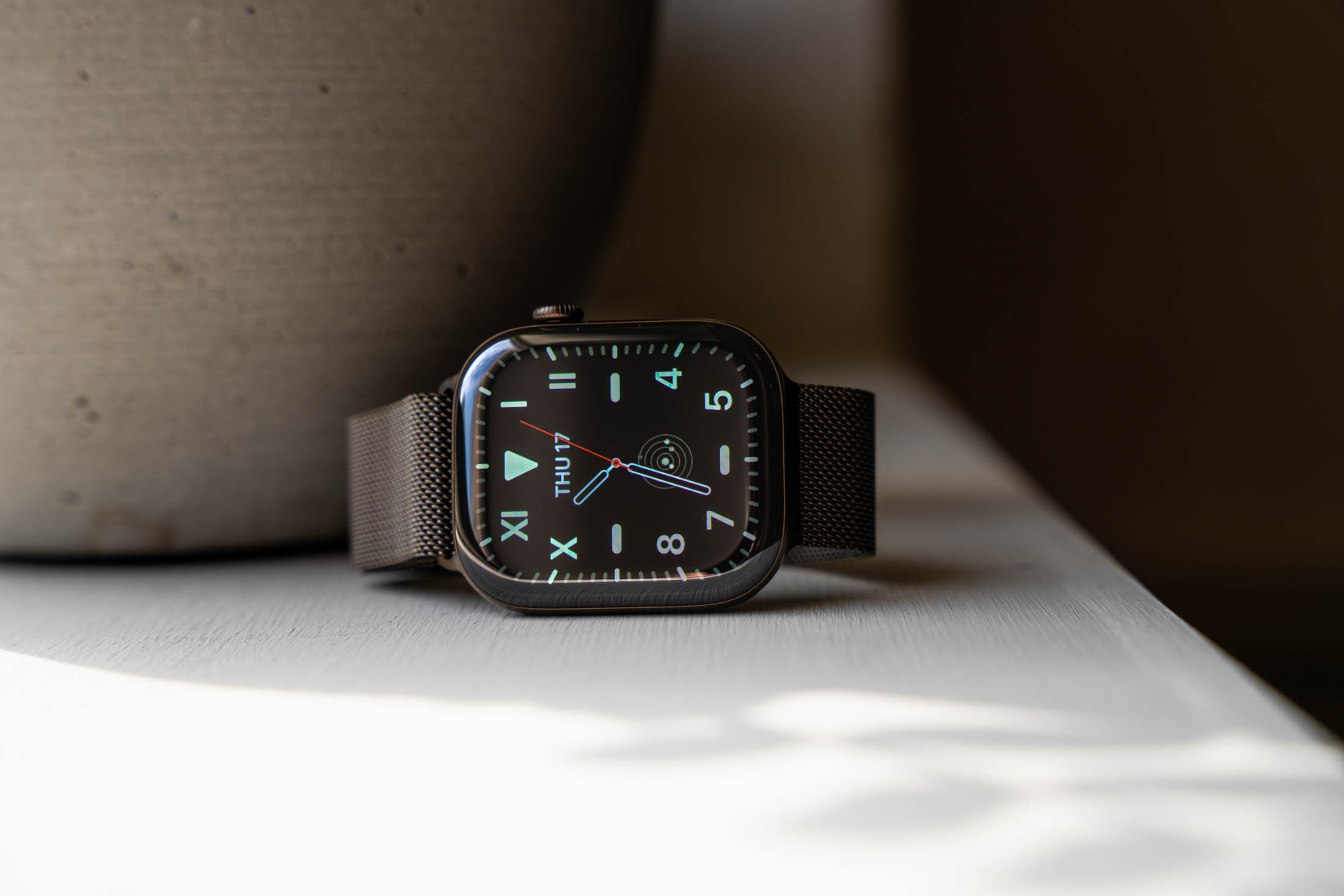
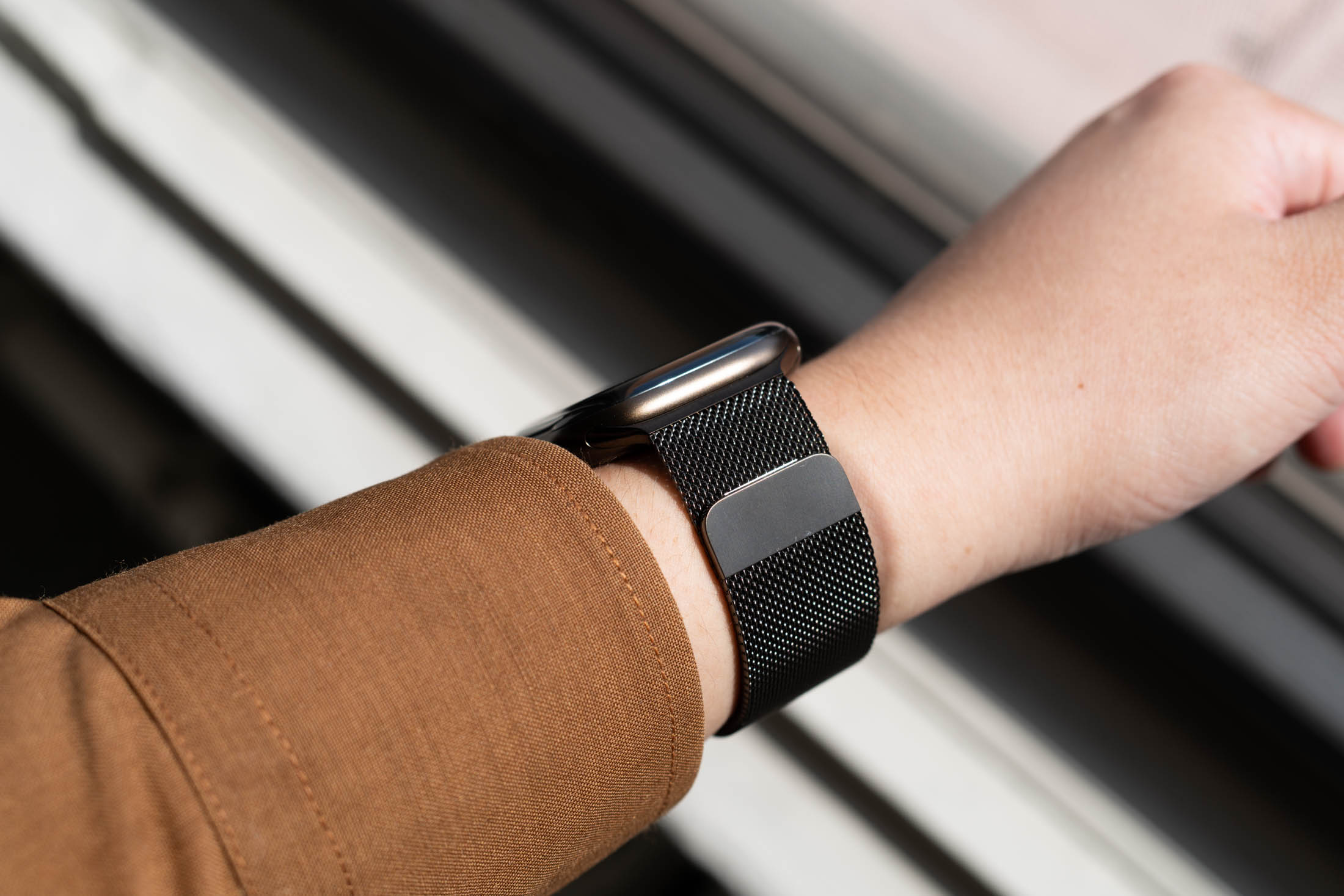
Within the base-level aluminum Series 12 lineup, Apple has expanded its color palette, highlighted by the introduction of Dark Bronze. Resembling a space gray finish with increased warmth, the shade evokes a well-aged bronze watch case without the uneven patina or the risk of skin discoloration. To complement this, Apple has released a matching stainless steel Milanese Loop in dark brown, though the pairing highlights the ongoing debate among purists regarding mixed metals when paired with non-steel cases.
More importantly, the aluminum models are now equipped with Ceramic Shield 2. While distinct from the sapphire crystal utilized on titanium and ceramic variants, Apple notes that the new material is 60 percent tougher than the Ion-X glass found on previous aluminum designs, prioritizing shatter resistance while remaining susceptible to micro-scratches over extended use.
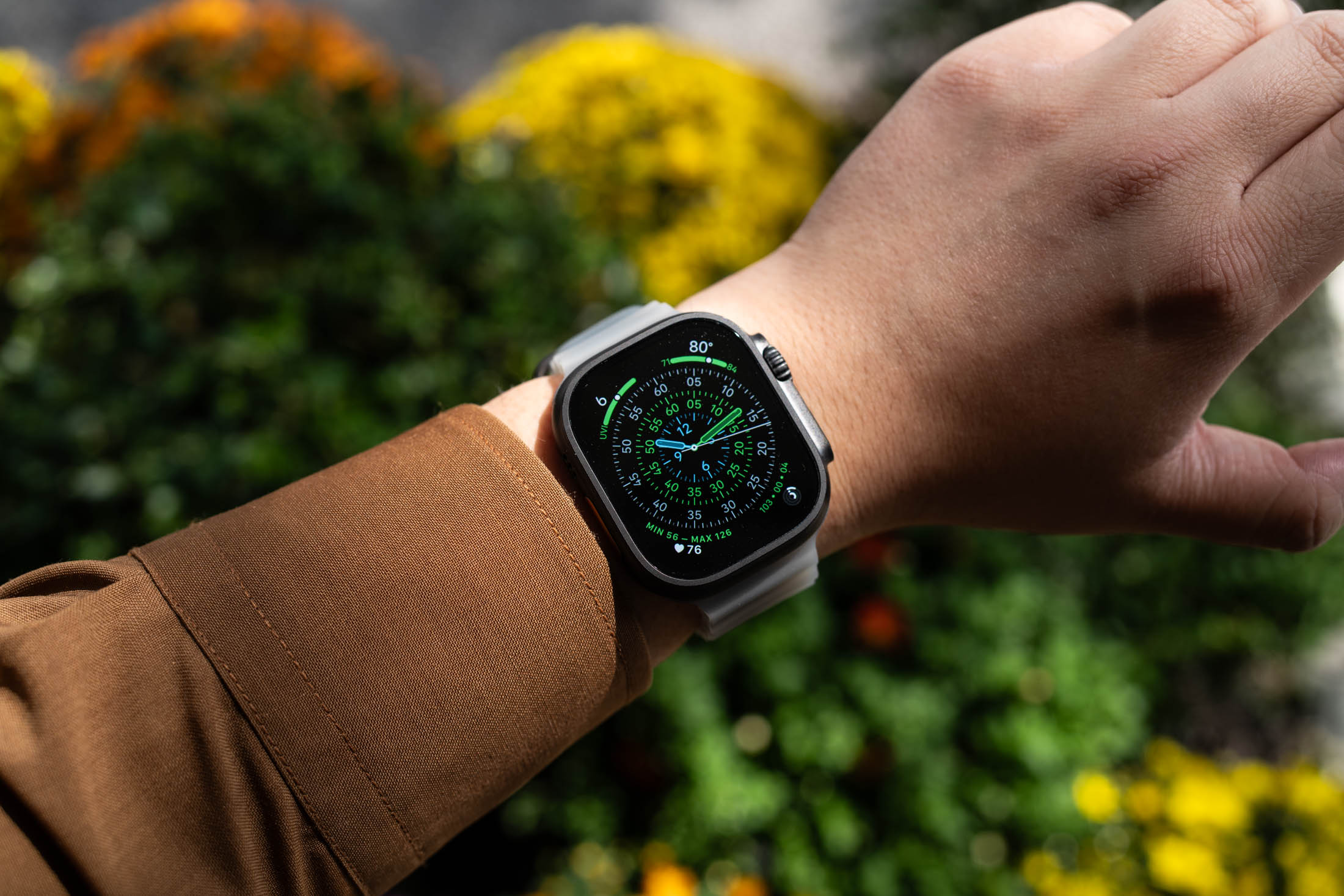
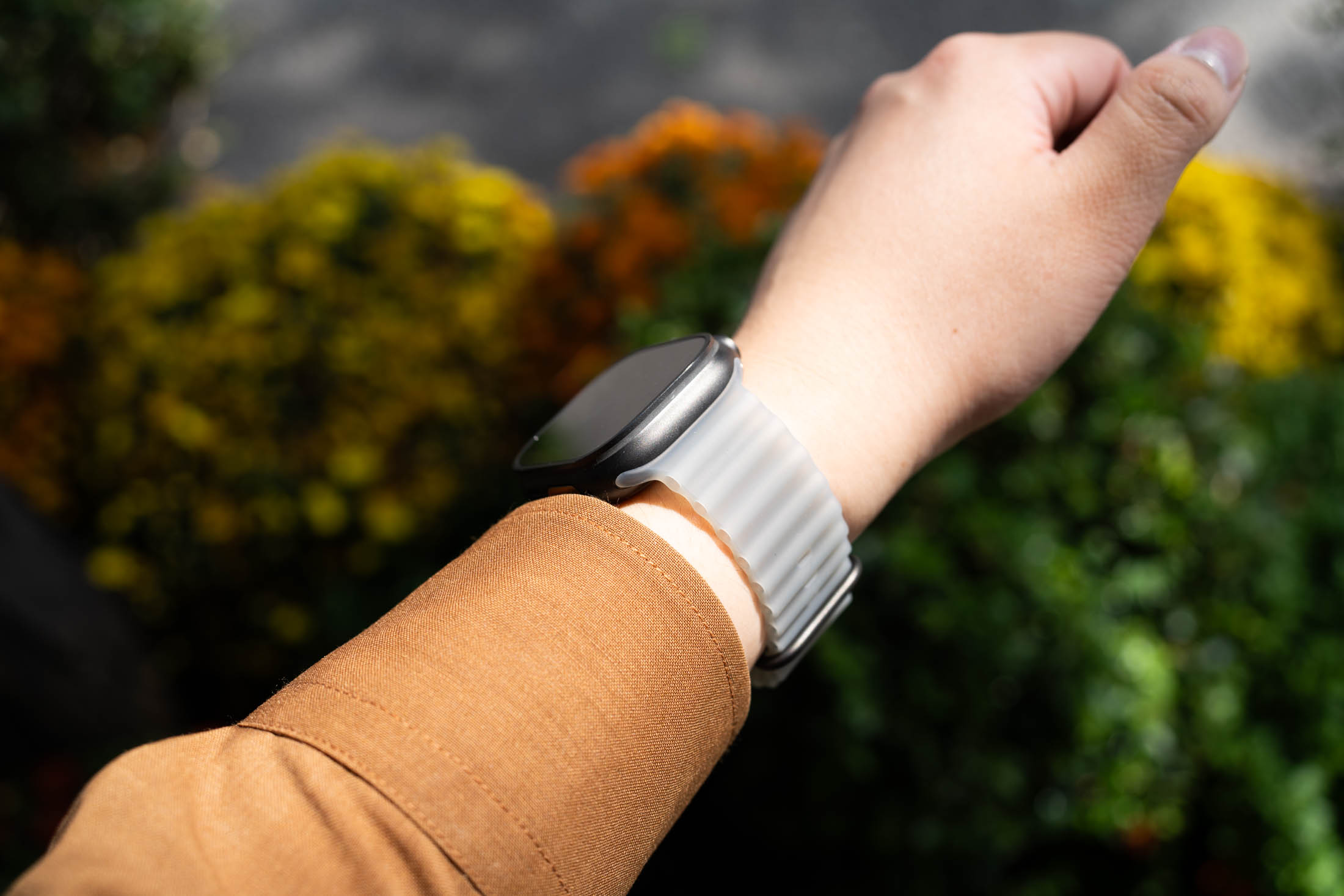
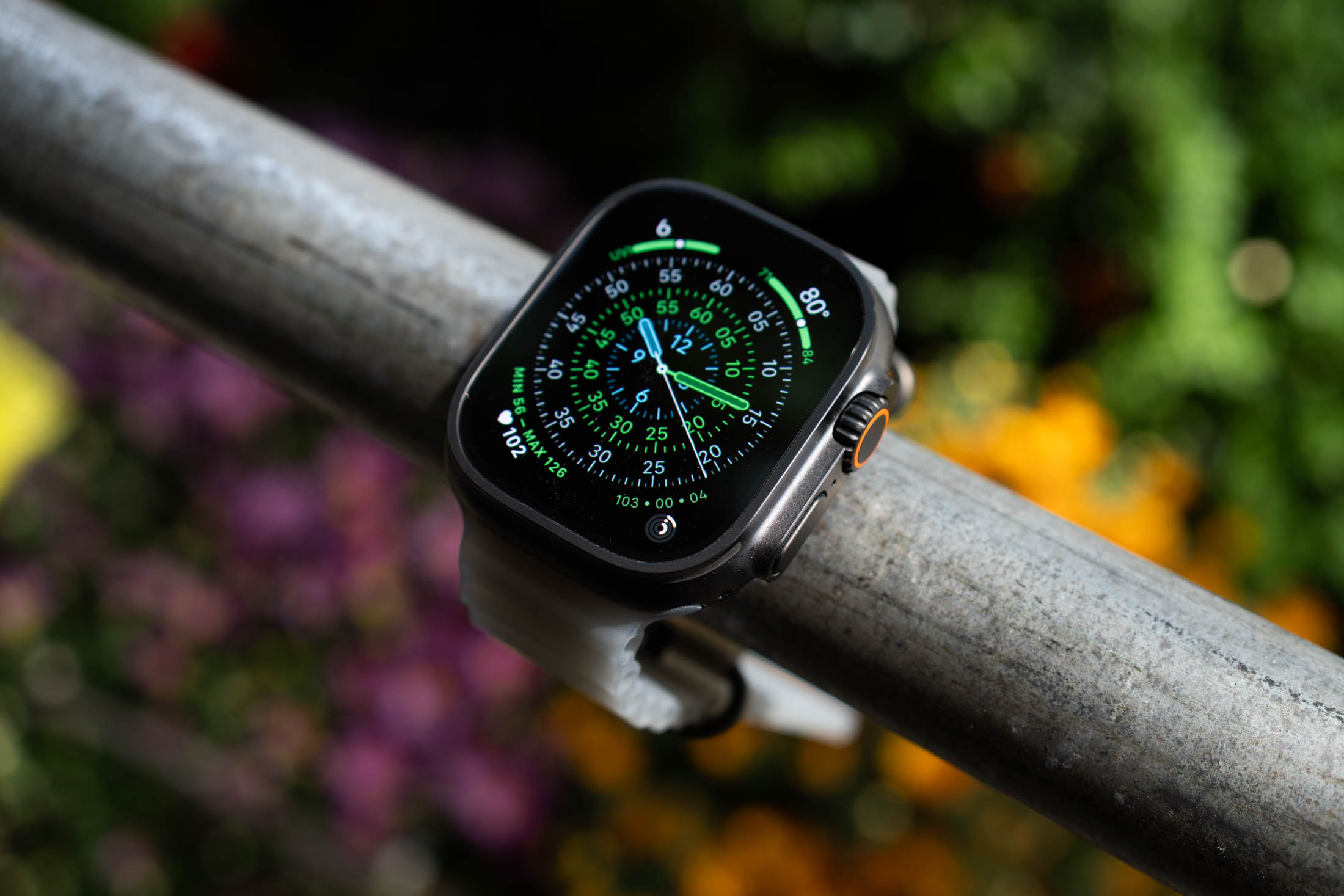
The Apple Watch Ultra 4 follows a similarly refined trajectory, maintaining its external architecture, 100% recycled 3D-printed titanium construction, and finishes in Natural titanium and DLC-coated Black. The primary advancement for the Ultra line lies in its battery longevity. Following last year’s increase to 42 hours, the Ultra 4 extends performance to an impressive 50 hours of continuous use. Furthermore, fast-charging capabilities have been enhanced: a brief 15-minute charge delivers up to 18 hours of usage on the Ultra 4, while standard Series 12 models regain 12 hours of power over the same duration.
Underpinning these hardware iterations is the new Health Sensing Suite, paired with the high-performance S11 chip. Representing the most accurate heart rate monitoring system Apple has produced, the hardware has been validated through extensive testing against chest ECGs and other prominent wearable devices. The architectural improvements include rearranged photodiodes and more efficient LEDs, facilitating high-frequency background tracking that reads heart rate every five seconds rather than every five minutes. This granular data feeds directly into a new Readiness app on the device, synthesizing movement, vitals, and sleep metrics into a single, digestible score to help users monitor physical stress and recovery.
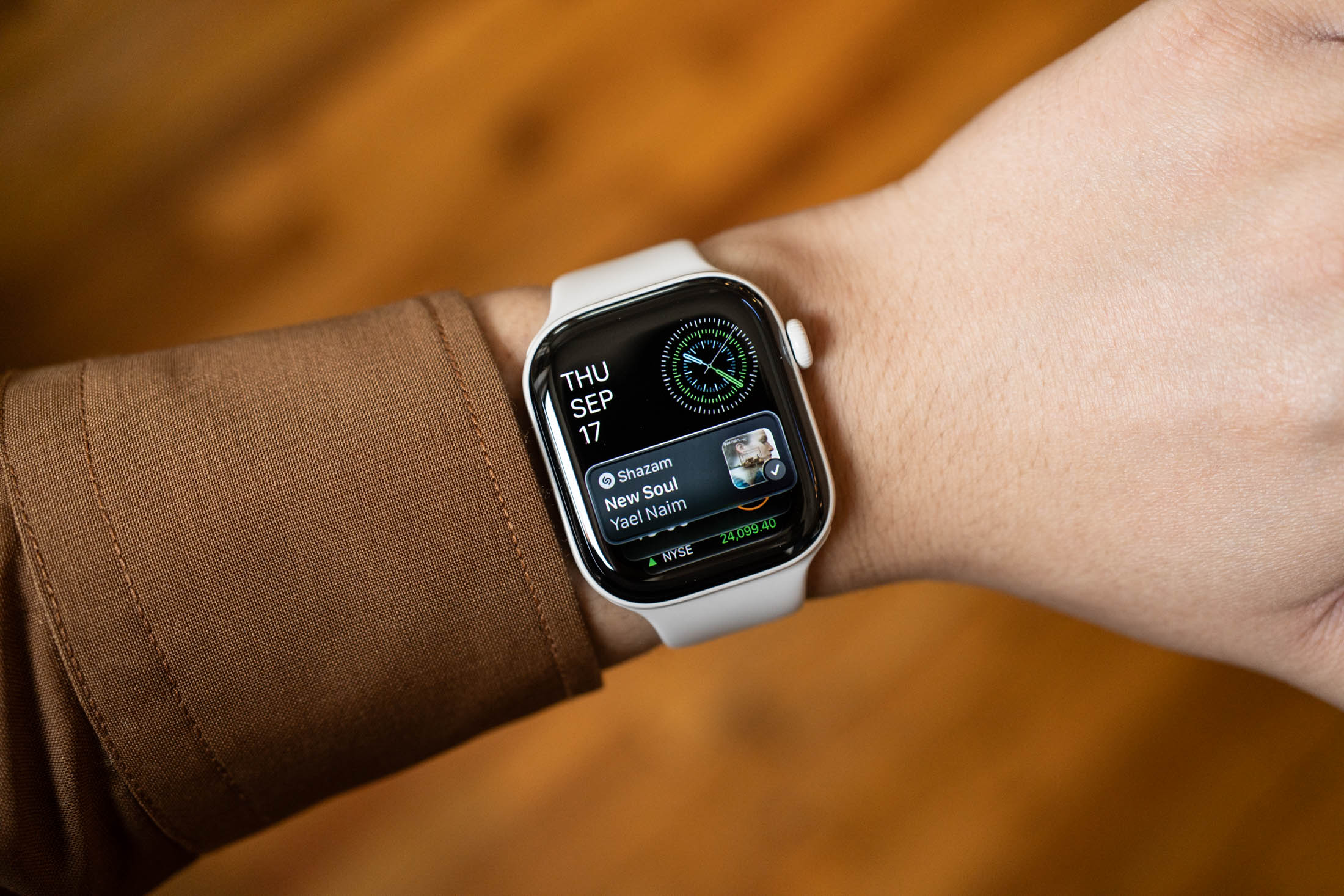
While the physical hardware and health suites are immediately impactful, a portion of the software ecosystem is slated for rollout later in the year. Among the most discussed additions are advanced Audio Intelligence features, which have sparked industry-wide conversations regarding digital privacy. In addition to faster music recognition via an enhanced Shazam integration, upcoming software features include Live Rewind—allowing users to double-click the Digital Crown for a text summary of the previous 15 seconds of ambient conversation—and Siri Recap, a system designed to log and summarize daily interactions.
Apple has emphasized privacy-focused architecture for these audio capabilities, noting that no recordings are stored persistently, audio processing occurs entirely within the secure enclave of the S11 chip at the moment of speech, and summaries do not attach speaker identities. While these tools offer significant accessibility benefits, particularly for individuals with hearing impairments, they introduce complex psychological considerations regarding ambient recording in public and professional spaces. The distinction between spoken conversation and transcribed record continues to prompt discussions about privacy norms and etiquette.
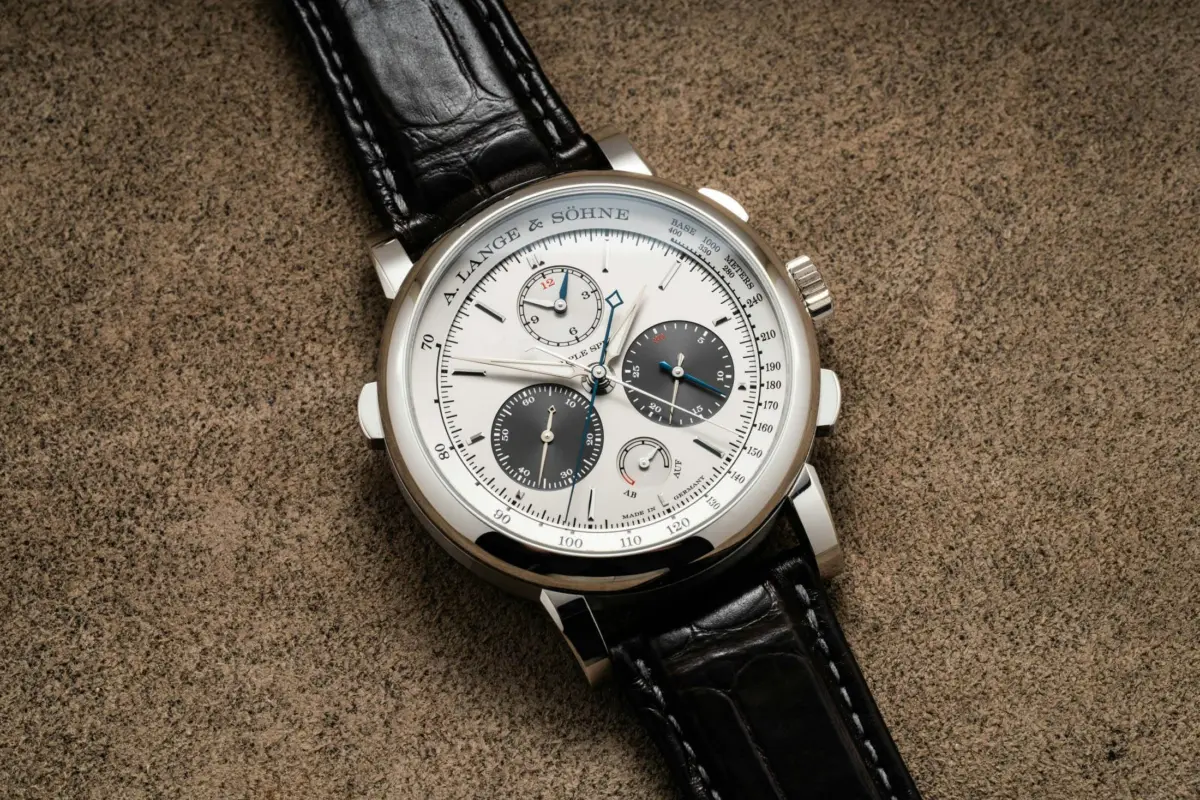
As consumer technology increasingly integrates ambient listening tools, observers note an interesting psychological byproduct: a potential strengthening of the case for traditional mechanical watches. In environments where data privacy and confidentiality are paramount, wearing a non-connected mechanical timepiece may increasingly signal a secure, unrecorded space, prompting some professionals to lean back toward classic horology for sensitive meetings.
Ultimately, the Series 12 and the Apple Watch Ultra 4 represent mature, highly polished iterations of the modern digital timepiece. By refining manufacturing processes, reintroducing alternative materials like ceramic at more accessible price points, and expanding health-tracking precision, Apple continues to solidify the wearable’s role in daily life. While the core product category has stabilized into an iterative yearly rhythm, the integration of advanced health diagnostics and ambient computing ensures that the Apple Watch remains a central focal point in the intersection of technology and personal accessories.