





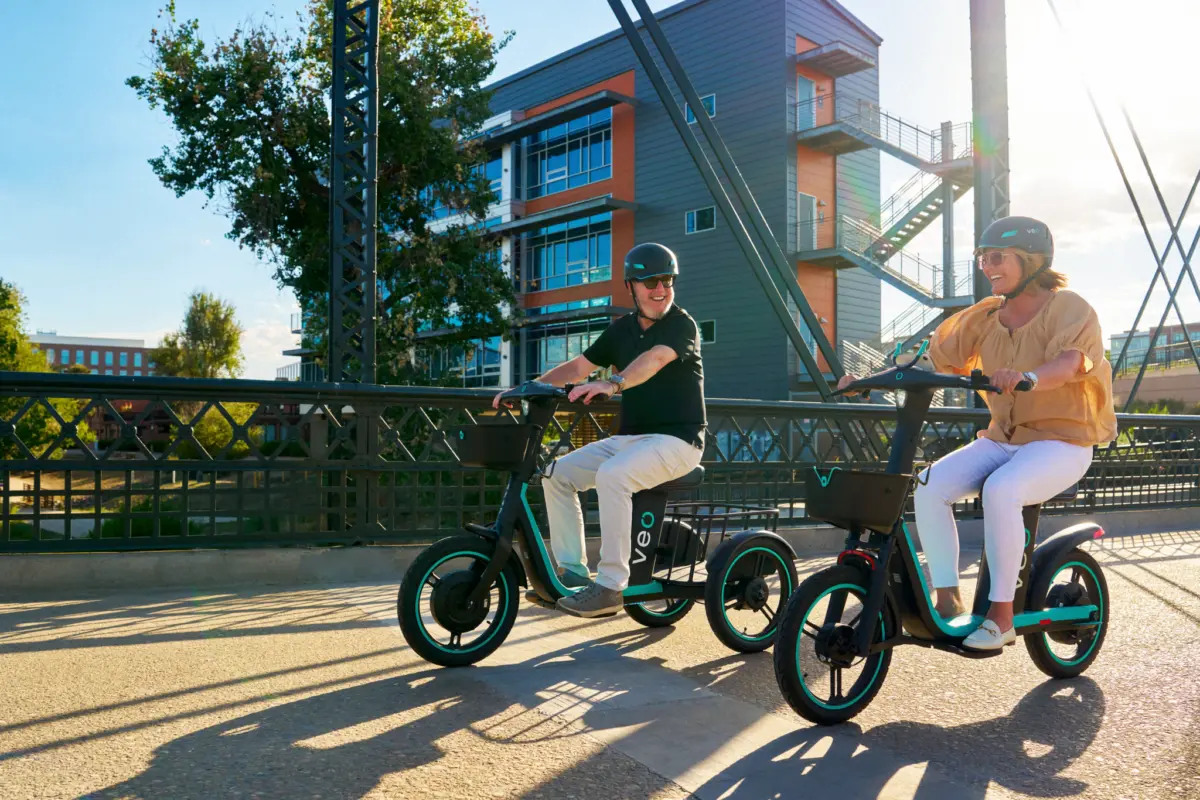
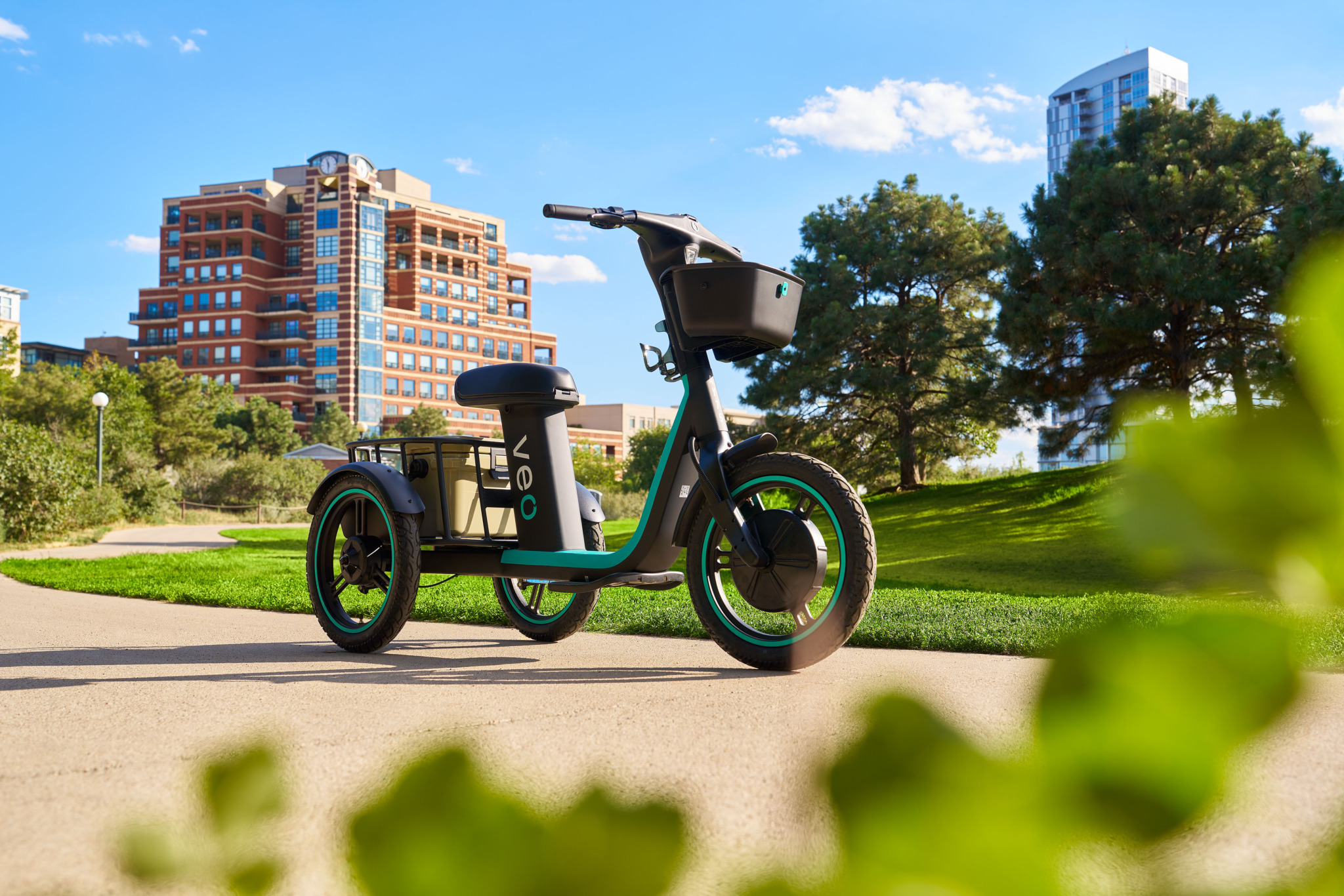
DENVER — Sitting low on three wheels, equipped with a cushioned seat and a generous basket at either end, a new vehicle is cutting a distinctive figure among the conventional scooters and e-bikes circulating through downtown Denver. Known as the Rover, this innovative electric trike comes from Veo, a shared micromobility provider that currently operates across more than 60 cities and university campuses nationwide. Fifty of these specialized vehicles are now in active service in the Mile High City, allowing the company to gather vital early rider feedback ahead of a planned citywide rollout.
The introduction of the Rover marks a significant step forward in the ongoing evolution of urban transportation, addressing a long-standing gap in the shared micromobility market. While stand-up scooters and traditional e-bikes have transformed the landscape of modern commuting and urban exploration over the past decade, they have simultaneously created barriers for significant segments of the population. Individuals with mobility differences, older adults, and those carrying heavy loads have frequently found themselves excluded from the convenience and efficiency of dockless vehicle networks.
To bridge this gap, Veo designs and manufactures its vehicles entirely in-house, granting the company direct control over every aspect of research, development, and production. In early 2024, the manufacturer began an extensive collaboration process, working closely with hundreds of everyday riders and more than 20 specialized organizations. Among these community partners were prominent groups such as the Parkinson’s Foundation and Capitol Hill Village, an organization dedicated to helping older adults age in place within their communities.

Insights gathered from this collaborative network were further supplemented by data from Veo’s 2025 annual rider survey. Notably, 24 percent of respondents in that comprehensive survey identified as having a disability. The rich qualitative and quantitative feedback collected through these channels directly influenced the physical engineering of the Rover. Every detail, from the ergonomic riding position and step-through frame to the intuitive cargo arrangement, was meticulously shaped by the firsthand experiences and needs of the communities the vehicle was built to serve.
Industry experts and accessibility advocates have long pointed to the urgent need for inclusive vehicle design in public transit ecosystems. Anna Zivarts, director of the Nondrivers Alliance and author of the book When Driving Is Not an Option, has been a vocal critic of traditional micromobility models. For too long, she notes, shared micromobility has actively excluded many disabled people and others who simply do not feel safe, stable, or comfortable using a high-center-of-gravity standing scooter or a standard pedal bike. The introduction of thoughtfully engineered alternatives like the Rover represents a crucial paradigm shift toward true public right-of-way equity.

From a functional standpoint, the Rover is engineered to prioritize stability, utility, and comfort. The vehicle features a secure three-wheel configuration that eliminates the balancing challenges inherent to two-wheeled scooters and bikes. A low-slung, cushioned seat provides a relaxed, stable posture that reduces physical fatigue during longer trips. Furthermore, the trike is equipped with dual cargo spaces—positioned at both the front and the rear—capable of accommodating up to 100 pounds of total weight. This robust capacity provides ample room for groceries, personal luggage, or even essential mobility aids, making the vehicle a practical tool for daily errands rather than just recreation.
To assist riders navigating urban topography, the Rover incorporates a responsive throttle-assist system. This feature significantly reduces physical strain, making it effortless to climb Denver’s notable inclines and navigate rolling terrain without exhausting the rider. Designed primarily for neighborhood travel and local commuting, the vehicle maintains a capped top speed of 10 miles per hour, striking a balance between efficient urban mobility and pedestrian safety on shared paths and sidewalks.

The arrival of the Rover in Denver integrates into Veo’s already substantial local footprint. The vehicle joins four other distinct Veo vehicle types currently operating within the municipality, where the company maintains a massive fleet of 9,000 shared bikes and scooters. By embedding the new trikes into this established network, Veo aims to evaluate how multi-modal fleets can better serve diverse demographics within a single metropolitan area.
Candice Xie, co-founder and CEO of Veo, emphasizes that the future of the industry hinges on expanding the user base through inclusive design. The future of micromobility is fundamentally about giving more people the confidence to ride, Xie explains. For years, the company has worked diligently to open up micromobility to new populations—from pioneering seated scooters that offered an alternative to standing models, to developing its first electric trike in direct consultation with disability advocates and older adults. According to Xie, the Rover stands as the company’s most community-informed vehicle to date, forged in a genuine partnership with the individuals it was designed to empower.

As the initial deployment of 50 vehicles continues to log miles in downtown Denver, the insights gathered from local riders will shape the subsequent phases of the rollout. For now, the Rover remains available exclusively through Veo’s shared micromobility fleet in Denver and is not offered for individual retail purchase, ensuring that these specialized vehicles remain a shared public resource accessible to the wider community.
Hayley Arsenault is a writer and editor covering architecture, interiors, and design. Based in New York, her coverage includes materials and manufacturing within the built environment.