






The Dutch economy expanded at a faster pace than initially estimated during the second quarter of 2026, driven largely by robust household consumption and an uptick in international trade. According to updated figures published by Statistics Netherlands (CBS) on September 23, 2026, the gross domestic product (GDP) grew by 0.6% in the second quarter of the year.
The latest data represents an upward revision from the national statistical agency’s initial assessment, which had pointed to a more modest economic performance. This more detailed assessment, traditionally published approximately 85 days after the close of the quarter, provides a clearer and more comprehensive picture of economic health by incorporating more complete source data from businesses, financial institutions, and government sectors.
The brighter economic outlook extends beyond a single quarter. On a 12-month basis, the Netherlands saw its GDP grow by 1.6%. This annual growth rate marks the fastest pace of expansion the country has experienced since the first quarter of 2025. Much like the quarterly figures, this annual metric was also revised upward from the initial estimate of 1.3%, signaling that the national economy has been more resilient against macroeconomic headwinds than previously calculated.
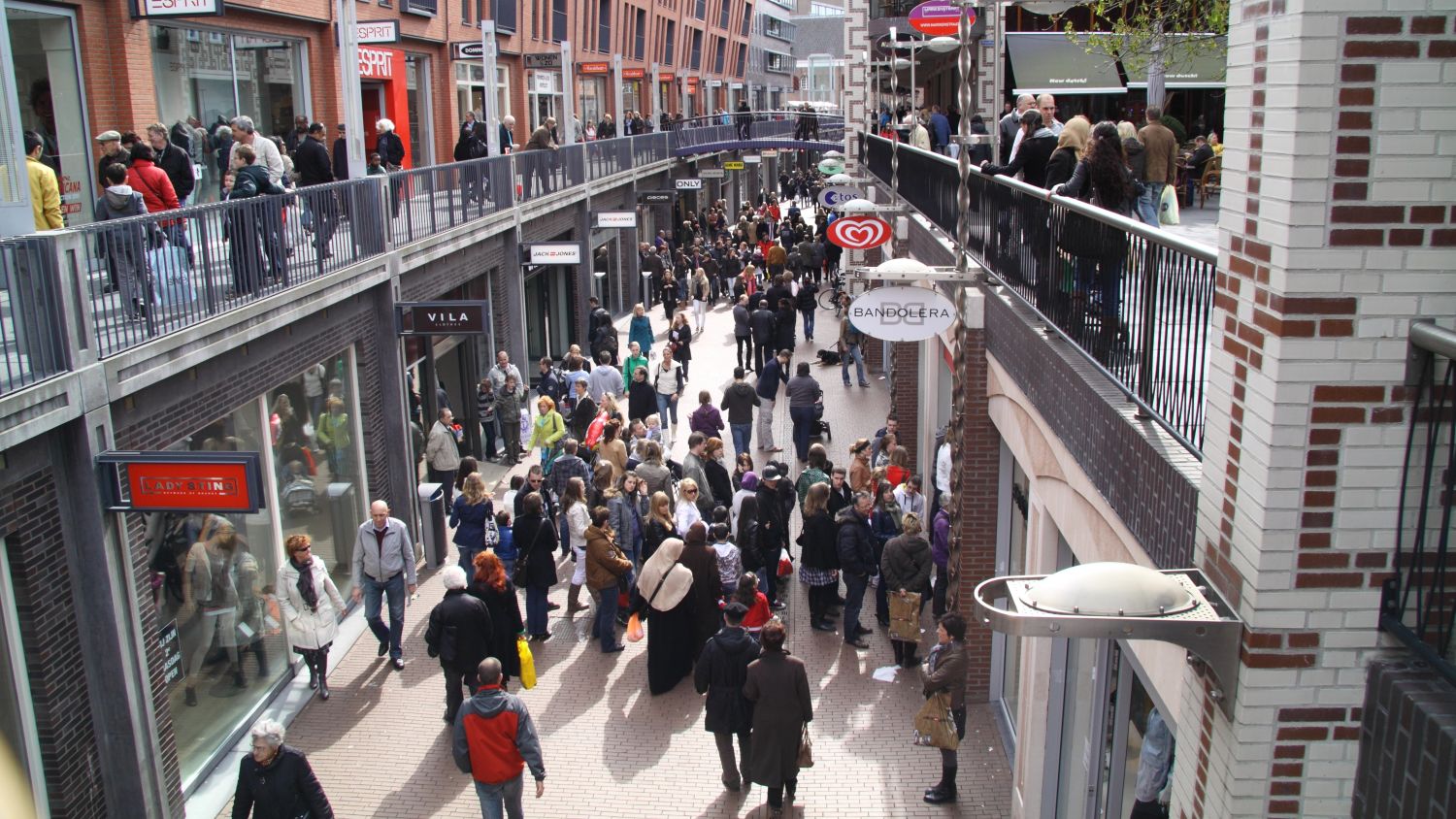
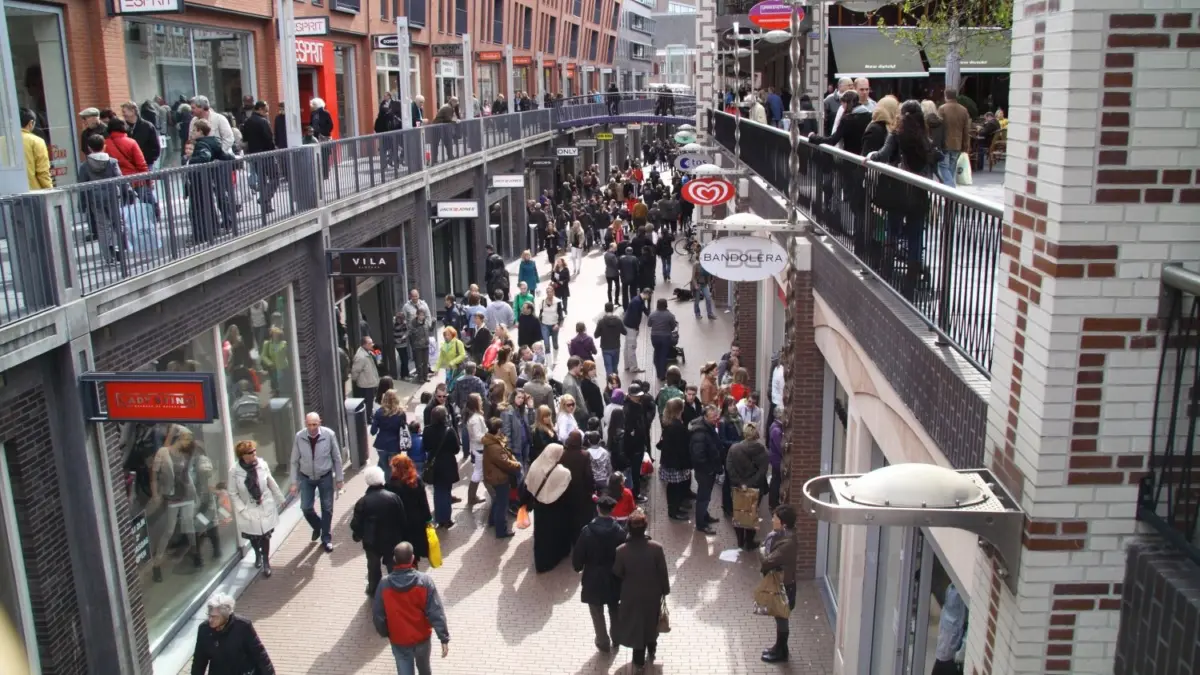
Central to this revised economic momentum were higher export volumes and significantly stronger household spending. Consumer spending has remained a critical engine for the Dutch economy, as households demonstrate a willingness to loosen their purse strings despite persistent cost-of-living pressures observed over recent years. As retail sales and consumer confidence found firmer footing, domestic demand provided a steady foundation for businesses. Simultaneously, international trade picked up steam, with Dutch exporters managing to successfully navigate competitive global markets and supply chain dynamics to boost outward shipments.
The broader macroeconomic improvements were also mirrored in the domestic labor market, which registered a dramatic turnaround compared to early estimates. While the initial assessment of second-quarter economic activity suggested a contraction in employment—estimating that the total number of jobs had dropped by 8,000—the more rigorous, updated analysis revealed a completely different trajectory.
According to the refined CBS figures, the Dutch labor market actually expanded during the second quarter, welcoming an additional 15,000 employees and registered freelancers. This unexpected job creation points to robust underlying demand for labor across various sectors, ranging from corporate services and trade to independent contracting, helping to dispel earlier fears of a cooling job market.
The combination of higher quarterly growth, an upward revision in annual GDP performance, and a thriving employment sector points to a stabilized economic environment in the Netherlands as the country moves through the latter half of 2026.