





Season after season, the fashion industry keeps its eyes peeled for the accessory trends that will define the upcoming months, and the current calendar has been no exception. As designers showcase their visions for the Spring/Summer 2027 collections, the runways have already made strong, unmistakable cases for maximal pockets, dramatic trains, striking metal handles, and other statement-making details. Yet, amidst these loud and theatrical declarations, a quieter, more versatile contender has steadily risen through the ranks to claim a permanent spot in our wardrobes: the drawstring bag.
The trajectory of this unassuming silhouette has been fascinating to watch, evolving rapidly from a niche evening alternative into a dominant force in modern luxury accessories. It all truly began to crystallize back during the Spring/Summer 2026 fashion month season. At that time, delicate drawstring pouches began appearing on the runways of major luxury houses and contemporary labels alike, including Prada, Valentino, and Dreaming Eli. Available in a rich array of textures—ranging from lustrous, liquid satins to buttery, supple leathers—these pouches were rendered in everything from understated neutrals to vibrant pops of color. Almost overnight, the fashion world recognized that the drawstring pouch was uniquely positioned to take the traditional clutch’s place as the ultimate go-to evening bag, offering a softer, less rigid alternative for nighttime dressing without sacrificing an ounce of elegance.
However, as the fashion calendar rolled forward into the Fall/Winter 2026 season, it quickly became evident that the drawstring’s impact on contemporary bag trends was not merely a fleeting moment confined to the realm of evening pouches. Instead, designers realized that bags of virtually all shapes, scales, and structural intentions could benefit from a little cinch every now and again. The utilitarian mechanism proved to be surprisingly adaptable, transforming classic silhouettes into dynamic, customizable pieces of art.
On Fendi’s Fall/Winter 2026 runway, audiences were introduced to a striking new evolution of the fashion house’s iconic baguette bag. Carried casually under the arm in the effortless style famously championed by Jane Birkin, this version featured an unmissable and highly functional detail: drawstrings cinched gracefully on each end. Unlike the traditional, rigid baguette that fashion enthusiasts have known and loved for decades, this contemporary iteration invited interaction, allowing the wearer to scrunch, loosen, and completely reshape the body of the bag depending on their mood or styling needs.
Simultaneously, Zimmermann’s Fall/Winter 2026 presentation leaned heavily into the tactile appeal of the trend. The Australian label showcased soft, pliable leather pouches in a variety of generous sizes, complete with delicate drawstring details that reinforced their intended use as slouchy, oversized clutches. The message from the designers was clear: luxury was shifting away from cold, unyielding structures and moving toward forms that invited touch and personal expression.
This momentum was further cemented as the Fall/Winter 2026 season progressed across other major capitals. The drawstring pouch trend was prominently featured on both the Loewe and Patrick McDowell runways. In both cases, designers deployed small yet impactful variations in hardware, scale, and finish to make an airtight case for the drawstring bag as the ultimate modern evening accessory, proving that casual functionality and high-end glamour could coexist seamlessly.
When the industry shifted its collective focus toward the Spring/Summer 2027 season, it came as little surprise that the trend not only survived the seasonal transition but actually expanded its footprint. What did come as a surprise, however, was the unexpected palette in which these warm-weather bags were presented. Rather than leaning strictly into breezy pastels or bright summer whites, designers offered drawstring bags rendered in rich neutrals and grounded earth tones that felt remarkably sophisticated and entirely fall-appropriate, bridging the gap between seasonal dressing.
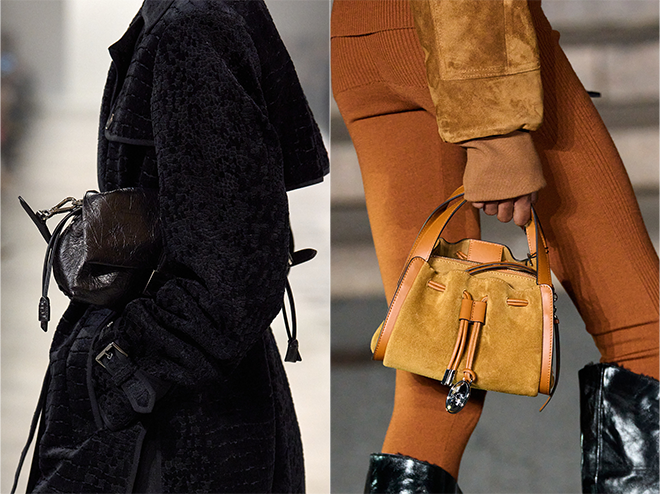
At Luar’s highly anticipated Spring/Summer 2027 show, presented in collaboration with MCM, a standout tan suede bag featuring contrasting leather trim, sturdy top handles, and functional drawstrings immediately caught the discerning eyes of editors and buyers alike. Meanwhile, on the Louis Vuitton men’s runway for Spring/Summer 2027, the trend was scaled up dramatically with the introduction of an oversized monogrammed drawstring pouch, proving that the silhouette holds massive cross-gender appeal and adapts effortlessly to larger proportions.
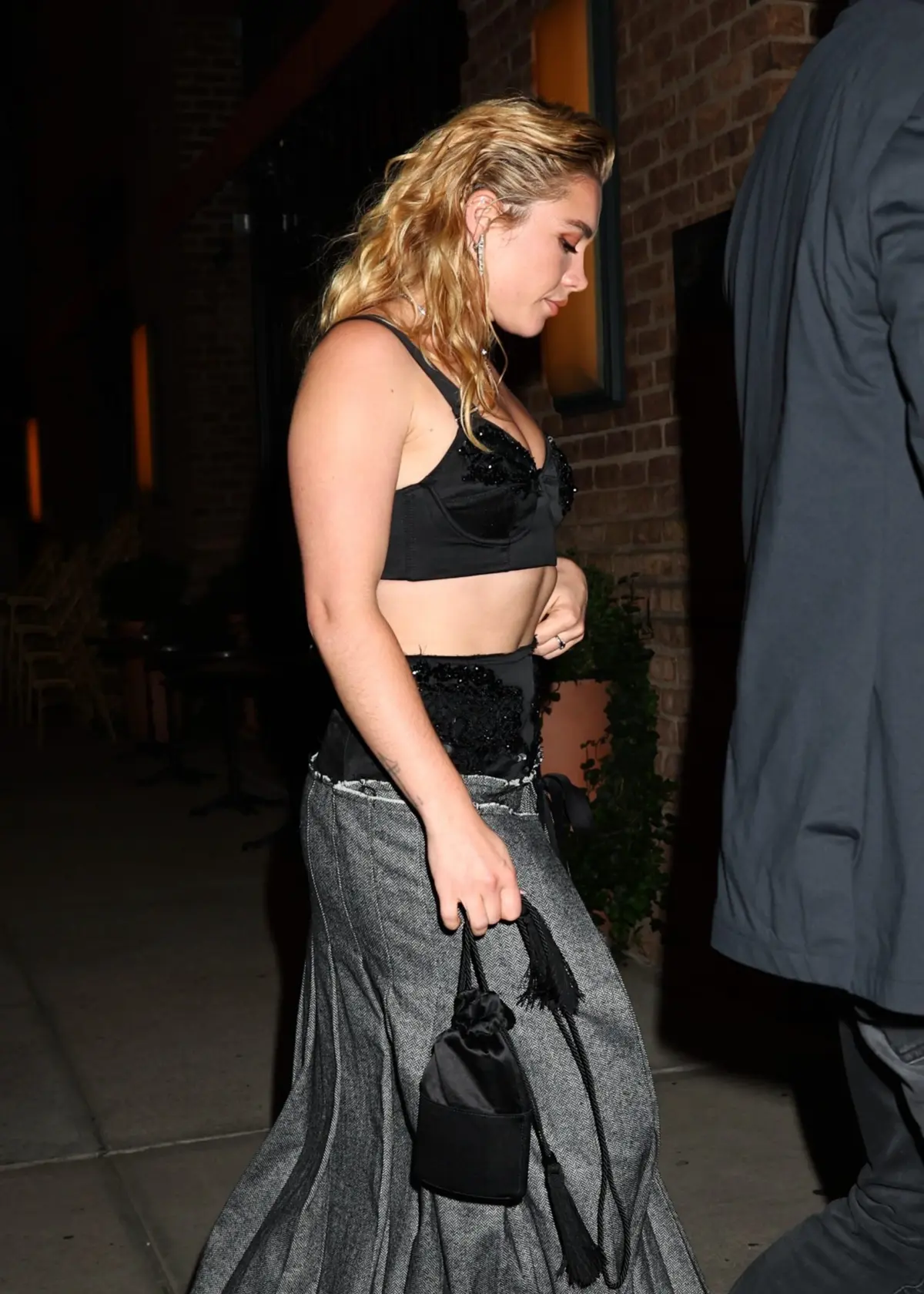
Beyond the controlled environment of the runway, the trend has successfully breached the real world, heavily endorsed by celebrities and style icons who have incorporated the look into their off-duty wardrobes—often with an added touch of bohemian flair through fringe and tassel details. In the Hamptons this past August, actress Dakota Fanning was spotted carrying a luxurious velvet, floral-embroidered drawstring pouch that was finished with an eye-catching fringe trim. Just earlier this month, Florence Pugh followed suit, stepping out with a sleek black satin pouch bag featuring delicate, tasselled drawstrings that added movement and texture to her ensemble.
Industry experts largely attribute the enduring success of this trend to a broader, collective desire for slouchy, adjustable, and unpretentious shapes. While highly structured, architectural bags will undoubtedly always hold a sacred time and place in the fashion ecosystem, modern consumers are increasingly leaning into more casual, relaxed silhouettes that adapt to the demands of everyday life. By allowing the wearer to physically alter the shape of their accessory with a simple pull of a cord, the drawstring bag delivers a rare combination of high fashion and tactile interactivity that continues to captivate the style world.