




Silver, a brilliant white metallic element, has long occupied a unique place in human civilization. Harder than gold yet softer than copper, and second only to gold in both malleability and ductility, silver is represented on the Periodic Table by the chemical symbol Ag. It boasts exceptional thermal and electrical conductivity, making it not only a medium of artistic expression but a cornerstone of industry and technology. Classified as a noble metal due to its remarkable resistance to oxidation, silver has historically served as a primary material for the production of fine jewelry and objets d’art. Because pure silver is inherently soft, it is traditionally alloyed with other metals to ensure it maintains its structural integrity, preserving the intricate shapes and delicate details imparted by master artisans.
Silver Significance
In the modern era, silver is relatively inexpensive compared to peer precious metals like gold and platinum. This accessibility can easily lead to the false assumption that silver lacks historical importance. In reality, at various points throughout history, silver was valued far more highly than gold. When examining the sheer quantities of silver utilized in jewelry and decorative arts across the centuries, its usage outweighs all other precious metals by a massive factor. Furthermore, this versatile white metal has driven significantly more technological advancements in the fields of mining and metallurgy than its precious metallic cousins. Entire global economies have depended on the availability of silver, and access to rich silver deposits has frequently swung the tides of war, thereby reshaping the course of human history.
Bronze Age Silver
Mesopotamia
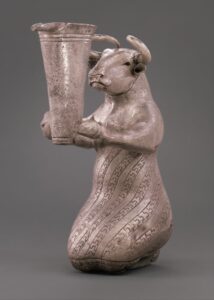
The historical narrative of silver begins near the end of the fourth millennium BCE, when innovative inhabitants of modern-day Turkey discovered they could extract silver from lead through a pyrometallurgical process known as cupellation. While very few silver artifacts from this nascent period have survived the ravages of time, those that remain offer extraordinary insight into the high level of craftsmanship achieved by Bronze Age silversmiths.
At the dawn of written history, silver was actively utilized as a currency in Mesopotamia. Rather than circulating as standardized coins, it was measured strictly by weight or shaped into functional rings. The ancient Mesopotamian silversmith’s workshop closely mirrored that of the goldsmith, and the two trades were frequently practiced by the same artisans. Although silver is slightly less ductile than gold and demands more frequent annealing during the manufacturing process, it possesses remarkable working properties. It can be cast, hammered into exceptionally thin sheets, engraved, embossed, worked in repoussé, and elaborately decorated with delicate filigree and granulation. Archaeological excavations have recovered vessels, statuettes, and jewelry crafted from high-purity silver, yielding objects of exquisite delicacy and softness.
Egypt
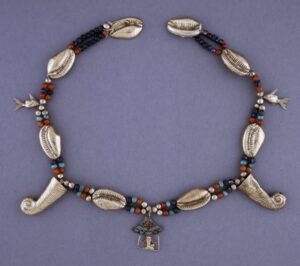
The ancient Egyptians held a profound appreciation for the rare, the exotic, and the distant. They went to extraordinary lengths to secure materials such as Afghan lapis lazuli, arguably their most prized gemstone. Along these same ancient trade routes, silver reached Egypt, where it was regarded with equal reverence and viewed as an extremely exclusive commodity. Because gold could be obtained relatively close to home from the mountains of the Eastern Desert and Nubia, and perhaps some natural electrum from the same regions, pure silver had to be imported from afar. This logistical scarcity rendered silver more valuable than gold, making it a luxury fit only for the highest echelons of society.
By approximately 1600 BCE, however, the global value of silver had declined to roughly half that of gold, reflecting a substantial increase in supply and broader trade networks. By this era, the metal was widely utilized as an abstract currency maintaining a consistent value. The popularity of silver in Egyptian burial customs varied according to the shifting fashions of the times. For instance, the legendary tomb of King Tutankhamun contained scarcely any silver artifacts, whereas the later burial of King Sheshonq II famously featured a magnificent, all-silver sarcophagus.
Minoa, Mycenae & Phoenicia
The Minoans, and subsequently the Mycenaeans, operated as prolific maritime traders who routinely handled significant quantities of silver. Consequently, archaeological excavations across the Greek mainland, Crete, and Cyprus have yielded a considerable volume of early Greek silver jewelry.
The Phoenicians played a singularly transformative role in the development of Mediterranean civilizations through their aggressive colonization and widespread maritime trade networks. It was the Phoenicians who initiated the large-scale exploitation of the rich silver deposits in Spain, systematically distributing the metal throughout the classical world. Their commercial incentives pulled silver from its previously exclusive, exotic status, driving its availability to unprecedented heights.
Classical Silver
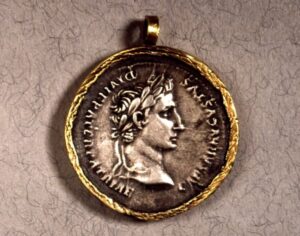
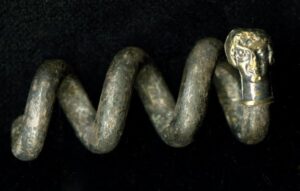
To both ancient Greek and Roman societies, a steady supply of silver was an absolute necessity, as their monetary systems—properly minted silver coinage—depended entirely upon it. Interestingly, silver appears to have been utilized in jewelry less frequently than gold during this era, though a significant portion of this discrepancy may be attributed to the continuous remelting and recycling of metal over the centuries. Surviving examples demonstrate that silver was fashioned into virtually every conceivable type of personal adornment, including finger rings, anklets, and heavy armlets.
The Romans held a particular fondness for niello, a surface decoration technique closely resembling enameling but executed using silver sulfide rather than vitreous glass. Niello proved to be significantly more durable than enamel, yielding a distinctive metallic luster rather than a glass-like finish. During the Roman occupation of Northern Europe, the technique spread rapidly across the continent, leaving a lasting mark on Anglo-Saxon finds in Britain and archaeological sites throughout Eastern Europe.
The Roman author Pliny the Elder, writing in his monumental Naturalis Historia, offers a vivid and often skeptical look at Roman society’s relationship with silver. In his extensive treatises, Pliny documents the deep shafts sunk into the earth to extract silver ore, noting that unlike gold, silver provides no sparkling surface indications to signal its presence. He details the famous Spanish mines originally opened by Hannibal—such as the Baebelo mine, which reportedly yielded three hundred pounds of silver daily—and describes the grueling conditions faced by water-bearers working by torchlight deep underground. Pliny also outlines contemporary methods for testing the purity of silver, such as heating the metal on an iron fire-shovel to observe color changes, while lamenting the staggering excesses of Roman luxury, where wealthy citizens adorned their dining plate, household furniture, and even traveling carriages with chased silver.
Celtic Silver
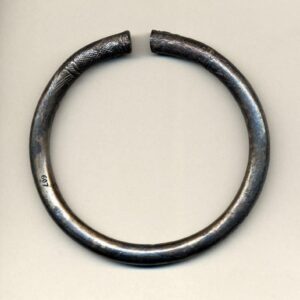
Among the ancient Celtic tribes, silver was paired extensively with bronze for the creation of distinctive personal ornaments. Elaborately decorated brooches, heavy torcs, and crescent-shaped lunulae stood out as the most common forms of jewelry. Prior to the Roman incursions, the Celts did not utilize standardized coinage; instead, they relied upon "ring money." These standardized rings were forged from silver, copper, bronze, or gold, and served strictly as a medium of currency rather than items of personal wear.
Medieval Silver
Following the collapse of Roman supply lines and trade networks, gold became an extreme rarity in Europe, thrusting silver into the position of the foremost metal for jewelry and decorative arts. Germanic jewelry from this era consisted primarily of functional items such as fibulae, disc brooches, penannular brooches, and sturdy clothing buckles. These pieces were frequently crafted from silver, occasionally gilded, or inlaid with precious stones, with red garnets remaining the overwhelming favorite.
Beginning around 800 CE, Viking raids and conquests along the northwestern coasts of Europe funneled enormous quantities of silver directly into Scandinavia. This influx allowed local silversmiths to flourish, cementing silver jewelry as a lasting cultural tradition. The subsequent discovery of rich Swedish silver deposits around the turn of the first millennium further fueled the regional preference for wearing silver.
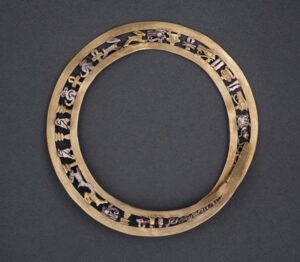
The Roman appreciation for niello was readily adopted by Germanic tribes, who utilized the stark black-and-white contrast to accentuate their intricate, characteristic engraving patterns. A prime surviving example of this sophisticated craftsmanship is the Fuller Brooch, a circular Anglo-Saxon silver piece from the ninth century housed in the British Museum. Extensively inlaid with niello, the brooch features a central roundel depicting personifications of the Five Senses surrounded by an openwork zone of geometric animal and human motifs symbolizing creation.
As medieval society evolved and trade routes to the East were gradually re-established, gold reclaimed its traditional status as the preferred metal for fine jewelry. Nevertheless, this same commercial expansion allowed a burgeoning middle class to emerge, enabling everyday citizens to adorn themselves in fashions previously reserved exclusively for wealthy rulers. Those with more modest budgets readily turned to silver jewelry as an affordable and attractive alternative. The functional nature of jewelry began to shift toward purely decorative and symbolic designs, with finger rings, bangles, and pendants returning to prominence. By the close of the Middle Ages, silver jewelry and silverware became formally subjected to rigorous assaying and hallmarking regulations.
Renaissance Silver
The Renaissance period conventionally spans from 1500 to 1600, though its stylistic roots trace back to the late thirteenth century in Northern Italy. Trade with the Levant intensified during the final centuries of the Middle Ages, while the European population steadily recovered from the devastating impact of the plague. This demographic rebound spurred the rapid expansion of trade centers in Northern coastal regions like the Netherlands, where a prosperous middle class emerged and urban centers grew exponentially.
Following the fall of the Byzantine Empire in 1453, numerous Greek scholars and artisans fled to Europe, bringing with them classical knowledge that had been obscured throughout the medieval period. Italy rapidly evolved into the cultural and financial hub of these developments, fueled by wealth generated from Asian and European trade alongside the formidable power of the Church.
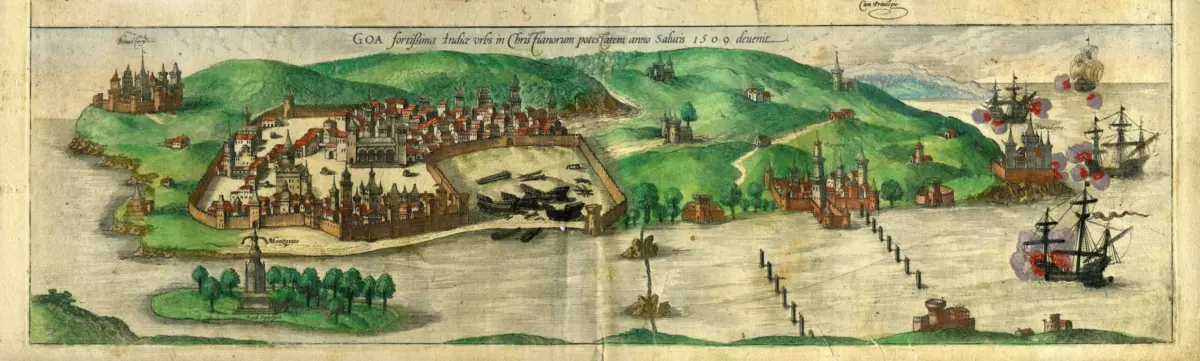
The Age of Discovery introduced a dramatic chapter in global exploration, as Spanish, Portuguese, French, and English mariners competed to claim new territories. Christopher Columbus propelled Spain to the forefront of global exploration by claiming the Americas, while explorers like Pizarro and Cortés subjugated the Incas and Aztecs, respectively. Vast new silver mines commenced production in 1546 following the discovery of monumental deposits in modern-day Mexico. A portion of this American silver was shipped directly across the Pacific to China to secure Asian luxury goods.
While silverworking techniques largely mirrored those of the medieval period, the defining characteristic of the Renaissance was the sheer volume of silver pouring into Europe from the Americas. Combined with Europe’s growing population and rising general prosperity, this abundant supply ensured that silver retained its dual role as a vital monetary currency and an accessible precious metal for artistic expression.
Baroque Silver
The Baroque period, spanning roughly from 1600 to 1700, witnessed an escalating volume of South American silver arriving in European ports. England, France, and the Netherlands aggressively established colonial outposts in the New World. The Netherlands, having secured independence from Spain, emerged as a dominant global economic power, with its merchants and naval fleets controlling key Atlantic shipping lanes. Frequent naval engagements were fought against Spanish and English fleets, often centered around capturing heavily laden silver galleons returning from the Americas.
While core silversmithing techniques remained consistent with preceding centuries, notable innovations emerged during this period. Portable timepieces represented a complete technological novelty and were frequently housed in silver cases. Additionally, the Baroque era marked the widespread adoption of silver settings for diamonds. The bright, reflective white metal beautifully complemented the colorless brilliance of diamonds, which were increasingly imported into Europe following the establishment of direct trade settlements on the Indian peninsula by European mariners. This direct access bypassed traditional Arabic middlemen, allowing unprecedented quantities of fine Indian diamonds to reach European markets.
Georgian Silver
During the Georgian era, newly discovered silver deposits in South America sustained a booming production cycle. The Baroque fashion of setting diamonds in silver became standard practice. Diamonds flooded into Europe in unprecedented numbers, sourced from traditional Indian markets and, beginning in 1727, from newly discovered deposits in Brazil. Fine jewelry from this period was frequently forged in gold with silver-topped fronts, though items composed entirely of silver remained commonplace. The characteristic cut-down collet settings of Georgian jewelry were almost universally crafted from silver to enhance the crisp, white appearance of the mounted diamonds.
In 1777, the manufacturing technique of die striking was introduced to jewelry production. This innovative method involved stamping and cutting precious metal components using specialized steel dies, heavy presses, or drop hammers, allowing individual components to be swiftly assembled by hand into finished pieces. This relatively inexpensive manufacturing process heralded the dawn of mass-produced jewelry, enabling items to be retailed at a fraction of the cost of traditional handmade wares. Naturally, accessible metals like silver were heavily utilized in this process, and with ships continuously importing silver from the Americas, vast quantities of die-struck silver jewelry flooded commercial markets.
Victorian Silver
The Industrial Revolution accelerated dramatically during the Victorian era, exerting a profound influence on every facet of jewelry manufacturing. Silver was utilized extensively in mechanized stamping and die-striking operations, perfecting techniques pioneered during the late Georgian period.
Following Queen Victoria and Prince Albert’s acquisition of Balmoral Castle in Scotland in 1848, Scottish agate jewelry surged into popular international fashion. These distinctive regional pieces were predominantly executed in silver, firmly rooted in long-standing Northern European traditions.
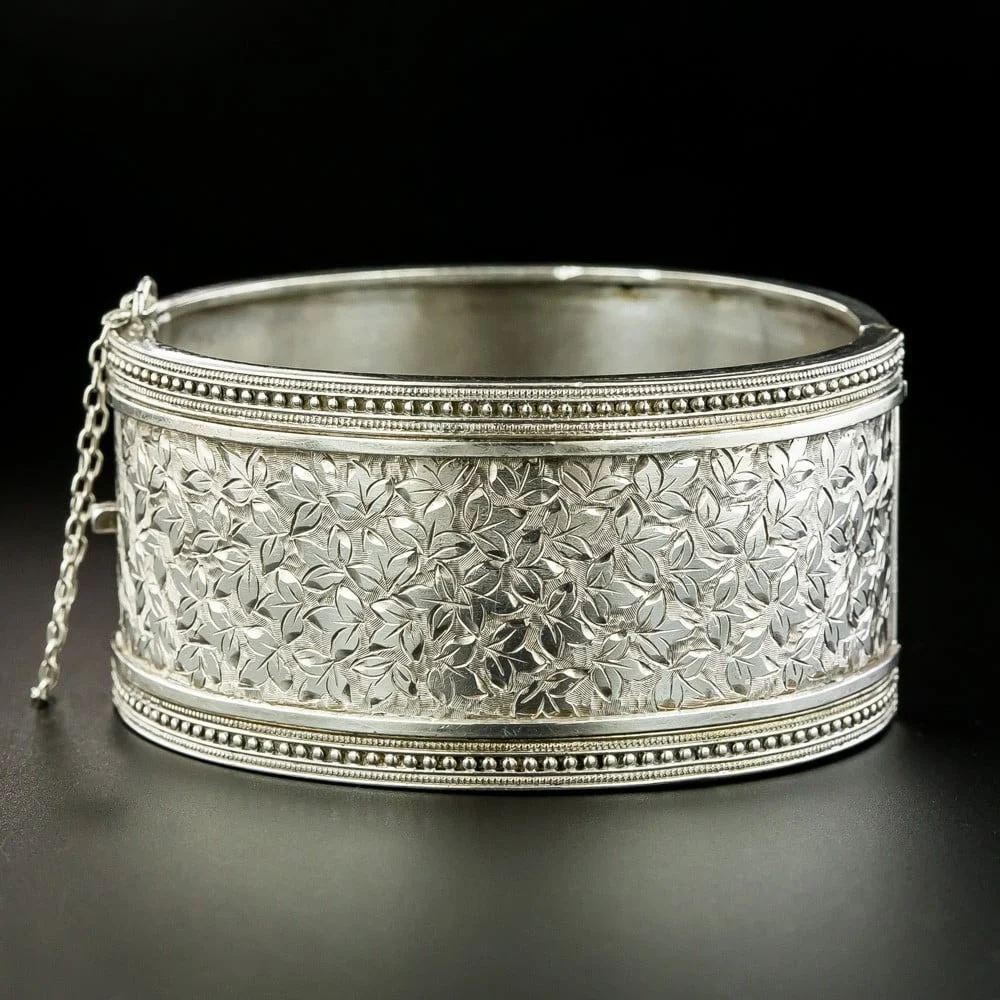
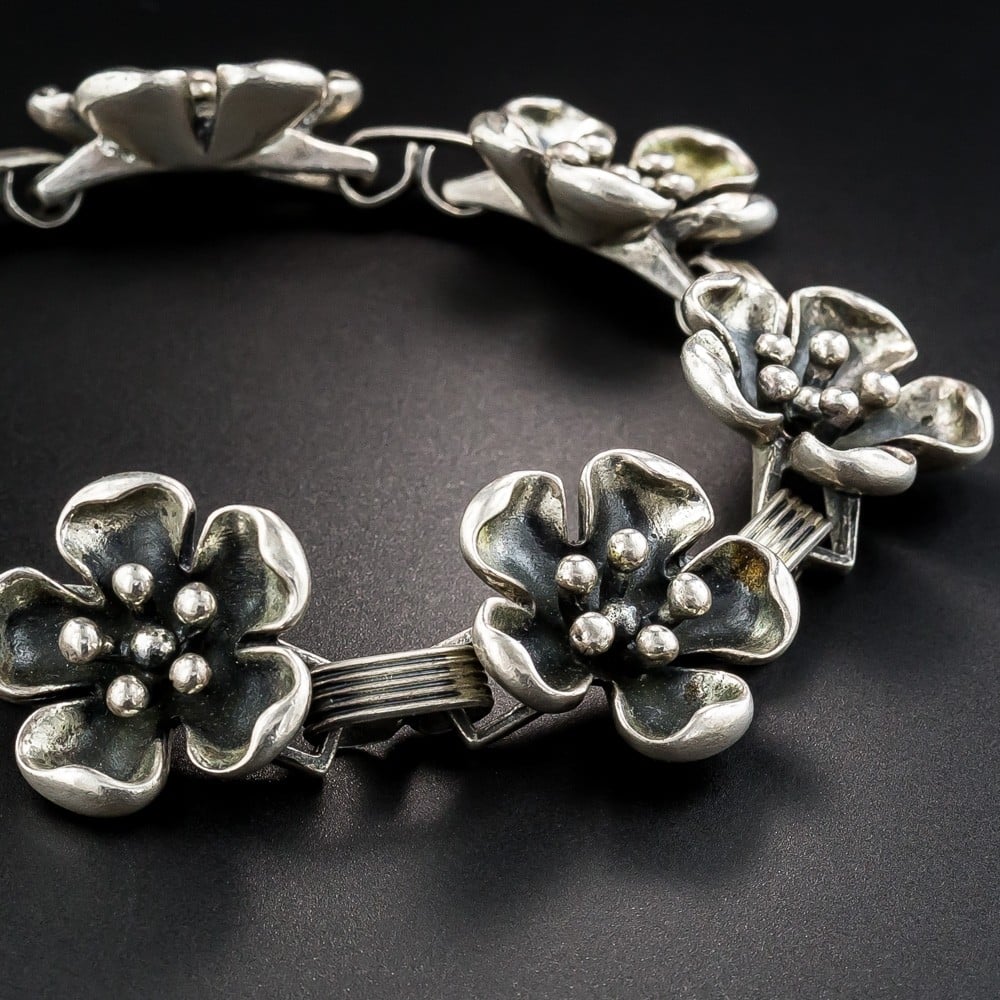
Toward the close of the Victorian period, the Arts and Crafts movement emerged as a direct philosophical reaction against the mechanized industrialization of jewelry production. In this sub-period, artistic design and hand-crafted execution were held as paramount, while the intrinsic financial value of raw metals and gemstones was treated as secondary. Arts and Crafts jewelry favored cabochon-cut stones, usually secured in simple bezel settings, and overwhelmingly preferred silver over gold. Through every era of human history, from ancient Bronze Age trade networks to the height of the Industrial Revolution, silver has consistently demonstrated its enduring adaptability, cementing its status as an indispensable medium for art, currency, and culture.