






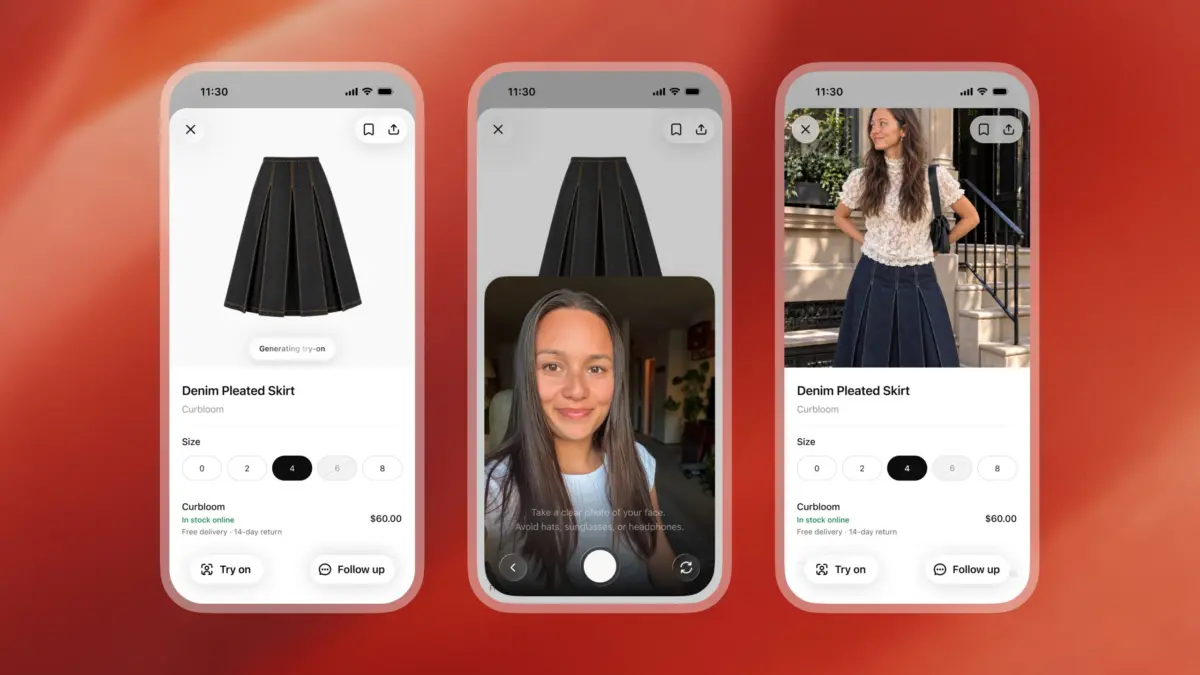
OpenAI is once again experimenting with how its conversational AI assistant, ChatGPT, can help users navigate the online shopping experience. On Thursday, the artificial intelligence company announced the global launch of two new shopping features designed to bridge the gap between AI chat interactions and consumer retail. The rollout includes a virtual try-on tool for clothing and accessories, alongside a new favoriting function that allows users to save products for future reference and easy comparison.
These latest updates arrive at a time when major tech companies and AI assistants are aggressively exploring consumer use cases around retail and e-commerce. OpenAI has had to navigate a learning curve in this space, having previously pivoted from an earlier initiative—an instant checkout feature that ultimately failed to gain sufficient traction or perform well with users. The broader industry is also grappling with how consumers want to interact with AI-driven commerce. More recently, agentic AI startup Instinct began pushing proactive product recommendations to users, a move that drew mixed reactions. Some consumers felt that these unprompted suggestions were an overreach, likening them more to intrusive advertising than genuinely helpful recommendations.
To power its new shopping capabilities, OpenAI is leveraging the recently launched ChatGPT Images 2.5 model. According to the company, this updated image generation model produces significantly more natural lighting and richer textures, follows editing instructions much more reliably, and reduces overall image generation latency, making the interactive experience smoother for shoppers.
The virtual try-on feature allows ChatGPT users to upload a selfie or a full-body photograph to visualize how a specific article of clothing or accessory might look on them. When users browse for apparel within the chat interface, this option appears as a dedicated "Try On" button within ChatGPT’s shopping results. Furthermore, the flexibility extends to external images; shoppers can upload a screenshot of an item found elsewhere on the web and ask ChatGPT to digitally try it on for them using their reference photo.

Complementing the try-on tool is the new Favorites option. This feature enables users to save products they discover during their chat sessions directly into a designated Library within the application. By saving items to their library, users can easily come back to them later when they are ready to make a purchasing decision. OpenAI notes that these saved product entries will be stored alongside the user’s generated try-on images, keeping their shopping research organized in one place.
Beyond these two primary additions, OpenAI emphasized that ChatGPT can assist users with shopping in a variety of other creative ways. For instance, a shopper could describe a unique aesthetic or style that they would like to experiment with, and then ask the assistant to browse the web and shop for the specific pieces required to complete the look. Alternatively, users can upload photographs of celebrity outfits and ask ChatGPT to identify and source the exact items they are wearing that are currently available for purchase online.
This latter capability edges ChatGPT into territory that has been dominated in recent years by platforms like Pinterest and Google, both of which have served as primary destinations for fashion inspiration and visual discovery that seamlessly converts to sales for online retailers. By helping users bridge the gap between seeing a style and finding where to buy it, OpenAI is positioning its conversational assistant as a direct competitor in the digital fashion discovery market.
Whether ChatGPT will ultimately become consumers’ preferred choice for this type of shopping and visual discovery activity, however, remains to be seen. The competition in AI-assisted retail is fierce and well-established, especially given that Google introduced its own virtual try-on capabilities for shoppers last year. As OpenAI continues to refine its approach to commerce, the success of these tools will depend heavily on how naturally they integrate into the daily habits of users navigating the crowded online retail landscape.