





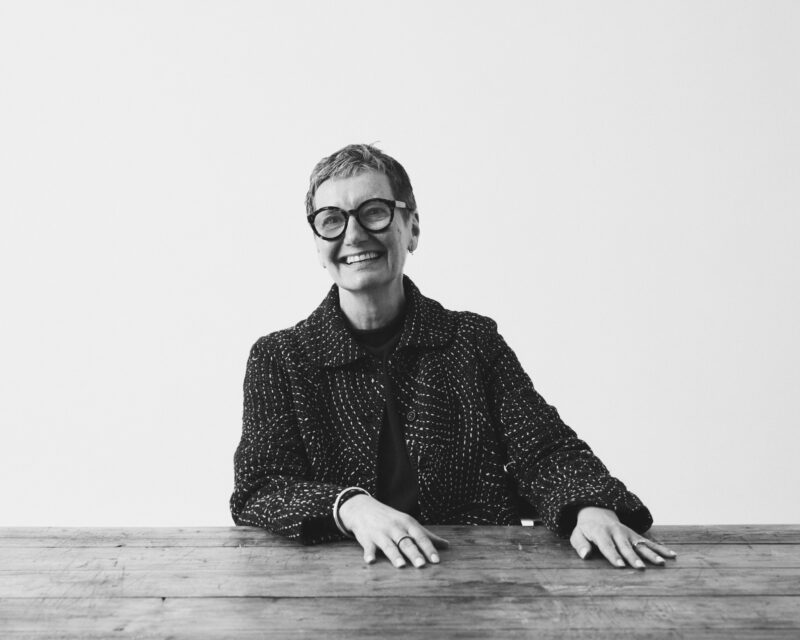
Growing up immersed in a vibrant, creative family, Suzie de Rohan Willner developed a profound, lifelong appreciation for art, design, and meticulous craftsmanship. Today, as the Chief Executive Officer of the conscious lifestyle and clothing brand Toast, that foundational interest continues to shape how she approaches her work, frequently manifesting in unexpected and inspiring ways. Recently, when Toast Creative Director Laura Shippey introduced her to the pioneering work of abstract expressionist Lee Krasner, de Rohan Willner was struck not only by the artist’s unwavering confidence, but by her radical willingness to tear apart earlier works and transform their raw fragments into entirely new, dynamic compositions.
For de Rohan Willner, Krasner’s artistic process bears a clear, undeniable parallel with Toast’s own corporate and creative commitment to extending the life of existing materials. Through ongoing brand initiatives including Toast Repair, Renewed, and Reworn, damaged and unwanted garments are never simply discarded; instead, they become a thoughtful starting point for visible mending, creative alteration, and functional reuse rather than contributing to textile waste. It is an outlook that reflects de Rohan Willner’s broader, deeply rooted interest in material craft, artistic experimentation, and finding fresh, unexpected possibilities in familiar substances.
In a recent feature, Suzie de Rohan Willner joined the Friday Five column to share the artists, architecture, and personal influences that continue to anchor her unique perspective, while also offering an exclusive look at several recent, community-driven Toast projects that embody these very values.
Suzie de Rohan Willner’s Five Creative Inspirations
1. Anni Albers
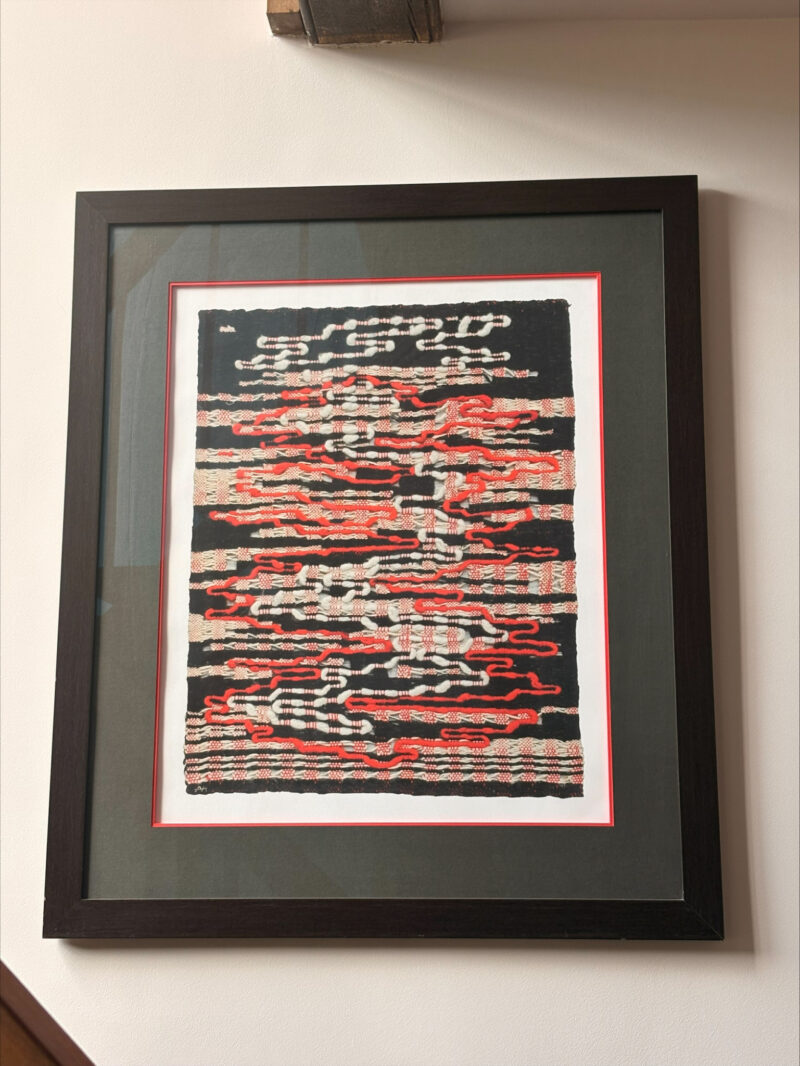
Reflecting on the legendary textile artist, de Rohan Willner notes how Anni Albers fundamentally transformed textiles from a traditional domestic craft into a deeply respected, modern art form. Albers firmly believed that design is best learned through direct, unmediated experimentation with material. Rather than imposing a preconceived notion onto a medium, she always asked what the material wanted to do before asking how it should look. This philosophy of listening to the medium guides much of the material-first ethos seen at Toast today.
2. Ruth Asawa
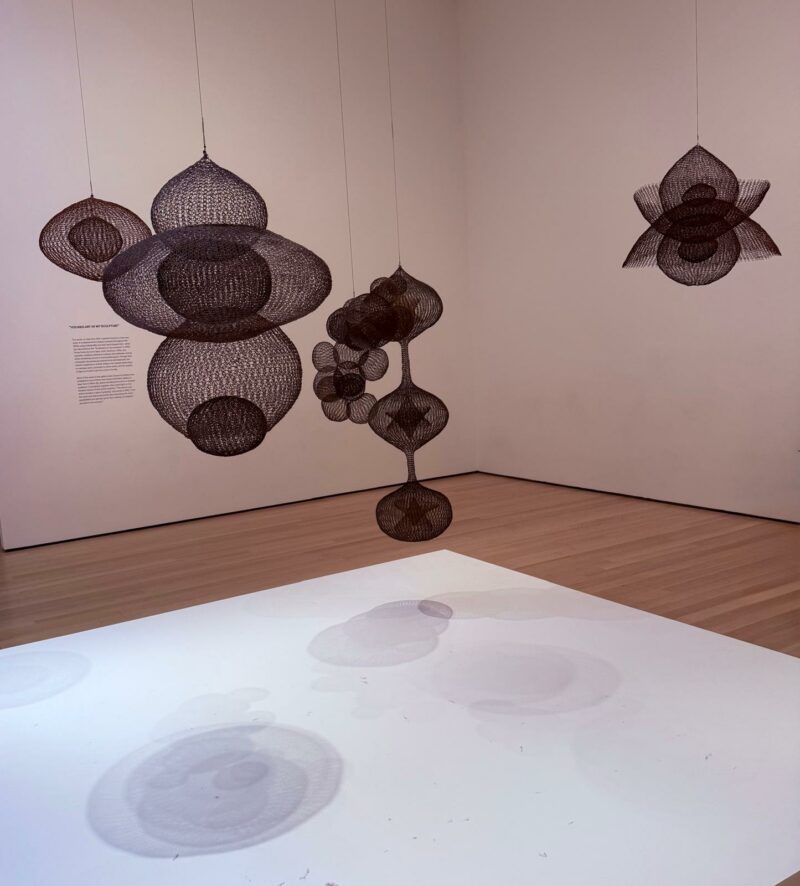
The intricate, looped-wire sculptures of Ruth Asawa offer another powerful source of inspiration. Asawa possessed a rare gift for reimagining an industrial, rigid material as something organic, fluid, and seemingly soft. De Rohan Willner expresses a deep admiration for that inherent tension between strength and lightness—creating forms that feel entirely weightless yet are, in reality, remarkably resilient and far from fragile.
3. The Glass House
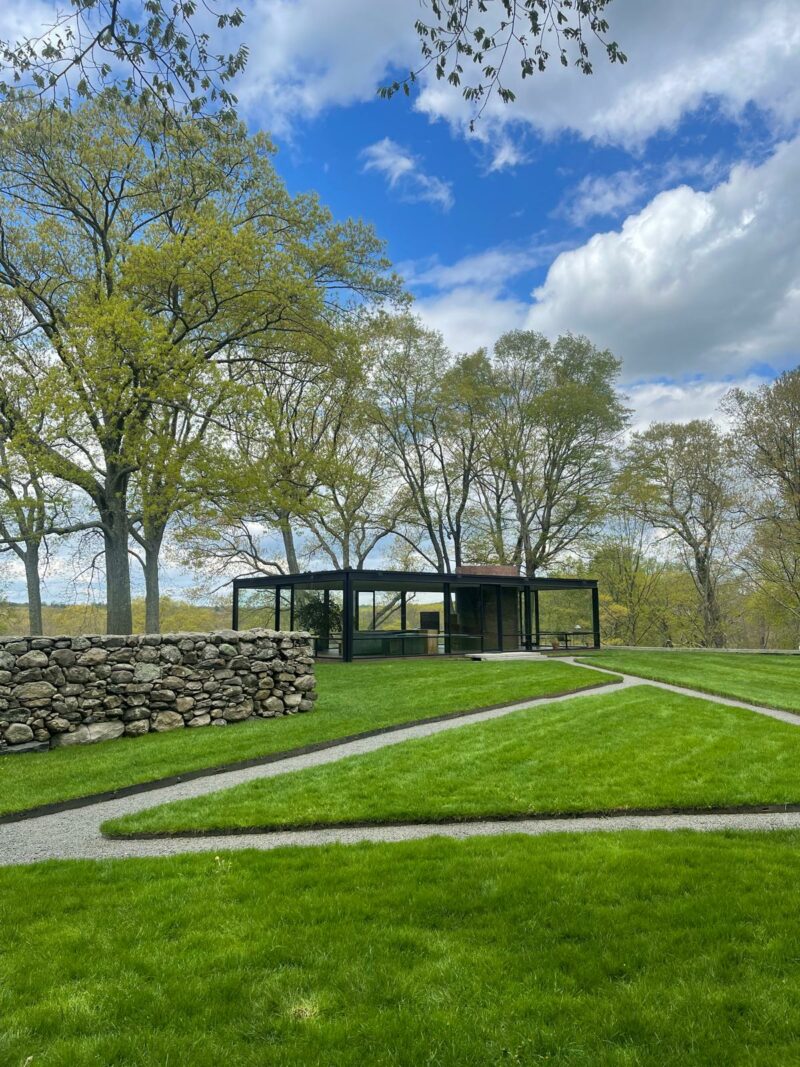
Architect Philip Johnson’s iconic Glass House, nestled in the landscape of New Canaan, Connecticut, represents a masterclass in spatial harmony. By utilizing full-height glass walls, the architecture successfully dissolves the boundary between interior living spaces and the surrounding natural world. For de Rohan Willner, it serves as a powerful reminder that the very best design does not seek to dominate its environment, but rather frames what already naturally exists.
4. Isamu Noguchi
The legendary sculptor Isamu Noguchi moved fluidly and fearlessly across multiple disciplines—spanning stone sculpture, functional furniture, delicate paper lanterns, and expansive public gardens—without ever losing his distinct artistic voice. De Rohan Willner draws profound inspiration from this intentional refusal to be rigidly confined to a single medium, proving that true creativity transcends categorization.
5. The Sculptural Doors at Liverpool Metropolitan Cathedral
Personal history also plays a vital role in shaping de Rohan Willner’s worldview. William Mitchell, her stepfather, was a passionate pioneer of concrete as an artistic medium, championing a brutalist, tactile, and craft-led aesthetic. Mitchell conducted deep historical research into a place’s resonance before answering it with a juxtaposed modernity that leaves viewers breathless. His immense courage and uncompromising vision in his artistic work have stayed with de Rohan Willner throughout her life and career.
Recent Projects and Collections by Toast
Beyond her personal inspirations, de Rohan Willner’s vision comes to life through Toast’s thoughtfully curated collections and public events, which continually bridge the gap between community, landscape, and sustainable craftsmanship.
A Shared Table in Wales
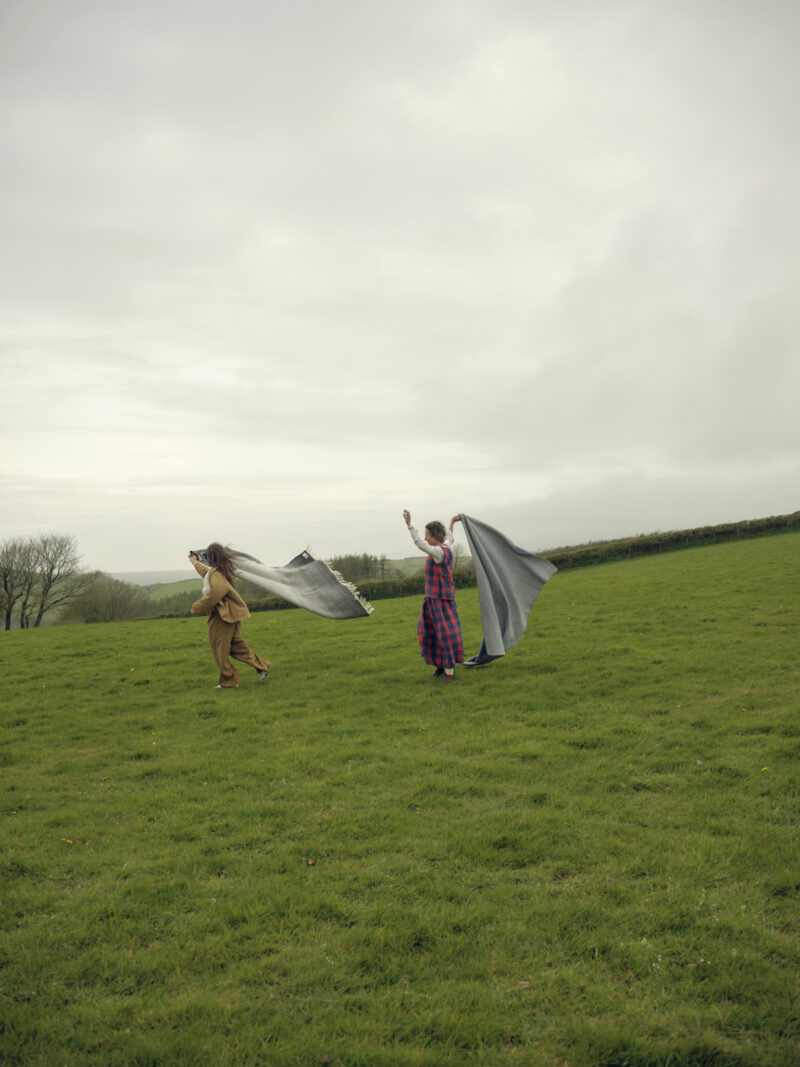
This past spring, to celebrate the launch of Toast’s Spring/Summer 2026 collection, titled A Shared Table, the brand returned to its historic Welsh birthplace. Toast hosted a locally produced luncheon alongside members of its local community on the scenic farmland surrounding Llansteffan Castle. As the brisk wind swept across the hillside—vividly reminding attendees of the inseparable bond between human community and the natural landscape—guests naturally wrapped themselves in Toast blankets to stay warm, experiencing the collection’s core themes in real time.
A Lightness of Being at Somerset House
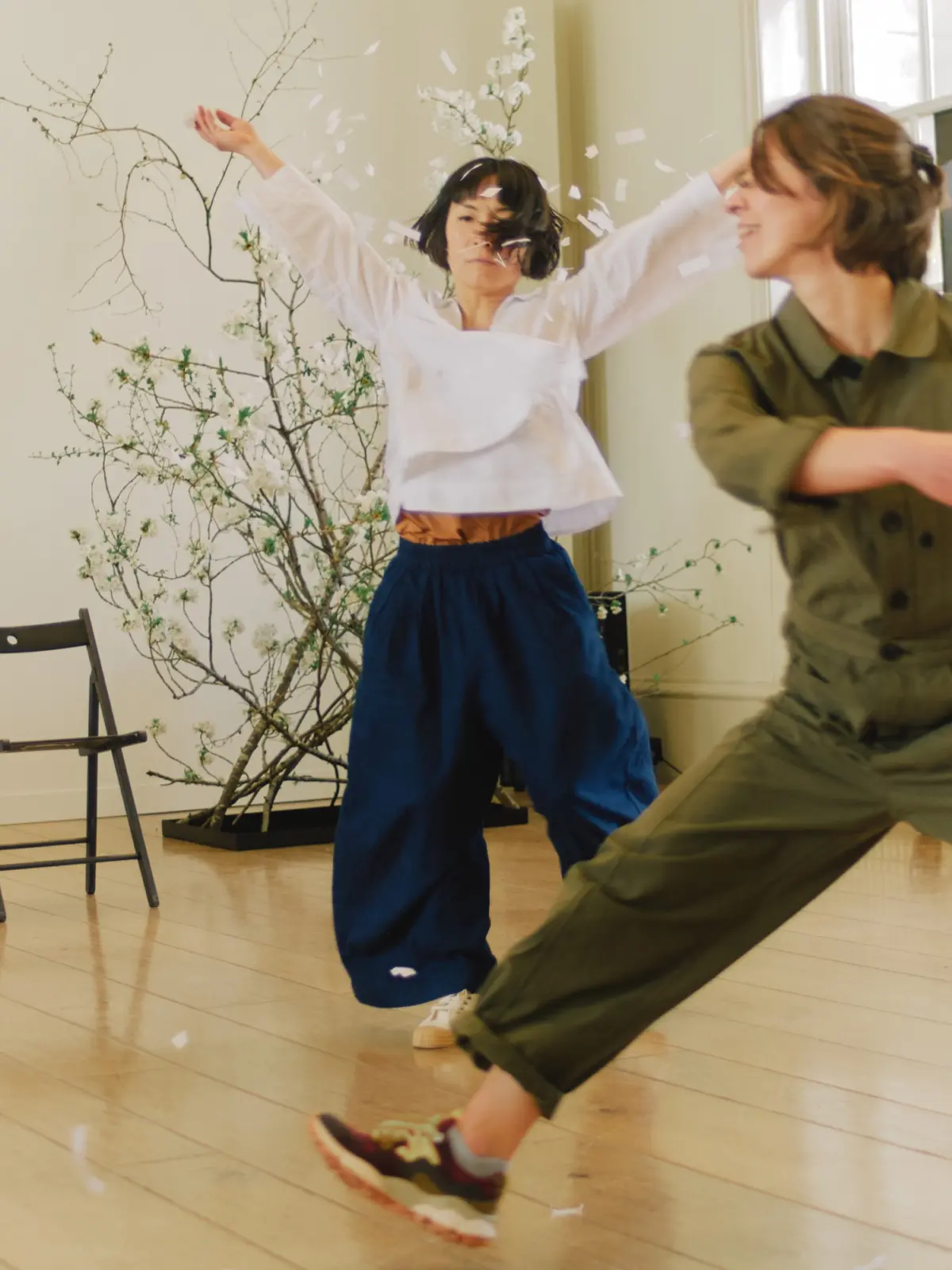
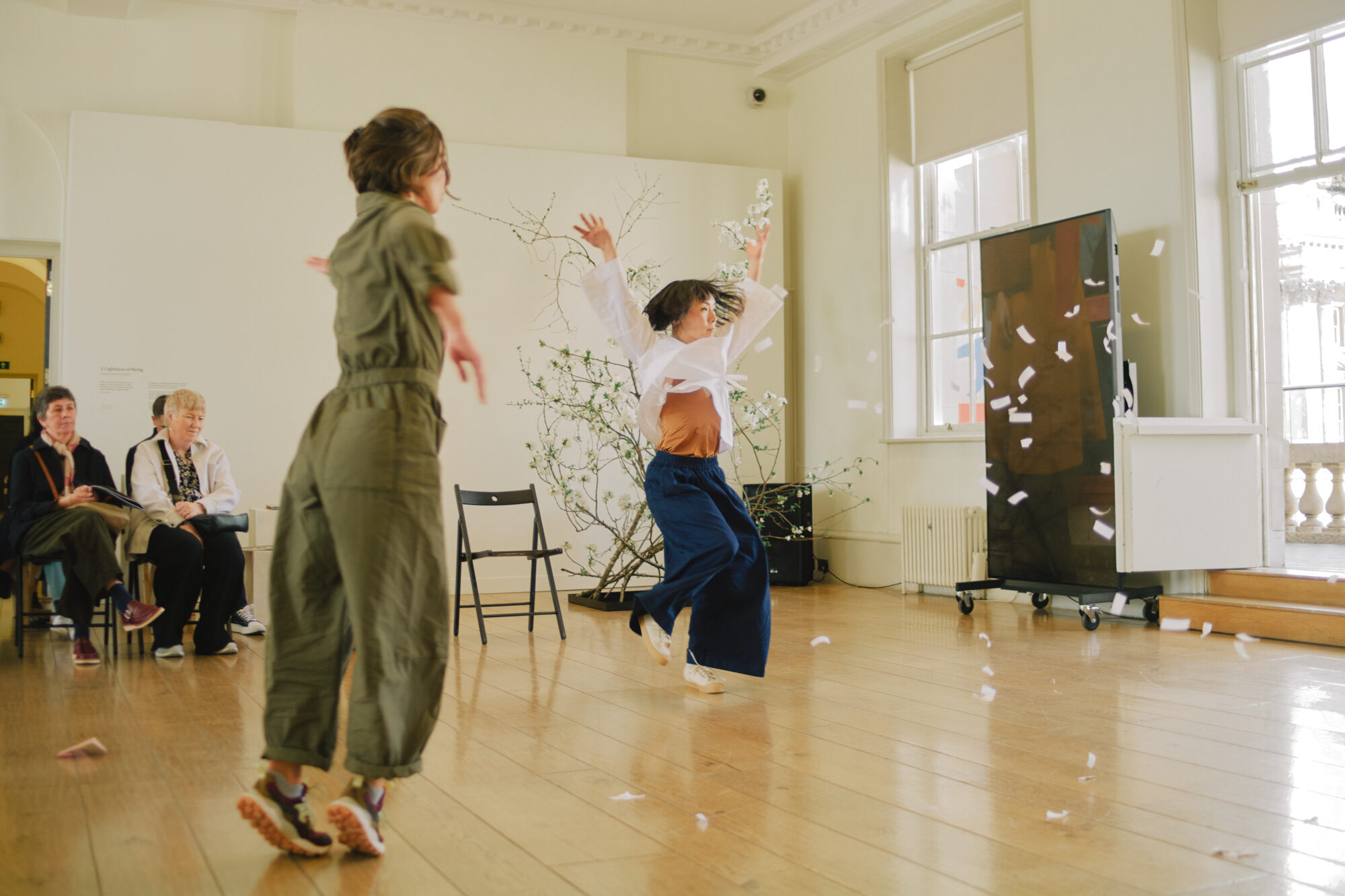
To mark the arrival of the Spring/Summer 2025 collection, A Lightness of Being, Toast gathered members of its creative community at Somerset House in London. The event featured a series of striking installations designed to express the weightlessness of flight, the vast opportunities found in experimentation, and the pure freedom of play. Dancers Francesca Matthys and Masumi Saito, dressed head-to-toe in pieces from the collection, performed an evocative movement piece that explored the intricate intersections of clothing, human creativity, and physical gesture.
Toast Renewed By Meta Struycken
Highlighting the brand’s dedication to circular fashion, de Rohan Willner expresses deep enthusiasm for collaborative pieces created by Dutch textile artist Meta Struycken, whose work frequently explores the intimate scale of miniature garments. For the debut of the first Toast Renewed By capsule collection, Struycken designed eight full-sized garments utilizing returned and damaged Toast items alongside fabric remnants sourced directly from her studio. The resulting pieces demonstrate the immense creative power of repair and renewal, utilizing traditional handcraft techniques such as embroidery, appliqué, and quilting to extend the functional life of garments while elevating repair into an acknowledged art form.
Marking the Turn: Fall/Winter 2026 Collection
Looking ahead, the central theme of Toast’s Fall/Winter 2026 collection is Marking the Turn. This seasonal exploration focuses on the rituals and rites of passage that signal human movement through the turning of the calendar year, particularly spotlighting moments of communal gathering. Each garment in the collection represents a distinct moment in the quiet transition from the warmth of summer into the crisp air of autumn and the deep chill of winter. By translating the rich language of traditional folk customs through contemporary handcraft techniques, thoughtful color palettes, and silhouettes that honor the simple, enduring functionality of the past, Toast continues to weave its foundational values of art, design, and sustainability into the very fabric of its work.