





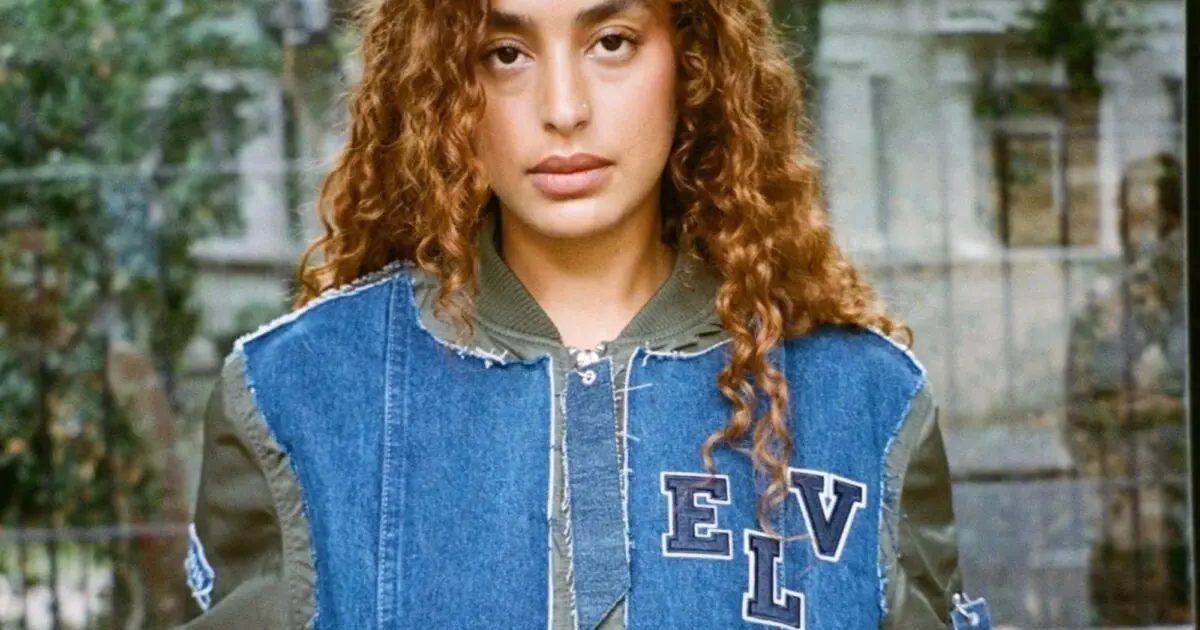
From the structured curves of barrel jeans to classic straight-leg cuts and relaxed oversized silhouettes, denim trends continuously evolve on the global fashion calendar. Yet, despite the rapid cycling of seasonal styles, the fabric itself and the iconic jean as a garment remain enduring pillars of modern fashion. Woven with a characteristic twill structure designed to withstand heavy wear and tear, a well-fitting pair of jeans has historically been capable of anchoring a wardrobe for years.
However, much like any other material in the contemporary apparel industry, denim comes with complex sustainability challenges. Environmental and ethical considerations span multiple stages of the supply chain, including resource extraction, intensive dyeing processes, and the complexities of circular design. As consumers increasingly demand accountability, a growing cohort of transparent denim brands are working to address their environmental and social footprints across global markets.
Denim: From Rugged Workwear to Global Fashion Trend
The origins of denim are deeply rooted in utility rather than fleeting aesthetic trends. Jeans were originally engineered for manual laborers who required exceptionally hardy garments capable of enduring the relentless friction and heavy stress of industrial work. Consequently, longevity—long recognized as a cornerstone of sustainable design—was embedded into the fabric of the garment from its inception.
This durability was cemented in 1873 when Levi Strauss, the proprietor of a San Francisco wholesale fabric house, joined forces with tailor Jacob Davis. The pair engineered a reinforcement method by adding metal rivets to the stress points of pocket corners, securing a patent that made the style remarkably resilient to intense physical labor. Some authentic pairs from these early production eras survive to this day, serving as tangible proof of the material’s inherent strength.
Fast-forward to the present day, and the landscape of denim has shifted dramatically. A new denim style graces international runways every season, introducing shifting aesthetics such as barrel, balloon, and bootcut legs, alongside intentionally distressed finishes designed to mimic the natural wear and tear that older pairs would have accumulated over years of use. Frequently, these trend-driven garments are not built to last a lifetime in the manner of original workwear; instead, they serve as temporary additions designed to bridge the gap until the next micro-trend cycle takes hold.
How Sustainable Is Modern Denim?
Discussions surrounding the environmental impact of denim are frequently anchored by widely cited statistics detailing the immense volume of water required to produce a single pair of jeans. A persistent challenge within these conversations is that many of these figures stem from older estimates with obscure origins, rendering them difficult to verify as absolute facts. Furthermore, such generalized metrics often overlook critical dimensions of a garment’s lifecycle, including supply chain labor standards and end-of-life disposal options.
What remains scientifically certain is that the manufacturing of denim materials and garments demands substantial inputs of energy and water. The process begins with the cultivation and irrigation of cotton before harvesting, spinning into yarn, and dyeing. Traditionally, dyeing relies on indigo, utilized in either synthetic or natural forms—with the latter frequently demanding significantly higher water consumption.
Once dyed, the yarns are woven on looms in a distinctive twill pattern to establish the recognizable denim textile. Manufacturers then cut and sew these fabrics into finished items, ranging from classic trousers to jackets and dresses. This protracted supply chain features numerous stages capable of yielding severe social and environmental consequences. These range from high water footprints and chemical mismanagement—which has historically resulted in sludge-ridden rivers near unmonitored production facilities—to urgent labor concerns within factory settings.
Compounding these environmental hurdles are the synthetic cotton blends prevalent in contemporary denim. While these fiber combinations provide stretch and enhanced softness, they introduce significant technical barriers to textile recycling. If a pair of blended-fiber jeans cannot be repurposed or reworn, it is exceptionally difficult to recycle, ultimately driving the garment toward landfill disposal.
Pure cotton alternatives offer more straightforward pathways for recycling, though hardware components like metal rivets and zippers continue to complicate end-of-life processing. Despite these hurdles, denim remains a fundamentally robust material. When cared for correctly, a quality pair of jeans can endure for decades, prompting industry advocates to encourage consumers to view their next denim purchase as a long-term investment rather than a disposable commodity.
Global Brands Pioneering Sustainable Denim
Across North America, Oceania, Europe, and Asia, a select group of independent labels and established houses are redefining denim production through transparency, localized manufacturing, and innovative material science.
In North America, brands like Triarchy utilize closed-loop production systems that recycle a significant percentage of water by capturing and reusing the thick indigo-laden sludge typically discarded by conventional factories. Other regional leaders include Outerknown, founded by surf champion Kelly Slater, which integrates Bluesign certification and Fair Labour Association partnerships to protect natural resources. Meanwhile, 4kinship, spearheaded by Diné creative Amy Denet Deal, focuses on upcycled and restored vintage clothing while supporting community and youth empowerment initiatives such as the Diné Skate Garden Project for Navajo youth. Minimalist anchors its operations in New York City, producing lower-impact ready-to-wear pieces designed for eventual recycling while supporting fair wages in local factories. In Canada, certified B Corp Kotn partners with local agricultural communities in the Nile Delta to fund school infrastructure and educational resources.
In Oceania, Outland Denim creates premium pieces while providing viable employment and training pathways for women rescued from human trafficking in Cambodia. New Zealand-based Kowtow champions organic, fair trade cotton alongside non-toxic dyes for its tailored collections, while Melbourne-based Elk integrates simplicity, sustainability, and independent design principles into its bi-annual collections.
European markets host a diverse array of innovators, ranging from the UK’s Lucy & Yak, known for its playful, inclusively sized handmade dungarees and unisex apparel, to Akyn, founded by sustainable fashion advocate Amy Powney to produce timeless womenswear using lower-impact materials. Non specializes in raw selvedge denim designed for longevity, while OMNES focuses on accessible, responsible high-quality womenswear. Spain’s amt. studio prioritizes localized production and recycled materials, while established Swedish label ASKET focuses on a permanent collection model that bypasses seasonal trends. In Portugal, ISTO. emphasizes transparency by revealing the true production costs of its organic wardrobe staples. Amsterdam-founded G-Star RAW continues to innovate within raw denim standards, aiming to minimize its environmental footprint across global operations.
Finally, in Asia, Japanese label 9-jour specializes in naturally dyed, low-impact selvedge denim manufactured locally and to order, effectively minimizing energy consumption and overproduction compared to traditional fast-fashion supply chains.