






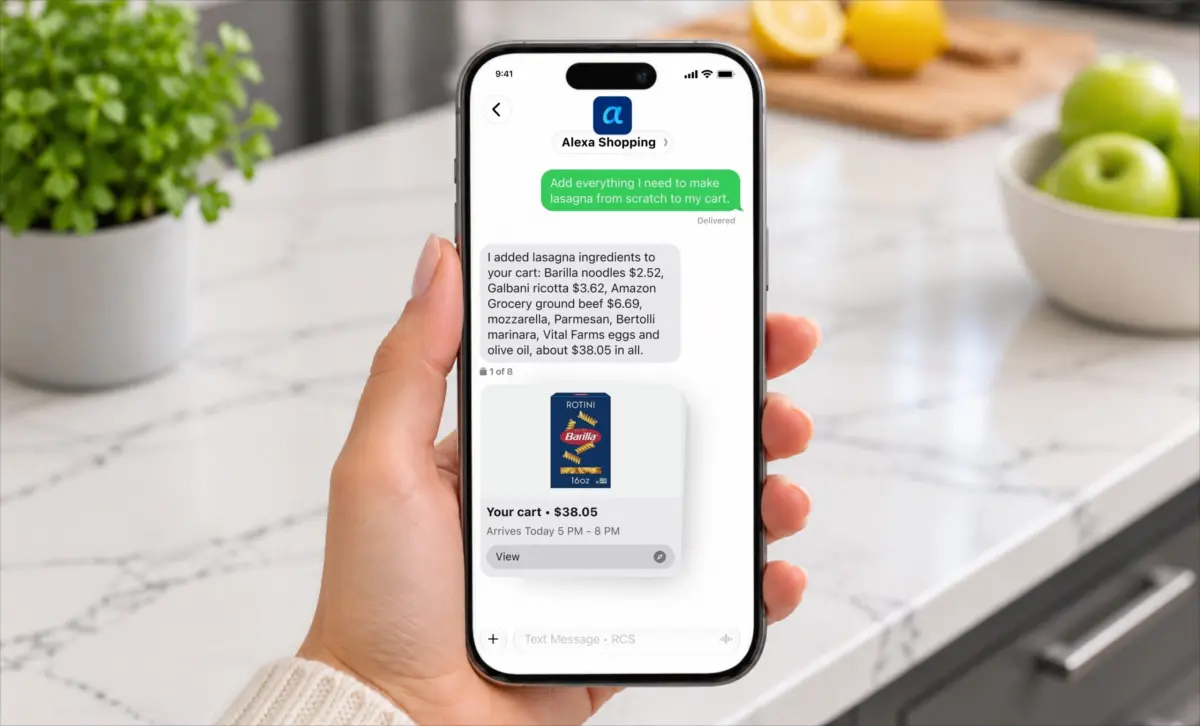
Amazon is jumping into the most popular bandwagon for interacting with artificial intelligence agents: texting. The e-commerce giant announced on Friday that it is launching a new feature that allows customers to chat directly with its flagship AI assistant, Alexa, over text messages to streamline and simplify their shopping experience. The move mirrors how consumers already interact with emerging AI agents like Muse or Instinct, bringing conversational commerce straight to standard text threads.
The strategic rollout arrives just before the onset of the highly competitive holiday shopping season, a critical period for both online retailers and consumer tech companies. It also closely follows a major platform boundary enforcement by Amazon, which blocked Meta’s Muse AI agent from querying its e-commerce site back in September. As proprietary ecosystems tighten control over their data and infrastructure, Amazon is positioning its own conversational tools as the definitive gateway for consumers looking to navigate its vast marketplace.
According to the company, select U.S. customers will begin receiving an introductory text message inviting them to enable the new shopping feature. Those granted immediate access can simply text Alexa to engage in natural language queries to handle virtually every step of the retail journey. Users can search for specific items, ask for recommendations, add products directly to their digital shopping carts, and complete purchases entirely through text conversations without needing to open the Amazon mobile application or visit the website.
This text-based agent builds directly upon recent shopping-focused upgrades rolled out to the broader Alexa ecosystem. Because of these underlying architectural updates, the messaging interface can effortlessly manage customer shopping lists, keep active tabs on fluctuating prices, search for items across the wider web, compare competing products side-by-side, and check real-time delivery and order statuses. Furthermore, the system supports visual search capabilities: users can share a photograph of an item they like or a picture of someone wearing a specific outfit to prompt Alexa to search for matching or similar listings available on Amazon.

Over time, the e-commerce titan stated, Alexa will learn individual user preferences based on past interactions, browsing history, and purchase habits, allowing the AI to offer proactive suggestions and personalized recommendations tailored to each shopper’s unique taste.
For consumers who are not among the initial group of users selected for the rollout, Amazon has established an online waitlist where interested shoppers can sign up for early access. The company indicated that the text-based shopping feature will be rolled out more broadly to a larger audience in the coming weeks.
The launch underscores a broader industry shift as the market for consumer-focused AI agents rapidly balloons. Platforms across the technology and retail sectors are building and refining their own proprietary agents to capture this new avenue of user interaction and transaction. However, integrating autonomous agents into commercial platforms remains a complex and evolving challenge.
Last month, delivery and logistics company DoorDash revealed that third-party AI agents had collectively only placed several hundred orders on its platform since the technology’s inception. In response to these early metrics, DoorDash announced that it plans to concentrate its efforts on developing its own native text-based agent, which was launched in September to allow users to order food directly through messaging.
As tech companies race to define the future of conversational commerce, Amazon’s deployment of text-based Alexa shopping marks a significant escalation in how everyday consumers will discover, evaluate, and purchase goods online moving forward.