






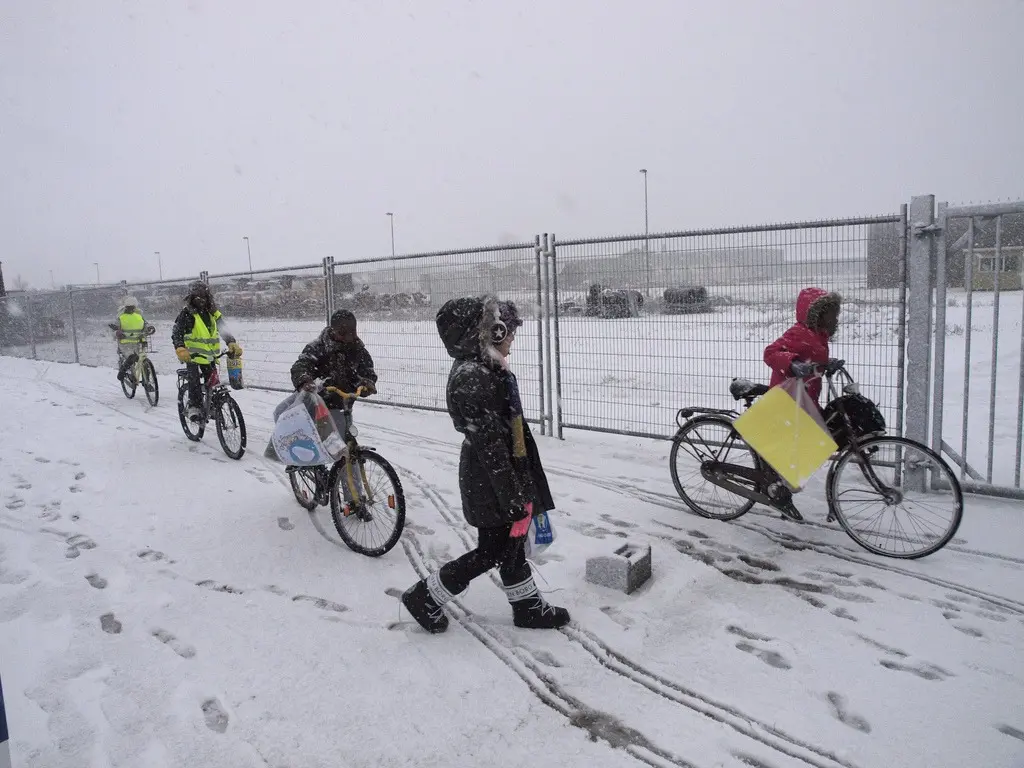
September 21, 2026 — Children residing within the Dutch emergency asylum system are being subjected to living conditions that are not only profoundly unsafe and dangerous, but which also directly violate international law. That is the stark conclusion of a comprehensive two-year investigation released today by the Dutch Safety Board, painting a harrowing picture of what life is genuinely like for young people caught in the bureaucratic limbo of the Netherlands’ ongoing reception crisis.
The independent investigative body focused its extensive review on the precarious daily reality faced by approximately 7,000 children currently living in temporary crisis accommodations across the country while they await the adjudication of their families’ asylum claims. For these children, temporary solutions have frequently warped into long-term residency, stripping away stability during formative years of their development.
According to the findings of the report, the physical and psychological toll on these minors is immense. The Dutch Safety Board documented that children living in these facilities experience constant, disruptive noise and a total lack of personal privacy, environments that are fundamentally ill-suited for growing minds and bodies. More alarmingly, the investigation highlighted a severely heightened risk of both physical and sexual violence within these overcrowded and often poorly supervised provisional spaces.
In response to the gravity of these findings, the safety board has issued a stern demand to the immigration ministry, calling for sweeping, systemic reforms to be enacted within the next crucial six months. The board insists that the current trajectory is untenable and that the government must pivot rapidly to protect the most vulnerable demographic within the national asylum chain.
"Emergency shelter is not normal. It was initially intended for a short period, but by now, children sometimes live in emergency shelters for years," said Chris van Dam, chairperson of the Dutch Safety Board, in a sharply worded official statement accompanying the report’s release.
The crisis highlighted by the board is systemic and widespread. Statistics outlined in the investigation reveal that more than 60 percent of all asylum seekers in the Netherlands are now being housed in provisional, makeshift "emergency" accommodations. Rather than traditional reception centers, thousands of vulnerable families and their children find themselves crammed into vacant commercial office buildings, docked ships, cavernous event halls, and temporary container homes hastily erected to stave off total system failure. These spaces, designed for rapid processing and short-term transit, lack the infrastructure required for long-term habitation, let alone the specialized support services that traumatized or displaced children desperately require.
The Dutch Safety Board has made it abundantly clear that cosmetic fixes will no longer suffice. The organisation is demanding a comprehensive, structural solution to the deeply entrenched shelter problems plaguing the nation. Furthermore, the board has outlined immediate, concrete improvements that must be implemented within existing emergency facilities. These include the establishment of a strict maximum length of stay for any child in temporary housing, alongside the rigorous enforcement of baseline quality and safety standards that align with international human rights obligations.
As the immigration ministry digests the findings of the two-year probe, pressure is mounting from child advocacy groups, legal experts, and the public to ensure that the safety board’s six-month ultimatum marks a turning point for the thousands of children currently weathering the storm in the Dutch asylum system.