





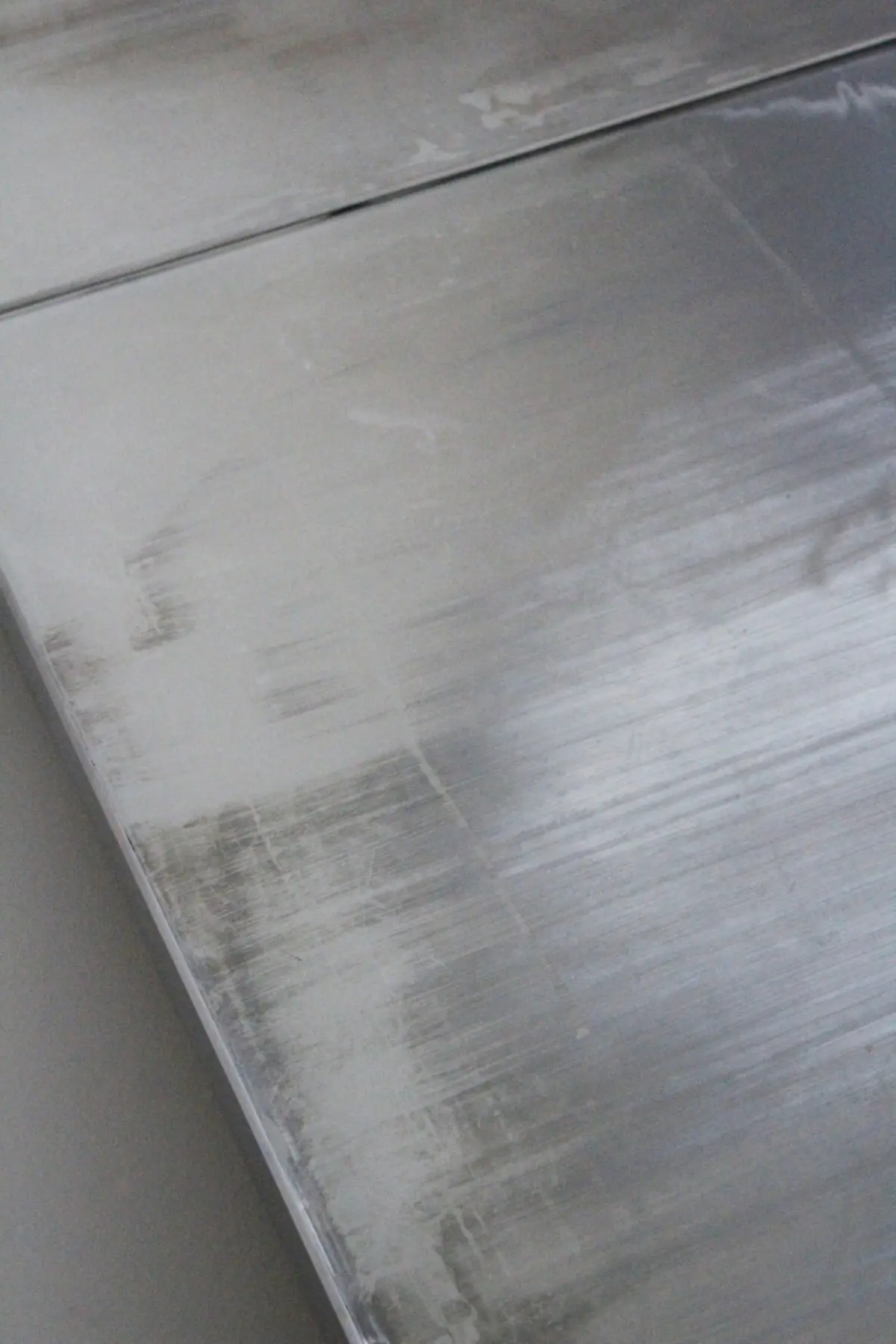
A compelling new body of work from Hungarian artist Boldizar Senteski has officially arrived at StudioTwentySeven in New York City, bringing a striking exploration of time, material, and decay to the contemporary design scene. Titled the Erosion Collection, the newly debuted triptych consists of handmade mirrors shaped directly by oxidation, corrosion, and the relentless passage of time. Rather than serving merely as conventional reflective surfaces designed for practical utility, these pieces are engineered as active agents of transformation, inviting observers to look past their own reflections and engage with the intricate chemical and physical processes happening across the glass and framing.
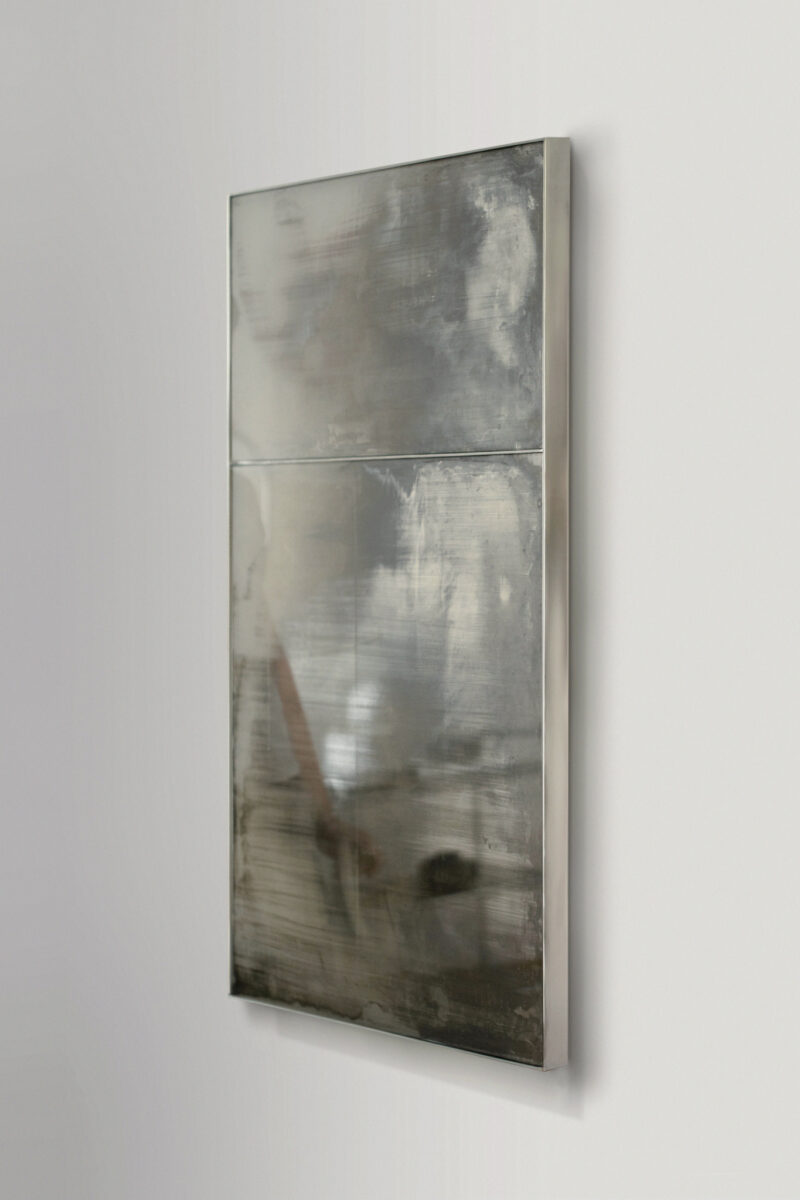
The collection bridges the ambiguous, fertile space where art and design intersect, challenging traditional boundaries by allowing functional objects to transcend their everyday utility and evolve into sculptural, highly expressive forms. Framed in sleek, highly polished stainless steel that provides a sharp, industrial contrast to the distress of the surfaces within, the mirrors draw deep inspiration from the rugged textures of the urban environment. Senteski looks closely to Brutalist architecture, raw concrete facades, and weather-beaten city materials to inform the aesthetic DNA of the series. Through a meticulous and multi-layered process involving silvering, oxidation, and repeated chemical treatments, the surfaces undergo a continuous metamorphosis that defies static categorization.
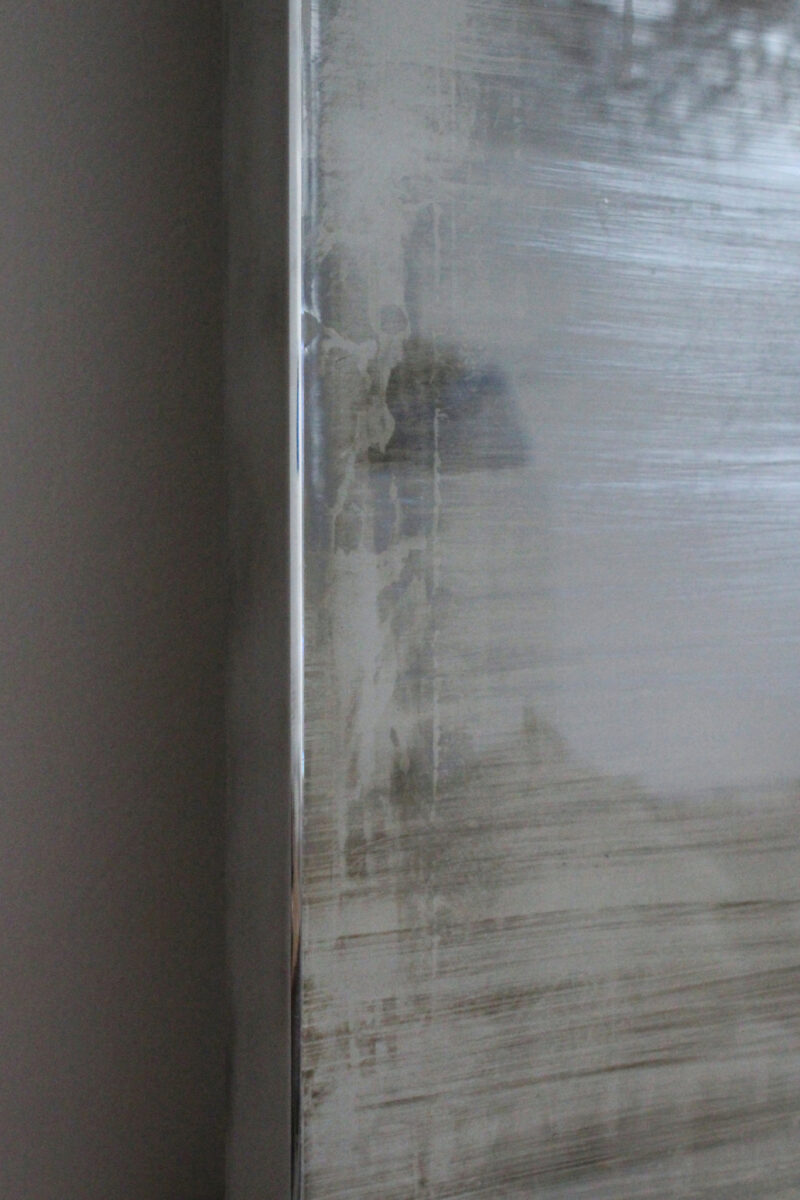
Reflecting on the conceptual origins of the project, Senteski explains that his fascination with decay and metropolitan landscapes deeply informed the work. “I’ve always been drawn to the urban environment; the way it carries the marks of time and holds a record of its own transformation,” Senteski says. “I wanted to capture the beauty of change with this new collection, using oxidation and corrosion as a way of allowing time to become part of the work itself.”
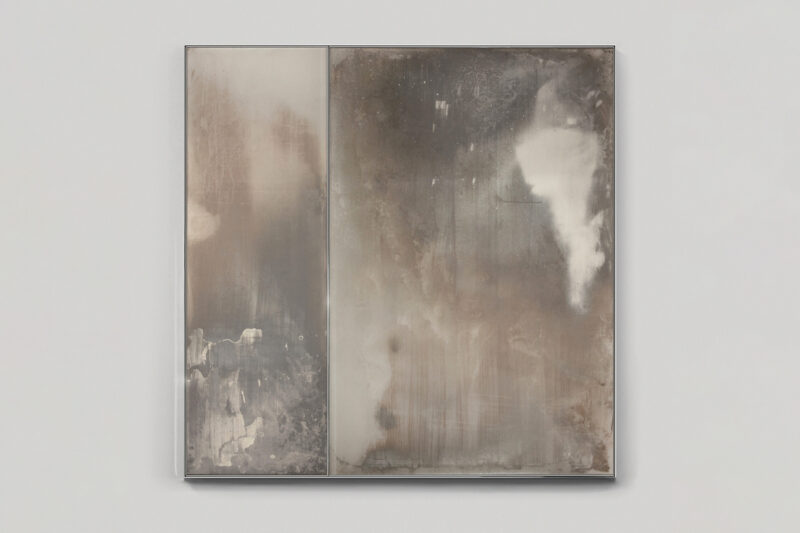
In practice, bringing the Erosion Collection to life requires a delicate, highly nuanced balance between artist intent and unpredictable material behavior. Senteski does not seek to micro-manage the final appearance of the mirrors; instead, he acts as a facilitator who sets up the initial conditions and then steps back to let nature and chemistry take their course. “I establish the conditions for the process to unfold but ultimately allow the material to shape itself. There’s something special about the way each piece finds its own form,” the artist notes, emphasizing the organic nature of the craft. “Every mirror in the collection is unique, carrying traces that can never be replicated.”
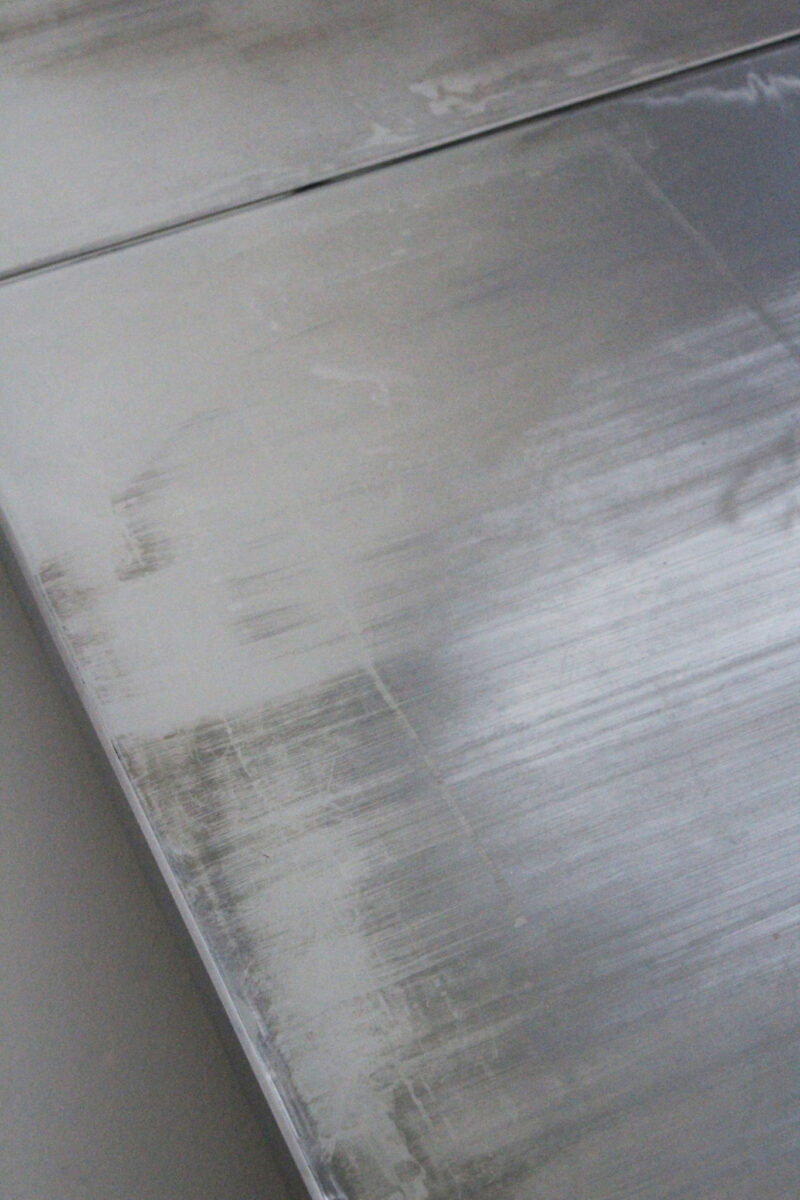
Handcrafted in Hungary by the artist, each of the three mirrors in the triptych stands as an entirely singular work of art. Every piece is signed by Senteski and accompanied by a formal certificate of authenticity, cementing its status as both a collectible design object and a museum-quality sculptural piece. The collection is available exclusively through StudioTwentySeven in New York City, with pricing details provided upon request by the gallery.
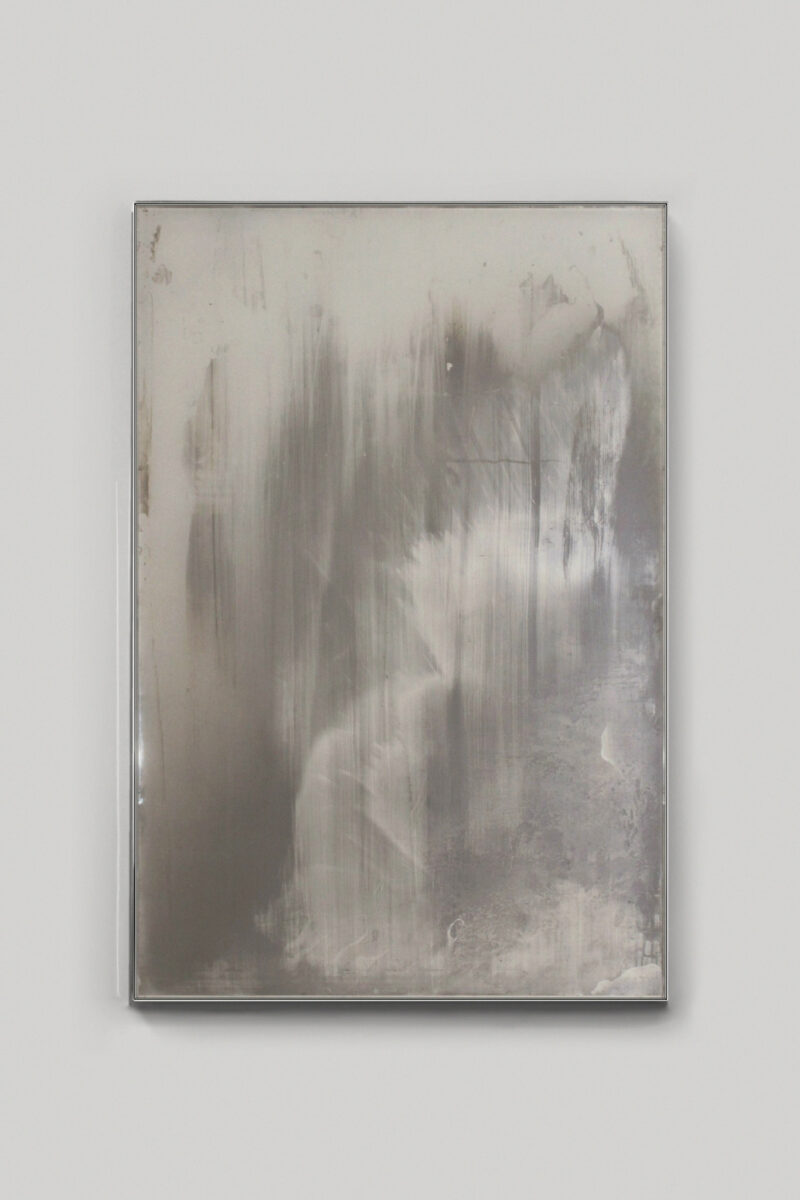
At StudioTwentySeven, the exhibition of Senteski’s work offers visitors an encounter with the shifting boundaries between solid object and fluid reflection. The mirrors challenge viewers to reconsider how interior elements can function not just as decor, but as living artifacts that bear the scars and beauty of time, process, and raw chance. Through this striking new triptych, Senteski continues to solidify his reputation as a visionary creator who finds profound aesthetic value in the inevitable cycles of urban erosion and material decay.