




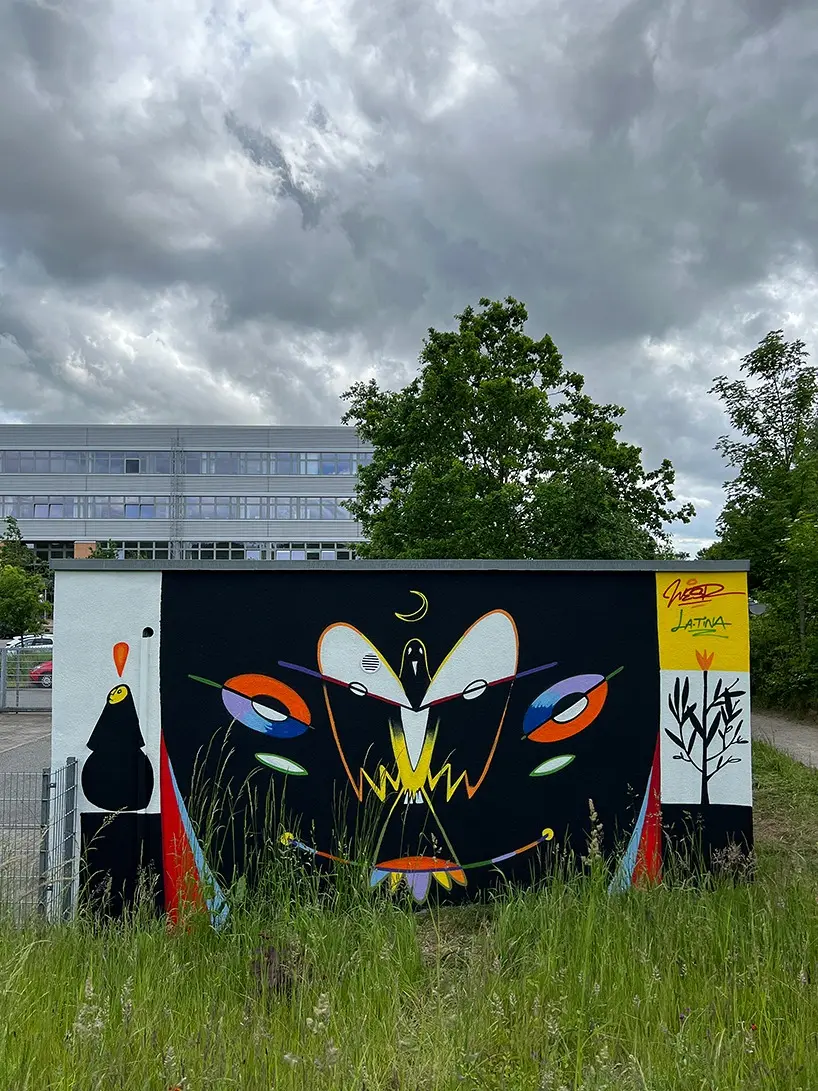
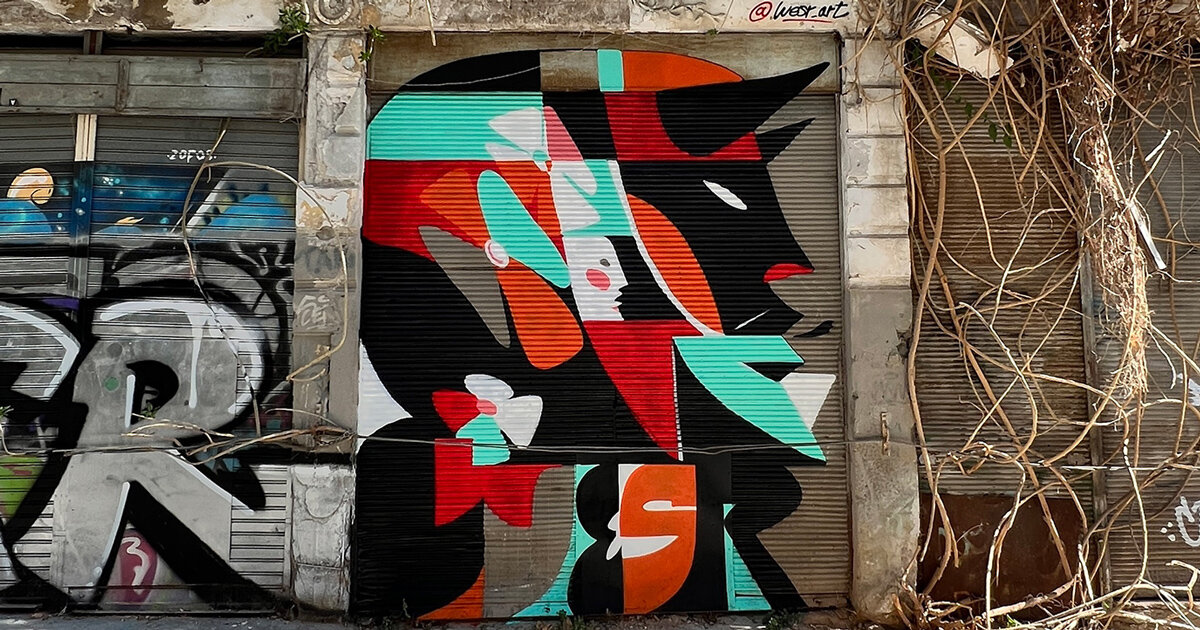
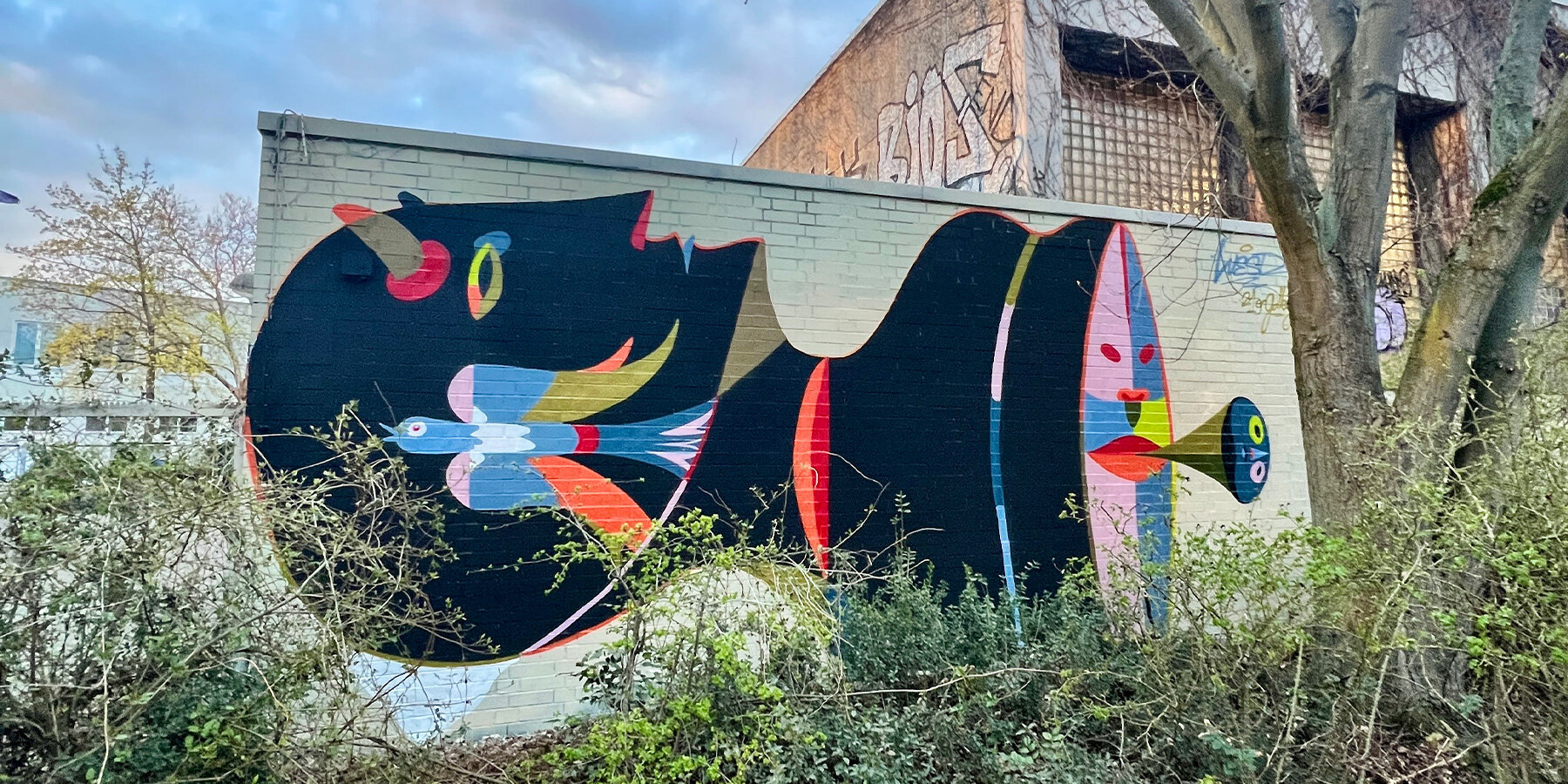
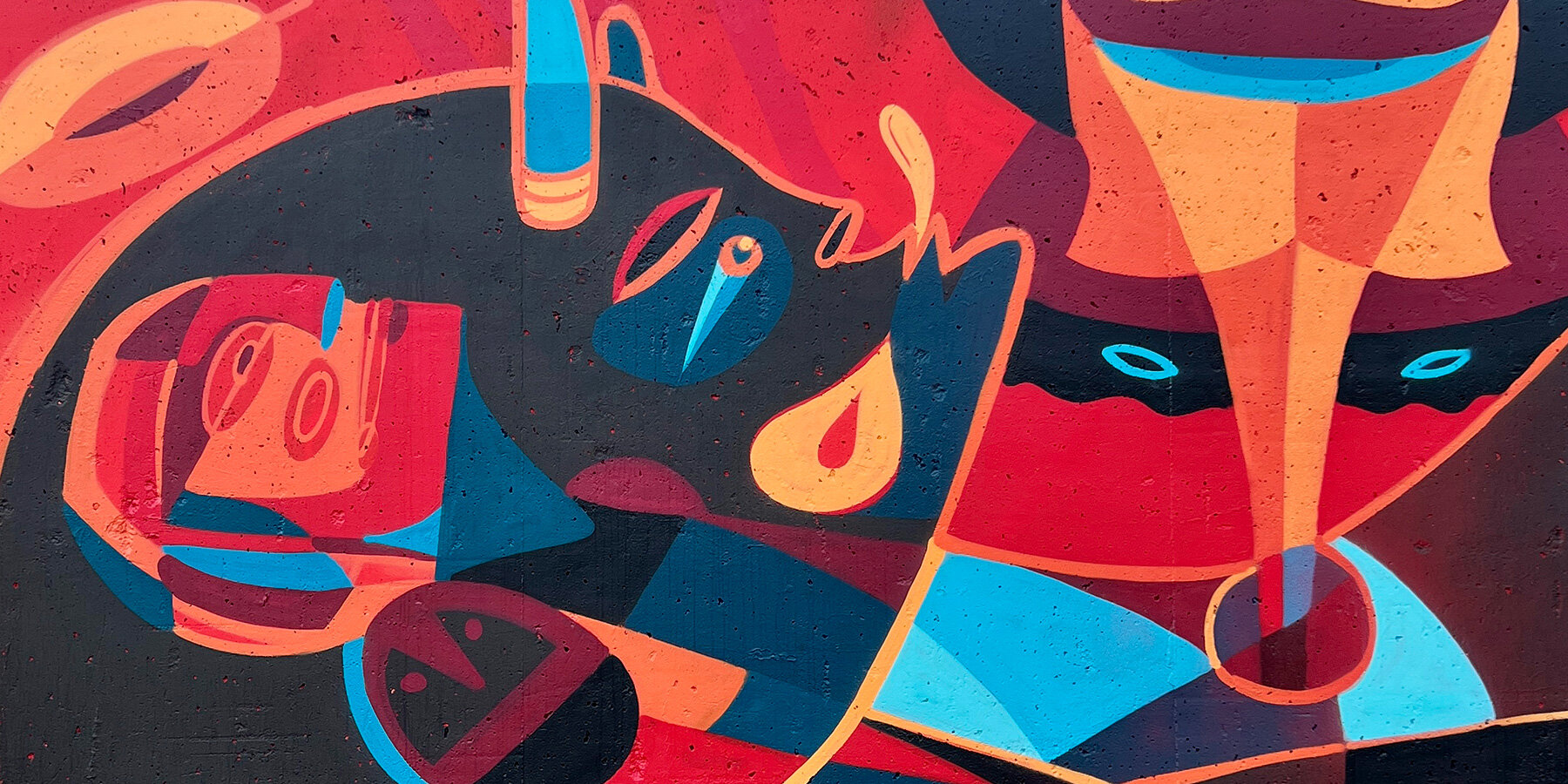
The intersection of ancient heritage and contemporary public art has long served as a powerful medium for cultural expression, transforming concrete environments into living archives of indigenous history. In recent projects, the deep-rooted traditions, folklore, and mythological narratives of the Andean region have taken center stage, breathing new life into modern urban landscapes. By integrating traditional iconography, ritualistic masks, and depictions of ancestral spirits into large-scale murals and environmental designs, contemporary creators are successfully weaving Peruvian cultural references directly into the fabric of the modern city.
At the heart of this artistic movement lies a profound respect for Andean cosmology, where stories, mythology, and ritual dictate the flow of imagery across vast architectural surfaces. Rather than treating history and modernity as opposing forces, these urban interventions demonstrate how ancient belief systems can actively shape and enrich new urban environments. The resulting murals and installations act as visual bridges, connecting past generations of Andean storytellers with the modern inhabitants of expanding cities who navigate these spaces on a daily basis.
This resurgence of cultural storytelling in public spaces arrives amidst a broader global dialogue on how contemporary art interacts with architecture, urban infrastructure, and historic heritage. Across the international art and design landscape, cities are increasingly welcoming projects that challenge the sterile nature of industrial concrete and glass, replacing monotony with deeply personal, culturally resonant narratives.
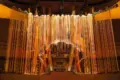
Within this vibrant global context, several major international art events and installations have similarly captured public attention, highlighting a shared desire to fuse raw architecture with dynamic, sensory-driven artistic interventions. For instance, the evolving sound installation by Céleste Boursier-Mougenot recently transitioned from its indoor iterations in Paris and New York to the outdoor landscapes of Athens. Entitled Clinamen, the project places a floating ceramic orchestra within an open-air environment where water, porcelain architecture, and unpredictable weather patterns merge to become integral components of the acoustic composition. This ongoing dialogue between natural elements, human-made materials, and structural surroundings mirrors the ethos seen in contemporary muralism, where external factors continually influence the presentation of art.
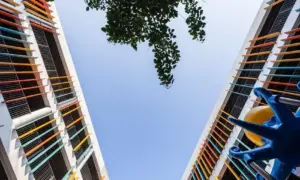
Similarly, the Swiss artist Renée Levi recently made waves by transforming the brutalist facade of London’s Hayward Gallery as part of an Audemars Piguet Contemporary commission. By applying striking fluorescent painting techniques across industrial mesh and raw concrete, Levi successfully recontextualized a formidable piece of brutalist architecture. Her temporary installation relies heavily on architecture, human movement, and the shifting atmospheric conditions of the city to complete its visual impact, demonstrating how surface treatments can fundamentally alter the psychological and visual weight of urban structures.
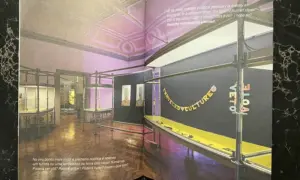
In Milan, the fusion of commerce, history, and spatial design reached new heights with the unveiling of the Prada Galleria. Spanning eight distinct floors inside the historic Galleria Vittorio Emanuele II, the multi-faceted destination successfully brings together retail spaces, the Pradasphere archival exhibition, the historic pastry expertise of Marchesi 1824, and the cultural programming of Fondazione Prada. This ambitious project underscores a growing architectural and cultural trend: the creation of immersive environments where fashion, art, history, and daily life seamlessly intertwine under one roof.
Meanwhile, the preservation and celebration of indigenous visual culture continue to find vital expression in publishing and academic research. A notable example is the collaborative effort between GUNIA and Assouline, which resulted in a comprehensive visual history of Eastern European folk art entitled Naïve My Love: Ukrainian Folk Art of the 20th Century. Bringing together rare paintings, intricate textiles, traditional decorative objects, and archival materials gathered through years of dedicated research across Ukraine, the project serves as a testament to the enduring power of vernacular art and the critical importance of documenting historical cultural practices before they fade from public memory.
When viewed collectively, these diverse international projects—from the integration of Andean mythology into modern urban murals to the architectural transformations seen in Athens, London, and Milan—point to a unified cultural movement. Artists and designers are increasingly looking backward to indigenous traditions and localized histories while simultaneously pushing forward into new technological, material, and spatial territories. Whether manifested through the rhythmic hum of floating porcelain in Greece, the fluorescent vibrancy of Swiss painting on British concrete, the multi-layered luxury spaces of Milan, or the profound storytelling embedded within Peruvian-inspired street murals, contemporary design continues to prove that our built environments are most powerful when they reflect the rich, complex tapestries of human heritage and collective memory.