




The definition of fashion accessories—or accessoires, as they are traditionally known—has undergone a fascinating transformation over the centuries, evolving from deeply functional, everyday tools carried by both men and women into modern statements of style and luxury. While contemporary fashion often views accessories as the finishing touches to an outfit—such as a designer handbag, a sleek belt, or a sophisticated piece of jewelry—historically, these items served a much more utilitarian, hands-on purpose. Long before the invention of pockets or modern carryalls, personal
accessories were vital instruments, often worn suspended from the waist or carried close at hand to meet the immediate demands of daily life.
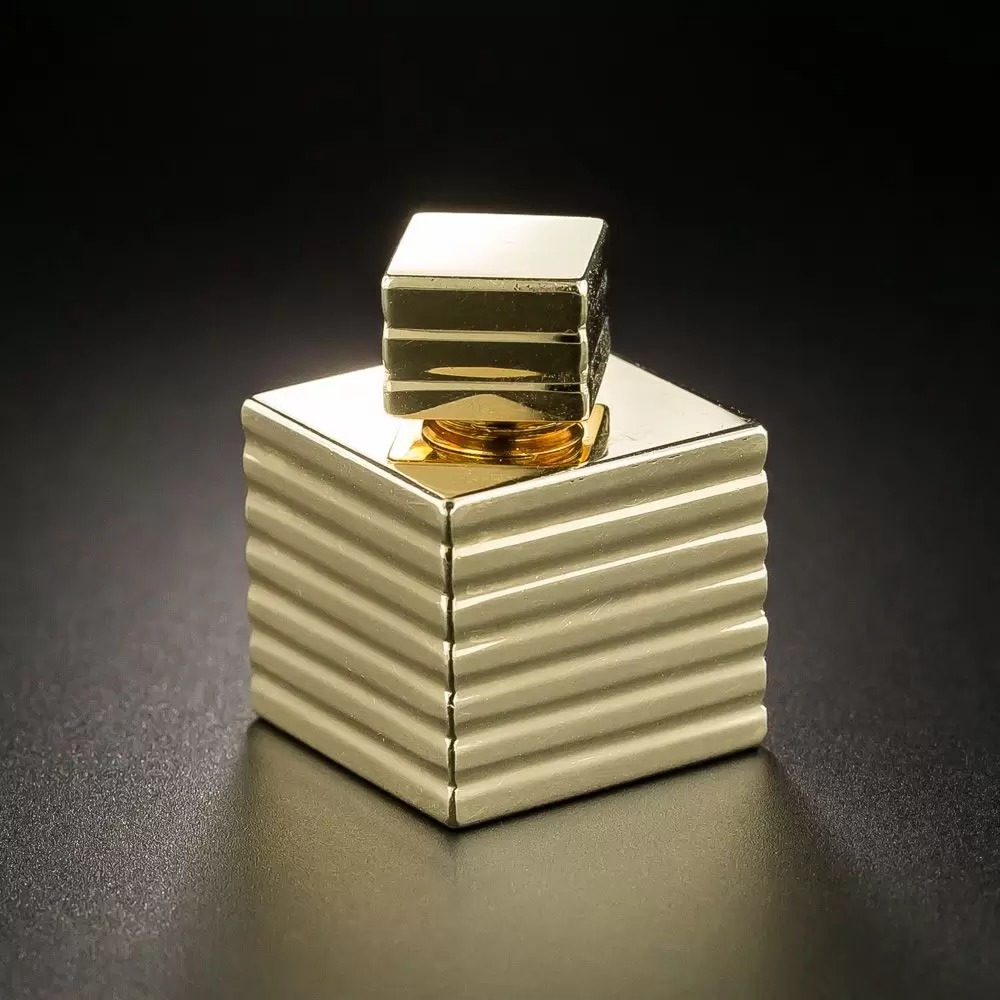
To understand the lineage of modern accessories, historians and antique jewelry experts look back to a time when items worn on the person were marvels of miniaturized craftsmanship and practical utility. In past centuries, particularly during the Georgian, Victorian, and Edwardian eras, what we now classify as accessories were frequently referred to as utensils or nécessaires. These were indispensable items designed to assist with various daily tasks, ranging from minor clothing repairs to personal grooming and letter writing.
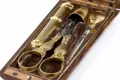
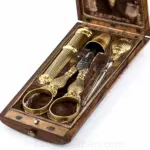
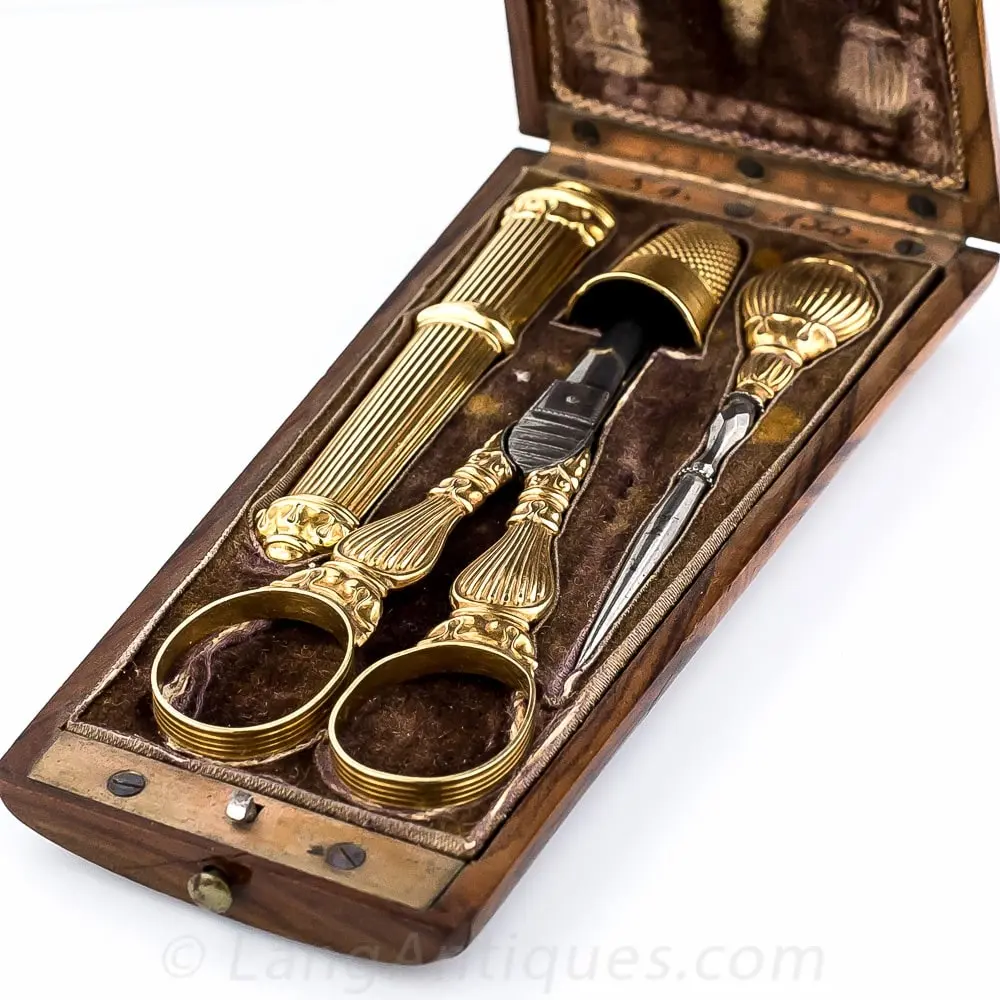
Rather than being tucked away in a bag, these historical implements were prominently displayed. They were frequently suspended from a châtelaine—an ornamental belt hook or clasp worn at the waist from which a series of short chains hung—or attached securely to a pocket watch chain. A typical châtelaine served as a portable toolkit for the lady of the house, holding everything a person might need during social calls or household management. Suspended from these decorative chains one might find an étui, a small, elegant ornamental case designed to hold delicate instruments such as sewing gear, small pencils, pocket knives, miniature scissors, and tweezers.
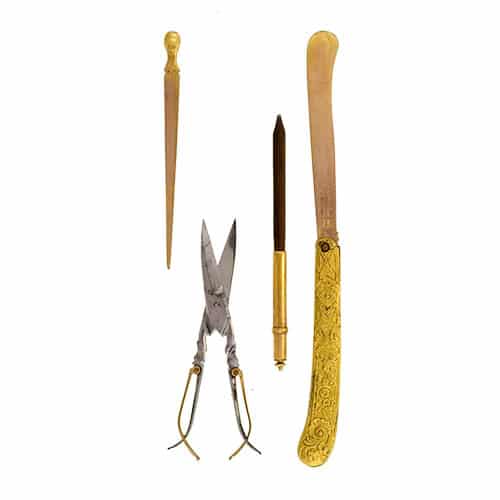
Alongside the étui, other specialized containers and items were common sights on a well-appointed châtelaine. Pomanders, which held aromatic substances to combat unpleasant odors in public spaces or to ward off perceived diseases, were widely used. These items were not merely functional; they were crafted from precious metals, encrusted with gemstones, or intricately chased and engraved, serving as a distinct status symbol that signaled the wearer’s refinement, taste, and social standing. Similarly, the équipage—a coordinated suite of functional items suspended from a châtelaine or watch chain, often including watches, seals, and specialized boxes—demonstrated the high level of artistry applied to everyday objects.
As societal norms shifted and fashion evolved into the 20th century, the role of personal accessories began to change as well. The bulky, multi-tool châtelaines of earlier centuries fell out of favor, making way for more streamlined and compact items tailored to the rhythms of modern life. Yet, the underlying concept of the accessoire—an item worn or carried that combines utility with personal expression—remained entirely intact.
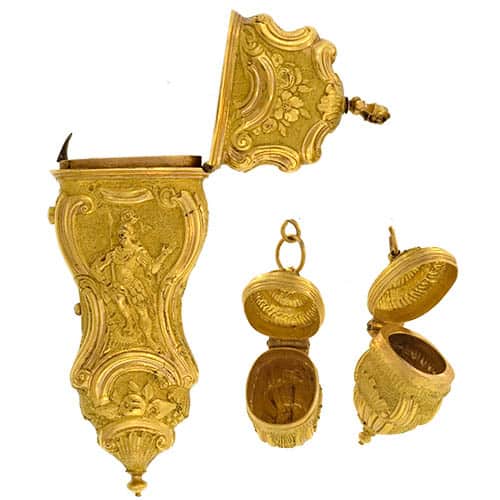
In more contemporary contexts, the term accessoire shifted to encompass a new vocabulary of personal items designed for the mid-20th-century lifestyle. This modern era introduced items such as the decorative compact for pressed powder, sleek lipstick cases designed to protect and display cosmetics, and refined cigarette cases crafted from precious metals or enamel. Another quintessential item of this period is the minaudière—a small, rigid evening handbag often resembling a jeweled case, designed to hold minimal essentials like cosmetics, keys, and coins while serving as a piece of fine jewelry in its own hand.
Alongside these specialized carrying cases, the broader category of accessories continues to embrace traditional items that complete an ensemble. Belts, contemporary handbags, scarves, and various other fashion items used to tie a complete look together are all direct descendants of this rich sartorial tradition. Whether examining an 18th-century gold-fitted sewing kit housed in an exquisite antique box or analyzing the clean lines of an Art Deco cigarette case and nécessaire, the fundamental purpose of the accessoire has always bridged the gap between daily necessity and personal ornamentation.
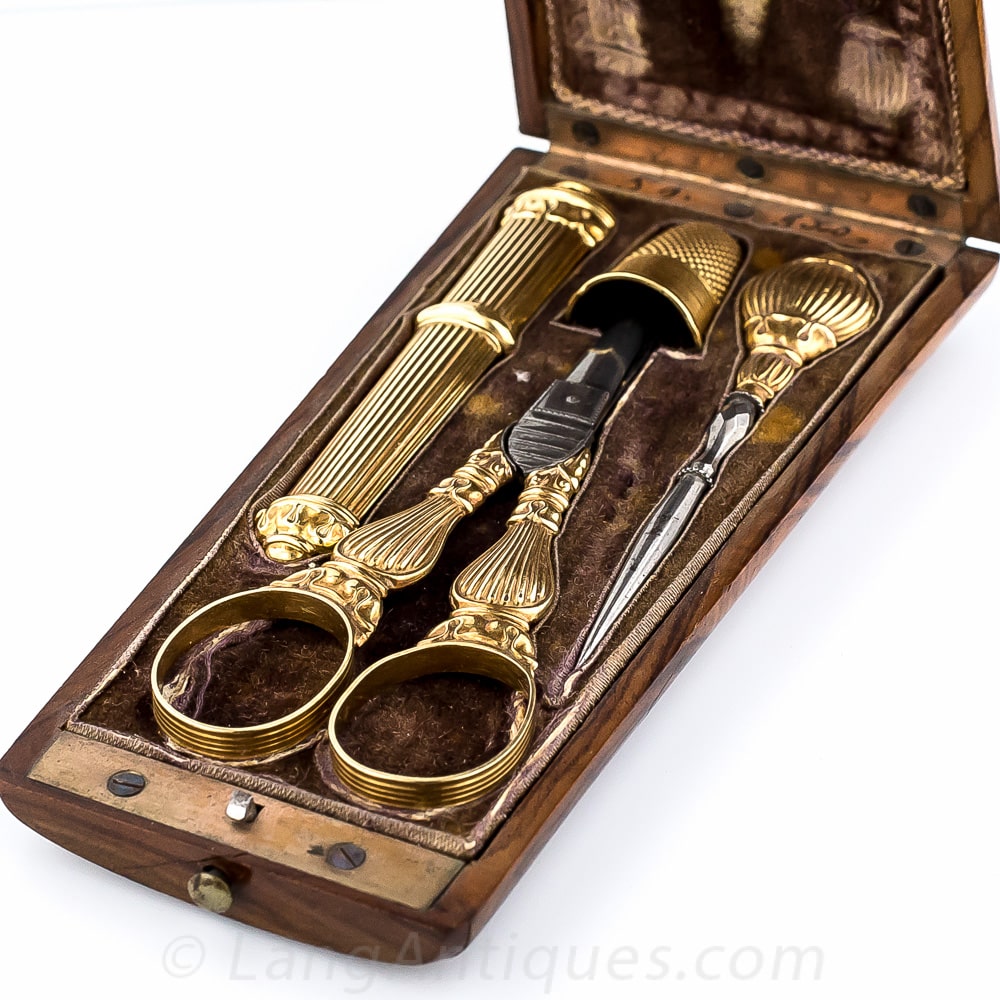
Today, antique accessories and the intricate tools of the châtelaine era remain highly sought after by collectors and museums alike, offering a tangible window into the daily lives, material culture, and decorative arts of past generations. From the ornate, utilitarian étuis and pomanders of the 1700s to the glamorous compacts and minaudières of the mid-20th century, these objects continue to captivate enthusiasts of historic jewelry and fashion history, illustrating how the small details of what we carry with us have always told a larger story about who we are.