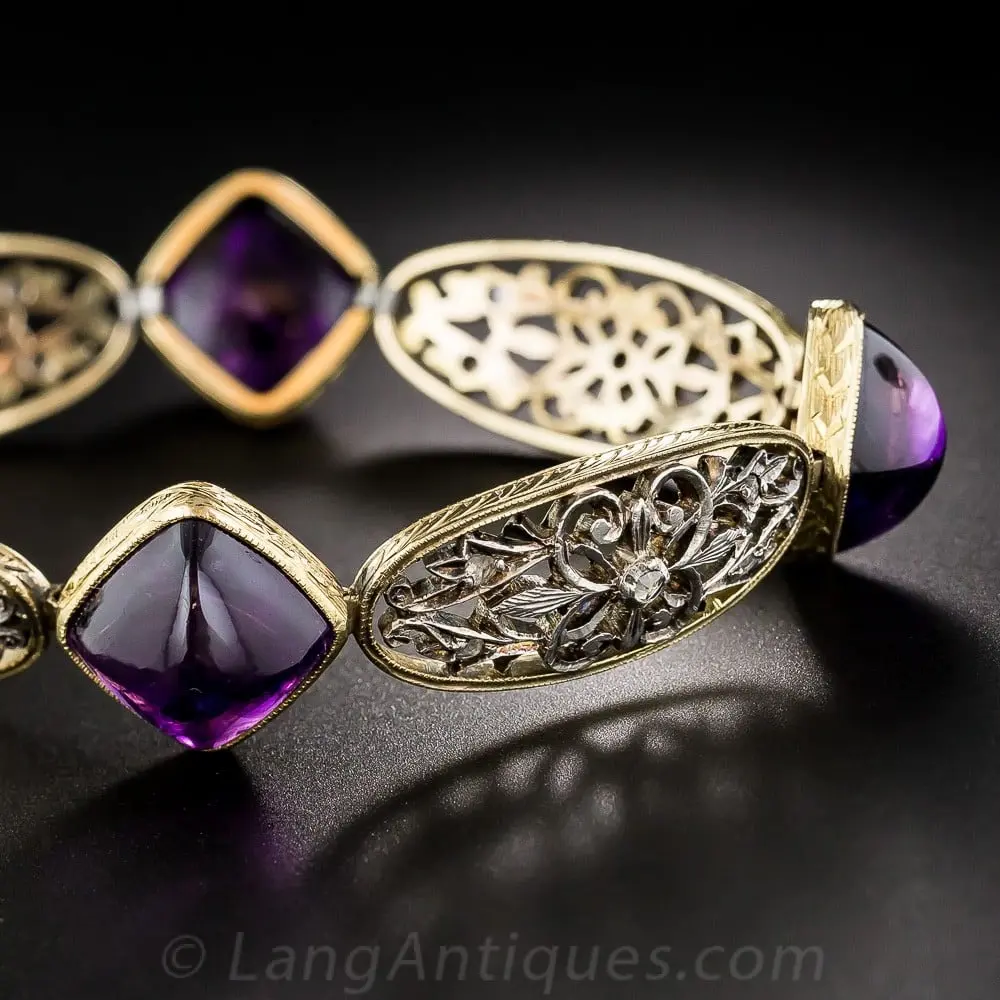






Throughout the history of fashion and personal adornment, accessories have served a dual purpose: they are both decorative statements and highly functional tools designed to meet the daily needs of the wearer. In the French lexicon, these items are broadly categorized as accessoires—implements and embellishments worn or carried to complete an ensemble while fulfilling a practical role. From the ornate, utilitarian instruments suspended from historical waist-ornaments to the sleek, sophisticated items carried in modern evening bags, the evolution of the accessory reflects shifting societal norms, technological advancements, and changing styles of dress.
The Historical Evolution of Functional Adornments
In earlier centuries, particularly during the periods when pockets were not sewn directly into garments in the manner modern clothing features today, carrying necessary daily implements required ingenious solutions. Both men and women relied on specialized tools and containers that could be conveniently worn on the person.
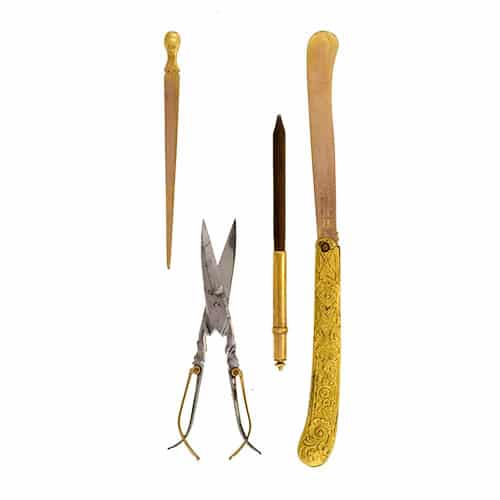
Historically, many of these personal utensils were known as nécessaires—comprehensive sets of small, often luxurious items required for grooming, sewing, or writing. Rather than being tucked away in a bag, these items were frequently suspended directly from a châtelaine, a decorative belt hook or clasp worn at the waist. From the châtelaine hung a series of delicate chains, each bearing a specific tool or container. A companion piece often seen alongside these items was the pomander, a perforated container filled with aromatic substances used to mask unpleasant odors and ward off disease in eras predating modern sanitation.
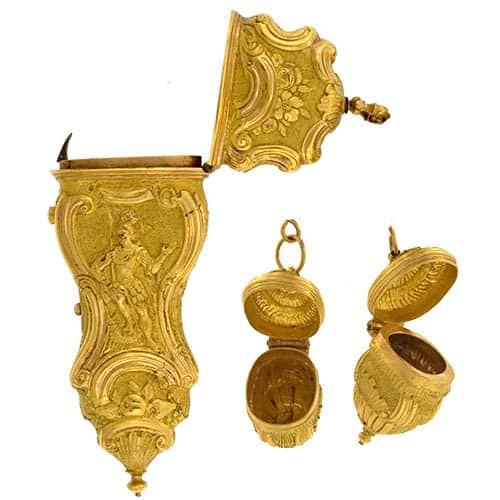
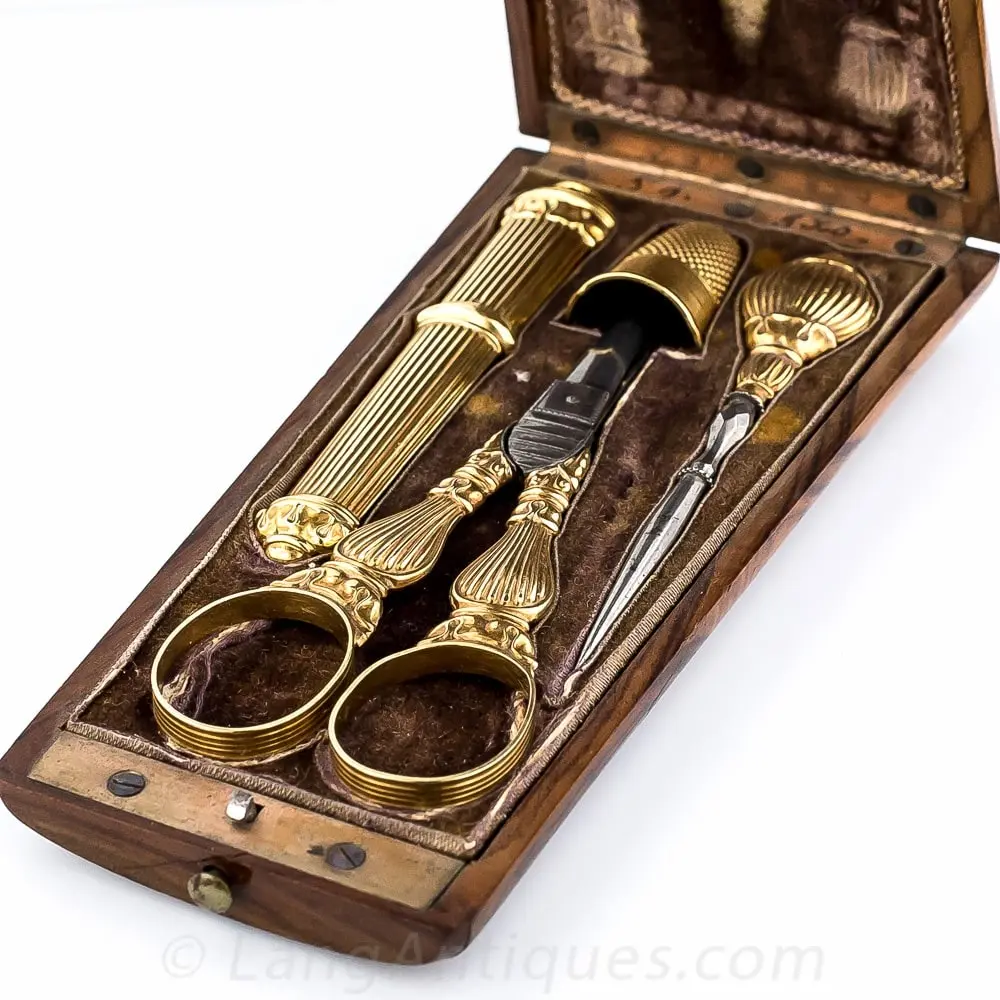
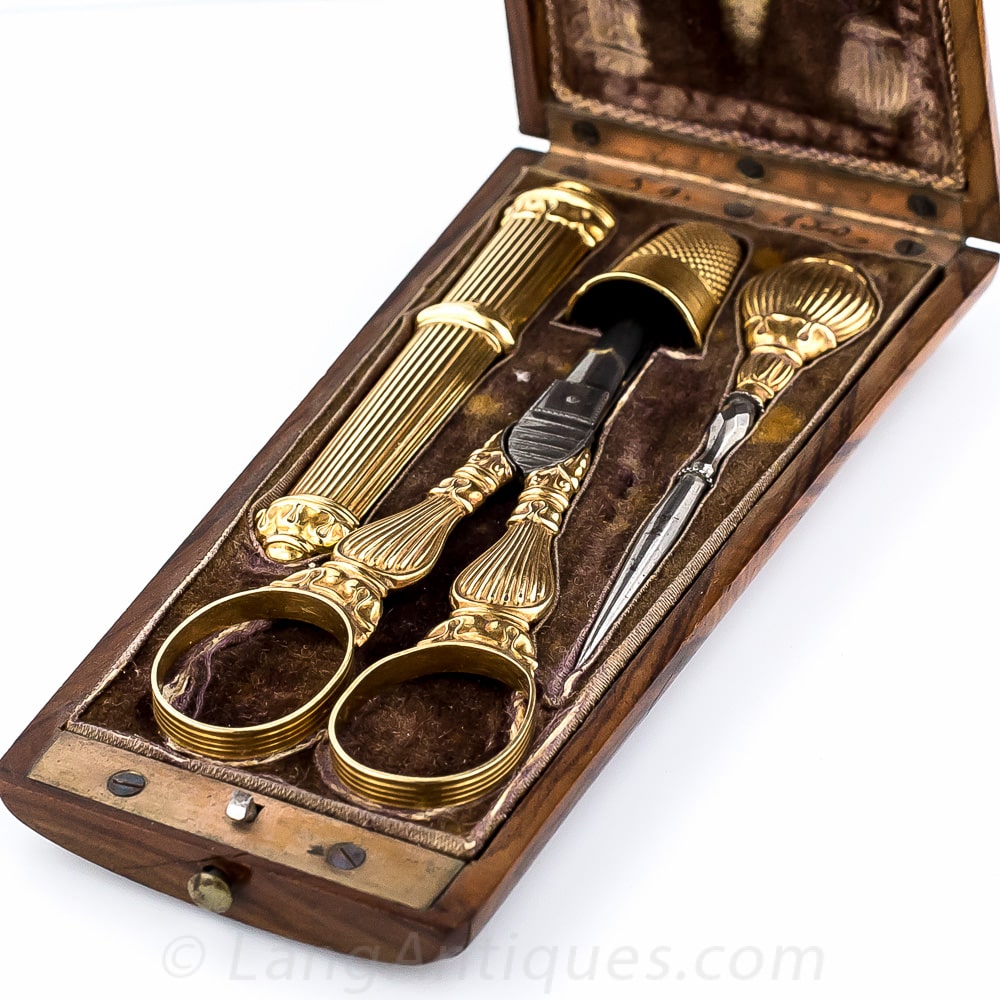
Among the most common vessels hanging from these waist-ornaments was the étui, a small, rigid protective case or sheath designed to hold delicate instruments. An étui would typically contain an array of finely crafted personal gear, such as miniature sewing implements, small folding knives, specialized scissors, tweezers, and diminutive pencils. Because these items were crafted by master artisans using precious metals, mother-of-pearl, tortoiseshell, and enamel, the étui and its contents were as much a display of social status and wealth as they were practical everyday tools. Similarly, watch chains served not only to secure a timepiece but also to display various fob attachments, seals, and miniature utilities that reflected the owner’s taste and utility requirements.
The Transition to Contemporary Accessories
As fashion evolved through the nineteenth and twentieth centuries, the methods of carrying personal items transformed significantly. The integration of pockets into standard attire and the changing nature of daily life gradually phased out the elaborate waist châtelaines of earlier eras. However, the fundamental desire to carry specialized, beautifully crafted accessories remained strong.
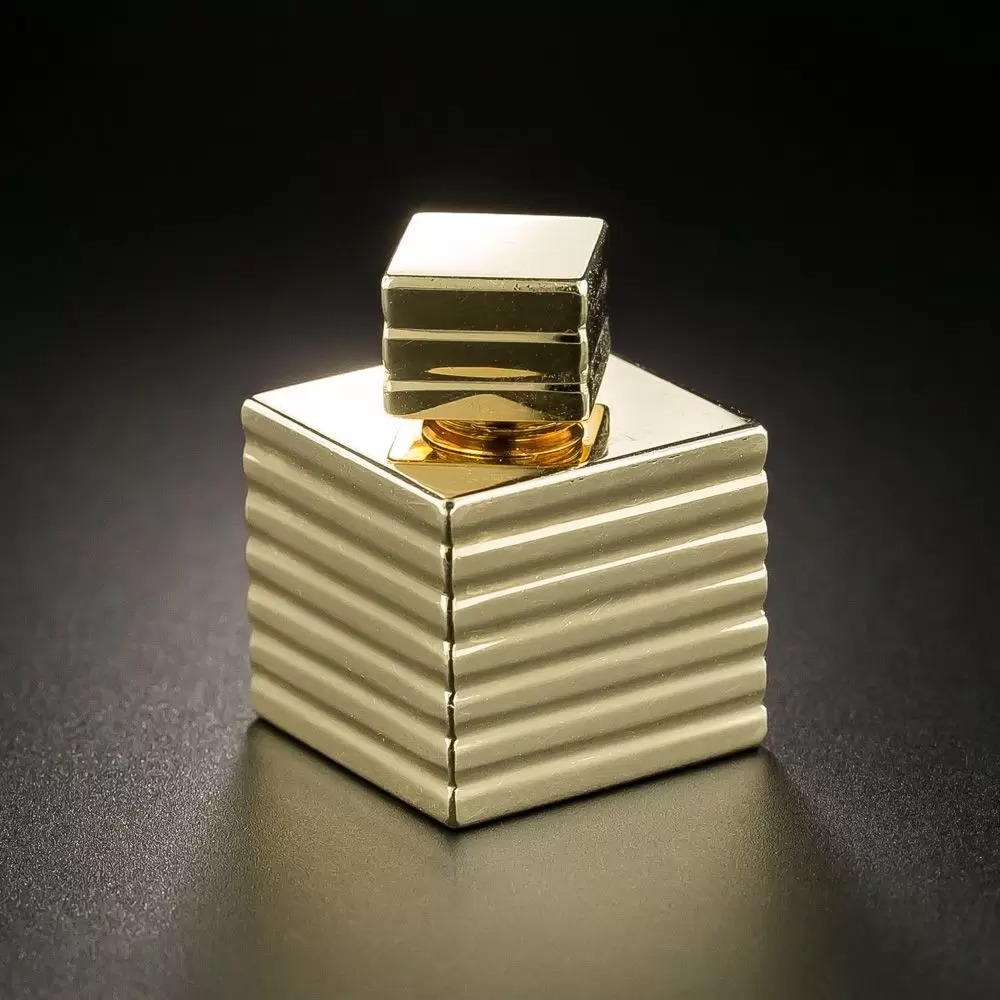
Contemporary equivalents of the historical étui and nécessaire shifted from the waist to the hand, giving rise to a new vocabulary of personal items designed for the modern lifestyle. Among these are the powder compact, an essential item for makeup maintenance throughout the day; the dedicated lipstick case, which elevated a cosmetic product into a pocket-sized objet d’art; and the cigarette case, often crafted from precious metals and gemstones to reflect the glamour of twentieth-century social habits.
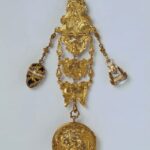
Another pinnacle of this evolution is the minaudière, a small, rigid evening handbag often treated as a piece of high jewelry. Frequently featuring intricate metalwork, enamel, or gemstone encrustations, the minaudière was designed to hold a lady’s evening essentials—such as a compact, lipstick, keys, and coins—in a single, self-contained luxury case, echoing the multifunctional efficiency of the historical étui.
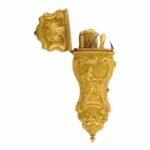
Beyond these specialized containers, broader elements of personal presentation, such as belts, tailored handbags, and other complementary fashion pieces, continue to be classified under the umbrella of accessoires. Whether examining the gold-fitted sewing kits of eighteenth-century France or the streamlined vanity cases of the twentieth century, the core concept of the accessory remains unchanged: an ingenious blend of utility and personal expression that accompanies the individual through daily life.