





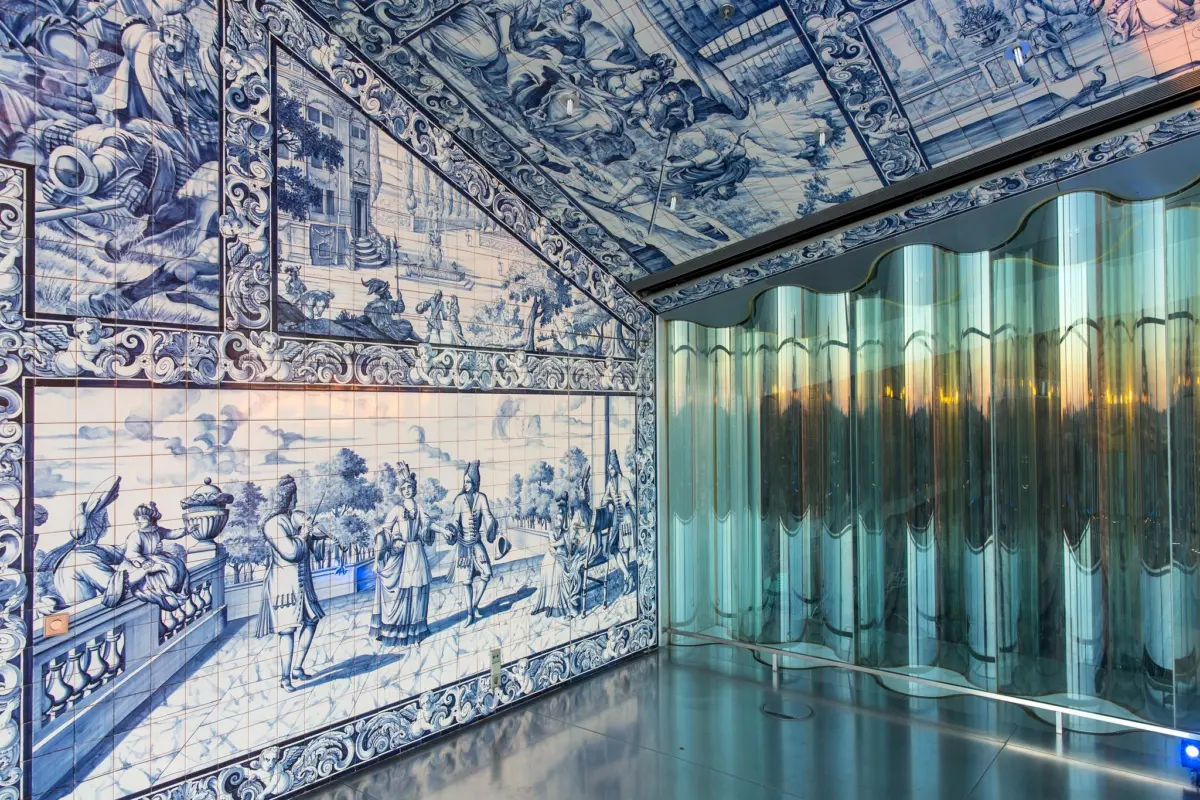
Beneath Porto’s iconic, hand-painted azulejo tiles lies a quiet yet powerful transformation. While the city has long captured global imaginations with its dramatic river views, historic bridges, and centuries-old wine cellars, a new generation of creatives is defining a modern identity for northern Portugal. Far from looking to Lisbon or international capitals for validation, Porto’s artists, photographers, designers, and musicians are carving out their own distinct cultural language.
"Porto has this incredible aura," says Élio Nogueira, a Porto-based fashion photographer whose lens has captured international icons like Alessandra Ambrosio and Liv Tyler. "From the old buildings and the tiles to the amount of art you find everywhere. There’s something very raw and authentic about it."
That character extends organically throughout the city’s close-knit creative community. Because the historic center is remarkably compact, the boundaries between different disciplines frequently blur. Photographers, fashion designers, visual artists, and independent musicians inhabit the same neighborhoods, regularly crossing paths in local cafes, independent bookstores, and multidisciplinary project spaces.
"The city center is quite small, so everything feels very close and connected," Nogueira notes. "You can walk around and easily come across photographers, designers, artists, musicians, and people from different creative fields."
This rising tide of self-assurance has not gone unnoticed by the international fashion and design worlds. Frederico Martins, a fashion photographer and director who established his Porto studio in 2008 and has since built a flourishing global career, observes a profound shift in the city’s creative self-esteem.
"Porto has always had a strong creative identity, but I feel there is much more confidence in the city now," Martins says. "There is a new generation of photographers, designers, artists, filmmakers, and independent creative projects that are creating their own language rather than looking to Lisbon or elsewhere for validation."
Beneath the surface of this cultural surge lies northern Portugal’s deeply rooted industrial heritage. While travelers often focus on the aesthetic pleasures of the urban landscape, the region serves as the beating heart of the country’s textile, clothing, and footwear manufacturing sectors. For decades, local factories have quietly produced garments and goods not just for domestic designers, but for some of the biggest luxury and fashion brands in the world.
"There’s a huge textile industry here in the North that I think a lot of people outside Portugal don’t realize," Nogueira points out. "A lot of international brands, including big luxury names, produce here."
This unique fusion of rich industrial history, avant-garde creativity, and striking visual beauty has propelled Porto to the forefront of global travel and cultural destinations. For those looking to experience the city through the eyes of its residents, local creatives have shared a curated selection of essential addresses across the city.
Where to Stay
Porto’s hospitality landscape has evolved rapidly to reflect its sophisticated design sensibilities, blending historical preservation with contemporary luxury.
For an intimate urban retreat, Torel Palace Porto occupies a magnificent 19th-century mansion situated on Rua de Entreparedes. The property features rooms and suites individually dedicated to celebrated Portuguese writers and poets. This literary motif extends directly into the dining room at Blind, a Michelin-starred restaurant named in homage to José Saramago’s famous novel, Blindness.
For a more theatrical and maximalist central experience, The Editory Boulevard Aliados stands prominently on Avenida dos Aliados. Its interiors feature cinematic touches, including black-and-white chevron flooring, oversized sculptural elements, rich color palettes, and surreal details. The playful design approach of studio Ding Dong continues inside Bar Ilícito, where circus-themed murals painted by Porto artist Sofia Torres give the space an unmistakable personality.
Crossing the Douro River into Vila Nova de Gaia, The Yeatman places wine at the core of its hospitality experience. Framed by historic port wine lodges with panoramic views of Porto across the water, the hotel features a wine-centric spa, indoor and outdoor swimming pools, and a two-Michelin-star restaurant, though the view remains its most defining characteristic.
Further down the Gaia waterfront, The Rebello breathes new life into a collection of 19th-century industrial buildings, including a former cookware factory. Historic stonework gracefully frames loft-style accommodations, while interior design elements draw inspiration from the surrounding elements of water, wine, wood, and local industry. A rooftop bar offers sweeping views across the Douro toward Porto, complemented by a Roman-bath-inspired spa complete with a heated pool, sauna, and dedicated treatment rooms.
Looking ahead, the city’s hospitality scene continues to expand. Scheduled to open in December 2026, Experimental Porto will transform the historic Infante Sagres hotel under the stewardship of the Paris-based Experimental Group. Acclaimed interior architect Dorothée Meilichzon is currently redesigning its 85 guest rooms, alongside planned Porto outposts of the Experimental Cocktail Club and La Compagnie wine bar.
Where to Eat and Drink
Porto’s culinary landscape has garnered international acclaim, anchored by a mix of casual neighborhood hangouts and a growing roster of Michelin-starred establishments.
For an unpretentious drink and a relaxed atmosphere in the Bonfim district, Martins recommends Fiasco. Functioning simultaneously as a cocktail bar, record shop, and art gallery, the venue invites patrons to browse and purchase vinyl records while taking in rotating contemporary art exhibitions. It offers a space designed for slow conversations rather than structured nightlife scenes.
For coffee or a daytime drink, Nogueira frequently visits Café Candelabro and Café Galeria de Paris. Candelabro occupies a former secondhand bookshop, preserving its original black-and-white mosaic floors and towering shelves filled with books on photography, cinema, and the arts that guests are welcome to read or purchase. Galeria de Paris presents a distinct visual experience, with vintage objects and memorabilia covering its walls. "They’re places where I can just sit, have a coffee or a drink and take in the city," Nogueira says.
Meanwhile, Porto’s fine dining scene continues to reach new heights. The Michelin 2026 Portugal guide awarded prestigious first stars to four distinct Porto restaurants: DOP, Áon, Gastro by Elemento, and In Diferente. Áon is housed within the art-filled Palacete Severo, while Gastro by Elemento centers its culinary approach around open flames and a wood-burning oven, offering varied settings for an ambitious evening meal.
Where to See Art and Shop
Porto’s cultural infrastructure balances major architectural landmarks with grassroots, independent art spaces and unique retail shops.
Designed by Rem Koolhaas’s OMA, Casa da Música stands as one of Porto’s defining contemporary architectural achievements, serving as a vital cultural destination even for those simply visiting to admire its radical geometry.
For art on a grander scale, the Serralves Foundation remains an absolute essential. Designed by Álvaro Siza, the contemporary art museum is set within an expansive 18-hectare park that encompasses formal gardens, woodlands, and a traditional farm. Outdoor sculptures are integrated seamlessly into the landscape, making the visit as much an architectural and botanical journey as an art exhibition. Nogueira considers it a non-negotiable stop for anyone spending an afternoon in the city.
For gallery-hopping, Martins gravitates toward the Miguel Bombarda neighborhood, located just west of the historic center. The area is renowned for its high concentration of independent galleries and creative studios. Rather than centering on a single major institution, the neighborhood invites visitors to spend an afternoon wandering between dynamic, ever-changing spaces.
"I tend to prefer places that have a strong sense of character rather than necessarily being fashionable," Martins explains. "I often find myself around Miguel Bombarda, particularly because of the galleries and the way the whole area brings together art, design and independent projects."
Among the city’s newer independent cultural spaces, Martins highlights PLATO, which opened on Rua de Brito Capelo. Founded by Diogo Ramalho, the gallery focuses on emerging artists, pairing commercial exhibitions with experimental programming, including a dedicated project space showcasing single works by local artists. "There is a sense of experimentation happening outside the more established institutions," Martins observes.
For vintage shopping, Nogueira directs visitors to Nieuwes, a small city-center shop operated by an older couple. Beyond the clothing and objects, it is the personal warmth and distinct character of the store that brings him back. "I love places like that," he says. "They have so much character and feel very personal rather than a typical commercial store."
Where to Wander
To truly understand Porto, locals advise stepping away from the typical tourist routes and exploring the city’s varied neighborhoods and coastal fringes.
Martins advises creative visitors not to spend their entire time confined to the historic center. "I would send them toward Bonfim, and then let them walk," he says. "It’s full of cute coffee shops and restaurants. There is a different energy there, the old industrial buildings, workshops, residential streets, new creative spaces appearing alongside very traditional neighborhoods."
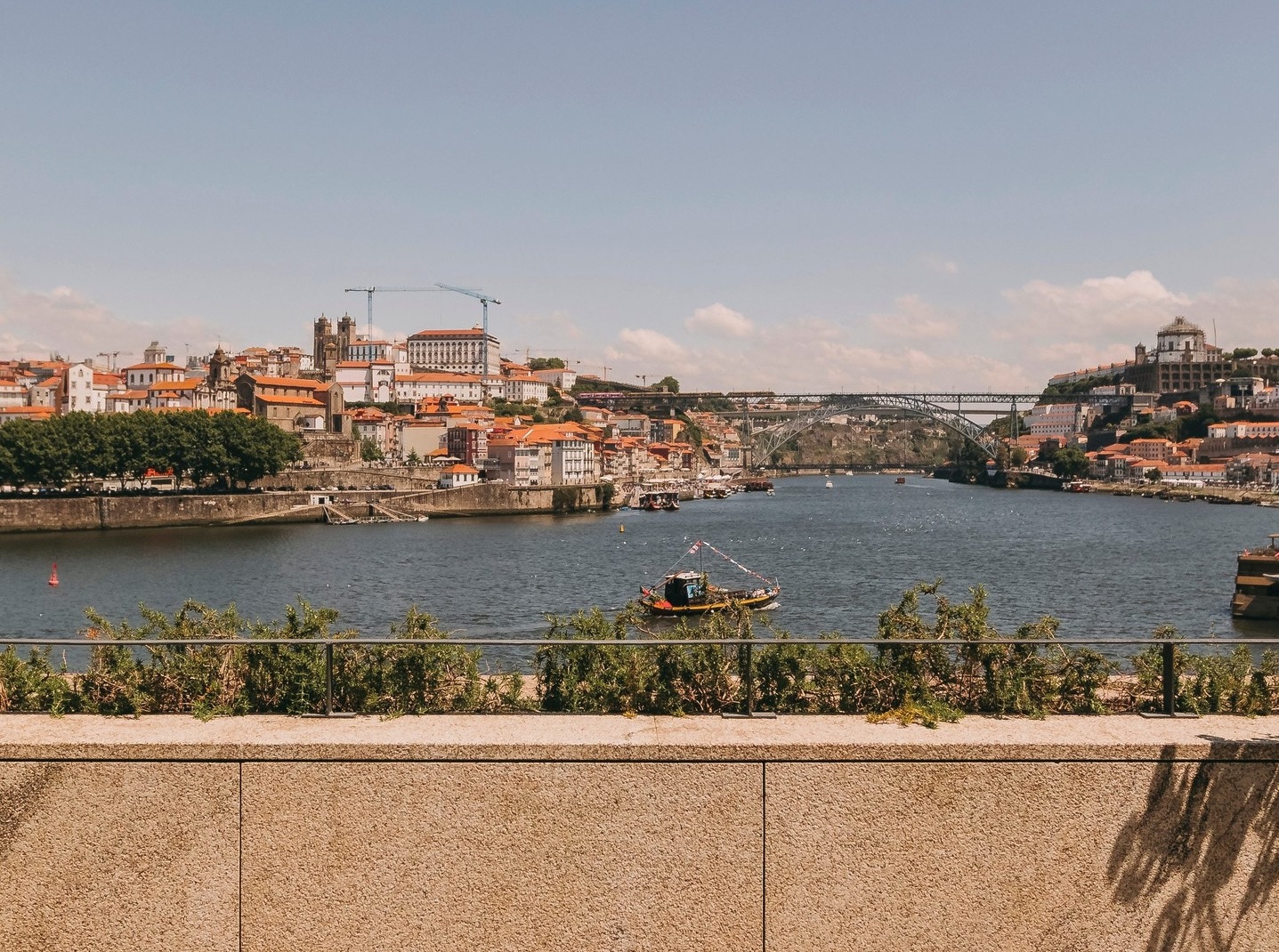
For a quintessential visual experience that requires no ticket, Nogueira recommends spending time near the Dom Luís I Bridge, looking across the Douro River at the colorful houses climbing the steep opposing banks. Martins, whose former studio was located across the river in Vila Nova de Gaia, knows this perspective intimately.
"The view back toward Porto is something I never really get tired of," he says. "The changing light over the river is probably one of the things that has influenced my work the most."
Further west, Martins encourages travelers to head toward the Atlantic coast to explore Foz and Matosinhos. In Foz, seafront promenades and sandy beaches offer a serene contrast to the steep, narrow streets of the historic center. Further north, the working fishing port of Matosinhos draws food lovers with its straightforward, expertly grilled fish, making it an ideal destination for a coastal lunch.
"For me, Porto is interesting because of the contrast between its beauty and its roughness," Martins reflects. "It is a city with incredible architecture and history, but also with industrial areas, working-class neighborhoods, contemporary culture and a very strong connection to the Atlantic."
Beyond Porto: The Douro Valley
While Porto serves as the natural geographical gateway to the Douro Valley, the region is undergoing its own quiet evolution. While the centuries-old wine-making traditions remain fiercely protected, the architecture, hospitality, and overall visitor experience have been thoughtfully reimagined.
A journey east from the city rapidly transforms the landscape. The tiled urban streets give way to dramatic, terraced vineyard slopes and winding river bends. Because wine estates are dispersed across the valley and often require advance planning, the most rewarding itineraries are kept simple: a visit to a single winery, an unhurried long lunch, and plenty of time to navigate the slower scenic roads back.
As the established luxury anchor of the region, the Six Senses Douro Valley is situated on the Quinta de Vale Abraão estate near Lamego. Centered around a meticulously restored 19th-century manor overlooking the river, the resort pairs its historic wine-country setting with a world-class spa, an extensive wine library, and immersive regional culinary and vineyard experiences.
Offering a more intimate, design-forward alternative near Pinhão, Quinta da Crédrte brings contemporary French vision to historic winegrowing. French winegrower Philippe Austruy commissioned renowned Paris-based architect and interior designer Pierre Yovanovitch to revitalize the estate, which features just eight guest rooms alongside its working winery. Hand-painted tiles, terracotta floors, bespoke furniture, and contemporary art fill the spaces, creating the atmosphere of a private country home rather than a traditional hotel.
Meanwhile, Quinta do Vallado, located near Peso da Régua and founded in 1716, pairs its historic manor house with a striking contemporary building clad in schist, designed by architect Francisco Vieira de Campos, who also led the renovation of the estate’s modern winery. The use of local schist ties the contemporary architecture directly back to the surrounding valley landscape.
Ultimately, the deep connection shared between Porto and the Douro Valley extends far beyond shared geography. Across fashion, wine, and architecture, the region relies fundamentally on artisans and makers who honor knowledge passed down through generations while utilizing materials intrinsically tied to the northern landscape.