





Had you told anyone at the beginning of the week that the layered polo top would suddenly return as a defining fashion trend, the reaction likely would have been one of pure disbelief. After watching the unstoppable comeback of boho belts, dramatic pirate boots, and an abundance of metallic gold accessories, fashion’s cyclical nature has once again dipped deep into the noughties. This time, it has pulled out a signature look from the indie-sleaze and scene-kid eras, complete with popped collars, contrasting colors, and double-layered necklines.
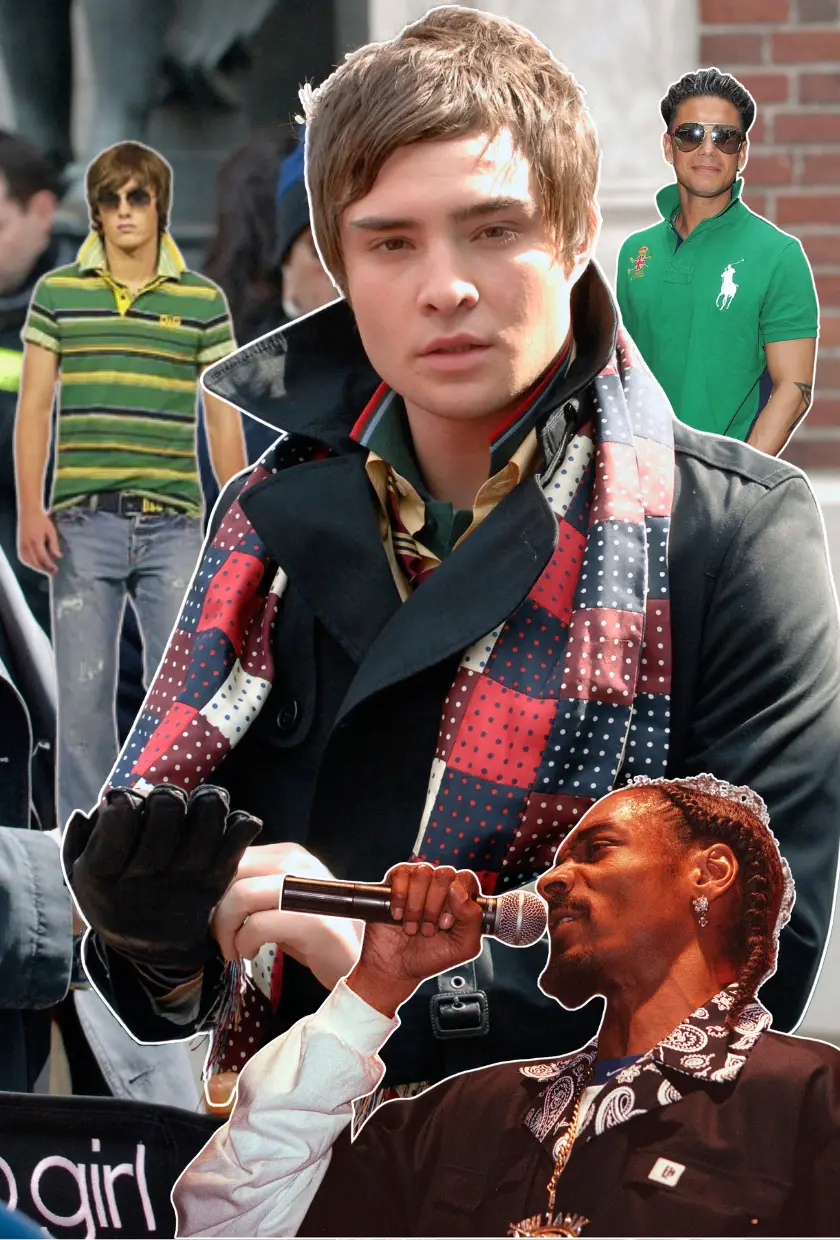
Typically associated with classic American prep, the layered polo trend never stayed buttoned up for long. It was quickly adopted by New York street culture in the 1990s before taking on a younger, much edgier persona in the 2000s, when brands like Abercrombie & Fitch transformed it into an absolute mall-culture staple. All roads of the trend ultimately lead back to legacy sportswear houses like Tommy Hilfiger and Ralph Lauren. Alongside musicians such as Aaliyah, Destiny’s Child, and Snoop Dogg, these brands successfully shifted the traditional meaning of polished collegiate style into something entirely fresh, urban, and subversive.
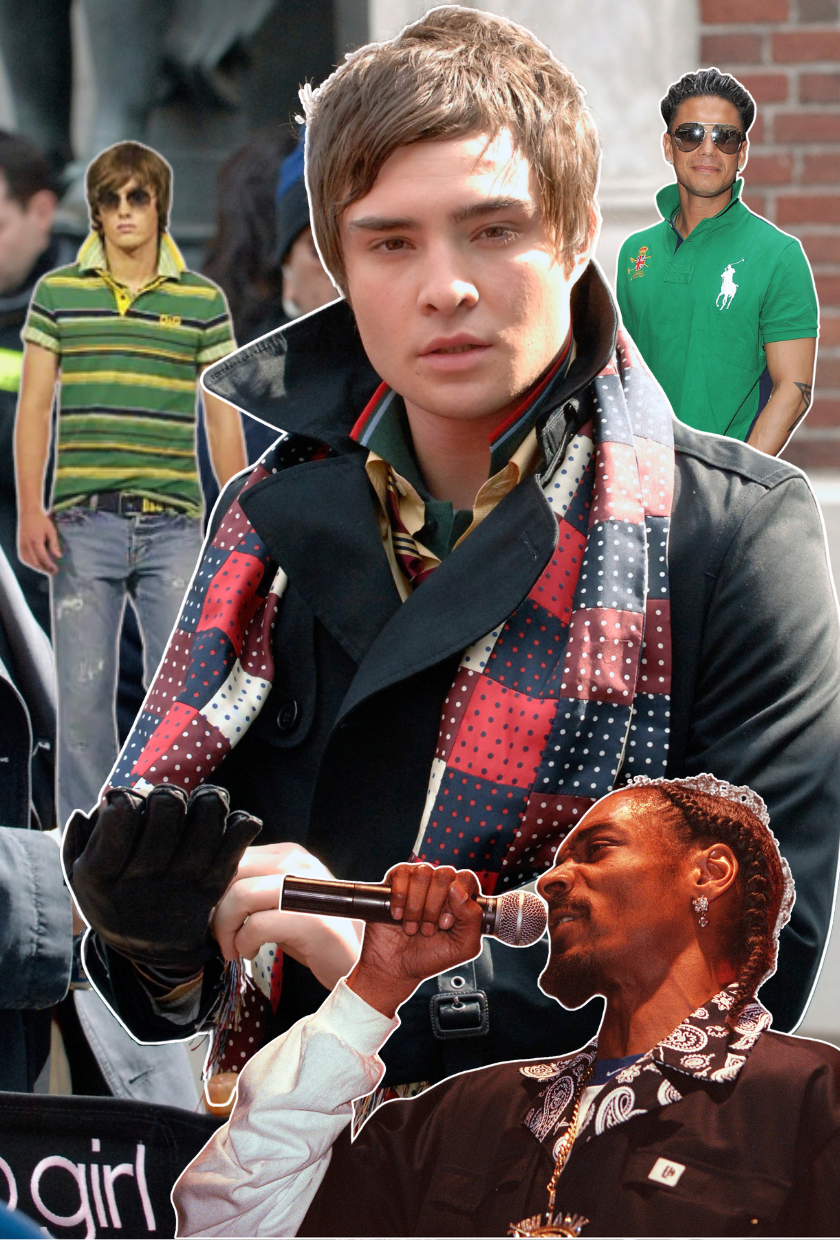
However, as trends inevitably do with the turn of a decade, the layered polo lost its cultural momentum as the 2010s approached. While fashion enthusiasts were treated to memorable moments during the peak Y2K years—such as Megan Fox’s iconic layered cropped polos in the cult-classic horror-comedy Jennifer’s Body—the style eventually transformed from an aspirational signifier of downtown cool into something perceived as slightly out of touch.
By the end of the first season of Gossip Girl, Ed Westwick’s character, Chuck Bass, had evolved into the reformed literary bad boy viewers adored. Yet, in the earliest episodes, those double-layered, popped-collar polo shirts read more as costume-department cliché than genuine downtown cool. Shortly thereafter, reality television icons like Paulie D of Jersey Shore fully committed to the popped-collar aesthetic in a display of unapologetic flashiness. For anyone needing further historical clarification, one only has to look back at the Dolce & Gabbana Spring/Summer 2005 menswear show to see the look captured at its absolute zenith.
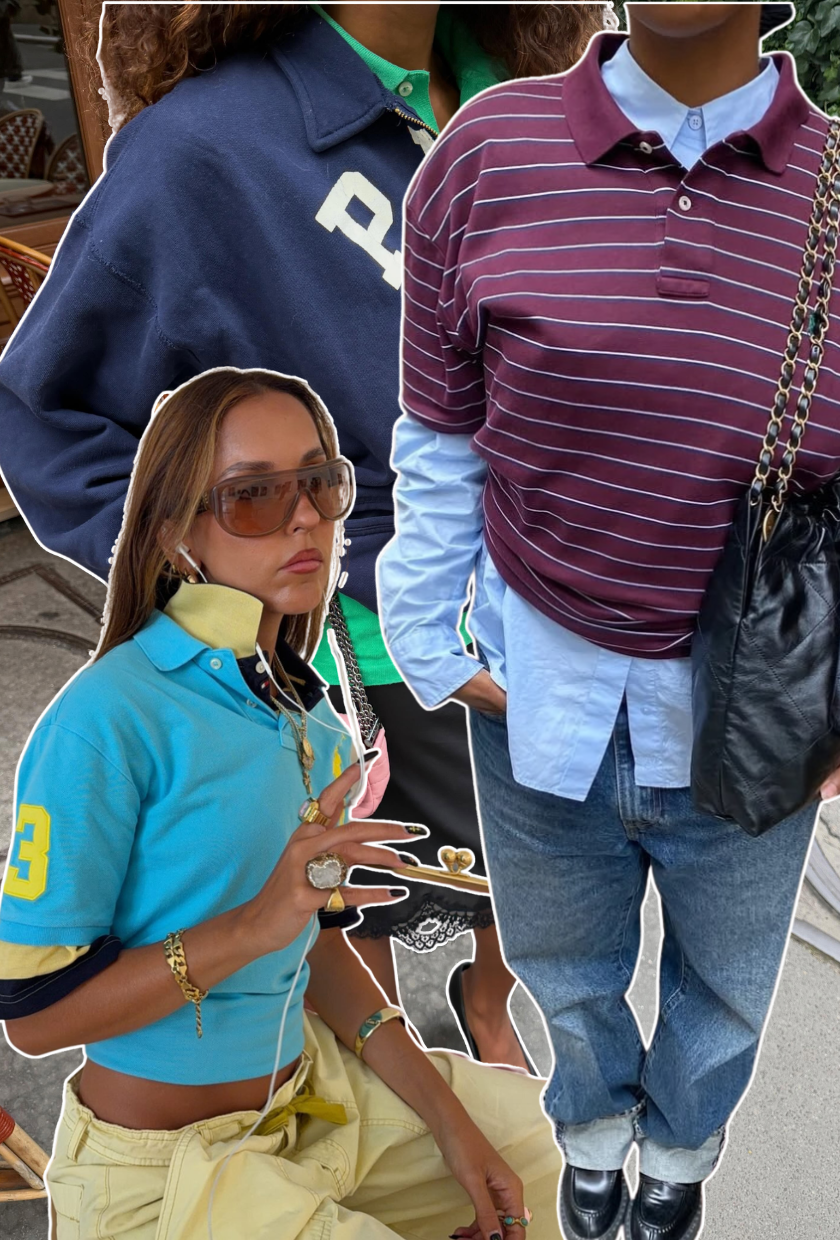
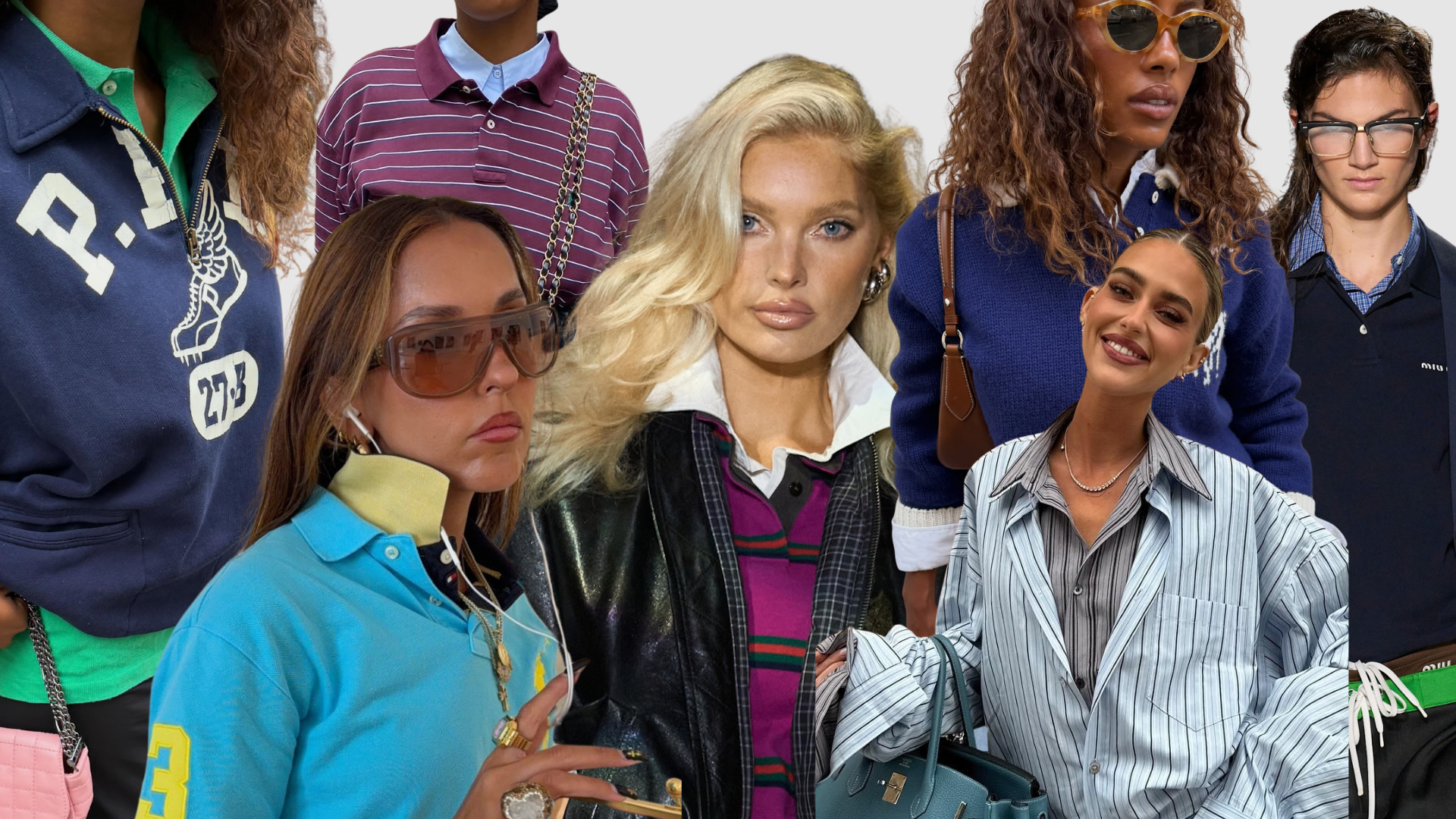
Given this history, it came as a genuine shock when, roughly fifteen years past its commercial peak, the layered polo was embraced once again—only this time, it has been claimed by today’s most influential designers and style icons. True to the rule that trends often solidify upon their third major runway iteration, the revival began quietly before exploding into the mainstream consciousness.
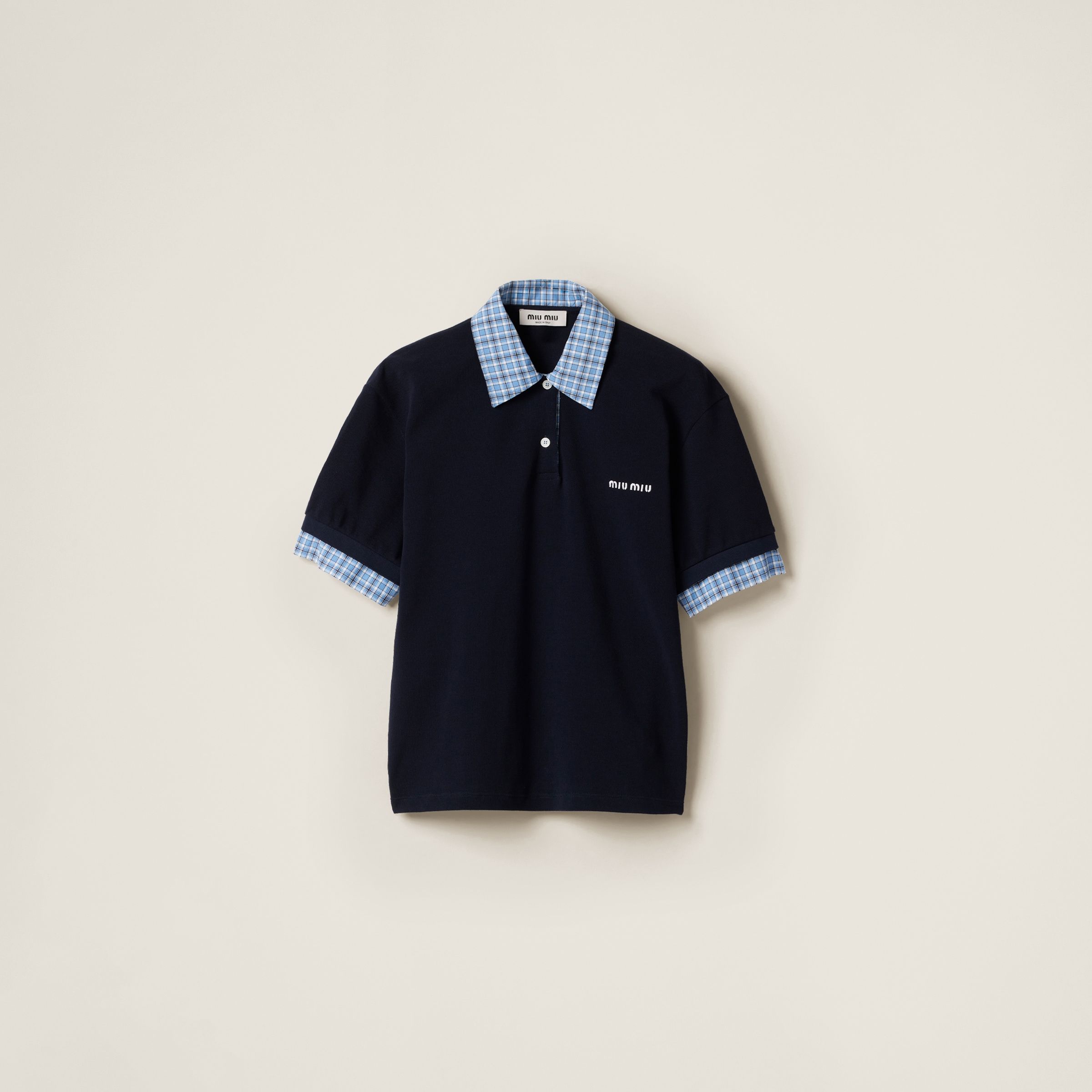
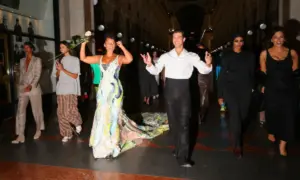
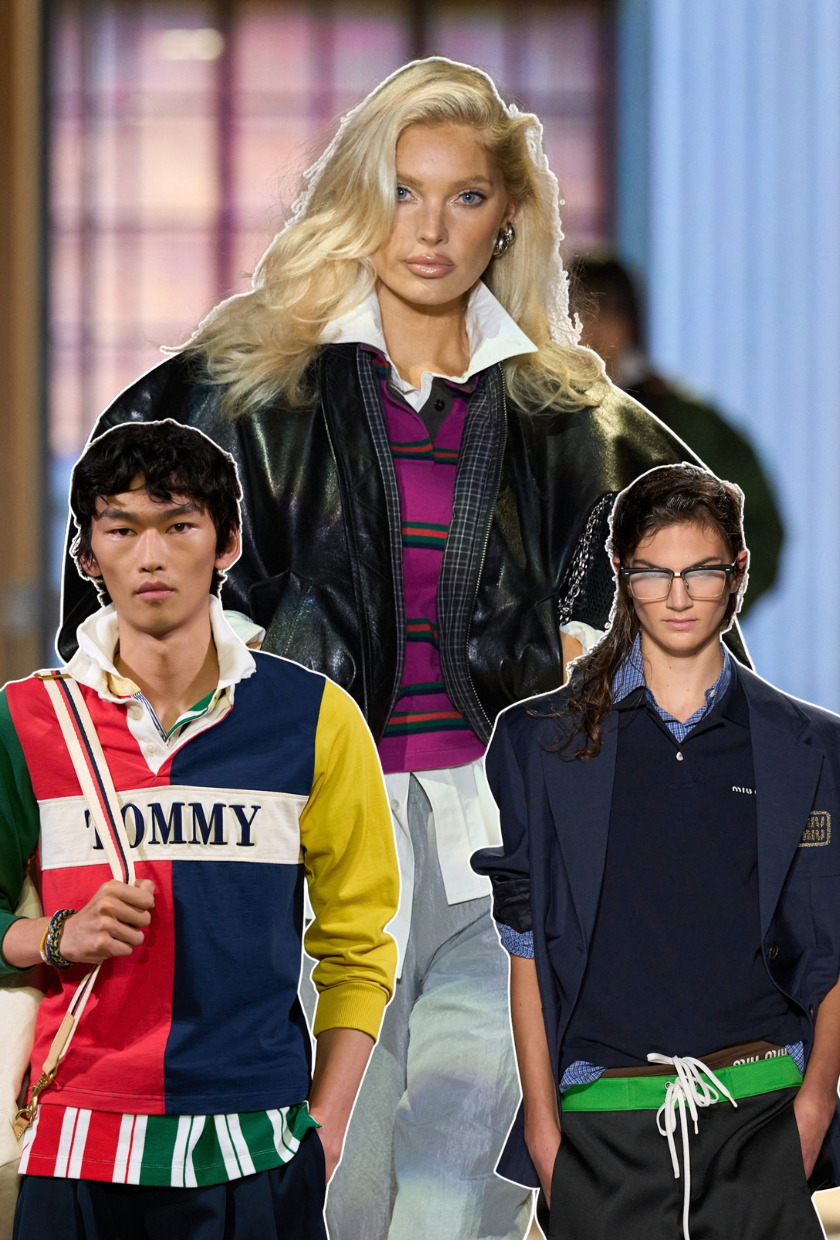
The first notable nudge came from Miu Miu’s Spring/Summer 2024 collection, which successfully coaxed preppy aesthetics back into the contemporary fashion spotlight. Next arrived Tommy Hilfiger’s Spring/Summer show, a joy-filled homecoming that remixed archival prep codes with relaxed, contemporary proportions. If those nostalgic nods were not enough to convince skeptics, the grand finale arrived courtesy of Demna’s Gucci.
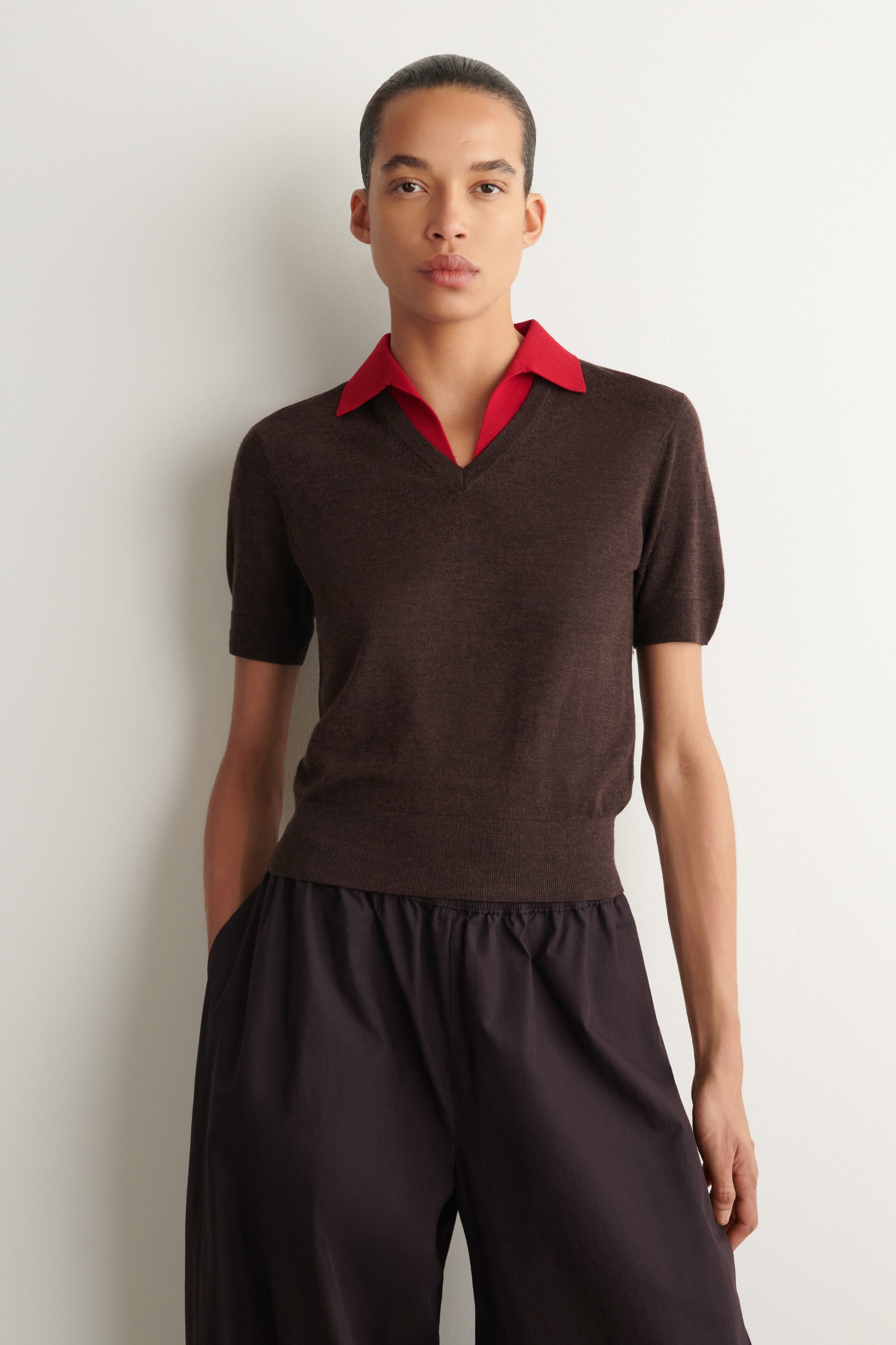
When the lights went up for Gucci’s Spring/Summer runway show, the audience was greeted by a meticulously recreated storefront complete with industrial metal clothing rails. As supermodels and everyday models nonchalantly "browsed" down the runway, one particular look caught the attention of fashion critics worldwide: a striped top featuring a stiff white collar, modeled effortlessly by Elsa Hosk. At that precise moment, it became undeniable that this was not merely a fleeting nostalgia trip. The trend clearly had longevity. As prominent trend forecaster Mandy Lee, widely known online as OldLoserInBrooklyn, aptly noted of the fashion industry’s recurring cycles, "evil doesn’t die; Demna reinvents it."
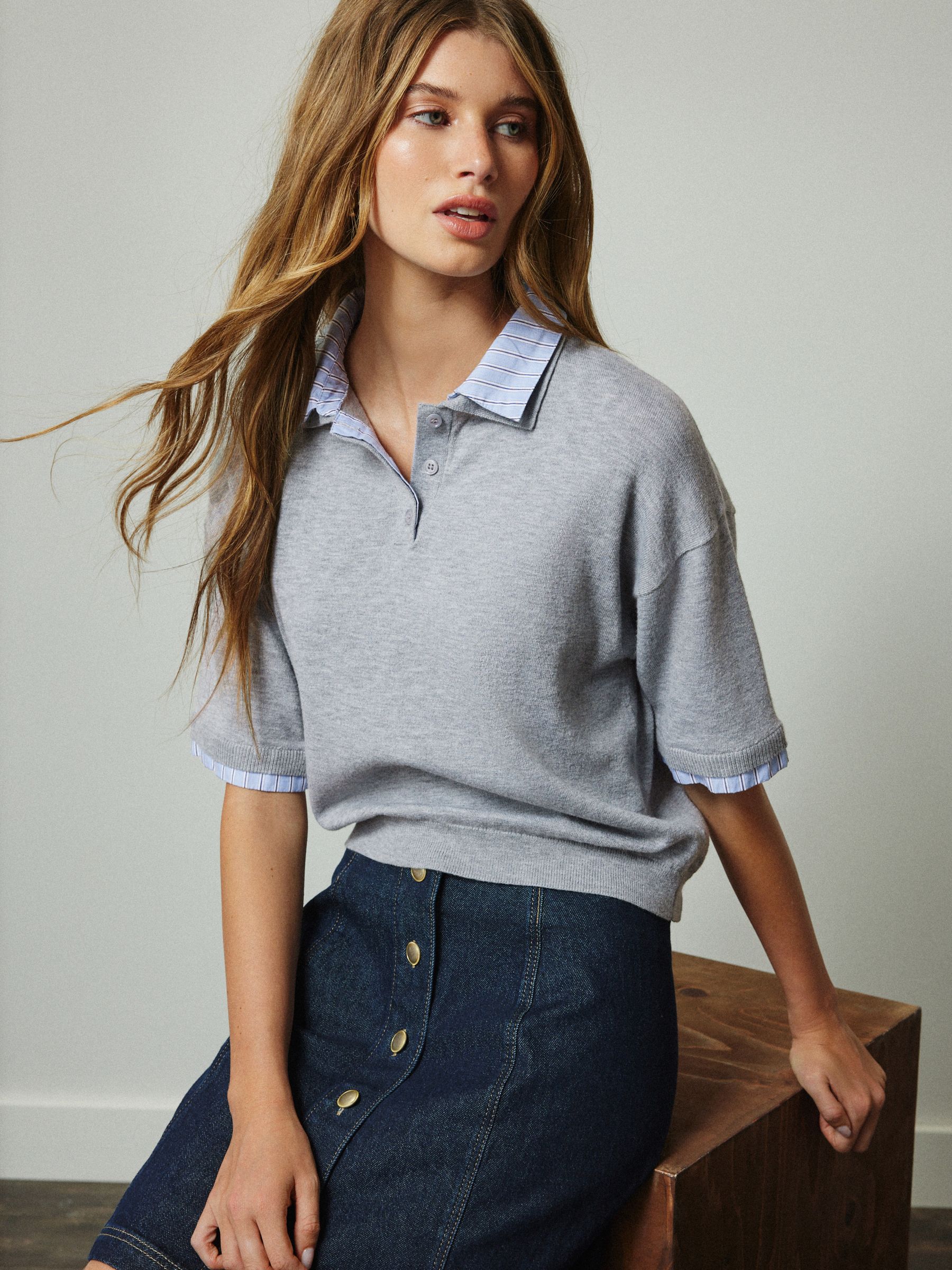
The question remains: why is this happening now? If the most recent fashion month proved anything, it is that the industry remains firmly rooted in a maximalist mood. From the vivid, saturated colors that dominated summer wardrobes to the steady, unstoppable rise of bold animal prints over the past few seasons, the gradual shift away from minimalist restraint is impossible to ignore. The layered polo sits squarely at the intersection of these opposing forces, managing to balance an underlying sense of polish with a carefree, unstructured feel that never reads as overly stiff.
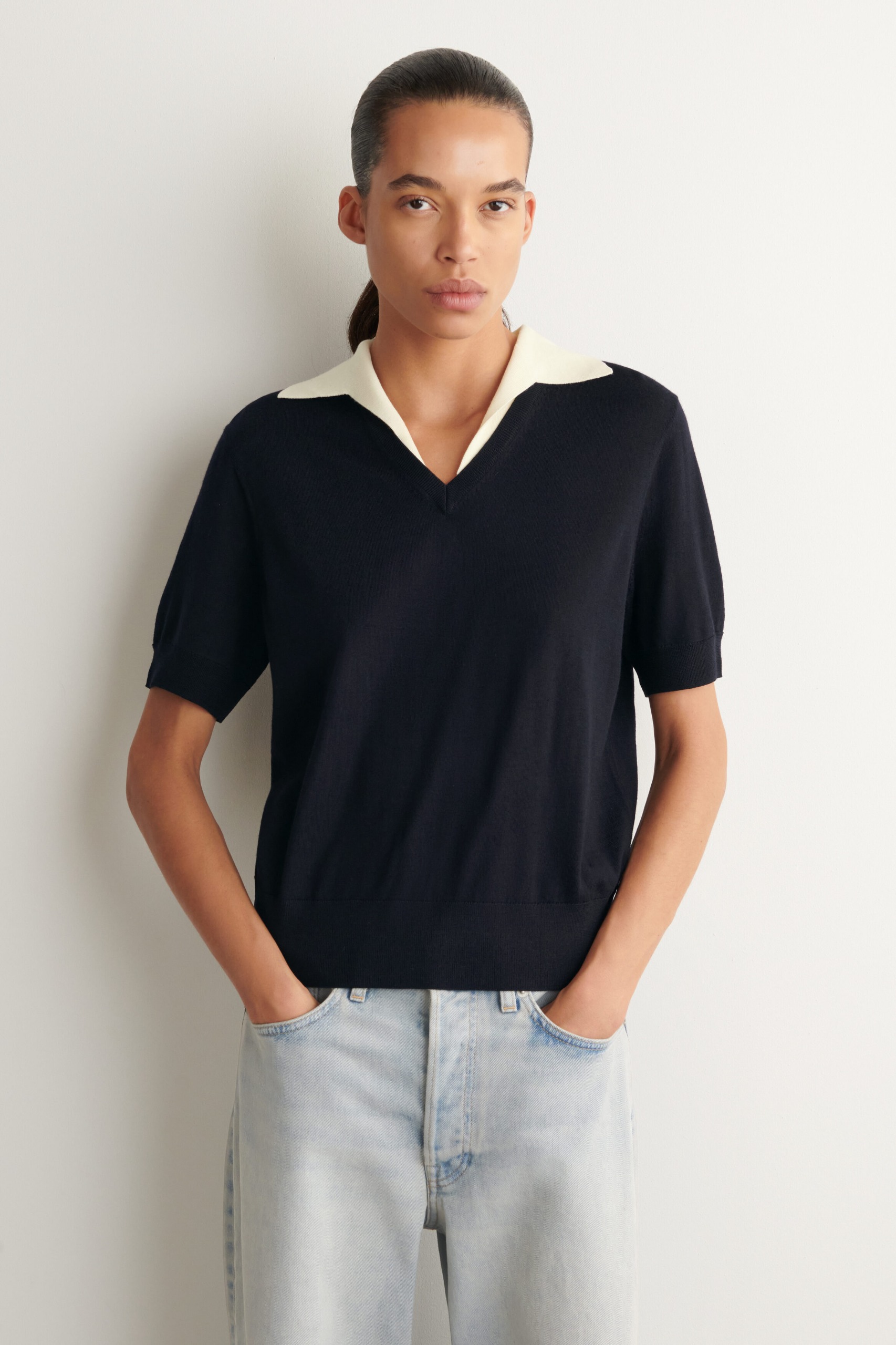
Furthermore, when considering the enduring popularity of creative layering and the sheer practicality of the styling hack—particularly as consumers transition into cooler autumn weather—the aesthetic logic of the trend becomes clear. By mixing contrasting colors, varying textures, and differing collar heights, wearers can make a traditionally polished garment feel far less contrived and much more instinctive. It creates the impression of effortless dressing, as though the outfit was thrown together in seconds to embrace a chicly chaotic energy.
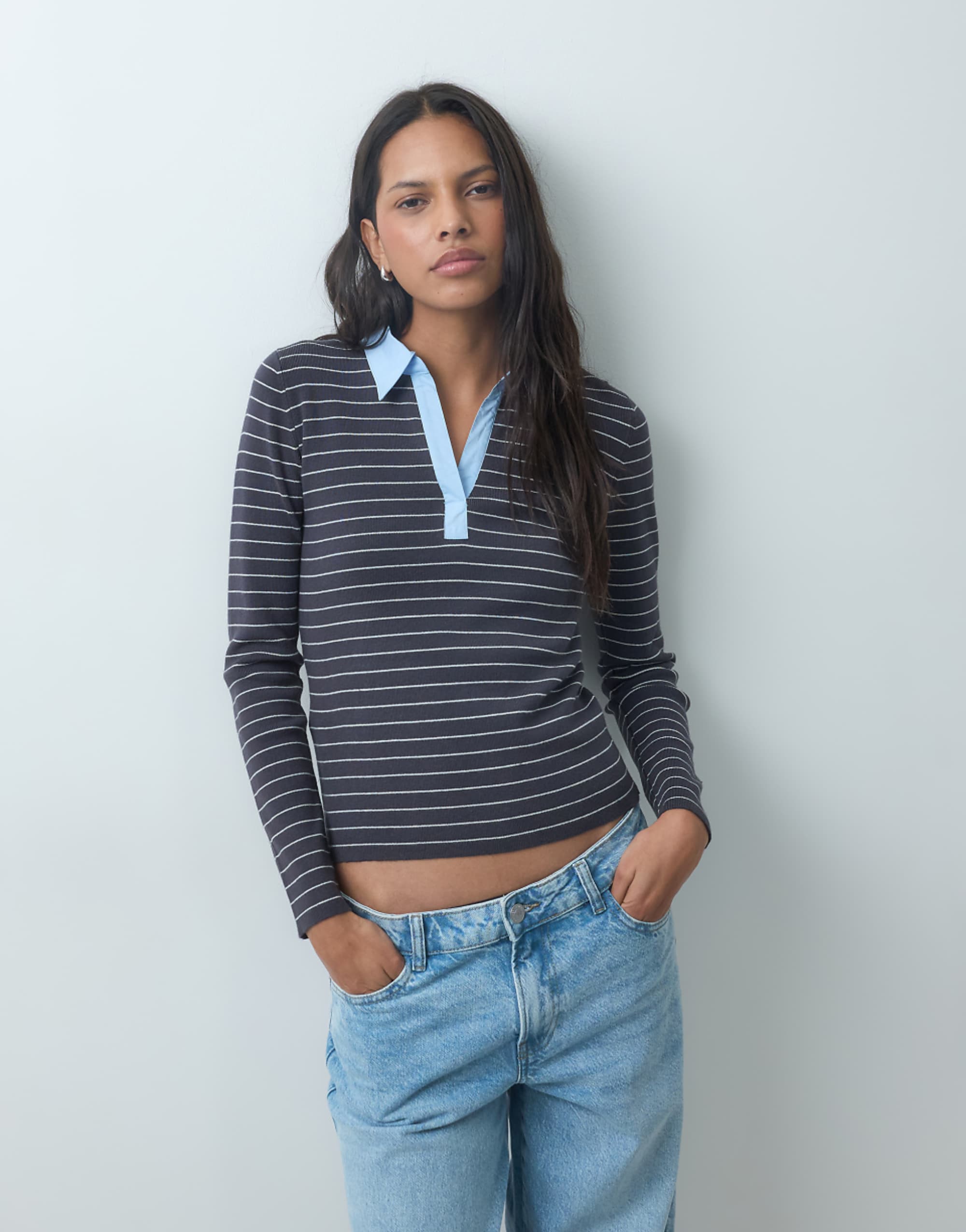
From an economic perspective, the trend also offers accessible entry points for consumers. Rather than purchasing newly manufactured specialized garments, fashion enthusiasts can easily layer two standard polo tops together to achieve the exact same dimensional effect.
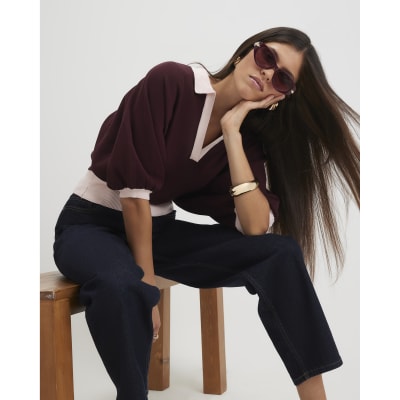
This styling trick may well have uncovered the easiest way to make staple wardrobe pieces like midi-skirts, vintage denim, and technical cargo shorts look distinctly modern and elevated. As the fashion calendar progresses, retailers and luxury houses alike continue to stock their shelves with iterations of the look, ranging from merino wool renditions to classic cotton piqué designs. Whether consumers choose to invest in high-end runway interpretations or raid local thrift stores to recreate the look from archive pieces, the layered polo has officially cemented its status as the most surprising and dominant trend of the season.