





Long overshadowed in contemporary markets by the astronomical values of gold and platinum, silver remains one of the most historically consequential and technologically transformative elements in human history. Represented on the periodic table by the symbol Ag, silver is a brilliant white metallic element characterized by its exceptional properties. It is harder than gold, softer than copper, and ranks second only to gold in both malleability and ductility. Furthermore, its stellar thermal and electrical conductivity, combined with a high resistance to oxidation—earning it classification as a "noble metal"—have made it an indispensable material across millennia.
While its current market value is modest compared to its precious metallic counterparts, viewing silver as secondary is a historic miscalculation. At various points in human civilization, silver has commanded higher valuations than gold. When examining the sheer volume of metal utilized in jewelry and decorative arts throughout the ages, silver outweighs all other precious metals by a massive factor. Furthermore, the relentless pursuit of silver deposits has driven monumental advancements in mining and metallurgy, underpinned entire global economies, and fundamentally altered the course of armed conflicts and geopolitical history.
Bronze Age Beginnings and the Dawn of Metallurgy
The story of silver traces back to the closing centuries of the fourth millennium BC, when innovative artisans in modern-day Turkey discovered a revolutionary metallurgical technique: extracting silver from lead ores through a process known as cupellation. Although surviving artifacts from this nascent period are exceedingly rare, those that remain offer a profound testament to the sophistication of early Bronze Age silversmiths.
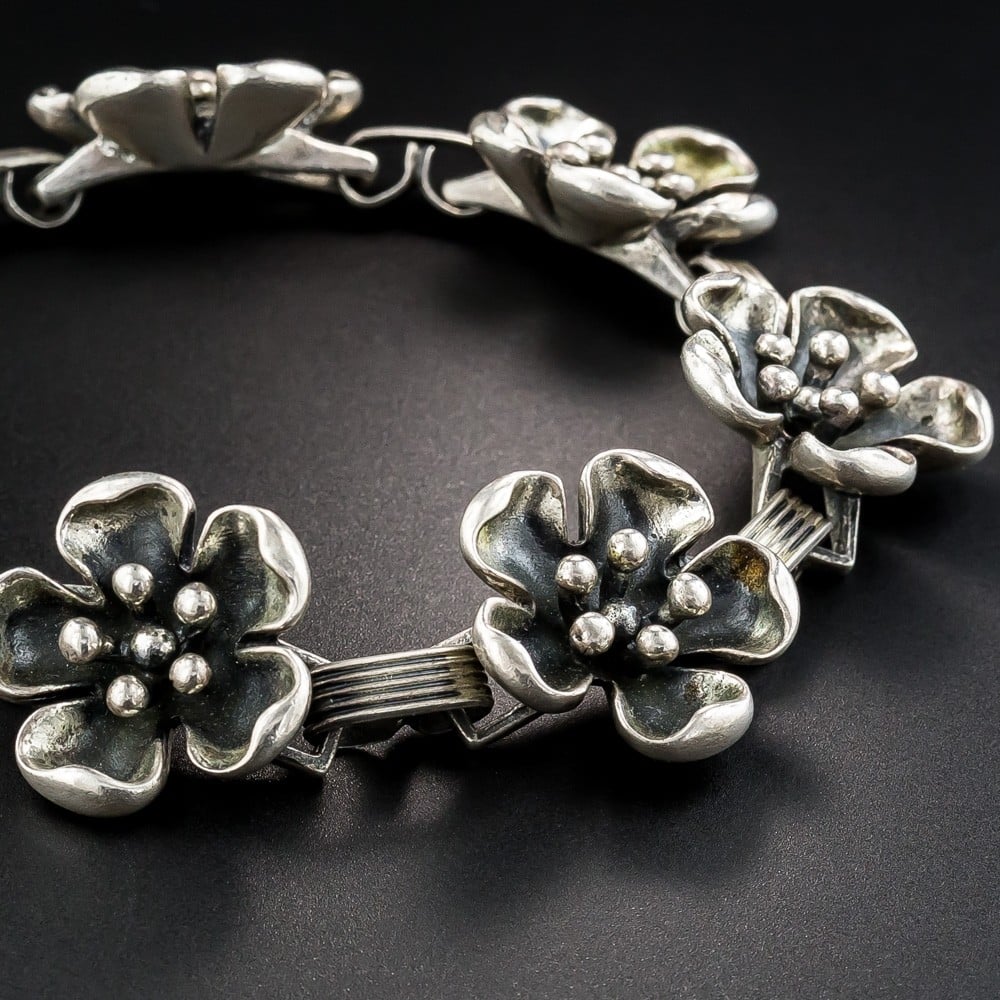
By the dawn of written history, silver had emerged as a primary medium of exchange in Mesopotamia. Rather than circulating as standardized coins, silver functioned as currency by weight or in the form of portable rings. The workshop of the Mesopotamian silversmith often mirrored—or was identical to—that of the goldsmith. Although silver is slightly less ductile than gold and demands more frequent annealing during shaping, it possesses remarkable working properties. Ancient artisans discovered they could cast the metal, hammer it into paper-thin sheets, engrave it, emboss it, execute intricate repoussé work, and decorate surfaces with delicate filigree and granulation. Archaeological discoveries of ancient vessels, statuettes, and jewelry confirm that these objects were crafted from remarkably pure silver, yielding pieces of striking softness.
Exclusivity in Ancient Egypt
In ancient Egypt, materials that were rare and exotic held supreme prestige. The Egyptians went to extraordinary lengths to acquire Afghan lapis lazuli, which they considered perhaps their most valuable gemstone. Silver traveled along these very same international trade routes, arriving in Egypt to be celebrated as an exceptionally exclusive commodity. While gold was readily accessible from domestic sources in the Eastern Desert and Nubia—and electrum, a natural gold-silver alloy, was similarly available—pure silver had to be imported from afar. Consequently, in early Egyptian history, pure silver was valued more highly than gold and remained strictly reserved for the ruling elite and the most exalted members of society.
By roughly 1600 BC, however, the global supply of silver had expanded significantly, causing its market value to drop to about half that of gold. Around this period, it established itself as an abstract currency of relatively stable value. Yet, its popularity continued to fluctuate according to the shifting whims of fashion and royal preference. The tomb of King Tutankhamun, for example, contained remarkably few silver objects, whereas the later burial of pharaoh Shoshenq II featured a magnificent, all-silver sarcophagus.
The Mediterranean Trade Networks of Minoa, Mycenae, and Phoenicia
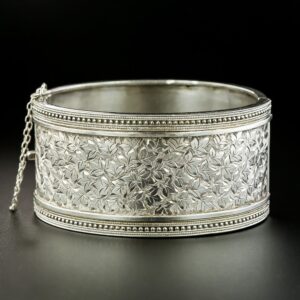
The Minoans and, subsequently, the seafaring Mycenaeans engaged heavily in Mediterranean commerce, bringing them into frequent contact with silver. Archaeological excavations across the Greek mainland, Crete, and Cyprus have yielded substantial collections of early Greek silver jewelry, illustrating its widespread adoption.
The Phoenicians played a uniquely influential role in shaping Mediterranean civilization through their extensive colonization and trade networks. It was the Phoenicians who initiated the large-scale exploitation of the rich silver deposits in Spain, distributing the metal across the classical world. Their commercial ventures effectively stripped silver of its exclusively rare and exotic status, elevating its availability to unprecedented levels.
Classical Antiquity: Coins, Niello, and Roman Extravagance
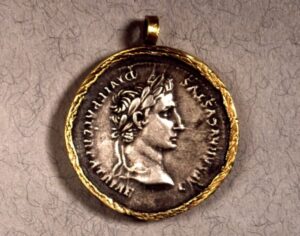
For both Greek and Roman societies, a reliable supply of silver was a matter of state survival, as their monetary systems relied entirely on properly minted silver coinage. While gold frequently dominates the surviving jewelry record from the classical era—largely due to the high rates of remelting and recycling that befell silver items—archaeological finds demonstrate that silver was fashioned into every conceivable type of ornament, including finger rings, anklets, and armlets.
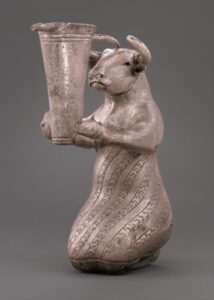
Romans developed a particular fondness for niello, a surface decoration technique strikingly similar to enameling but executed using silver sulfate rather than vitreous glass. Niello proved significantly tougher than enamel, offering a distinctive metallic luster rather than a glassy finish. During the Roman occupation of Northern Europe, niello craftsmanship spread rapidly across the continent, leaving a lasting stylistic imprint on Anglo-Saxon and Eastern European artifacts.
The Roman polymath Pliny the Elder captured the socio-economic obsession with silver in his encyclopedic work, Naturalis Historia. Pliny detailed the arduous nature of silver mining, noting that unlike gold, silver ore gave no sparkling surface indications and was found only through deep shaft excavation. He famously recounted how Carthaginian general Hannibal’s Spanish mines, such as the famous Baebelo mine, yielded massive daily quantities of silver supported by continuous, grueling underground drainage operations managed by torchlight.
Pliny also documented the dramatic evolution of Roman luxury, contrasting the austere frugality of early military commanders—such as Curius Dentatus or the younger Scipio Africanus, who maintained modest quantities of silver plate—with the staggering opulence of his contemporaries. By the first century AD, Roman elites routinely adorned their banqueting couches with silver plating, integrated chased silver onto their travel carriages, and accumulated massive domestic silver services. He noted instances such as Pompeius Paulinus carrying twelve thousand pounds of silver plate on military campaigns against savage border tribes, and Emperor Nero’s wife, Poppaea, ordering her favored mules to be shod in precious metals. Pliny also chronicled the soaring prices commanded by master silversmiths like Mentor, whose celebrated embossed vessels achieved legendary status before being lost to historic fires.
Celtic Traditions and Medieval Transformations
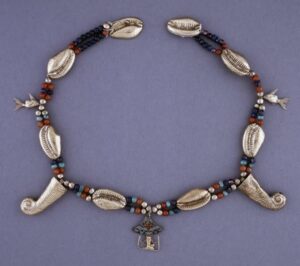
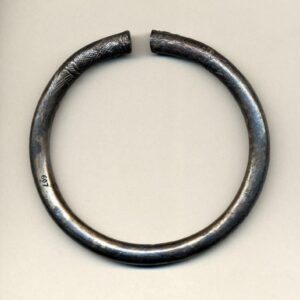
Celtic tribes relied heavily on silver alongside bronze for personal adornment, creating elaborately decorated brooches, torcs, and crescent-shaped lunulae. Prior to Roman conquest, the Celts bypassed traditional coinage in favor of "ring money"—standardized rings composed of silver, copper, bronze, or gold that served exclusively as a medium of exchange rather than wearable ornaments.
With the collapse of Roman trade routes and administrative infrastructure, gold became an extreme rarity in Europe, pushing silver to the forefront as the dominant metal for jewelry and decorative arts. Germanic jewelry of the migration period consisted largely of functional items such as fibulae, disc brooches, penannular brooches, and belt buckles, expertly fashioned from silver and frequently gilded or inlaid with garnet gemstones.
Following the Viking expansions around 800 AD, vast quantities of silver flowed into Scandinavia, where local silversmiths created thriving traditions of silver adornment. This trend was further amplified by the discovery of rich Swedish silver deposits around the turn of the first millennium. Germanic tribes readily adopted the Roman technique of niello inlay, using the dramatic contrast of black and white surfaces to accentuate intricate interlaced engraving patterns.
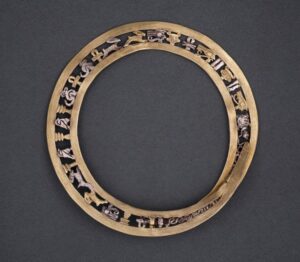
A quintessential masterpiece of this era is the Anglo-Saxon Fuller Brooch, housed in the British Museum. Dating to the ninth century, this circular hammered silver brooch is extensively inlaid with niello and features an openwork outer zone surrounding a central roundel. The intricate design personifies the Five Senses within its central field—surrounded by geometric animal and human motifs symbolizing creation—demonstrating the exceptional technical mastery achieved by medieval silversmiths.
As European society evolved and trade routes to the East were gradually re-established, gold reclaimed its status as the premier metal for fine aristocratic jewelry. Nevertheless, eastern trade also catalyzed the rise of a prosperous urban middle class. For individuals outside the ruling elite, silver jewelry provided an accessible and beautiful alternative. The scope of jewelry design expanded beyond purely functional items into decorative and symbolic pieces, including finger rings, bangles, and pendants. By the late Middle Ages, the trade and purity of silver items became rigorously regulated through the establishment of official assaying and hallmarking systems.
Renaissance Revival and Global Exploration
The Renaissance era, originating in Northern Italy during the late thirteenth century and flourishing globally between 1500 and 1600, was propelled by renewed commerce with the Levant, post-plague demographic recovery, and the explosive growth of Northern European trading centers. Following the fall of Constantinople in 1453, refugee scholars brought classical knowledge back to Western Europe, while Italian city-states accumulated vast wealth through international trade and papal influence.
The Age of Discovery radically transformed the global availability of precious metals. Following Christopher Columbus’s voyages, Spanish, Portuguese, French, Dutch, and English explorers raced to colonize the Americas. Spanish conquistadors such as Francisco Pizarro and Hernán Cortés subjugated the Inca and Aztec empires, seizing immense indigenous wealth. From 1546 onward, massive silver mines—most notably in modern-day Mexico and South America—began pouring unprecedented quantities of silver into the European market. A significant portion of this New World silver was shipped directly across the Pacific to China to acquire Asian luxury goods.
While silversmithing techniques remained largely unchanged from medieval practices, the sheer abundance of newly mined silver ensured that the metal remained economically viable both as currency and as an accessible precious medium for a growing, prosperous European middle class.
Baroque Innovations and Georgian Industrialization
During the Baroque period spanning the seventeenth century, the relentless influx of South American silver continued to reshape European economies. The Netherlands emerged as a dominant global naval and artistic power, frequently engaging in maritime conflicts with rival English and Spanish fleets over treasure-laden galleons returning from the Americas.
While core silversmithing methods remained stable, significant aesthetic shifts occurred. Portable timepieces emerged as a major technological and decorative novelty, frequently housed in silver cases. Crucially, the Baroque period witnessed the birth of a revolutionary jewelry trend: setting diamonds in silver. Because silver lacks the warm, yellow reflection of gold, the white metal perfectly complemented the colorless brilliance of diamonds, which were now flowing into Europe in greater quantities via direct maritime trade routes with India, bypassing traditional Arabic middlemen.
The subsequent Georgian era experienced a booming market driven by continuous South American silver production and the discovery of rich diamond deposits in Brazil beginning in 1727. Fine jewelry designs frequently combined a gold foundation with silver-topped fronts, though items composed entirely of silver remained widespread. The characteristic cut-down collet settings of Georgian jewelry were almost universally crafted from silver to enhance the white sparkle of enclosed diamonds.
A monumental turning point in manufacturing occurred in 1777 with the introduction of die striking. This innovative technique utilized specialized steel dies, presses, and drop hammers to stamp and cut precious metal components, which were then assembled by hand. This early form of mass production significantly lowered manufacturing costs, allowing large quantities of affordable, die-struck silver jewelry to flood commercial markets.
The Victorian Era and Industrial Expansion
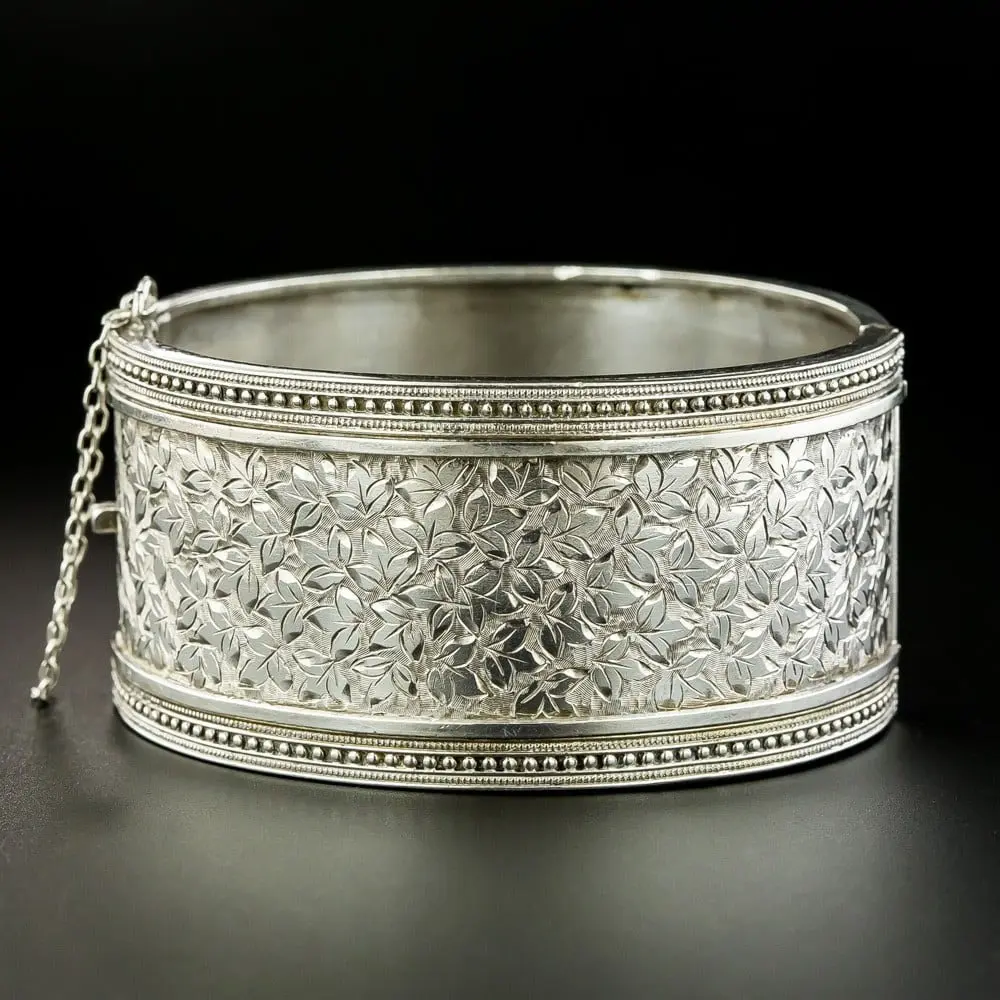
The Industrial Revolution of the nineteenth century profoundly impacted every facet of jewelry production, with silver playing a central role in mechanized stamping and die-striking operations perfected throughout the Victorian age. Cultural milestones also dictated fashion trends; following Queen Victoria and Prince Albert’s acquisition of Balmoral Castle in Scotland in 1848, Scottish agate jewelry surged in popularity, predominantly executed in silver in keeping with Northern European traditions.
Toward the close of the Victorian period, the Arts and Crafts movement emerged as a direct aesthetic rebellion against industrial mass production. For Arts and Crafts artisans, artistic design and craftsmanship were paramount, while the intrinsic material value of metals and gemstones was secondary. This philosophy favored silver over gold, and emphasized cabochon-cut stones in secure bezel settings rather than faceted gems, cementing silver’s enduring reputation as a medium of artistic integrity.