





In the modern fashion landscape, few terms are thrown around as casually—or misunderstood as profoundly—as the "investment piece." Originally used to denote a garment or accessory of exceptional quality and timeless design that would anchor a wardrobe for decades, the phrase has increasingly been co-opted by fast-moving commercial cycles to describe the latest trend of any given season. However, a growing movement within the sustainable fashion community is working to reclaim the true meaning of the concept, encouraging consumers to look beyond transient micro-trends and invest in items engineered to endure both physically and aesthetically.
At its core, defining a genuine investment piece comes down to a confluence of superior craftsmanship, versatile design, and enduring materials. While what is considered "timeless" remains deeply personal and tied to individual style, garments that transcend passing trends share common threads. They are crafted from high-quality fabrics, boast meticulous construction standards, and possess an inherent versatility that allows them to be styled seamlessly across multiple outfits and seasons. This adaptability is not merely a stylistic preference; it is a foundational pillar of sustainable fashion, serving as the antidote to a culture of disposability that has long dominated the global apparel industry.
Adopting this mindset requires confronting the economic realities of clothing production. There is no escaping the fact that genuinely sustainable clothing carries a higher up-front financial cost than the hyper-accelerated output of fast fashion. Fast-fashion business models routinely rely on cutting corners at every stage of the supply chain, externalizing environmental degradation and circumventing fair labor practices to keep retail prices artificially low. Conversely, paying a higher initial price for a garment reflects the true cost of sourcing better, longer-lasting materials and ensuring that the artisans and garment workers who construct the pieces receive a living wage.
While the initial outlay can present a barrier, industry data increasingly points to the long-term economic viability of buying better. Research published by resale platform Vestiaire Collective indicates that the cost-per-wear of pre-loved designer and high-quality garments ultimately averages out to be significantly cheaper over time—often cited as roughly 33 percent more cost-effective in the long run than repeatedly purchasing brand-new fast fashion alternatives. Because fast-fashion items degrade rapidly, lose their shape, or fall out of favor within weeks, they require constant replacement, quickly accumulating financial costs while swelling overflowing landfills.
At the same time, the broader industry acknowledges the complex realities of personal finance. Not every consumer is in a position to spend hundreds or thousands of dollars on a single brand-new luxury or independent designer item. For those navigating tighter budgets, exploring more affordable brands that maintain rigorous ethical standards offers an approachable entry point. Alternatively, tapping into the thriving secondary market through trusted platforms such as Vestiaire Collective or eBay provides another viable pathway for acquiring enduring wardrobe staples without paying premium retail prices.
The Foundation of Trust in Sustainable Curation
Navigating the landscape of ethical consumption can often feel overwhelming, particularly as greenwashing becomes more pervasive across the retail sector. Providing trustworthy, transparent recommendations that align with consumer values requires a rigorous framework rooted in accountability. The central mission for conscientious shoppers has long been guided by a simple yet radical motto: buy less, buy better.
To cut through the noise of marketing claims, credibility is established by aggregating comprehensive, transparent data regarding a brand’s environmental, social, and animal welfare impacts. Utilizing sophisticated methodologies developed by diverse experts, comprehensive evaluation systems assess thousands of brands globally. Through a structured five-point scale, independent ratings directories curate directories populated exclusively by brands achieving "Good" or "Great" ratings, signifying substantial, verifiable contributions to more sustainable industry practices.
Editorial teams driven by deep industry expertise routinely review and approve individual brand recommendations, ensuring that featured items meet uncompromising standards of quality, longevity, and stylistic endurance. While the broader sustainable fashion community places immense value on circular practices such as rewearing, mending, and shopping second-hand, curated directories of new brands serve a distinct purpose. They guide consumers toward forward-thinking enterprises that are actively transforming industry standards from the inside out, offering alternatives that align with personal values and long-term sustainability targets.
Defining Wardrobe Longevity Through Conscious Design
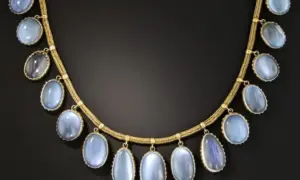
To illustrate what true investment pieces look like in practice, industry analysts and ethical fashion advocates frequently point to specific independent labels and designers who prioritize longevity over seasonal volume. Among these is New York-based FUTURA Jewelry, a pioneering brand specializing in handcrafted fine jewelry. Each piece is forged using mercury-free 18kt Certified Fairmined Ecological gold, sourced exclusively from a select group of certified mines globally that abstain entirely from the use of toxic chemicals such as mercury and cyanide during the extraction process.
Accessories also play a critical role in a long-lasting wardrobe, a space occupied by British vegan accessories label Mashu. Earning a "Good" environmental rating, the brand focuses on crafting structural handbags that utilize innovative vegan leather alternatives for their exteriors. Inside, the bags are lined with a soft vegan suede manufactured from recycled polyester, demonstrating that ethical considerations do not require a compromise on structural integrity or aesthetic refinement.
In the realm of apparel, Dutch minimalist label CAES operates under the guiding philosophy that fashion does not need to be bound by fast-paced seasonal cycles. The brand champions timeless silhouettes crafted from lower-impact materials, including Desserto cactus leather, recycled cotton, and Tencel Lyocell. Alongside its material innovations, CAES maintains a partial supply chain trace and adheres to a code of conduct incorporating key principles from the International Labour Organization’s Fundamental Freedoms.
Fine jewelry design is further represented by Bario Neal, an independent studio celebrated for creating custom handmade rings and heirloom pieces. The atelier relies on conflict-free diamonds, ethically sourced gemstones, and lower-impact materials such as reclaimed precious metals and Fairmined gold. By transforming these responsible inputs into distinctive, durable designs, the brand bridges the gap between sentimental value and environmental accountability.
Contemporary womenswear similarly benefits from the leadership of industry veterans like Amy Powney, whose brand Akyn focuses on creating contemporary, timeless apparel using lower-impact materials. Designed to weather the shifting tides of micro-trends, the label’s collections emphasize enduring cut and quality.
Rounding out these examples is HERTH, a label producing organic silk womenswear and delicate lingerie entirely in Italy. Characterized by refined silhouettes, meticulous attention to detail, and a fully traceable supply chain, the brand offers its extensive range across an inclusive sizing spectrum from extra-small to double-extra-large.
As the conversation surrounding fashion consumption continues to evolve, the emphasis remains squarely on shifting the collective mindset away from impulse purchasing and toward deliberate, considered acquisition. By prioritizing quality construction, transparent supply chains, and timeless design, consumers and creators alike are laying the groundwork for a more resilient and enduring wardrobe ecosystem.