




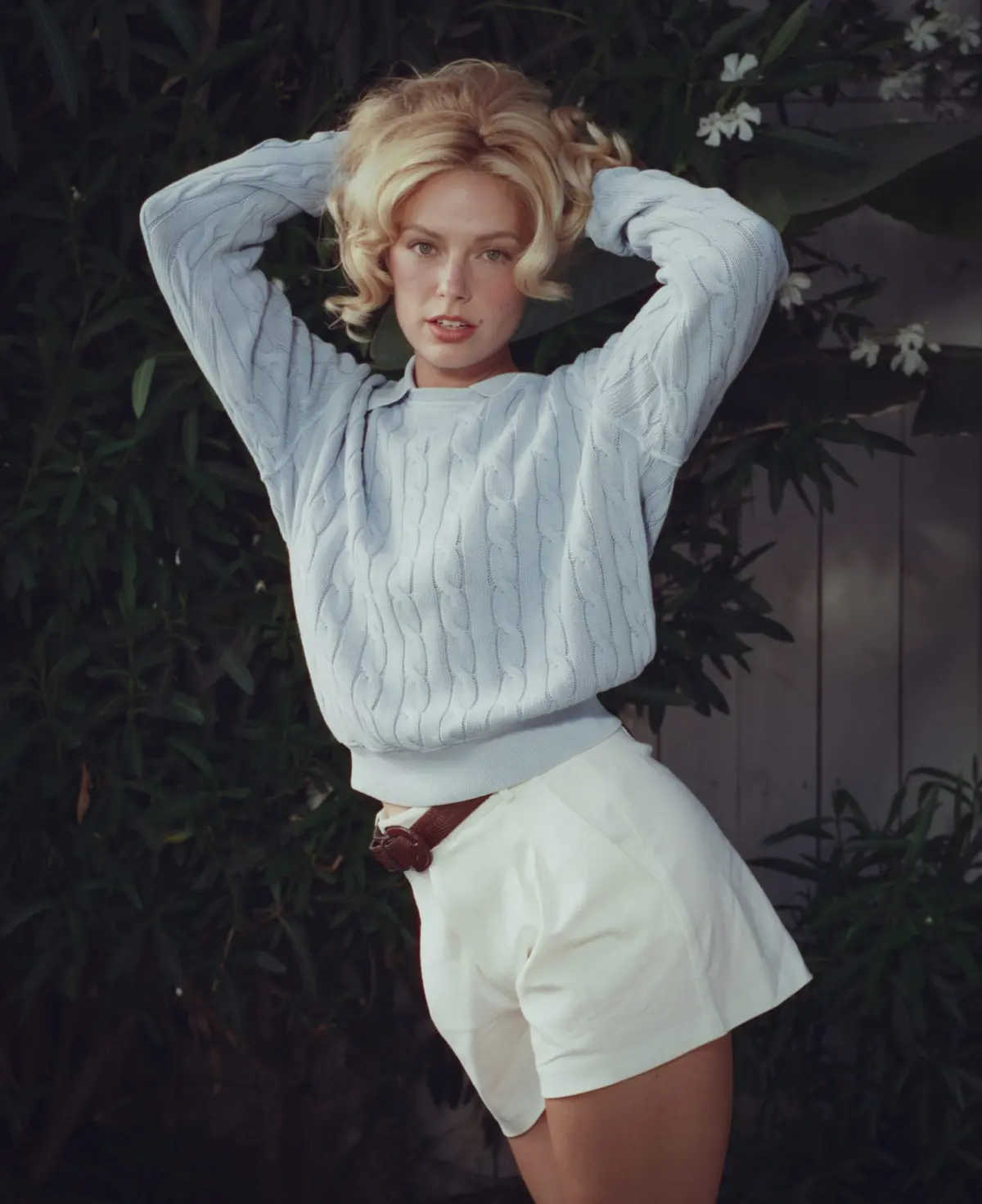
“Doesn’t the album kind of taste like cacio e pepe?” asks Ashelyn Rae Willison, connecting via a Finsta handle that proudly labels her an introverted pop star. The 33-year-old singer-songwriter is describing her fourth solo album, The Girl of Your Dreams, as a piece of comfort food that packs a distinctly peppery, spicy kick. Following an advanced listen, the comparison feels entirely apt. The record guides listeners through a cinematic narrative arc that tackles the disorienting highs and lows of being love-bombed, navigating the sting of betrayal from a former friend, and ultimately stumbling into an imperfectly perfect kind of love—the morbid kind.
“The heart of it really is this unraveling of the illusion of the dream girl,” she explains. Ashe begins our Zoom conversation by quickly reapplying lipstick in front of the camera, casually recommending monthly vitamin IV drips to cope with the relentless pace of her life. Last year was a milestone period for the artist: she married music artist and drummer John Canada, and she simultaneously released an album titled The Dream with her supergroup, The Favors, alongside Finneas, her longtime collaborator and notable producer and brother to Billie Eilish.
I first discovered Ashe back in 2019 when I stumbled upon her gut-wrenching sleeper hit “Moral of the Story,” a vulnerable track that chronicled her divorce and was later re-released featuring Niall Horan. Admittedly, her music was on heavy rotation when I was 23 and, coincidentally, about to walk down the aisle with the wrong person. Listening to her latest project, I am instantly captivated by a sonic sensibility reminiscent of Carole King, paired with the whimsical romance of starry orchestral strings and witty lyricism born exclusively from painful, personal growth. The concept of being a “dream girl” is an idealized image that Willson playfully turns on its head and deconstructs across 11 tracks. It is a projected archetype that, as she points out, is ultimately “something to outgrow.”
Ahead of the album’s release, I caught up with the artist to discuss the meticulous creative process, her views on modern romance, and why she is finally learning to trust her gut.
Building a Sensory World
When discussing the creative process behind The Girl of Your Dreams, Willson reveals a deeply tactile approach to songwriting. Rather than beginning purely with melodies or lyrics, she started with physical inspiration.
“I started with a bulletin board, a physical back-to-school bulletin board that had all these different fabrics and textures on it, leather and plaid, an entire color palette,” she shares. “I wanted to be able to look at this bulletin board as we were working on the record and get tactile with it. I knew what I wanted it to smell like. There were crushed rose petals on the bulletin board and old keys, that smell of monkey bars or iron.”
She immersed herself in sensory details throughout the recording sessions, burning a specific candle every time they worked on the music. “I’m such a sensory person. I had pictures of what I thought the album might taste like. So there’s a picture of cacio e pepe pasta on there.”
This cinematic vision extended to classic cinema. When asked about artistic influences, Willson points directly to Hollywood’s golden age of suspense. “Alfred Hitchcock is my favorite, all-time favorite,” she says. “I kept thinking of Dial M for Murder or To Catch a Thief, and I thought that was a real time of Hollywood that I grew up loving, and I haven’t seen really captured. I thought, if we could nail a bit of Grace Kelly in Hitchcock, that’s so honoring who I am and what has inspired me.”
Raising the Bar for Modern Romance
The conversation naturally shifts toward the album’s themes of romance and partnership, particularly the track “Lasso the Moon.” Listening to the song evokes a whimsical desire to pull on a pair of cowboy boots and dance forever under a lunar sky.
When asked if she wants someone to lasso the moon for her, Willson offers a sharp, realistic laugh. “Can I lasso it for myself? Yes. Do I want to? No. So thanks. Go get that for me. I’m so over this narrative of, ‘but he’s a good guy.’ The bar is on the floor, girls.”
Elaborating on the state of contemporary dating, she expresses disbelief at how little is expected of partners today. “What a time we’re living in right now! I’ve had friends who are truly impeccable women who do not see it, don’t own it, and then settle for the guy who does the bare minimum because ‘a guy who doesn’t violate you is now a good guy.’ You get the car door opened for you once, and you’re like, ‘I’m gonna marry him.’ He needs to keep opening the door and doing a hell of a lot more than that. He needs to go get the moon, and until he does, we’re not accepting anything less.”
The themes of the album have deeply resonated with fans, prompting many to share their own “Stop the Wedding!” stories. Willson admits that hearing these accounts brings up complex emotions.
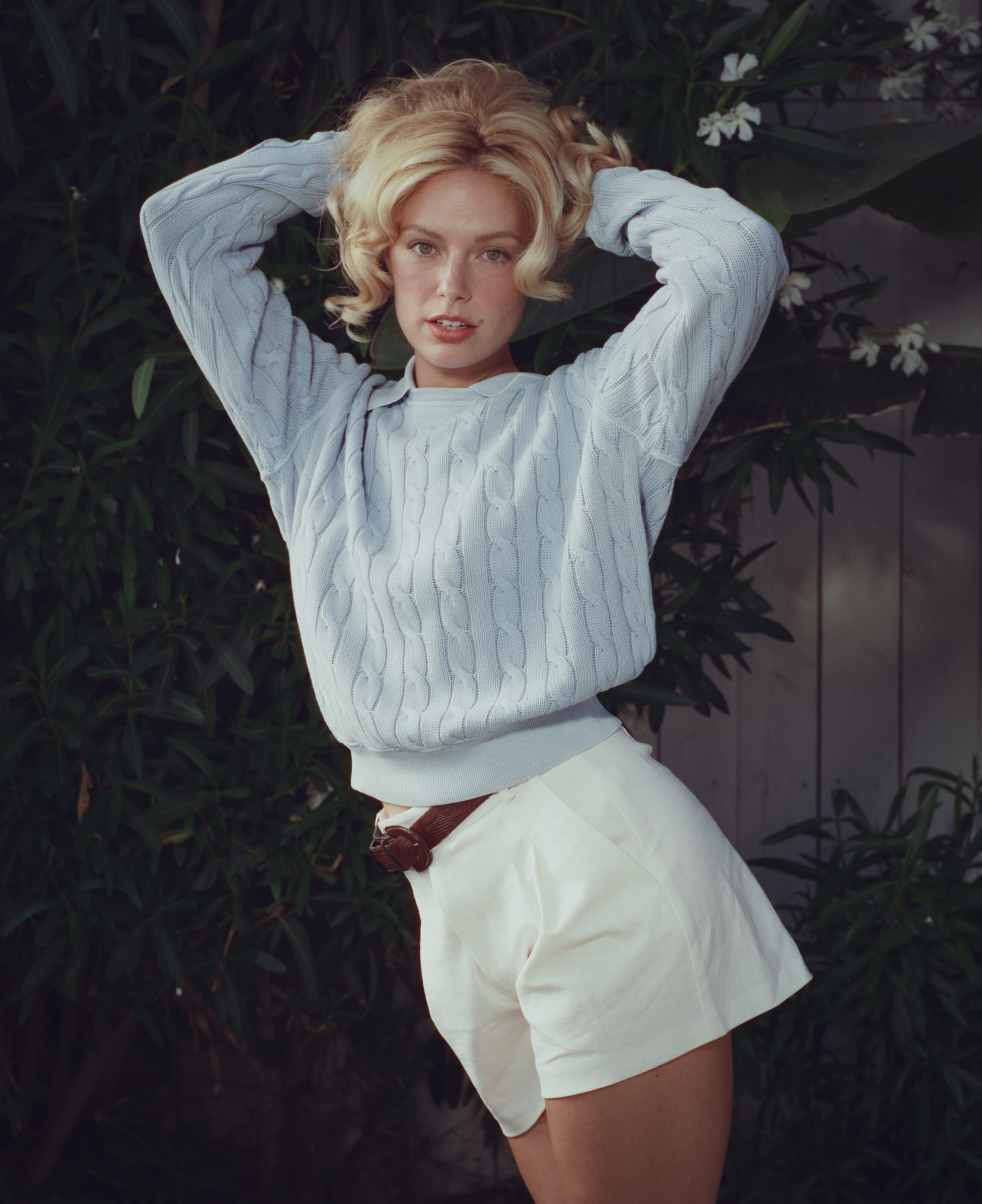
“It’s a wee bit emotional in that I wish I had this song back when I married the wrong guy,” she reflects. “There’s so much good that came from making a bad choice, but there was a lot of bad that came from making a bad choice. I don’t know that I would have done things differently, but if I had this song… maybe.”
She has been moved by the online response from listeners. “I’ve seen so many comments from people that are saying, ‘This has made me rethink my relationship, or better yet, this has made me love my person more.’ I’m taking even more ownership in this relationship I have because this is right, and I would never stop the wedding. That’s really cool.”
Deconstructing Past Trauma
As a newlywed, Willson acknowledges that her current marital status inevitably influenced the project, though not in the way one might expect. She did not set out to craft a superficial love album about constant sunshine and easy happiness. Instead, her relationship with her husband represents a healthy dynamic built on mutual independence.
“The relationship I have with my husband is the first time I’ve been in a relationship where he’s a whole person and I’m a whole person, and then we come together and create this other thing,” she notes. “We’re not broken. I’m not looking to him to fix something. Too many people go into relationships viewing themselves as broken and looking for the guy or whomever to fix the thing. Or broken marriages that have a baby as if the baby’s gonna fix it. Ahhh! Stop the baby, stop the child! And I’ve been that before: the broken half to someone else’s broken half. It does not make a whole. It makes this toxic other thing.”
This realization required a deep deconstruction of her past experiences, including the subtle manipulations she endured before learning to recognize red flags. She points to her track “Love Bomb,” noting that the term itself is a relatively recent addition to the cultural lexicon and was not part of her vocabulary when she experienced it firsthand. She wrote the song not from a place of lingering anger, but from a position of clarity.
“You can’t see the forest from the trees. That’s why we need our friends, even if we don’t want to hear it,” she says. “Now I have this song, and we can just slip it onto a playlist for some good subliminal messaging.”
For women struggling to trust their instincts in unhealthy relationships, Willson hopes her music offers validation. “We learn to trust our women’s intuition more as we get older, if we’re willing to tune into it. It has taken me a while to be able to label it or name it. But the ick? That’s a female guttural instinct. Listen to that. It’s not just you. I think maybe this song could help in the service of that intuition, hopefully.”
Asked about her own modern dealbreakers, she doesn’t hesitate: “Well, the guy posting a gym mirror selfie is pretty gross to me. Which, by the way, stop that.”
Finding Enduring, Real Love
On the track “Funeral,” Willson explores the solemn yet romantic concept of choosing the person who will ultimately be the last to speak at your service. For the singer, writing that song marked a turning point in accepting that lasting, profound love was truly possible for her.
“I finally found that person, and I resolved myself of feeling that it didn’t exist for me,” she shares. “It was special to meet my now husband John, and to feel this enduring, lasting, imperfect, but real love. A real lasting love is morbid. Love that lasts means that you’re picking the person who’s going to bury you.”
Drawing inspiration from the long-term journey of her grandparents, who navigated decades of trials before reaching the twilight of their lives, she sees the track in a new light. “When I listen to ‘Funeral,’ I think of them now.”
That domestic reality bleeds into their everyday life together. “My husband had incredible vows, so I sort of thought, ‘Wow, well, if these are his vows, then his speech at my funeral is going to be pretty classy.’”
She smiles warmly as she describes her husband’s musical inclinations around the house. “My sweet man sits down at the piano at the end of a long day and he’ll just start singing a song. He loves Billy Joel. He’ll start singing, ‘She’s Always A Woman To Me,’ and I’ve never dated anyone else who can sing, let alone marry. He’s got a pretty, lovely, velvety voice.”