




In recent years, the "open call" has become an almost unavoidable fixture within the world of contemporary jewelry. Across the globe, exhibitions, competitions, international residencies, and festival weeks rely heavily on the format as a seemingly democratic mechanism for discovering fresh artistic talent and generating broad visibility. Yet, beneath the surface of this widespread practice, critical voices are beginning to emerge. Organizers and participants alike are asking urgent questions about a system where the rhetoric of openness frequently conceals an unequal distribution of labor. More often than not, it is the artists themselves who must carry an increasingly heavy share of the administrative burden, the financial risk, and the emotional investment.
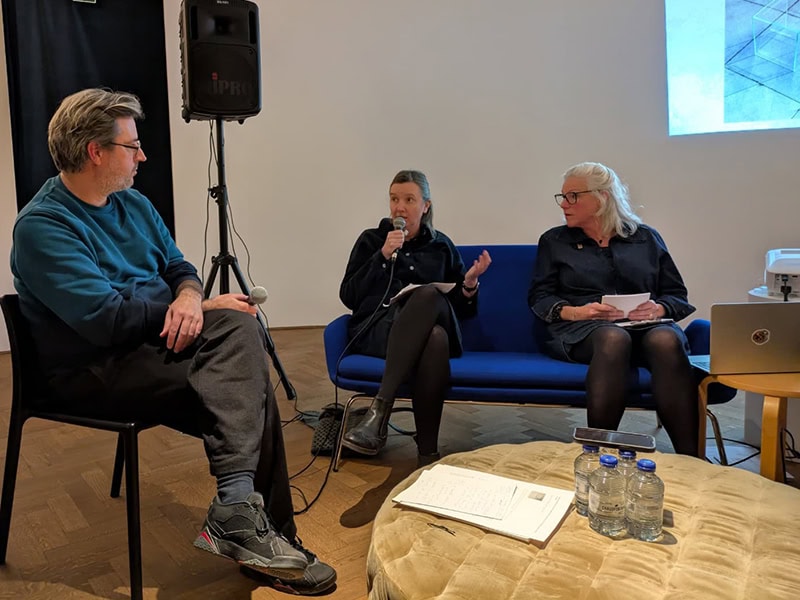
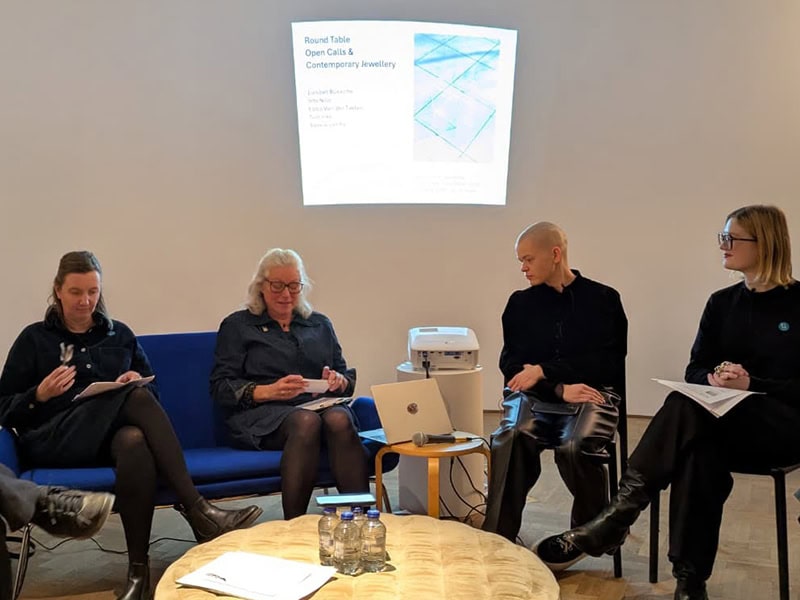
This critical examination of the open-call system finds its roots in a roundtable discussion titled Open Calls and Contemporary Jewelry, held on November 22, 2025, at the DIVA museum in Antwerp during the Obsessed! festival. Moderated by art historian Saskia van Es, the panel convened a diverse group of voices from across the sector, including artists Into Niilo and Liesbet Bussche, freelance curator Ebba Van der Taelen, and Tom Iriks, a curator at the DIVA museum. As the conversation unfolded, it quickly became apparent that organizers and applicants often experience and understand the open-call format in radically different ways.

Rejection as Part of Professional Life
The discussion commenced with a visual presentation by Saskia van Es, who shared slides of the artwork Open Calls by Ana Escobar Saavedra. The piece draws direct inspiration from Rachel Mason’s influential essay, Artist as Applicant, which describes a shifting cultural paradigm where the daily labor of an artist gradually transforms from the physical creation of work to the endless submission of administrative applications.
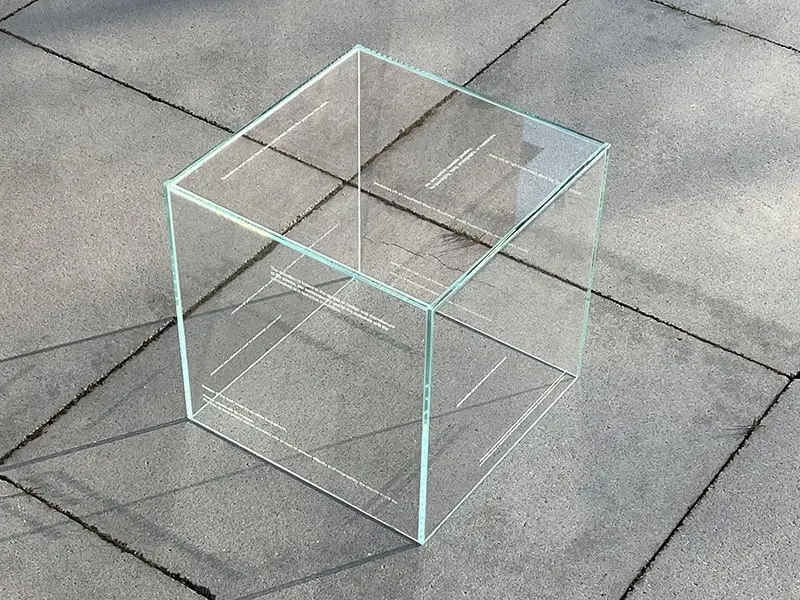
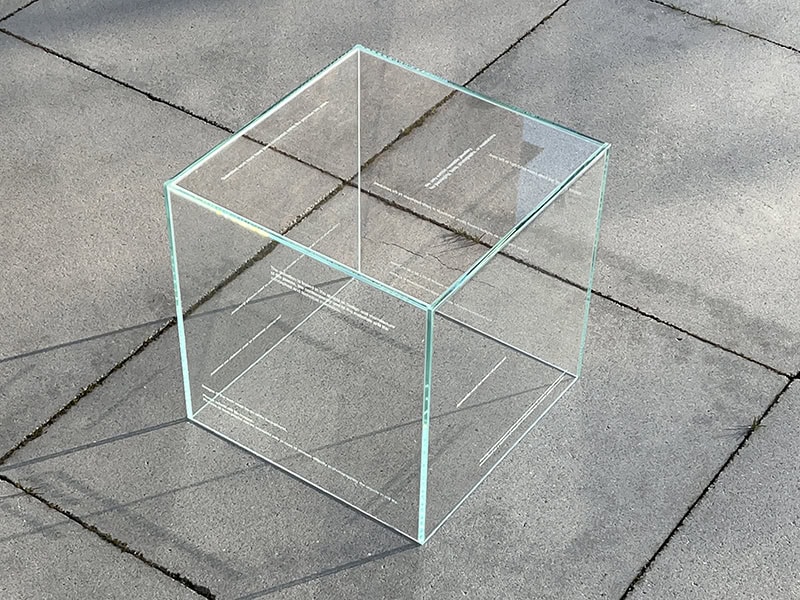
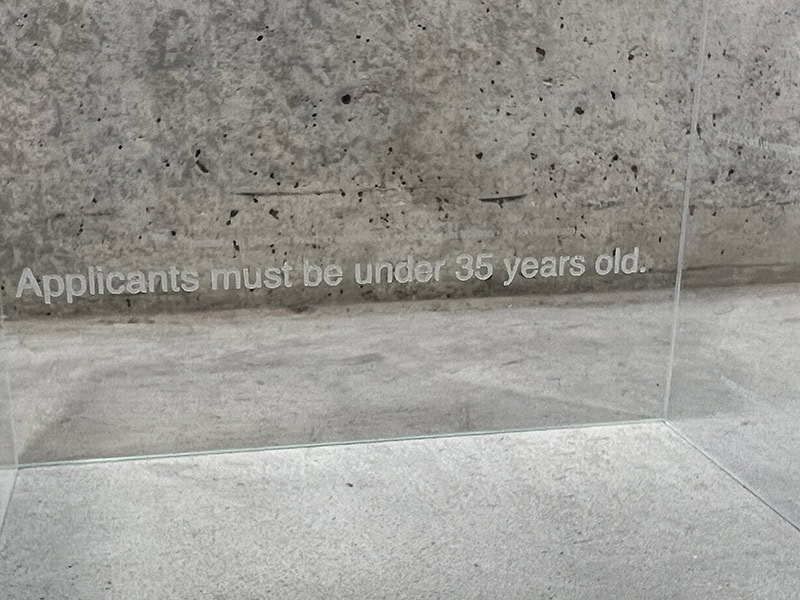
Escobar’s installation features a glass cube intricately engraved with familiar phrases lifted directly from various open calls. Visitors read strict parameters such as "Work must fit in 30 x 30 x 30 centimetres," "We only exhibit wearable jewelry," and the ubiquitous age restriction, "Applicants must be under 35." The installation serves as a striking metaphor for the contemporary open-call ecosystem, presenting words trapped tightly inside a glass enclosure with barely enough room to breathe.
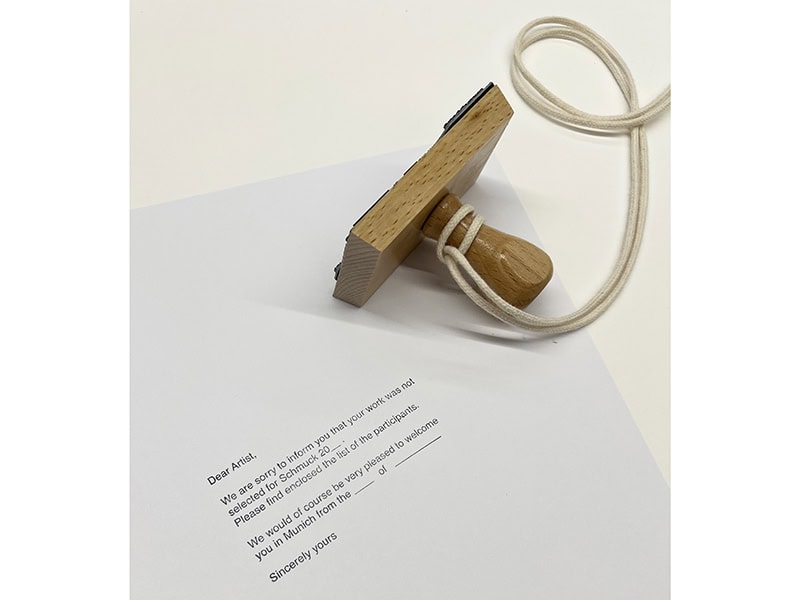
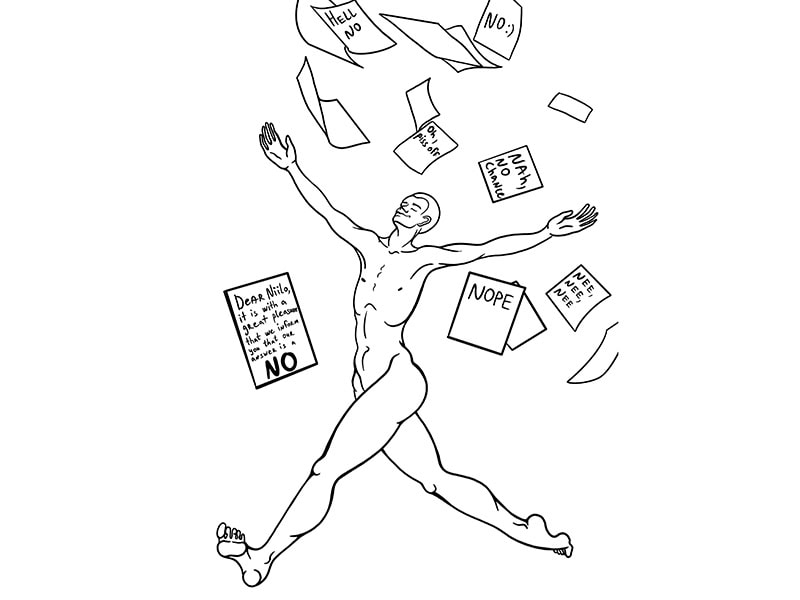
The second component of Escobar’s work, titled Maybe Next March, reproduces the standard, automated rejection emails sent out year after year by the organizers of the prestigious Schmuck exhibition in Munich. Opening with the familiar formula—"Dear Artist, we are sorry to inform you that your work was not selected for Schmuck"—the message concludes with a polite invitation for the rejected artist to travel to Munich anyway. Through this repetition, rejection is codified into a routine form of polite bureaucracy that simultaneously produces emotional distance while feigning professional proximity.
A bitter ripple of laughter moved through the audience during this segment of the panel. Most contemporary artists have learned through bitter experience to accept rejection as a standard, inescapable part of professional life. However, the arbitrary nature of certain selection criteria becomes painfully apparent when scrutinized, particularly regarding rigid age limits. While often defended as a necessary mechanism to support "emerging artists," such thresholds wrongly equate youth with emergence. In reality, many contemporary jewelry artists begin their creative journeys later in life, pivot from entirely different career paths, or gain access to educational resources and networks much later. Consequently, criteria intended to foster support can quickly transform into structures of exclusion.
The Open Call Fan Club
Open calls reveal a great deal about how contemporary jewelry understands, values, and organizes itself as a discipline. During the Antwerp roundtable, the term "open call" proved slippery, simultaneously referring to a democratic opportunity, a practical selection tool, a curatorial method, a business model, or a networking platform.
From the perspective of a museum curator and public mediator like Tom Iriks at DIVA, the open call often functions as an invaluable pragmatic instrument. Thoroughly scouting new artists demands substantial time and resources, whereas an open call reliably brings unfamiliar work directly to an institution’s attention. At the same time, there is a clear desire to rescue the format from its worst systemic manifestations. As Iriks noted during the discussion, the open call remains a valuable tool "if it’s done well"—a nuance that remains essential to preserve. The underlying issue is not the existence of open calls per se, but rather how they are deployed as a default, lazy solution to structural shortages of time, resources, and institutional creativity.
For panelist Ebba Van der Taelen, founder of Unpolished—a platform dedicated to emerging Belgian jewelry artists—the open call initially seemed like the most natural starting point. Seeking to carve out space for unfamiliar voices and fresh perspectives for an exhibition focused on identity and transformation, Van der Taelen invited artists to submit their work. The resulting selection functioned simultaneously as a cohesive presentation and as the platform’s foundational curatorial statement.
Yet, this exercise in openness quickly encountered practical boundaries. The call was launched immediately prior to the summer holiday season, a time when academies and institutions were closed. Promotion relied heavily on Instagram advertisements and digital circulation. Long before any curatorial selection took place, the mechanics of visibility were already shaping the final outcome. Artists first had to happen across the call online, meet the precise eligibility criteria, and possess the necessary time and resources to assemble a comprehensive portfolio during the summer months. Despite aspiring to radical openness and accessibility, the platform remained inextricably bound to the algorithms and calendars governing modern digital visibility.
Open Call Season
In stark contrast to the institutional and curatorial perspectives stands the lived experience of the applicant. Artist Into Niilo described the application cycle as a grueling marathon concentrated around the months of October and November—jokingly dubbed "open call season"—and compared the entire undertaking to gambling. This vivid metaphor evokes the image of artists casting messages in bottles into a vast ocean, hoping against hope that someone on the distant shore might reply. Yet, as Niilo emphasized, this metaphorical gambling reflects a harsh economic reality.
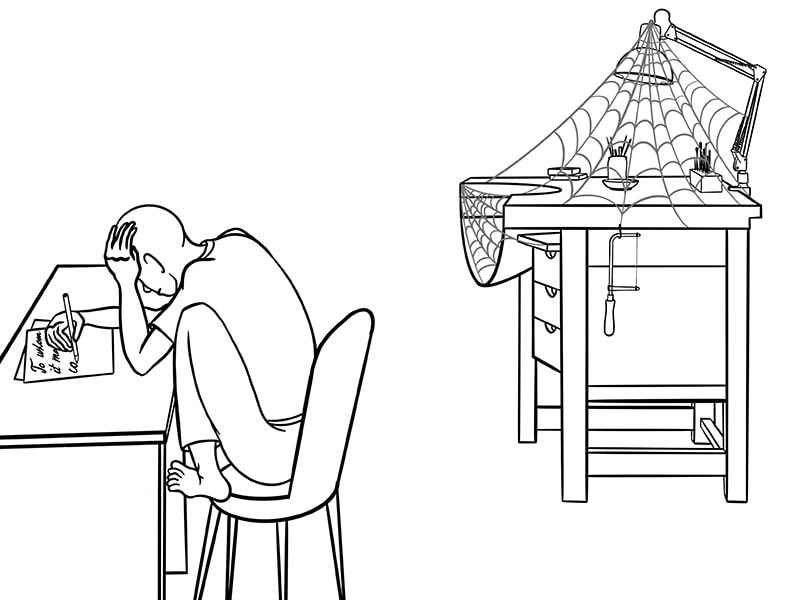
Artists routinely shoulder application fees, international transport costs, and insurance expenses. Many are also expected to cover their own travel and accommodation costs if selected, simply because their physical presence is mandated at the exhibition venue. This financial drain compounds the extensive unpaid labor required to prepare portfolios, artist statements, professional photographs, and detailed application forms.
Consequently, a significant portion of the structural risk is systematically shifted from the organizing institution onto the individual artist. For cash-strapped institutions, the open call offers an efficient mechanism to harvest massive quantities of submissions with minimal overhead. For artists, however, participation becomes a speculative financial and emotional investment with zero guarantee of visibility, sales, or fair remuneration.
Curatorial Poverty
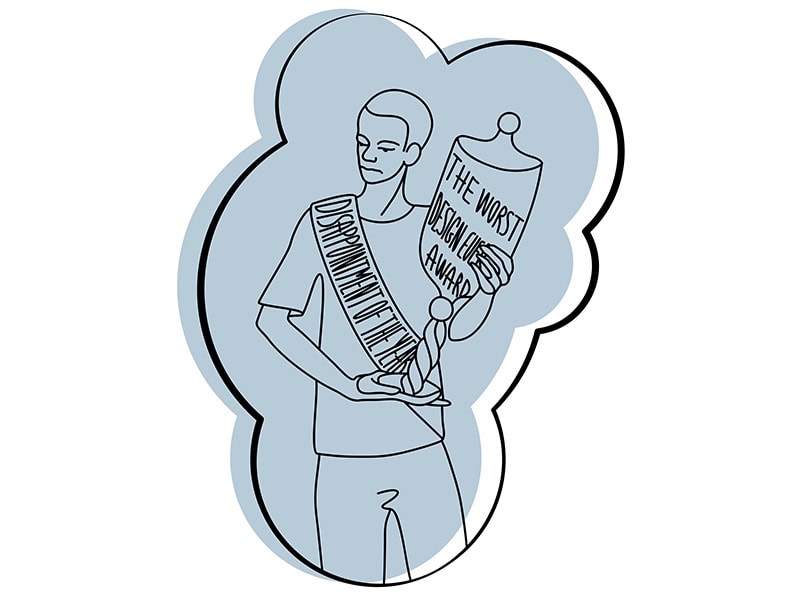
Liesbet Bussche voiced deep hesitation regarding her continued participation in open calls, directing her critique not only at the mechanics of the format itself, but also at what these calls have come to replace. Bussche laments the declining prevalence of thoughtfully curated exhibitions defined by clear conceptual themes, rigorous substantive criteria, and long-term, sustained engagement between curators and artists.

According to Bussche, open calls far too frequently result in superficial "one-piece shows"—exhibitions that restrict participants to a single submitted work. Under these constraints, artwork can rarely be presented as originally intended, leaving virtually no room for broader context or narrative depth. Jewelry is abruptly reduced to a solitary object expected to single-handedly represent an entire artistic practice while fighting for scraps of attention among dozens of competing entries.
In such settings, jewelry risks becoming entirely divorced from the conceptual stories and material investigations that generated it. This dynamic constitutes a form of narrative theft, where objects are stripped of their stories and presented as isolated commodities. Rather than serving as a genuine curatorial proposition, the open call risks deteriorating into a mere distribution mechanism for isolated items—producing little more than an arbitrary accumulation of objects rather than a coherent intellectual argument. Bussche further contends that art schools have a responsibility to train students to critically evaluate open calls, ensuring they understand when an institution is treating an artwork less as part of a sustained practice and more as a fungible image circulating within a competitive visibility economy.
Transparency and Responsibility
A particularly revealing moment during the roundtable occurred when the panel compared two distinct calls issued by respected organizations: a themed group exhibition organized by the WearHouse in Amsterdam and the Italian Montebello Award. The comparison made it clear that these represented fundamentally different models—one operating as a curated group exhibition and the other functioning as a competitive prize.
This distinction is crucial because the umbrella term "open call" is currently applied to a vast array of distinct systems. Under a single label, the field conflates exhibitions, prizes, artistic residencies, festivals, and networking platforms, each carrying entirely separate expectations, power dynamics, and economic models.
Throughout the discussion, the conversation repeatedly returned to the core issue of institutional responsibility. What does "openness" genuinely mean when criteria remain frustratingly vague, when organizers provide sparse background information, or when artists are forced to subsidize production, transport, and participation out of their own pockets? True openness requires clarity; without it, accessibility is replaced by confusion.
The dialogue ultimately underscored the urgent need to transition from "openness as a marketing tool" toward "openness as institutional responsibility." A sustainable future for contemporary jewelry demands practices where transparency, contextual care, fair financial compensation, and shared responsibility take precedence. If the field insists on maintaining its profound relationship to the human body—valuing intimacy, tactility, personal narratives, and the social life of objects—the community must critically examine which infrastructures genuinely sustain those values.
Ana Escobar’s engraved glass cube stands as an enduring, potent symbol of this dilemma: a transparent structure that simultaneously encloses and restricts. As the contemporary jewelry community navigates the future of its exhibitions and opportunities, the central question is no longer how to make the glass enclosure look more attractive, but whether artists can still breathe inside it.