





To perhaps no one’s surprise, a certain French maison has once again taken the crown for the most-searched brand on a popular secondary marketplace. Chanel has officially claimed the top spot on The RealReal this year, according to the luxury resale platform’s highly anticipated 2026 Resale Report. The announcement underscores the enduring power of classic French luxury, but it also highlights a dynamic shift in how creative leadership, vintage archives, and strategic consumer habits are reshaping the multi-billion-dollar secondhand fashion economy.
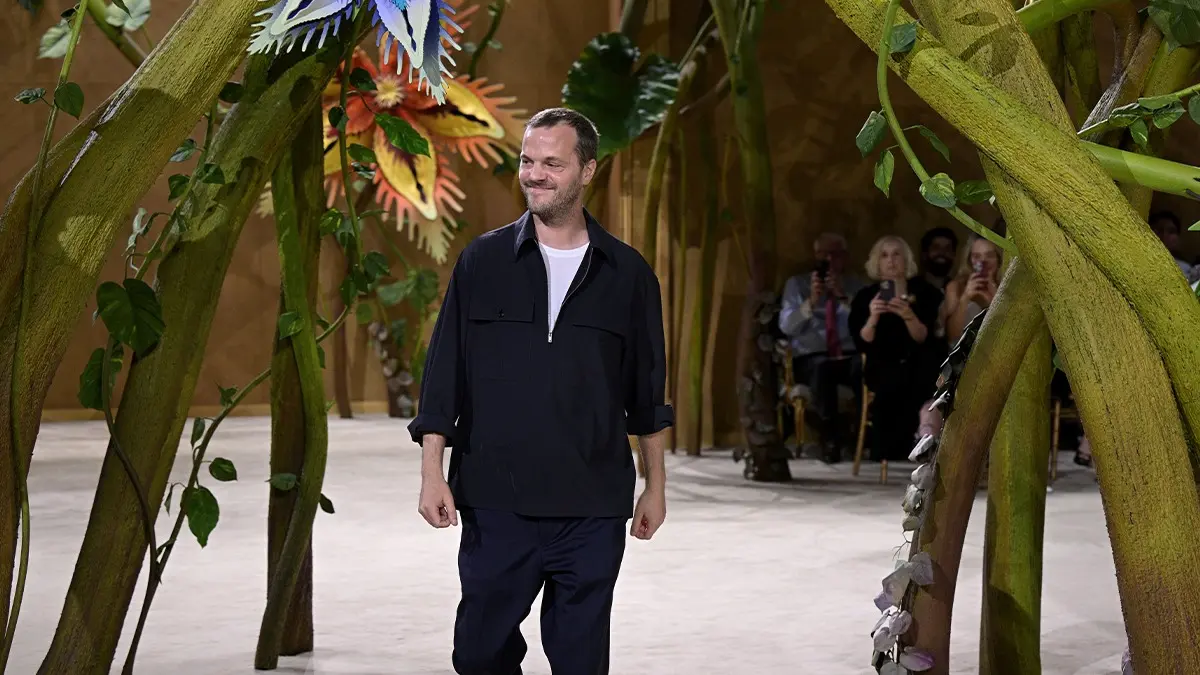
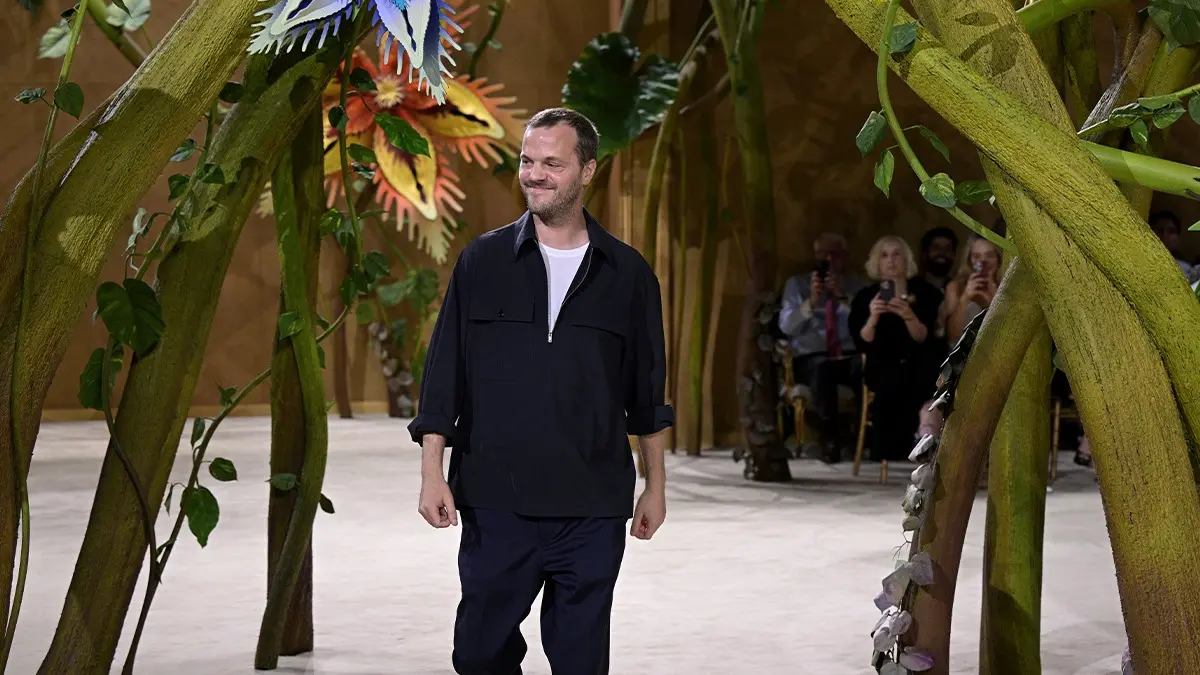
Leading the charge for the historic fashion house is Matthieu Blazy, whose highly coveted collections since joining the brand in late 2024 have caused a massive frenzy both online and offline. Blazy’s visionary designs have captured the imagination of fashion enthusiasts globally, translating into an astonishing surge in digital interest. According to data released by The RealReal, searches for the creative director on the platform have skyrocketed by a staggering 10,967 percent over the past year alone. This unprecedented spike illustrates a broader truth about contemporary luxury retail: who sits at the helm of a major fashion house makes all the difference in consumer demand, driving collectors and trendsetters alike to scour resale platforms for the latest coveted pieces.
The ripple effect of creative director appointments is evident across the broader luxury landscape. Sarah Burton, now steering Givenchy, and Jonathan Anderson, leading Dior, have also experienced massive upticks in consumer interest of late. Searches surrounding Burton and Anderson have jumped by 243 percent and 158 percent, respectively, proving that a fresh, celebrated artistic direction immediately revitalizes a brand’s footprint on the secondary market.

Meanwhile, the brands following Chanel as the most-searched labels on The RealReal this year will come as a shock to no one, representing the absolute heavyweights of the global luxury sector. Louis Vuitton, Prada, Gucci, and Miu Miu round out the top five most-searched brands on the platform. They are closely followed by an elite cohort of tailoring and leather goods specialists, including The Row, Hermès, Saint Laurent, Bottega Veneta, and Balenciaga. Together, these houses form the bedrock of the modern luxury resale ecosystem, maintaining consistent liquidity and high desirability among secondary buyers.
Beyond individual brands and creative directors, the 2026 Resale Report sheds light on changing valuation trends for some of the fashion industry’s most iconic accessories. Many legendary handbags have seen a dramatic boost in average sales prices over the past decade, reflecting both the steady increase in primary market retail pricing and the growing scarcity of pristine legacy designs. Fendi’s iconic Baguette, for instance, has seen its average sales price on the platform surge from a modest $294 a decade ago to an impressive $3,012 today. Similarly, the classic Gucci Jackie has climbed from an average of $260 to a cool $1,110, demonstrating that heritage styles from storied houses remain exceptional stores of value.
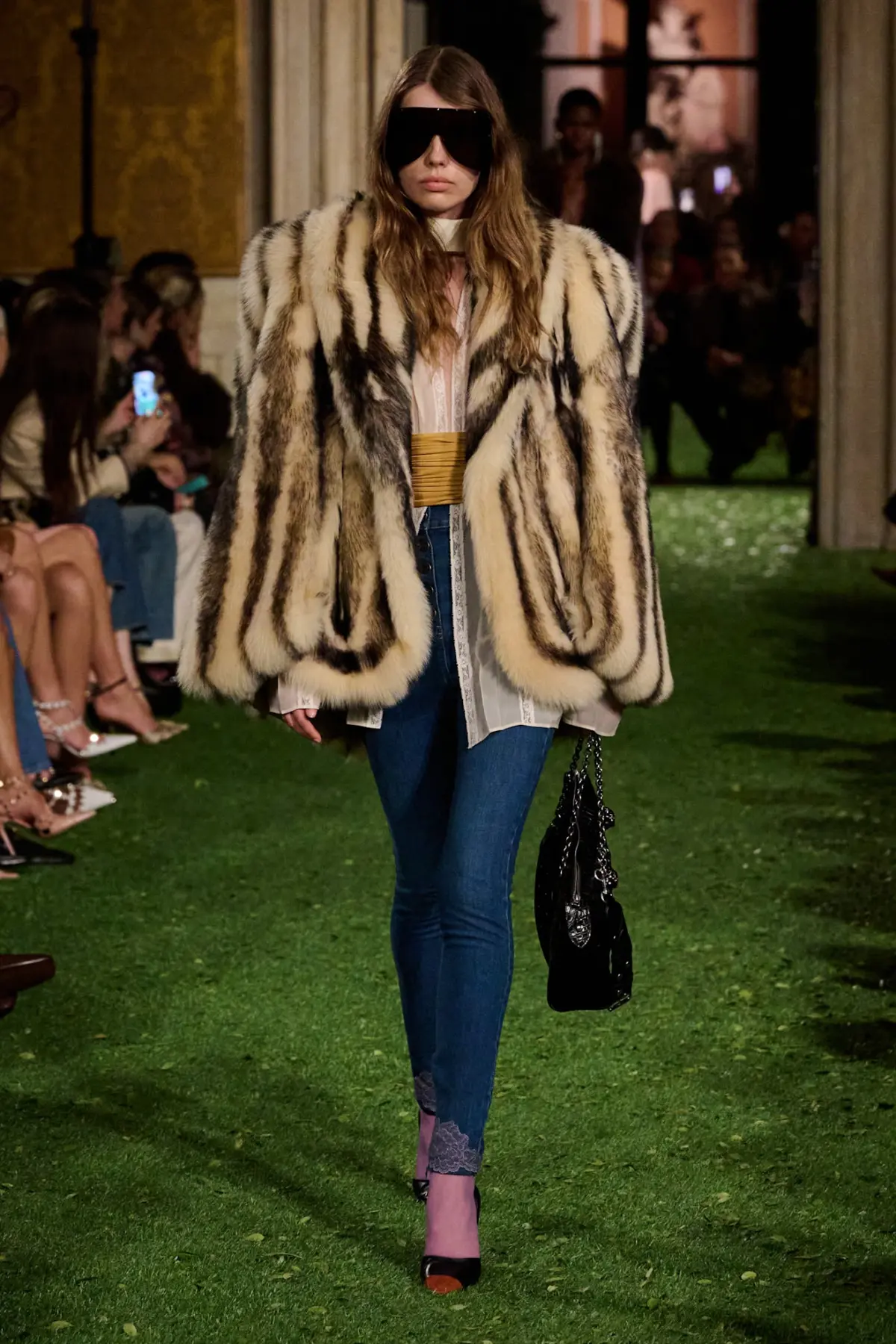
In general, however, authentic vintage pieces have modern consumers in a tight chokehold. Total demand for items that are 15 or more years old—the strict benchmark that The RealReal uses to define true "vintage"—has skyrocketed by an incredible 432 percent from 2020 until now, according to the report. Shoppers are increasingly bypassing contemporary fast-fashion trends and fleeting micro-trends in favor of archival pieces that offer distinct craftsmanship, superior materials, and a sense of fashion history. Furthermore, historical aesthetic revivals are making their mark on modern wardrobes. Styles inspired by the Belle Époque era—characterized by dramatic drop-waists, intricate draping, and rich, tactile textures—have successfully grabbed shoppers’ attention, driven largely by recent runway presentations and collections from designers like Blazy and Anderson.
The surging interest in secondary luxury shopping shows no signs of slowing down, supported by a fundamental evolution in consumer behavior and retail preferences. In fact, an overwhelming 93 percent of American customers are opting to pursue online stores for their resale items, abandoning traditional brick-and-mortar consignment shops in favor of the digital convenience, vast inventories, and authentication guarantees offered by platforms like The RealReal.

Crucially, many of those modern consumers are viewing their luxury purchases directly through the lens of long-term financial return and circular fashion. The report notes that 47 percent of the consumer group polled actively consider a garment or accessory’s potential resale value before they splash down their hard-earned cash. This pragmatic approach to luxury consumption is remarkably wise, especially when looking at the historical performance of top-tier collector items. For context, legendary Hermès Birkin bags have appreciated by an average of 92 percent on the broader resale market over the last decade, transforming handbags from mere fashion statements into legitimate alternative investment assets.
As the boundaries between primary retail and secondary resale continue to blur, the insights from The RealReal’s latest report make one thing abundantly clear: today’s luxury shopper is more informed, more strategic, and more appreciative of heritage than ever before. Whether driven by the magnetic pull of visionary creative directors like Matthieu Blazy, the timeless appeal of archival pieces, or the financial savvy of investing in assets that retain or grow their value over time, the secondary market has firmly established itself as the beating heart of the modern fashion industry.