





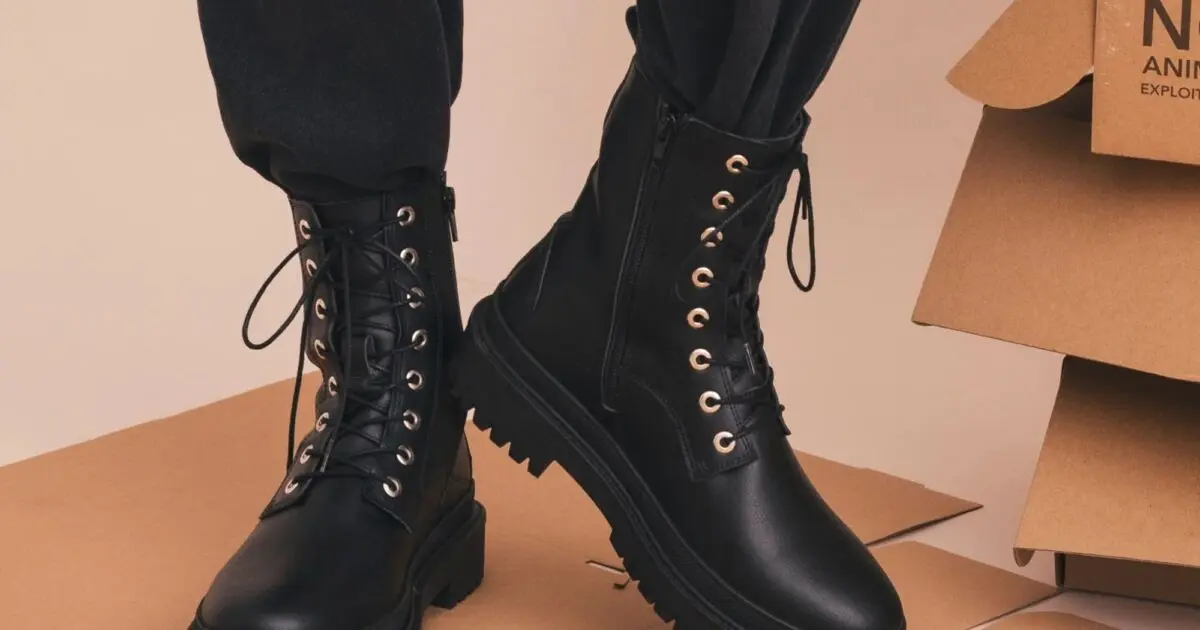
As the colder weather inevitably approaches, fashion enthusiasts and conscious consumers alike face the perennial challenge of balancing personal style with ethical responsibility. Finding footwear that can withstand harsh winter conditions while aligning with individual morals has long been a complex undertaking. In response to this demand, editors and sustainability experts have scoured comprehensive brand directories to highlight top-rated, eco-friendly footwear labels offering durable boots designed to endure multiple seasons of cold weather.
The search for the ideal winter boot often centers on practical durability. Elements such as grippy soles, hard-wearing materials, and quality craftsmanship are essential to ensuring that a pair of shoes can be worn immediately and for many winters to come. However, the modern consumer demands more than mere longevity. They seek assurance that their purchases reflect a commitment to ethical standards regarding people, the planet, and animals.
To address this need, curators have looked to brands evaluated by rigorous sustainability ratings systems, specifically those achieving "Good" or "Great" ratings for their performance on key environmental and social issues. These curated options span a diverse range of aesthetics, catering to both urban environments and rural landscapes, and include a significant selection of vegan alternatives for shoppers avoiding animal-derived materials entirely.
Among the notable names highlighted in the updated winter footwear selection is Agazi, an innovative vegan footwear brand hailing from Poland. Agazi has carved out a distinct space in the ethical fashion market by offering a diverse range of footwear that extends beyond traditional categories to include sneakers, sandals, heels, and flat shoes. What sets the brand apart is its dedicated use of non-animal-derived materials, substituting conventional leather with innovative, sustainable alternatives such as hemp, apple skin, and grape-based leathers.
The inclusion of brands like Agazi, alongside other established ethical names such as Nae, Christy Dawn, and ESSEN, underscores a broader shift within the fashion industry toward transparency and conscious manufacturing. Consumers are increasingly seeking out brands that not only provide durable, weather-resistant products but also maintain a transparent supply chain. The rigorous assessment processes utilized by independent rating platforms help to demystify these supply chains, allowing buyers to make informed purchasing decisions based on verified data regarding a brand’s overall impact.
The landscape of sustainable winter footwear has evolved significantly in recent years. Historically, shoppers looking for ethical or vegan winter boots often had to compromise on either durability or aesthetic appeal. Vegan materials were sometimes viewed as less resilient against snow, slush, and low temperatures compared to traditional leather. However, advancements in material science and ethical manufacturing have bridged this gap. Modern plant-based alternatives, derived from agricultural waste like apples and grapes, offer remarkable resilience and weather resistance, proving that sustainability does not require sacrificing performance.
At the same time, traditional ethical brands have focused on longevity as a core pillar of sustainability. The most environmentally friendly product is often the one that already exists or the one that lasts long enough to replace the need for frequent repurchasing. By emphasizing high-quality manufacturing, reinforced stitching, and sturdy, slip-resistant soles, top-rated brands are pushing back against the culture of fast fashion and disposable footwear.
The curation process behind these recommended winter boots involves a deep dive into comprehensive directories that evaluate fashion brands across multiple dimensions. These evaluations typically consider a brand’s greenhouse gas emissions, use of hazardous chemicals in production, waste management practices, labor conditions throughout the supply chain, and animal welfare policies. Brands that achieve favorable ratings have demonstrated measurable progress or leadership in these critical areas, giving consumers greater confidence in the items they purchase.
As consumers navigate the myriad options available for the winter season, transparency remains a vital component of the shopping experience. Editorial curation serves as a bridge between conscious buyers and verified sustainable brands, helping to highlight companies that are genuinely striving to minimize their ecological footprint. Whether shoppers are looking for sleek urban ankle boots, rugged country styles, or entirely plant-based footwear alternatives, the current market offers robust choices that honor both personal values and practical winter needs.
The ongoing updates to style guides and brand directories reflect a dynamic industry where new innovations emerge regularly. As fashion brands continue to refine their practices and adopt more circular business models, the availability of durable, ethically produced winter footwear is expected to expand further, providing even more pathways for consumers to align their wardrobes with their ethical convictions.