






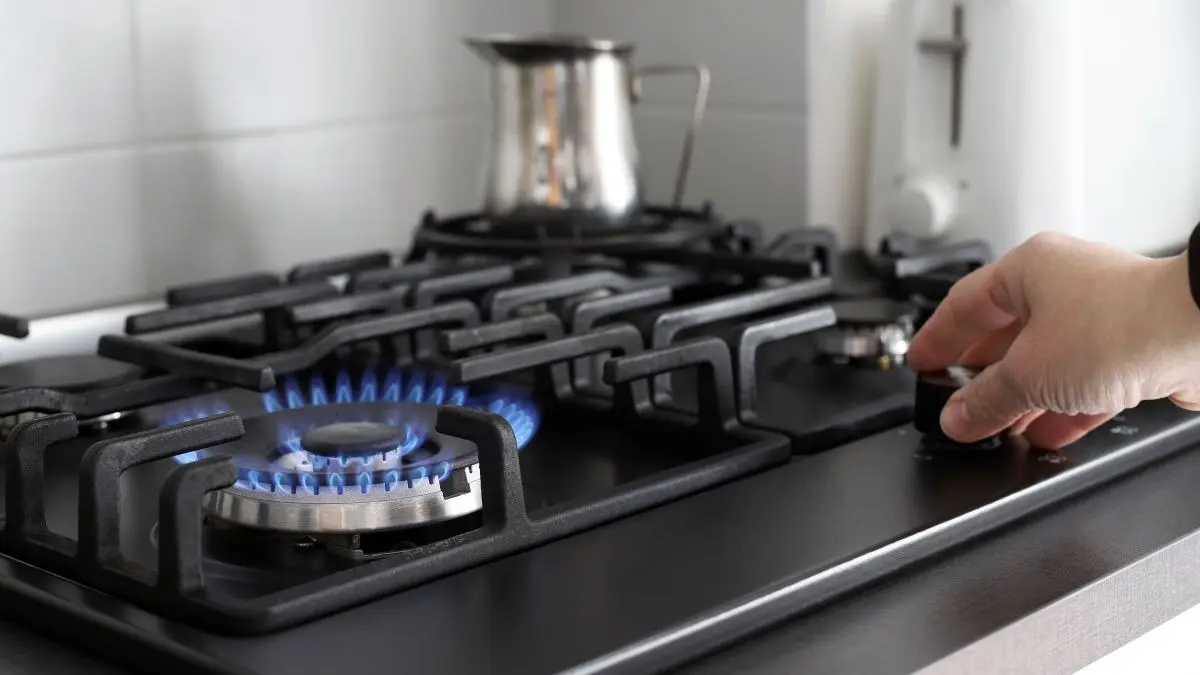
The Dutch government is seeking to shift the financial responsibility of storing natural gas for the winter season onto private energy companies in a bid to drastically reduce public liabilities as market prices surge. Under the current arrangement, the expenses associated with filling the nation’s crucial subterranean gas storage facilities—located in Norg, Grijpskerk, Bergermeer, and Alkmaar—are handled by the government-funded operator Energie Beheer Nederland (EBN). However, ballooning gas prices and unfavorable market forecasts have left state-backed entities facing a staggering potential loss of €1 billion.
Private energy companies currently possess little to no commercial incentive to proactively stock up on gas for the upcoming winter months. Market projections indicate that gas prices are heavily front-loaded and forecast to drop significantly following the autumn season, making voluntary commercial storage a financially counterproductive move for private suppliers.
The high pricing environment has been heavily driven by intense demand across Europe, as various governments race to meet strict, legally binding European Union targets to fill their regional gas reserves ahead of the November 1st deadline. In an effort to ease immediate pressures, the Netherlands adjusted its national target figure downward last week, shifting the goalpost from 74% to 64%. Despite this downward adjustment, the country’s current overall gas storage level sits at just 57.5%, leaving little margin for comfort as the colder months approach.
Complicating the state’s logistical and financial burden further are stringent EU regulatory requirements. Under current European rules, the Dutch government is prohibited from retaining the stored gas it purchases exclusively for its own domestic security. Instead, it is legally mandated to export portions of these reserves to other member states facing severe shortages, as well as to the United Kingdom, which suffers from chronically limited national gas storage infrastructure.
The vast storage facilities currently utilized by the Netherlands are a legacy of an entirely different era in European energy, dating back to the decades when the country was a major exporter of natural gas extracted from the massive Slochteren field in Groningen. However, following years of damaging earthquakes in the northern province, the Dutch government was forced to permanently end production at the field two years ago. Since the historic closure, the vast underground chambers have been kept operational by filling them entirely with imported gas rather than domestic output.
LNG Imports and the Push for Mandatory Reserves
The transition away from domestic production has left the Netherlands heavily dependent on global energy markets, most notably for imported liquefied natural gas (LNG). The high cost of sourcing and shipping LNG from the United States, which currently serves as the primary supplier to the region, has placed an immense and unsustainable financial strain on the government’s balance sheet.
To mitigate these mounting expenditures, the Ministry of Economic Affairs is looking to overhaul the system by passing core storage obligations directly onto commercial energy giants operating within the country, such as Essent, Eneco, and Vattenfall. Under the proposed regulatory shift, these private commercial entities would be legally mandated to independently build up and maintain their own winter reserves. A comparable regulatory obligation is already successfully in force in neighboring Austria, offering a potential blueprint for Dutch policymakers.
In a formal policy letter sent to the parliament, the Ministry of Economic Affairs underscored the urgency of addressing the current market failure.
"At the moment there is virtually no market in the Netherlands for storing gas in the seasonal storage facilities, even though seasonal storage is an essential element of supply guarantee in the portfolio of suppliers’ prospectuses," the ministry stated in the parliamentary communication.
The letter explicitly called into question the long-term sustainability of the current financial model, framing it as a critical choice for lawmakers and taxpayers alike.
"The question is whether the bill should continue to be met by the Dutch taxpayer, or whether supply guarantee can be ensured through a different mix of measures for a lower cost," the ministry added.