




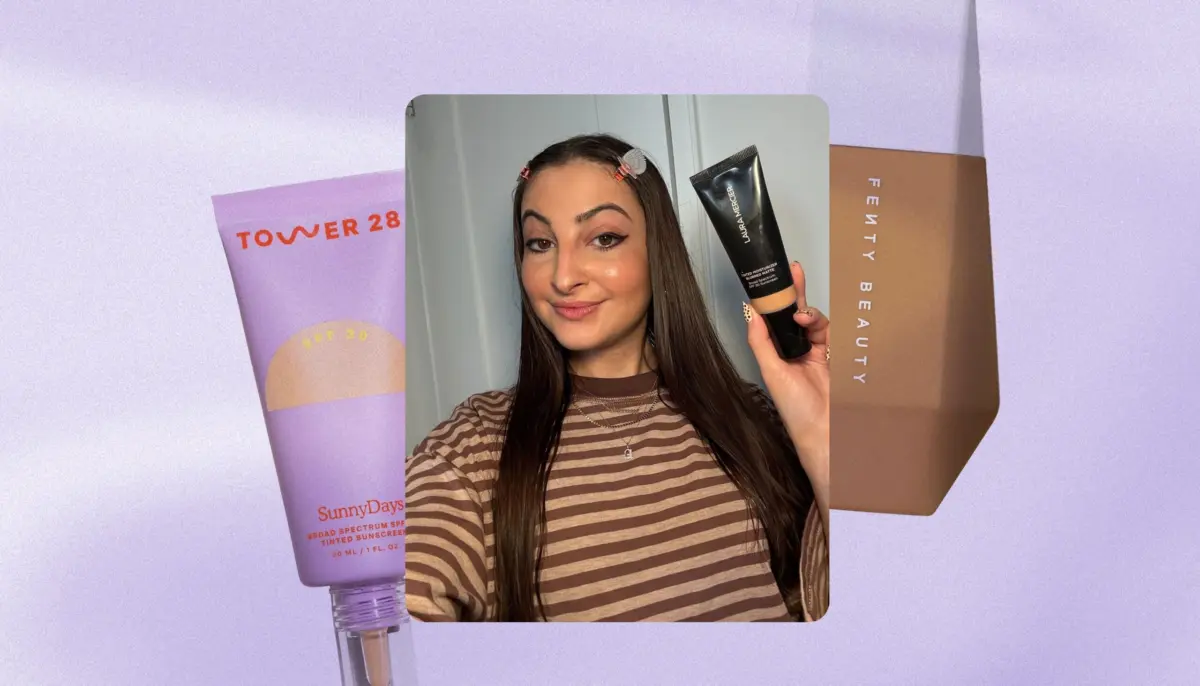
The beauty landscape has shifted dramatically in recent years toward lightweight, skin-first cosmetics that blend skincare benefits with subtle coverage. Among these hybrid products, the tinted moisturizer has emerged as a daily staple for consumers looking to streamline their routines without sacrificing a polished appearance. According to leading dermatologists and professional makeup artists, mastering the use of a tinted moisturizer involves understanding its unique formulation, proper application techniques, and how it compares to other complexion products like BB creams and skin tints.
When it comes to incorporating a tinted moisturizer into a daily regimen, timing and preparation matter. Experts advise that the optimal time to apply a tinted moisturizer is in the morning, immediately following facial cleansing and the application of any preferred face serums. For individuals with particularly dry skin types, applying a traditional, lightweight moisturizer prior to the tinted formula can provide an extra layer of hydration, though this step is often unnecessary for those with oilier skin. Once the tinted moisturizer is smoothed onto the skin, users can follow up with concealer for targeted coverage in specific areas, alongside bronzer and blush to add dimension.
However, the appeal of a tinted moisturizer largely lies in its versatility and convenience. Additional makeup products remain entirely optional. The true beauty of a tinted moisturizer is that it serves as an all-in-one product, making it an ideal choice for days when an elaborate makeup routine is neither desired nor necessary. For individuals who do not wear a separate facial sunscreen, dermatologists recommend selecting a tinted moisturizer that explicitly includes SPF protection to safeguard against ultraviolet rays during daily activities.
Application methods vary based on personal preference rather than strict rules. Using clean fingertips is widely considered entirely acceptable and effective for melting the product seamlessly into the skin, while utilizing a makeup brush can help achieve a more even, airbrushed finish.
Beyond its convenience, a frequent question among consumers is whether a tinted moisturizer is inherently better for the skin than traditional foundation. Industry professionals suggest that this is often the case. Tinted moisturizers frequently incorporate nourishing skincare ingredients such as hyaluronic acid, ceramides, and squalane, which work to deliver deep and lasting hydration. Furthermore, the inclusion of SPF in many formulations provides a distinct advantage over standard foundations, particularly during warmer weather months when individuals spend extended periods outdoors.
To fully understand the complexion market, consumers often encounter overlapping terms such as tinted moisturizer, BB cream, and skin tint. While these products share similar goals, distinct differences set them apart. Tinted moisturizers offer much lighter coverage compared to classic foundation preparations. They function fundamentally as a foundation and moisturizer hybrid, making them the ultimate option for everyday wear when heavy makeup is unnecessary. Professional makeup artists note that tinted moisturizers provide lightweight, natural coverage that successfully evens out skin tone, subdues redness, and blurs minor blemishes without feeling heavy or suffocating on the skin.
In contrast, BB creams tend to deliver a slightly higher level of coverage and often feature an even more robust concentration of skincare ingredients, including elevated levels of SPF, hyaluronic acid, and protective antioxidants designed to fortify the skin barrier. Meanwhile, the terms "tinted moisturizer" and "skin tint" are frequently used interchangeably in the beauty industry, and for good reason. Their formulations are remarkably similar, with the primary distinction lying in their focal points: tinted moisturizers typically emphasize heavy-duty hydrating components, whereas skin tints lean heavily into ingredients dedicated to perfecting coverage and environmental protection, such as specialized sunscreens.
Managing expectations regarding skin discoloration is also an important consideration for users. A tinted moisturizer can effectively help balance out uneven tone resulting from dark spots, localized redness, or general hyperpigmentation, though users should anticipate lighter coverage than what a full-coverage concealer or foundation provides. Nevertheless, the chemical components found in certain advanced formulas can actively prevent existing discoloration from worsening. Experts point out that selecting tinted moisturizers containing iron oxides can offer valuable supplementary protection against visible light, an attribute that proves especially beneficial for individuals prone to stubborn hyperpigmentation or melasma.
Mature and aging skin types can particularly benefit from incorporating tinted moisturizers into their cosmetic routines. As skin ages, it naturally tends to become drier and develop more pronounced texture and fine lines. Heavy, traditional foundations frequently settle into these fine lines, inadvertently accentuating the skin’s texture rather than smoothing it. Tinted moisturizers act as an effective alternative by offering moisture and sheer coverage that moves naturally with the skin.
For mature complexions, professional makeup artists recommend a measured approach to application. Dispensing a small amount—typically one to two pumps—onto the back of the hand allows the product to be warmed up before application. Using the ring finger to gently tap the product onto the center of the forehead, nose, cheeks, and chin helps distribute the pigment evenly. From there, gently buffing the product into the skin ensures a seamless finish. The prevailing rule for aging skin remains clear: less is truly more.
When evaluating potential drawbacks, skincare and beauty experts note that tinted moisturizers present virtually no disadvantages to the skin. While some formulations naturally offer less coverage than a heavy, full-coverage foundation, any lack of opacity is easily remedied by pairing the product with a reliable, high-performing concealer.
To help consumers navigate the crowded marketplace, beauty evaluators regularly test dozens of tinted moisturizers, grading them rigorously based on specific formulation and performance criteria. Evaluations closely examine the ingredient lists, searching for powerhouse hydrating elements like hyaluronic acid, ceramides, and glycerin designed to lock in moisture for hours at a time. Formulas featuring skin-brightening elements, such as antioxidants alongside vitamins C and E, are also prioritized for their ability to combat dullness and restore radiance.
Texture and coverage represent another critical benchmark in product evaluation. Experts look for lightweight, radiant finishes that sink into the skin rapidly while providing viable medium coverage capable of masking dark circles, stubborn hyperpigmentation, and occasional blemishes. Longevity is equally vital, with top-tier products expected to maintain their integrity throughout the day without necessitating frequent touch-ups. Furthermore, high-performing tinted moisturizers must demonstrate compatibility with a wide range of complementary products, playing well with everything from concealers to cream blushes, while ideally offering built-in sun protection for comprehensive daily wear.