






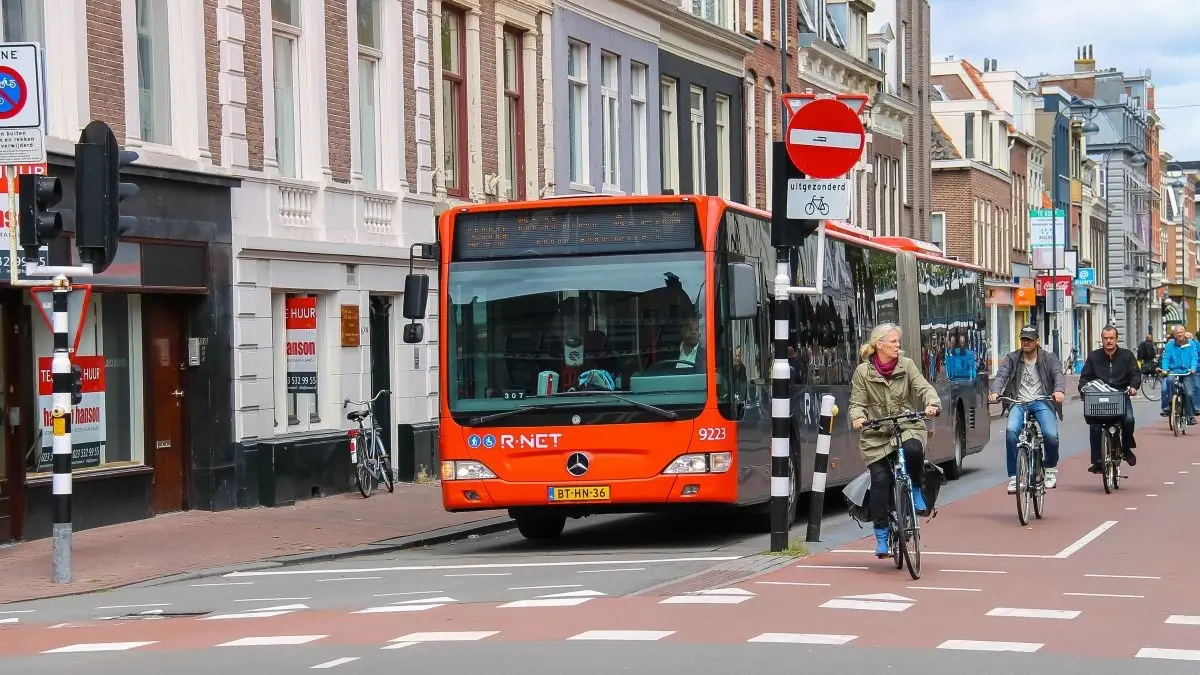
October 22, 2026 – Major Dutch labor unions FNV and CNV have decided to temporarily suspend their weekly strikes across the regional public transport sector. The decision comes in response to fresh commitments made by employers regarding a new collective labour agreement (CLA), national broadcaster NOS reported on Wednesday.
The sudden suspension brought immediate relief to commuters and regional travelers, meaning that a major strike previously scheduled for Thursday was called off entirely. The unions confirmed the development in a joint press release, noting that the two-week pause will allow space for renewed negotiations and a careful review of the fresh proposals put forward by transport operators.
The industrial action had initially been announced in early October following a complete breakdown in talks between labor representatives and management. The dispute centered on core demands from workers for improved financial compensation and enhanced working conditions. Specifically, the labor unions have been pushing for a 9.5% pay increase spanning a two-year period, alongside better arrangements and protective measures for older staff members who face the physical demands of shift work and long operational hours.
Last week, the labor conflict escalated when staff members at prominent regional transport operators—including Arriva, Keolis, and Qbuzz—walked off the job for the first time. The one-day weekly strike action caused widespread disruption across the Netherlands, leading to the cancellation of numerous regional bus services and local train connections. Passengers heavily relied on alternative travel arrangements, while many experienced significant delays during the morning and evening rush hours.
The strikes affected large parts of the Dutch countryside and smaller cities where national rail operator NS does not operate, leaving many rural and provincial commuters stranded or forced to seek alternative modes of transport such as working from home, cycling, or carpooling. Because regional public transport forms a vital economic and social lifeline for communities outside the major metropolitan hubs, the rolling weekly walkouts carried substantial political and economic weight.
The decision to pause the strikes for a fortnight marks a critical turning point in the protracted labor dispute. Employers and union representatives are now expected to return to the negotiating table to hammer out the details of the new commitments. Whether the temporary truce will lead to a permanent collective labor agreement and avert further industrial unrest remains to be seen, as both sides navigate the complex financial and operational realities of running regional transport networks in the current economic climate.