





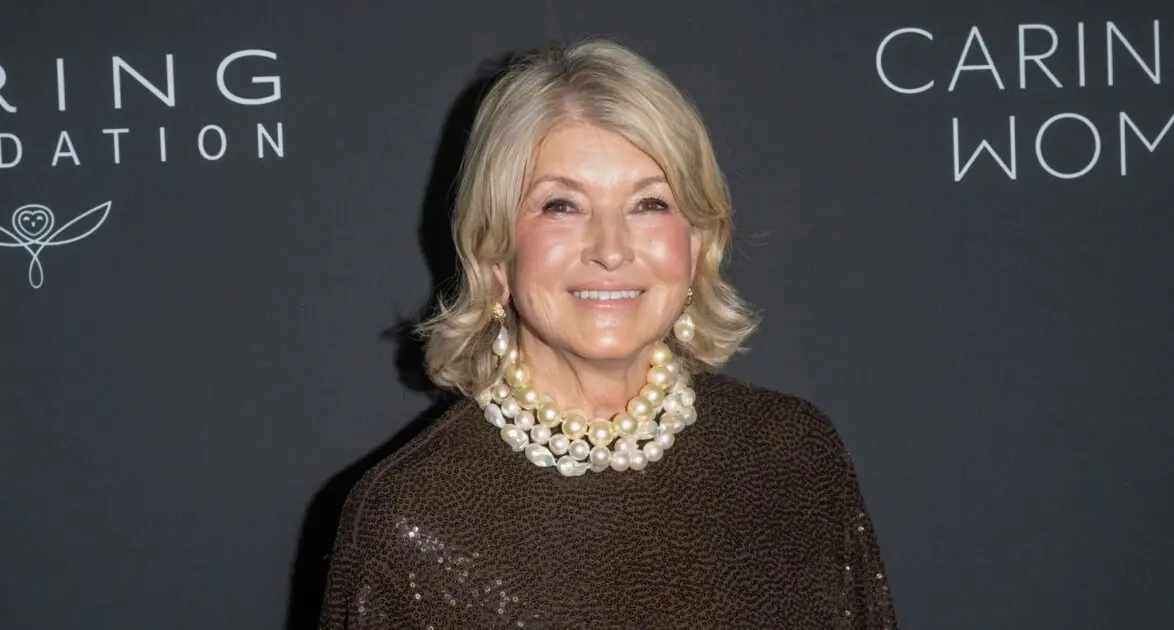
While public fascination with celebrity net worths and annual salaries is certainly nothing new, stars themselves rarely pull back the curtain on the exact figures behind their empires. Some public figures fiercely protect their financial privacy, while others occasionally offer glimpses into their bank accounts. Recently, lifestyle icon Martha Stewart provided a rare, candid look into her financial history, revealing the staggering scale of her most lucrative business deals, the devastating losses she has faced, and how the economics of celebrity partnerships have fundamentally shifted over the years.
Stewart shared these financial revelations during an appearance on the October 6 episode of MasterClass’s business podcast, Other People’s Business. Sitting down with MasterClass founder and CEO David Rogier, the self-made billionaire and domestic mogul reflected on the trajectory of her illustrious career. The conversation naturally turned toward the major milestones that defined her financial rise, leading Stewart to pinpoint the exact partnership that transformed her business from a successful enterprise into a financial powerhouse.
The Golden Era of Retail Royalties
For Stewart, the turning point came when she aligned her brand with retail giant Kmart. The partnership allowed her home decor, kitchenware, and lifestyle products to reach millions of households across the United States, generating revenues that far exceeded anything she had experienced before.
"Kmart was my first big money, and it was a lot of money," Stewart told Rogier during the podcast. Breaking down the immense scale of the operation, she added, "I was clearing $65 million a year in royalties. Because we were selling close to $2 billion worth of merchandise."
That staggering annual payout represented a monumental leap from the early days of her professional life. Before building a global multi-media and lifestyle empire, Stewart ran a catering business. While that initial venture laid the groundwork for her culinary and entertaining career, it operated on an entirely different financial scale. She recalled that her early catering business brought in a little more than $1 million in revenue, which was impressive for a startup enterprise at the time, but came with grueling personal costs.
"I was killing myself physically," Stewart explained, reflecting on the intense labor required to run the catering operation. "And I had a big staff to pay and everything else. But that was still a big beginner business."
A Changing Landscape for Brand Partnerships
The astronomical royalty checks that Stewart commanded during the height of her Kmart partnership are increasingly difficult to replicate in today’s retail and media environment. According to the lifestyle pioneer, shifts in corporate structures and retail agreements mean that today’s creators and influencers face a drastically reduced earning potential when it comes to long-term licensing deals.
"It’s harder to do that nowadays because first of all, the royalties aren’t the same," Stewart explained to Rogier. Describing the current corporate approach to licensing intellectual property and personal brands, she noted, "Now it’s three percent of wholesale and, you know, it gets lesser and lesser. Companies are paying such small royalties."
This stark evolution in commercial partnerships highlights how the business of celebrity endorsement has transformed over the decades. Where creators once secured massive percentages of multi-billion-dollar retail lines, contemporary agreements often rely on tighter profit margins and more conservative compensation structures.
Navigating Major Financial Setbacks
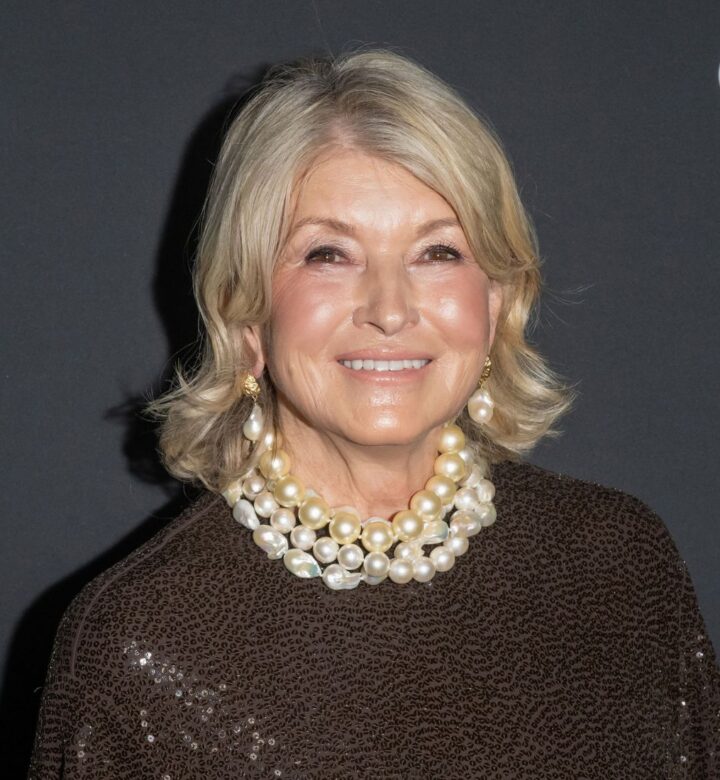
Despite building an enduring empire that spans publishing, television, merchandising, and digital media, Stewart’s financial journey has not been without extraordinary challenges. Over the course of her decades-long career, she has experienced significant professional triumphs alongside monumental financial lows, weathering public controversies and legal battles that threatened to dismantle everything she built.
Reflecting on one particularly punishing period in her financial history, Stewart was characteristically blunt about the scope of her losses. "I fell in a hole, and I lost about $1 billion," she stated.
The financial drain was heavily exacerbated by legal fees stemming from her highly publicized 2004 insider trading scandal. The legal fallout resulted in a five-month federal prison sentence, an ordeal that carried immense professional and personal costs. Looking back at the toll exacted by the legal system during that tumultuous era, Stewart remarked that her "lawyers took me to the cleaners."
Yet, true to her resilient public persona, Stewart has refused to let past hardships define her legacy. Rather than dwelling on the billions lost or the years spent rebuilding her reputation, she maintains a pragmatic and forward-looking attitude. "I’m back," she affirmed. "I’m pretty good."
The Modern Perks of Celebrity Status
Today, Stewart remains a powerful cultural force, seamlessly bridging the gap between traditional media and modern digital influence. As a ubiquitous presence across social platforms and high-profile cultural events, she has observed firsthand how modern celebrity compensation often takes unconventional forms.
Rather than receiving direct financial payment for every appearance, contemporary influencers and icons are frequently compensated through high-value goods and luxury merchandise. Stewart shared a recent example from her own calendar, illustrating the modern economics of attending exclusive high-fashion events.
"I get asked to go to a fashion show and I then get $40,000 worth of clothes," she said, detailing the perks of her enduring celebrity status. "That’s a lot of money, $40,000, to dress me to go to the fashion show. Just to show up."
For someone who spent decades building empires on physical merchandise and multi-million-dollar royalty structures, receiving thousands of dollars in designer garments simply for making an appearance is a uniquely modern arrangement. Embracing this shift with characteristic enthusiasm, Stewart made her feelings about the arrangement abundantly clear: "I love that gig."