




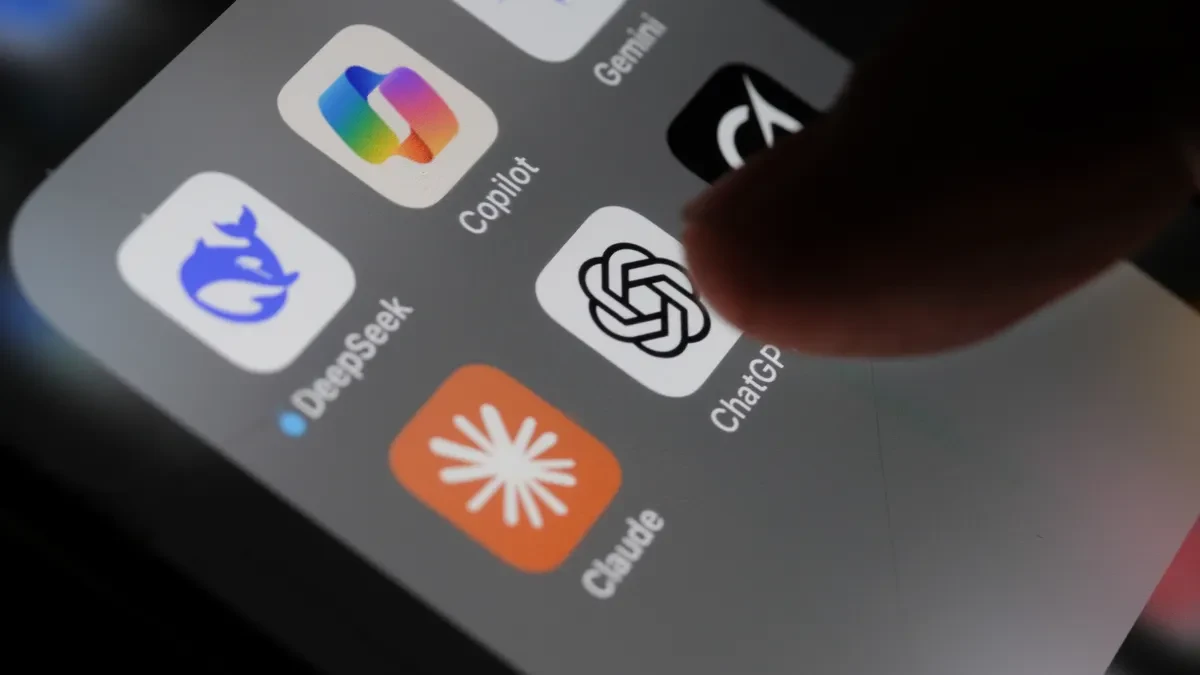
OpenAI is deepening its push into the e-commerce sector, rolling out a new virtual try-on feature for ChatGPT that allows users to see how clothing and accessories will look on them prior to making a purchase.
Under the newly implemented functionality, a dedicated "try on" button will appear directly on product listings for apparel and accessories within the AI platform. Users can either take a fresh selfie or upload an existing photo of themselves. The system then generates customized images showing the selected items rendered onto the user’s likeness, bridging the gap between digital discovery and personalized fitting.
This latest capability represents a significant escalation in OpenAI’s ongoing efforts to court both everyday shoppers and major retail brands. As the artificial intelligence leader introduces an increasing array of shopping-focused features to ChatGPT, a growing number of forward-thinking retailers are rushing to experiment with the platform and integrate their inventories into conversational AI workflows.
The trend has gained considerable momentum over the past year. In April, David’s Bridal became an early mover in the space by establishing a storefront on Shopify’s Agentic Storefronts for ChatGPT and Microsoft Copilot. This integration empowered shoppers to sift through the bridal retailer’s vast assortment by specific dress silhouettes directly across both AI platforms. The following month, e-commerce giant Etsy followed suit by officially debuting its dedicated app on ChatGPT, further cementing conversational search as a viable channel for retail discovery.
These developments build upon OpenAI’s foundational steps in the retail space. Last year, the company introduced a comprehensive shopping research feature designed to intelligently recommend and compare products based on natural language search queries. By layering virtual try-on technology on top of these recommendation engines, OpenAI is moving beyond basic text-based product matching into highly visual, consumer-centric styling assistance.
With this rollout, OpenAI is directly challenging established tech giants in the product visualization space, most notably Google. Google has spent the past several years aggressively deploying its own generative artificial intelligence virtual try-on tools. Google debuted its virtual try-on tool in 2023, initially allowing consumers to virtually try on women’s tops. The company steadily expanded the scope of the technology the following year, extending the feature to include dresses. By last year, Google had further scaled the capability to encompass footwear, setting a high industry standard for online visualization.
The race among AI platforms to offer advanced visualization tools is underpinned by a compelling business case. Prior to OpenAI and Google bolstering their respective ecosystems with these features, independent industry research highlighted a strong market demand from brands seeking out visualization tools to drive online sales conversion.

Brands that have implemented virtual try-on technology have seen their sales conversion rates more than double, according to a 2024 survey conducted by Perfect Corp. Furthermore, consumer sentiment heavily favors these digital innovations. More than a third, or 38.4%, of survey respondents indicated that virtual fitting rooms and try-on tools represent the ideal method for recreating physical, in-store shopping experiences within an online environment.
As consumer expectations continue to shift toward immersive and personalized digital interactions, OpenAI’s integration of selfie-based try-ons positions the platform to capture an even larger share of the evolving digital retail journey.