






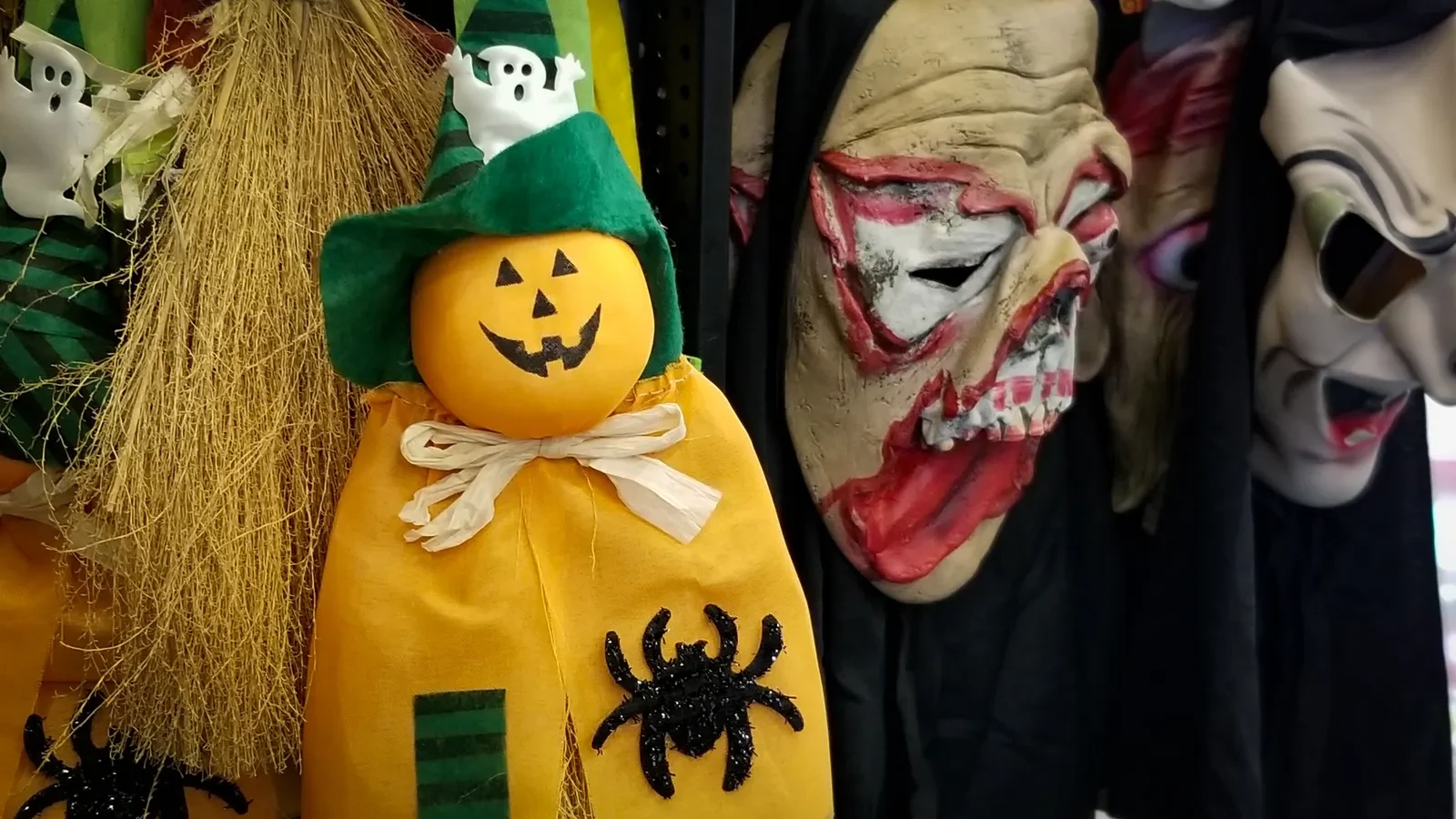
As the autumn season gets underway and consumers turn their attention toward the festivities of late October, a new economic reality is casting a shadow over traditional holiday spending. According to a recent survey conducted by LendingTrust, nearly two-thirds of shoppers across the United States are planning to skip or significantly scale back on various holiday purchases this year. Essential and staple items of the season—including traditional costumes, seasonal candy, and festive decorations—are finding themselves left off shopping lists as household budgets face mounting pressure from persistent economic headwinds.
The findings highlight a broader trend of cautious consumer behavior that has increasingly defined retail landscapes throughout the year. While Halloween has historically been viewed as a resilient, "bulletproof" holiday where families are willing to splurge on temporary fun, current financial strains are forcing a notable shift in mindset. Approximately a third of Halloween shoppers surveyed indicated that they are actively cutting back on home decor for the season, opting to reuse items from previous years or forgo decorating altogether to preserve cash.
This widespread pullback reflects a deeper anxiety regarding personal finances and the broader macroeconomic environment. Retail analysts note that consumers are becoming increasingly selective about where and how they allocate their discretionary income, prioritizing absolute necessities over seasonal celebrations as the cumulative effects of inflation continue to impact household purchasing power.
Financial Strain Hits Younger Generations Hardest
Although consumers across all demographics are feeling the pinch, the willingness and propensity to take on debt for seasonal celebrations vary dramatically by age group. The LendingTree survey reveals a stark generational divide when it comes to funding Halloween festivities through credit cards and loans, with younger shoppers bearing the heaviest financial burdens.
Roughly four in ten, or 43%, of Generation Z respondents stated that they are likely to take on debt to finance their Halloween purchases this year. Millennials are not far behind, with 35% indicating that they also expect to rely on credit or borrowing to cover the costs of costumes, candy, and parties. By sharp contrast, older generations appear far more insulated or fiscally conservative regarding the holiday. Only 14% of Generation X respondents and a mere 2% of baby boomers reported that they would likely take on debt for Halloween.

This heavy reliance on credit among younger demographics often comes with subsequent emotional and financial fallout. Among the respondents who admitted to taking on debt in the past to fund their Halloween fun, 51% expressed deep regret over their overspending. When asked why they exceeded their budgets, these consumers most frequently pointed to social pressure—specifically the desire to keep up appearances among peers and on social media—alongside unexpectedly higher prices at checkout.
Inflation and Rising Prices Put the Squeeze on Holiday Essentials
The pressure to overspend is heavily exacerbated by climbing price tags across a wide range of retail categories leading up to the holiday season. Inflation continues to erode the value of the consumer dollar, affecting everything from everyday grocery items to celebratory goods.
Children’s toys, which often overlap with seasonal shopping lists and gift-giving traditions, have seen particularly sharp price increases. According to figures from the U.S. Bureau of Labor Statistics’ Consumer Price Index, toy prices jumped by 4.2% in a single month between August and September. When viewed on an annual basis, the unadjusted figures from the index reveal an even steeper escalation, with toy prices surging 6.6% compared to the same period a year prior.
These rising costs have forced shoppers to completely rethink their purchasing strategies. To stretch their available funds as far as possible, a significant portion of holiday shoppers has turned to early-bird shopping habits and aggressive discount hunting. Data from an Ibotta survey underscores this atmosphere of financial insecurity, revealing that nearly half—45%—of surveyed consumers feel their financial situation is unstable, with more than 70% stating that their primary focus right now is actively saving money rather than spending.
Economic Pessimism and the Shift Toward Discount Retailers
Consumer sentiment surveys paint a picture of cautious hesitation heading into the final stretch of the year. While a majority of shoppers—roughly seven in 10—report that they can comfortably afford their immediate Halloween purchases without severe distress, underlying anxiety remains widespread. A comprehensive survey of 1,500 U.S. shoppers conducted by Deloitte found that 42% anticipate the broader economy will deteriorate over the coming year.

This anticipation of economic downturn is fundamentally altering where consumers choose to spend their money. Rather than frequenting specialty seasonal pop-up shops or traditional department stores, shoppers are increasingly migrating toward mass merchants, grocery stores, and discount retailers to secure better value for their money.
The Deloitte survey revealed that more than half of all holiday shoppers are now purchasing their Halloween items at standard grocery stores, while 40% are turning to discount retailers to meet their holiday needs. These findings align closely with separate data from the National Retail Federation, which similarly reported that nearly four in ten consumers—approximately 39%—identified discount stores as their primary destination for purchasing Halloween products this year.
As retailers navigate these changing consumer habits, the overarching message from the marketplace is clear. Households are recalibrating their spending priorities in the face of ongoing inflation and economic uncertainty. Whether through trimming back on candy quantities, skipping new costumes in favor of DIY alternatives, or shifting shopping carts to discount aisles, consumers are finding ways to celebrate while keeping a watchful eye on their bottom lines.