





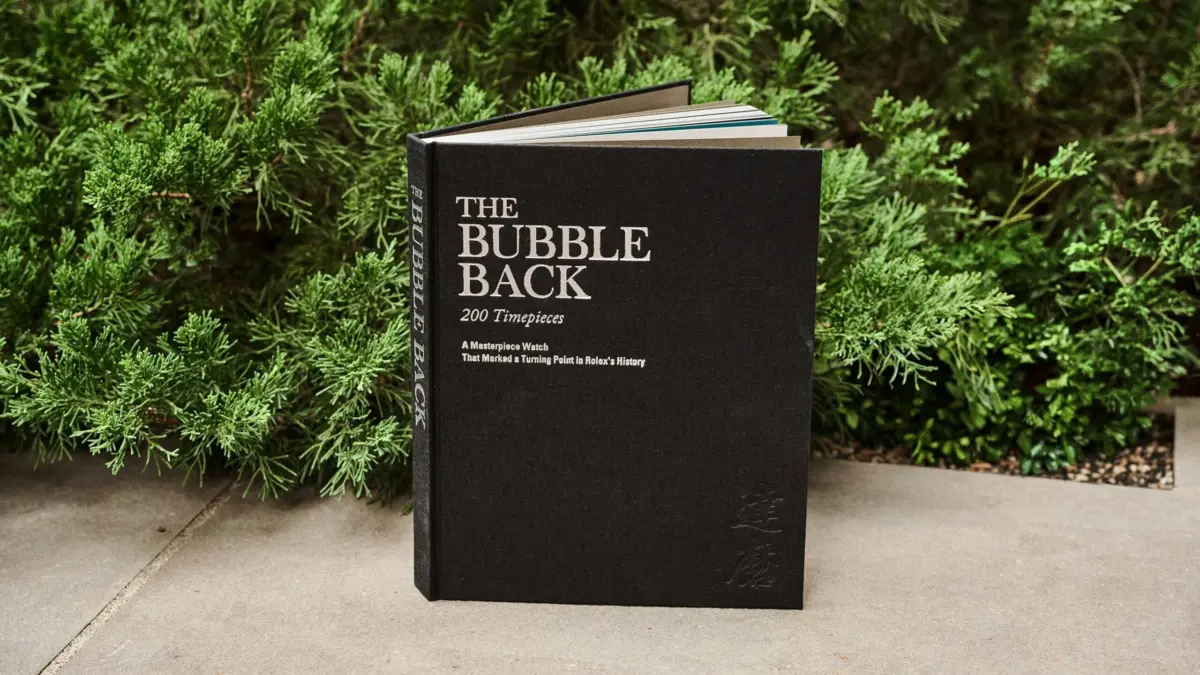
For Masahiro Endo, the proprietor of the renowned Tokyo vintage retailer Private Eyes, everything in the world of horological collecting started with the Rolex Bubbleback, and for him, it will end there. Now, the respected dealer is distilling a lifetime of specialized expertise into a definitive new volume designed to guide enthusiasts through what is widely considered collecting’s greatest minefield.
If you have never collected Rolex Bubblebacks before, you should probably forget nearly everything you think you know about vintage watches. At least, that is what it feels like when you first begin wading into this complex and frequently misunderstood space. Standard conventions, such as memorizing reference numbers, prove to be far less valuable than developing a deep familiarity with movements, case designs, specialized printing details, and cultivating a general, intuitive sense of feel for what is historically correct and what is not. And, as seasoned collectors will readily admit, a startling amount of what is out on the market is simply not right.

A collector could spend decades closely examining these pieces, but "Bubble Back," authored by Endo, serves as an invaluable reference tool to jump-start an understanding of this iconic yet currently underappreciated model category.
Much like navigating the notoriously intricate waters of Patek Philippe reference 96 models—a subject explored in recent horological literature by John Nagayama—the Rolex Bubbleback represents one of the most intimidating deep-dives in all of vintage watch collecting. Technically speaking, "Bubbleback" is not even an official model designation or catalog name from Rolex. Instead, it is a ubiquitous collector’s nickname applied to a broad family of self-winding Rolex watches manufactured roughly between 1933 and the mid-1950s, characterized by their distinctively prominent, domed, bubble-like casebacks, which were engineered to clear the oscillating weight of the early perpetual movements.
Consequently, when an enthusiast first opens Endo-san’s meticulously crafted book, they are immediately struck by a striking realization: aside from later exceptions like the reference 6062 and reference 8171, virtually none of the watches featured in the book are organized or identified by reference numbers. According to top-tier collectors and experts, reference numbers simply do not provide the most useful framework for understanding the Bubbleback. Instead, virtually every other physical detail of the watch matters far more.

The horological community has previously attempted to shed light on these elusive timepieces through various profiles and primers featuring insights from prominent dealers and collectors like Ken Jacobs and Justin Gruenberg. These foundational resources offer a helpful starting point before diving into Endo-san’s extensive work. In "Bubble Back," the author moves past a brief introductory word about his personal affection for the watch and its history, plunging directly into detailed examinations of specific examples. The book is structured into approximately 20 distinct sections, complemented by a comprehensive addendum that illustrates various dial styles, typography printing variations, case types, and other granular structural details. While the volume is densely packed with information, knowing what specific visual markers to look for makes the journey manageable.
Japanese collectors maintain a profound, historic relationship with Bubblebacks, mirroring their deep affinity for watches like the Patek Philippe reference 96. Both families of watches share similar, modest proportions tailored for smaller wrists. Bubblebacks originally started out around 30.5mm in diameter, occasionally measuring up to 32mm in their earliest iterations, and only expanding to 34mm or 36mm during the later years of production. While prominent collectors such as Jason Singer famously cut their teeth collecting Bubblebacks, the sheer variety of dials, case configurations, and component combinations makes the segment a veritable minefield for the uninitiated. In Japan, collectors historically nicknamed these watches "Daruma," drawing a visual comparison to the traditional, hollow, and round Japanese papier-mâché dolls.
Technically speaking, Rolex’s developmental timeline for these movements began with a small 8 ¾ ligne movement produced from 1933 to 1935, before transitioning to the signature "NA" automatic caliber 9 ¾ ligne movement, which remained a staple through the end of the Bubbleback era. Endo-san outlines the technical evolution of that caliber in concise detail, beginning with a showcase of outstanding pre-NA models before diving deep into the technical nuances of the later calibers. Different case constructions, unusual geometric shapes, and a variety of precious and base metals make up the bulk of the remaining chapters, all illustrated with exceptional archival examples.
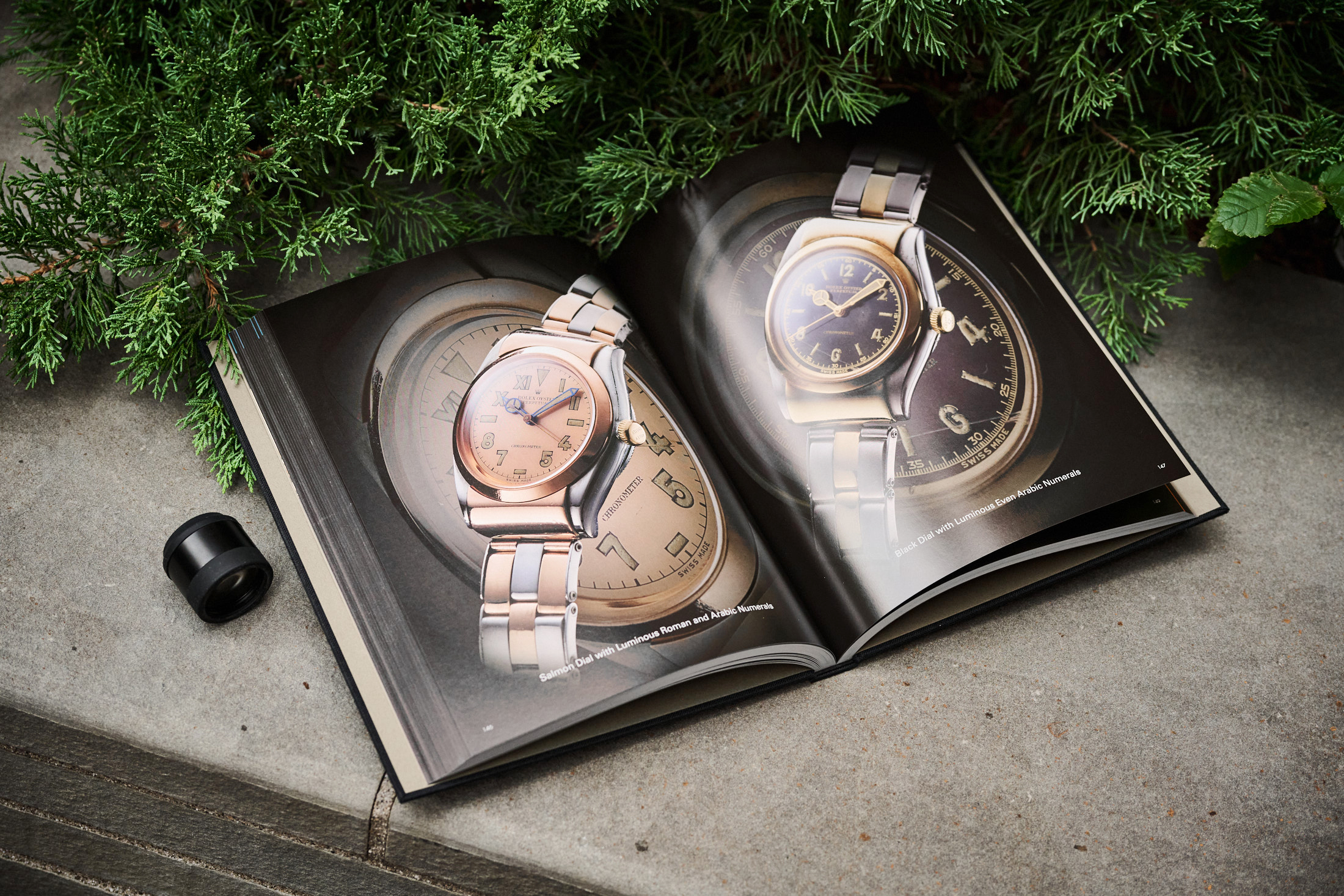
This comprehensive approach makes sense given Endo-san’s background. He has spent years sourcing many of these rare pieces for elite clients, several of whom generously contributed their personal watches for photography within the book. Other examples featured in the pages were sourced from prominent international dealers. While many western collectors may not have met him personally, his reputation among specialized vintage dealers is stellar, with peers consistently praising his discerning eye and exacting taste. Furthermore, Endo-san is widely respected within the community for producing what many consider to be the finest vintage-style Gay Frères bracelet recreations currently available on the market.
"Bubble Back" was originally published in Japanese and translated into English by PaddleWaves. Physically, it is a substantial, elegantly bound publication featuring a tactile linen shell outer cover. It is a work that deliberately reaches far beyond mere aesthetic photography of impressive watches, though the timepieces featured within its pages are undoubtedly extraordinary. And that ultimately underscores the central lesson of the book: if an enthusiast is going to truly understand Bubblebacks, the only reliable method is to study them up close and in great detail.
Horological expert Justin Gruenberg has previously described these watches as being inherently "modular" in nature. During the mid-20th century, watchmakers and owners were far more relaxed about components being swapped, serviced, or customized, meaning that a large majority of existing Bubbleback dials have been retouched, refinished, or replaced at some point in their lifespans. Carefully studying the authentic, high-resolution examples documented in Endo’s book provides a critical educational resource for collectors who have not yet had extensive opportunities to handle exceptional, untouched specimens in person.
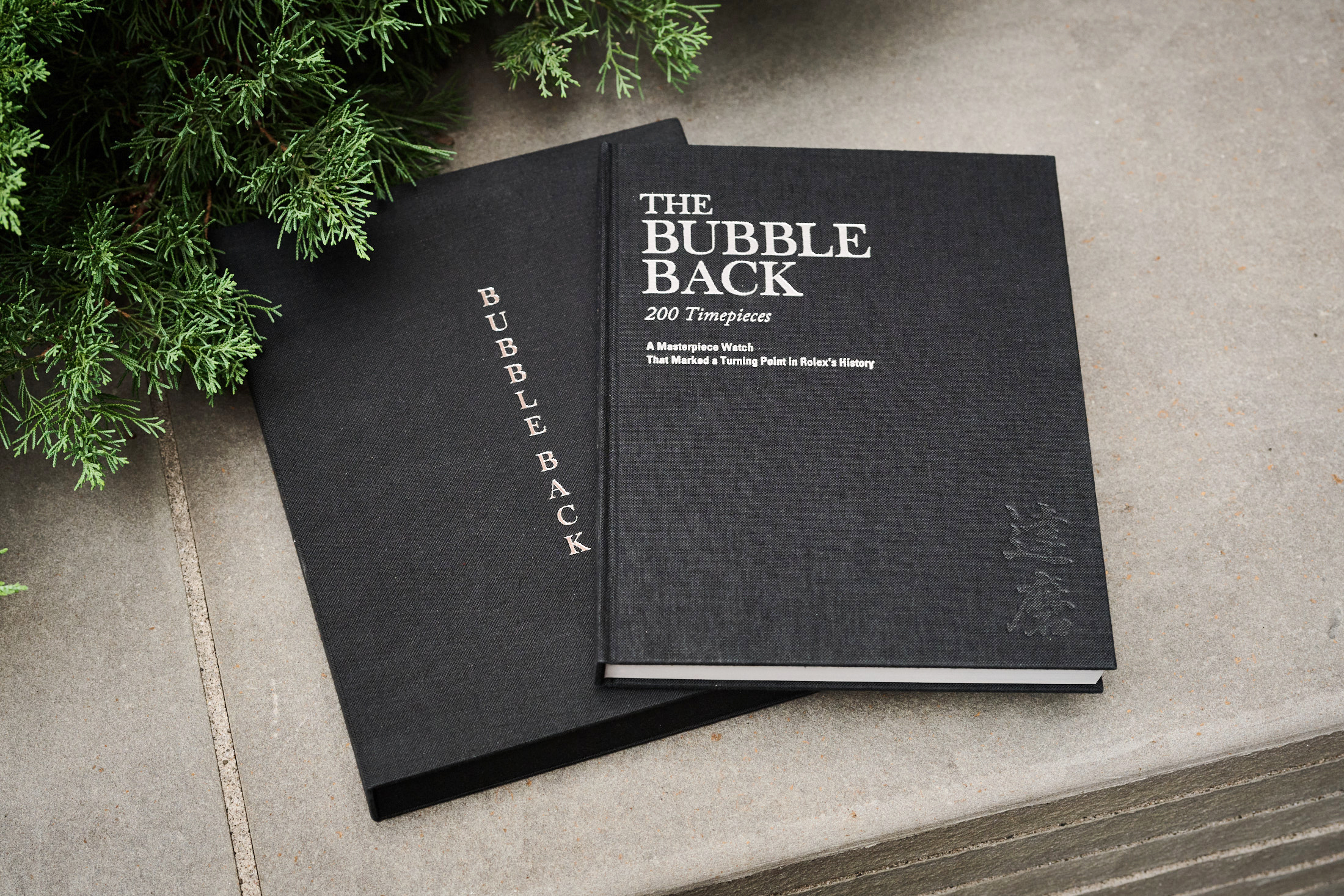
The book "Bubble Back" is available on request directly through Private Eyes in Japan, with the print run strictly limited to 600 copies. The retail price is ¥60,000, which is approximately $375 USD, excluding international shipping costs.