







Meta is expanding the footprint of its artificial intelligence ecosystem by rolling out its advanced AI agent, Muse, to small businesses. The move comes closely on the heels of the tech giant’s introduction of the personal user version of Muse to consumers in the United States and Canada just last month, signaling Meta’s broader ambitions to integrate autonomous AI tools into daily commercial operations and consumer workflows alike.
For individual consumers, Muse was designed to act as an all-encompassing digital assistant capable of handling a wide array of everyday administrative and lifestyle chores. According to Meta’s official announcements and company blog posts detailing the release, the personal version of Muse can seamlessly execute tasks such as completing complex forms, managing and sending emails, booking travel itineraries, and converting unstructured text—like cooking recipes—into organized, actionable grocery lists.
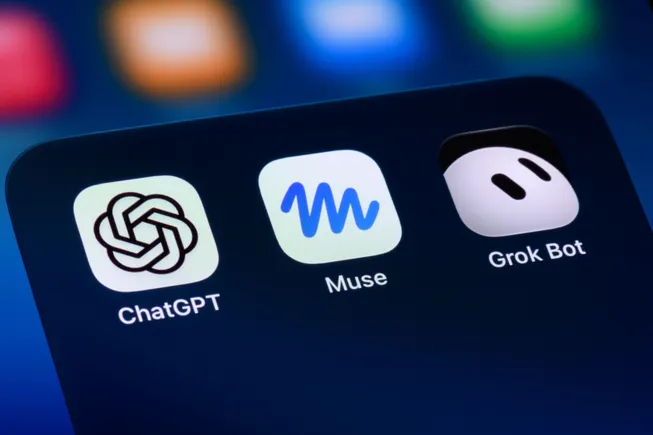
Building upon the infrastructure developed for personal users, the company is now setting its sights on the small business sector. Meta’s latest offering aims to provide smaller commercial entities with sophisticated AI support that can integrate directly with the services and software tools they already utilize on a daily basis. Recognizing the operational risks and liabilities inherent in automated commercial transactions, Meta has built specific safeguards into the business-focused version of Muse. Business owners can configure the platform to require mandatory human approval before the AI agent is permitted to execute financial purchases, sign contracts, or publish external information on behalf of the company.
To address persistent industry-wide concerns regarding data privacy, security, and corporate compliance, Meta has outlined specific technical boundaries for how Muse operates in a commercial context. According to a company spokesperson, when the AI agent transacts on behalf of small businesses, it utilizes single-card virtual numbers for new merchants to protect core financial data. Furthermore, the tool is engineered so that it does not collect or store sensitive password credentials or payment information, nor does it share virtual machine data with Meta’s broader advertising and targeting systems—a crucial reassurance for merchants wary of tech platforms harvesting proprietary commercial intelligence.
However, the rollout of Muse has not been without friction, highlighting the complex legal and commercial landscape surrounding autonomous AI agents operating across the modern web. The introduction of shopping and transacting capabilities via AI assistants has ignited immediate pushback from major digital retailers who seek to control how their platforms are accessed, indexed, and monetized.

Just last week, retail behemoth Amazon formally requested that Meta remove its primary e-commerce marketplace and platform from the Muse ecosystem. Amazon’s objection stemmed from the fact that it never provided explicit consent for its site to be integrated into or accessible via Meta’s AI platform, raising questions about unauthorized platform scraping, user experience control, and transactional boundaries.
This high-profile dispute is part of a broader, rapidly escalating legal and commercial war over the rights of AI agents to interact with third-party digital storefronts. Amazon is currently embroiled in a high-stakes legal battle with Perplexity, another prominent AI company, after Perplexity’s AI shopping agent utilized Amazon’s site to make autonomous purchases on behalf of users. Although the two companies remain locked in active litigation, the legal terrain shifted somewhat in August when a U.S. appeals court overturned a temporary judicial order that had previously prohibited Perplexity’s AI agents from making purchases on Amazon’s platform.
As Meta continues to scale Muse for both individual consumers and small businesses, the unfolding tensions with major retailers like Amazon underscore the unresolved regulatory, contractual, and legal questions facing the artificial intelligence industry. The ability of AI agents to autonomously navigate, transact, and shop across the web represents a massive paradigm shift in digital commerce, but as these recent developments demonstrate, establishing the rules of engagement between tech giants and e-commerce platforms will likely remain a contentious battleground for the foreseeable future.