






The Netherlands has officially become the second country in the world to publish a detailed strategic plan outlining how it intends to end its historical dependence on fossil fuels. Following the lead of France, the Dutch government has outlined a comprehensive "route map" designed to phase out the consumption and production of oil, gas, and coal. This major policy release comes in the critical run-up to the upcoming United Nations Climate Change Conference, known as COP31, which is scheduled to take place in Turkey this coming November.
The publication of the national plan has immediately sparked a wave of international attention, drawing a mix of cautious praise from climate policy experts and sharp criticism from environmental campaigners. While international observers have lauded the Netherlands for giving concrete definition to its climate ambitions on the global stage, domestic and international critics have pointed out significant shortcomings, most notably the absence of firm, legally binding deadlines for the complete elimination of fossil fuels.
The decision by the Dutch administration to draft and release a national route map is a direct outcome of a specialized, smaller-scale climate summit organized jointly by the Netherlands and Colombia earlier this year in April. That gathering brought together approximately 50 nations to discuss pragmatic and actionable pathways toward moving away from fossil fuels and transitioning global economies toward sustainable energy frameworks.
France established itself as the pioneer of this movement by becoming the first country to publish its own national transition plan. However, the French strategy was largely perceived as a summary of pre-existing policies and long-term targets, which include ending the use of coal by 2030, phasing out oil consumption by 2045, and completely halting the utilization of natural gas by 2050.
In contrast, the newly released Dutch plan reinforces certain existing commitments—such as a firm reaffirmation to cease using coal-fired power stations for electricity generation by the year 2030—while simultaneously scaling back, delaying, or downgrading several other crucial environmental targets.
Goals Downgraded Amid Strategic Shifts
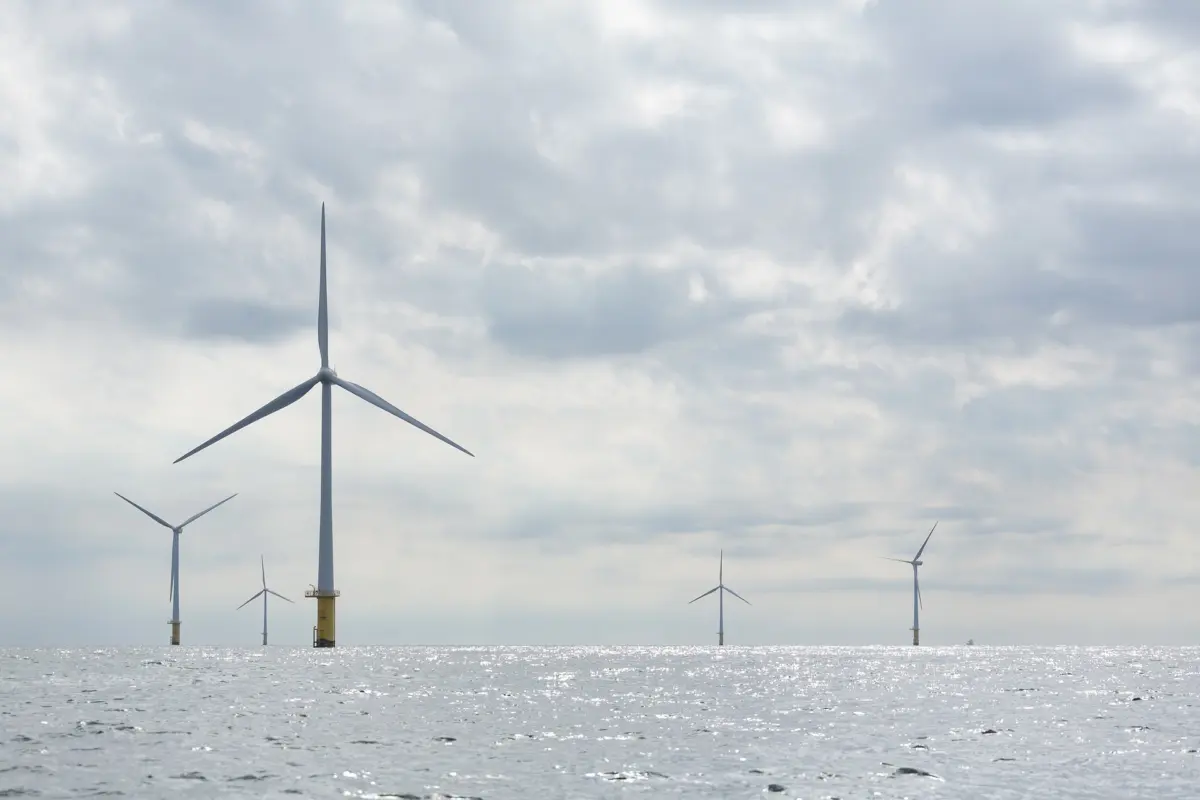
Despite the forward-looking framing of the newly minted route map, a closer examination of the document reveals that the Netherlands has actually reduced several of its core climate ambitions. Notably, the government has scaled back the volume of wind energy it officially aims to produce at sea. Furthermore, the administration has formally abandoned its previous overarching goal of making the national electricity network entirely free of carbon dioxide emissions by 2035. Additionally, the revised trajectory acknowledges that the country will likely fall short of meeting the ambitious European Union target of reducing overall greenhouse gas emissions by 90 percent by the year 2040.
These adjustments have complicated the reception of the policy document within the international climate community. On one hand, Natalie Jones, an expert with the International Institute for Sustainable Development, offered a supportive perspective on the development. Jones described the Dutch plan as a "good example for other countries," suggesting that the very act of mapping out these transitions provides a valuable template for other industrial nations grappling with the complexities of de-fossilization.
On the other hand, climate campaigners and environmental organizations have expressed deep frustration with the weakened targets and the structural omissions within the document. Maarten de Zeeuw, a prominent campaigner for Greenpeace Nederland, voiced severe skepticism in an interview with the Dutch newspaper Trouw.
"The biggest problem is that unlike France, there is no clear end date," de Zeeuw remarked. "You can call it a route map, but you don’t know where the route is going."
This sentiment is shared by academic and scientific voices within the country. Joyeeta Gupta, a professor of environment and development at the University of Amsterdam, argued that the government’s current plan falls dangerously short of what is scientifically required. Gupta emphasized that the global community has nearly exhausted the critical threshold for global warming—limiting temperature increases to 1.5 degrees Celsius above pre-industrial levels—as established under the landmark 2015 Paris Agreement.
Highlighting the human and planetary toll of ongoing environmental degradation, Gupta noted the vast scale of displacement currently occurring worldwide. "Already 25 million people a year are fleeing because of the climate crisis, and that is just one of the many terrible consequences," she stated, underscoring the urgency that she believes should dictate national energy policies.
Defending the administration’s strategic choices, a spokesperson for the Dutch environment ministry asserted that the newly published route map accurately reflects the nation’s ongoing ambition to maintain a leadership role among countries committed to taking a proactive stance on global climate change.
"The fact that we have made our own route map helps our credibility," the ministry spokesperson said, emphasizing that the transparent outlining of domestic policies strengthens the country’s diplomatic standing as international negotiations approach at the upcoming COP31 summit in Turkey.