





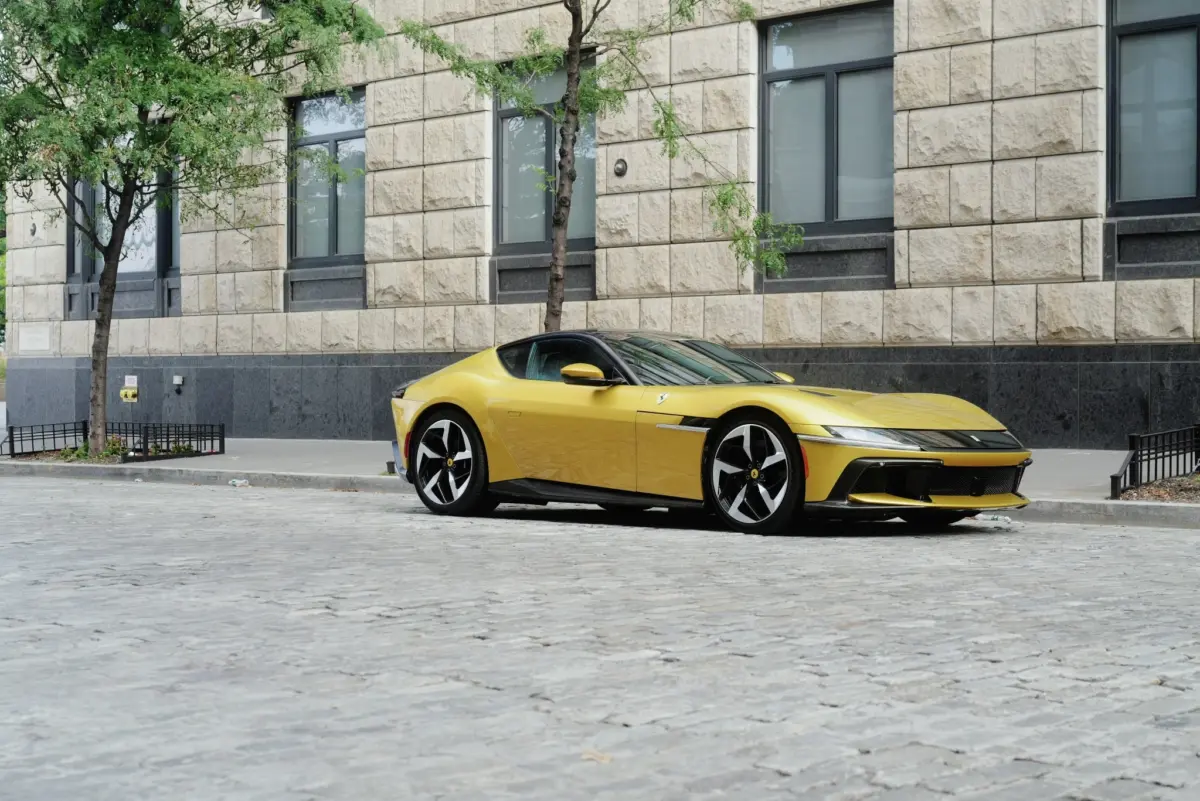
After logging 500 miles behind the wheel during an extended driving weekend across New York state, we have arrived at a striking conclusion: the Ferrari 12Cilindri stands as the most exceptionally well-rounded product to emerge from Maranello in the modern era. Front-engine V12 grand tourers have long served as a foundational cornerstone of the Ferrari identity, and after experiencing this machine across vastly different driving environments, it is clear this is the finest iteration of the lineage since the legendary Daytona.
We count ourselves fortunate to have had time at the wheel of many a modern Ferrari over the years. All have been memorable in their own way, somewhat predictably so. The 12Cilindri, however, managed to surprise us again and again. Pushing 500 miles over the course of a few days allowed the smaller, finer details to shine—elements that often take a back seat to the thunderous sound and raw fury of a naturally aspirated V12 engine. That the 12Cilindri is particularly memorable comes as no surprise, but why it lingers in the mind is the real revelation. It wasn’t just the seemingly endless power band or the degree-by-degree directness of the steering. Nor was it solely the crystal-clear Burmester audio system or the well-conceived ergonomics of the cabin. Rather, it was all of these attributes seamlessly blending together to the point where no single element stood out more than another, creating a harmonious and unified driving experience.
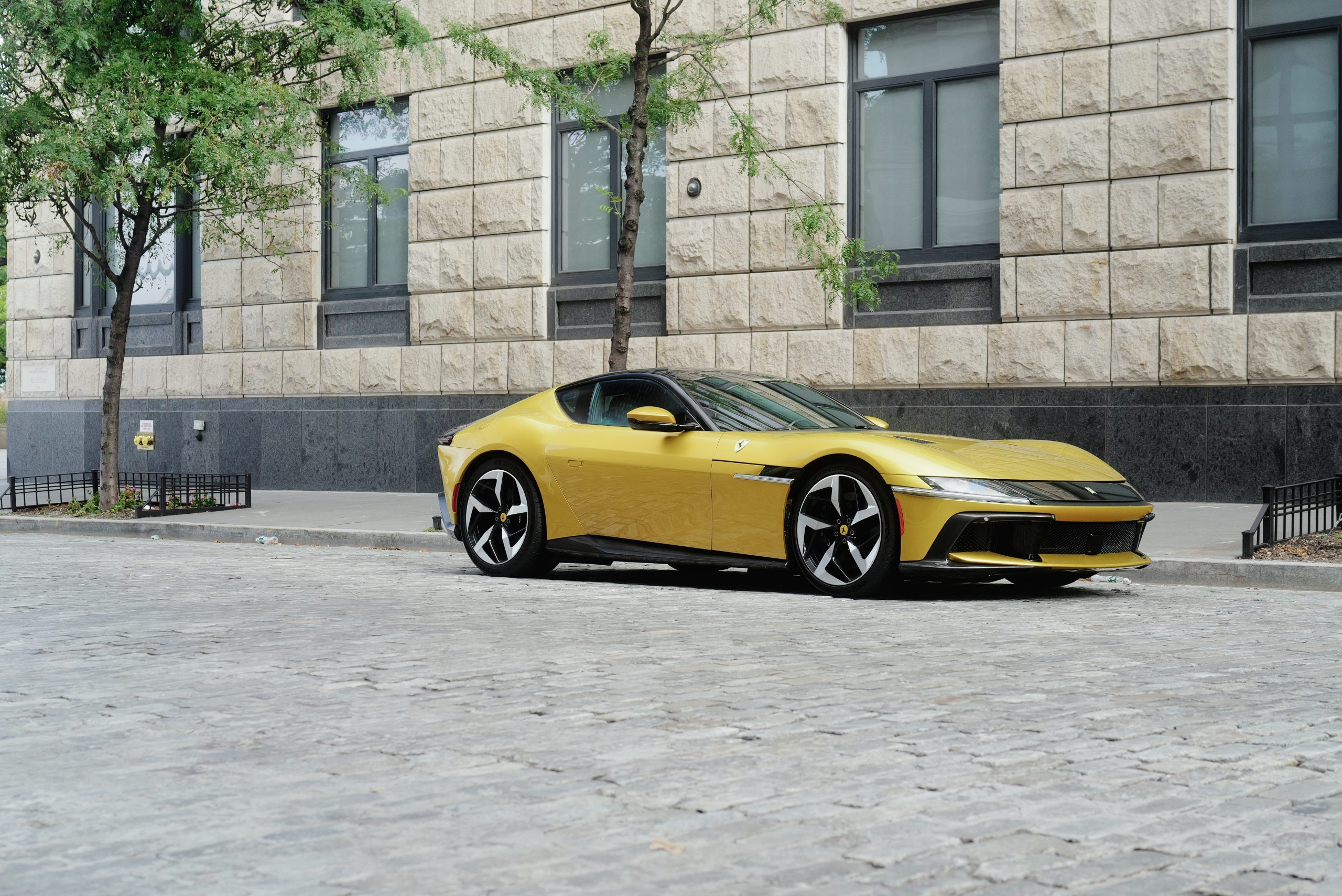
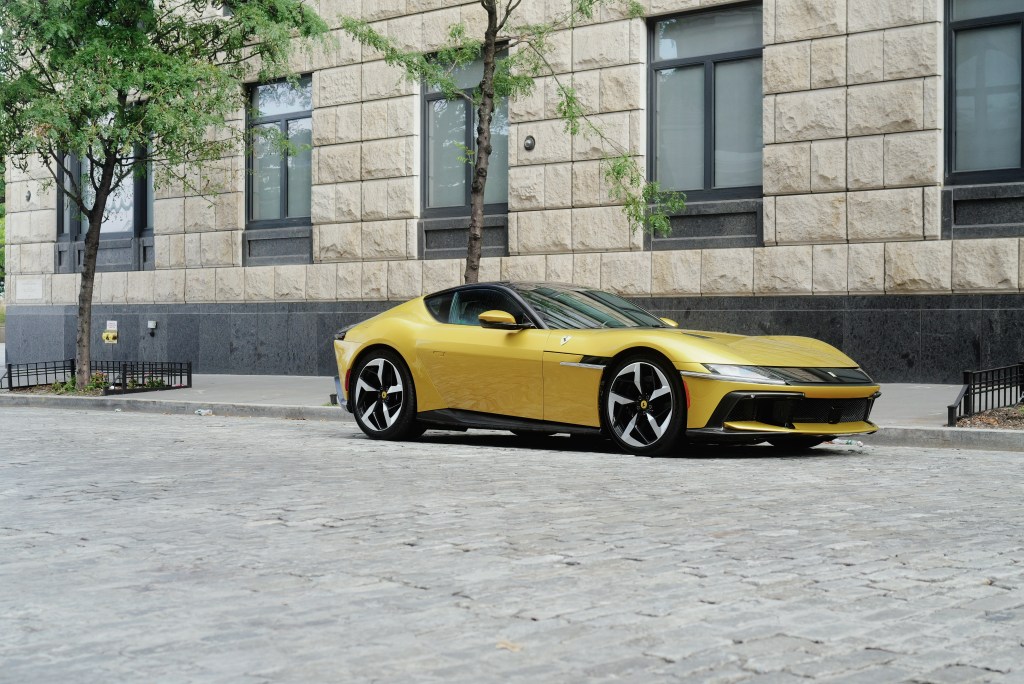
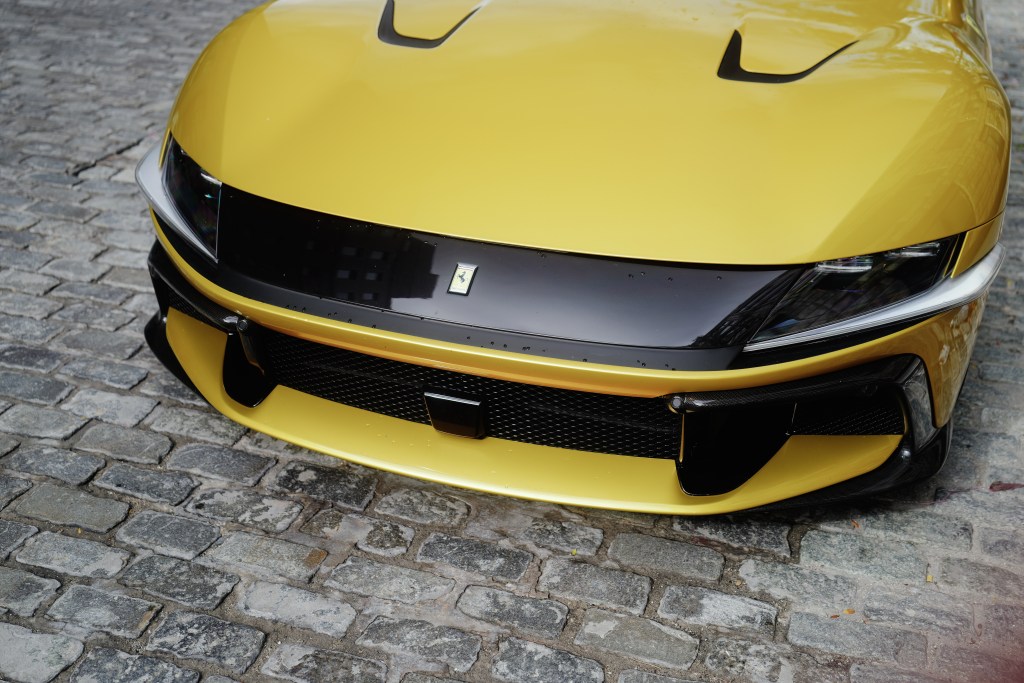
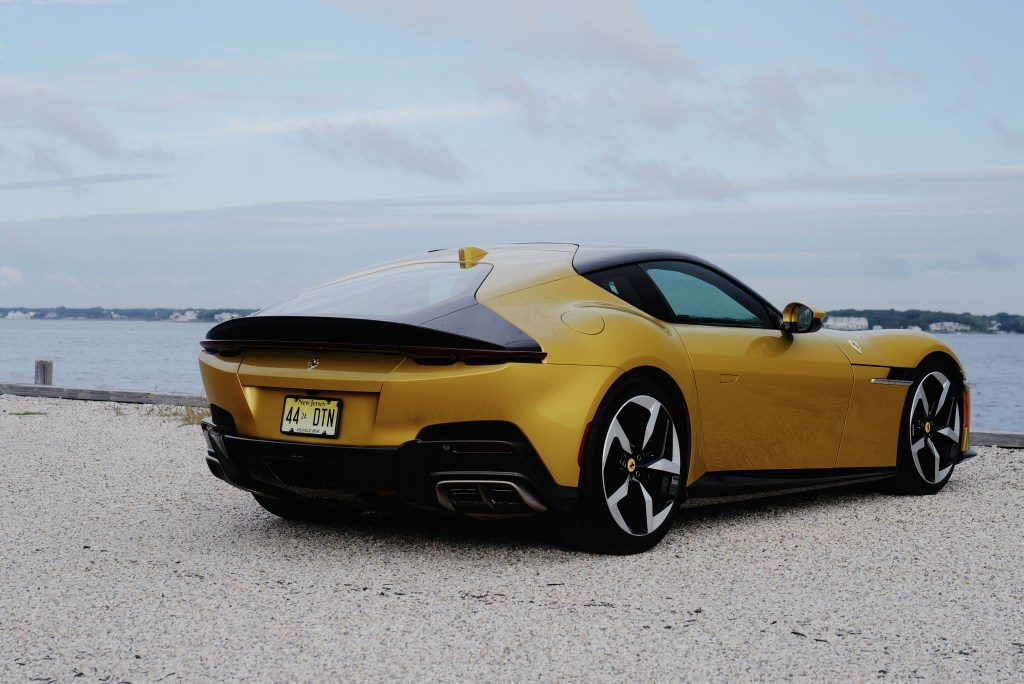
Much has been made of the lineage of the 12Cilindri, particularly given how Chief Design Officer Flavio Manzoni’s styling heavily harkens back to the classic 365 GTB/4 “Daytona.” As an automotive designer, if you are going to heavily reference an icon of that magnitude, you had better bring your absolute A-game. While opinions on the exterior design were varied—to put it mildly—when the 12Cilindri first made its global debut, there now appears to be a growing consensus within the automotive community that this is a remarkably good-looking car. We firmly place ourselves in that camp. Each time we walked up to it, walked away from it, or pulled over to photograph it against various backdrops, we found ourselves pausing to appreciate some meticulous aspect of its design. The graceful flow of the roofline from the A-pillar back, viewed in crisp profile, for instance, is a true work of art.
Overall, however, it is arguably what Manzoni didn’t do that leaves us admiring the vehicle most. When compared directly with the 812 Superfast—the model it directly replaces—the 12Cilindri is a masterclass in visual restraint. The same disciplined design philosophy becomes apparent when comparing it with the F12berlinetta and the 599 GTB Fiorano. To find an equally elegant, understated front-engine V12 Ferrari, one has to look all the way back to the 575M Maranello, a car that officially concluded its production run two decades ago. Much like that celebrated classic, we imagine the exterior design of the 12Cilindri will age exceptionally well as the decades pass. Yet, as important as the striking exterior aesthetic may be, it is the interior, and the comprehensive driving experience it delivers, where the car makes its most compelling argument to be recognized as a future classic.
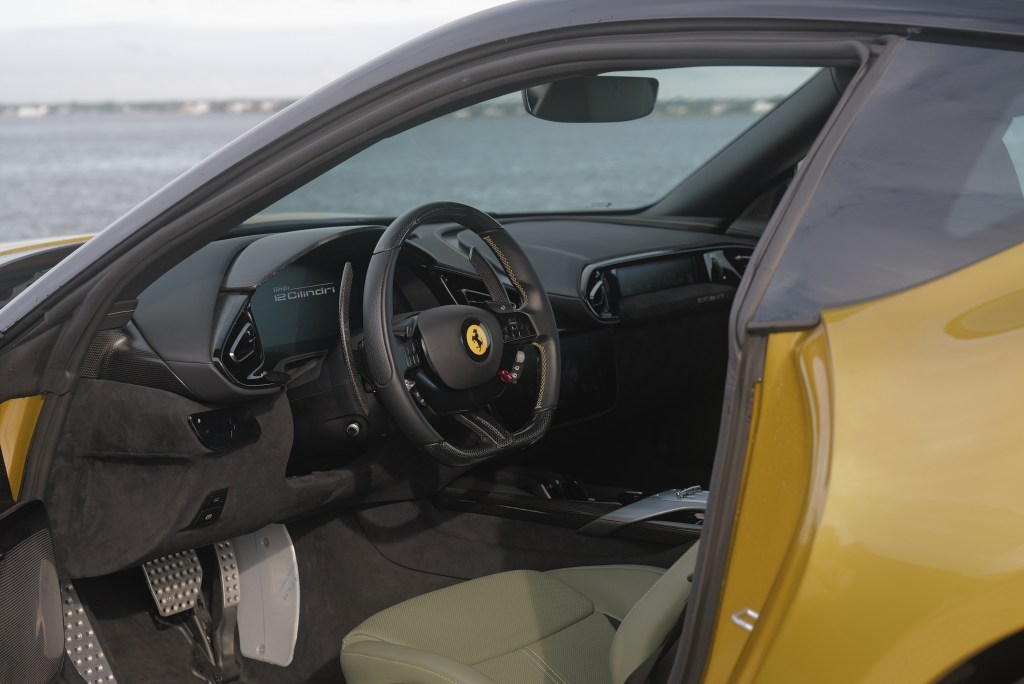
Happily, stepping inside the cabin of the 12Cilindri reveals an environment that is genuinely inviting rather than imposing or intimidating. The cockpit ergonomics are thoroughly driver-centric, featuring a 10.25-inch center touchscreen that we found most useful when left displaying Apple CarPlay. For vital driving information and seamless changes to vehicle settings, the expansive 15.6-inch digital instrument cluster does the job exceptionally well, largely thanks to the welcome return of physical buttons on the steering wheel. The infuriating menu mishaps and ergonomic frustrations frequently caused by subpar haptic feedback in previous iterations are thankfully gone. Our only minor gripe with the interface is that starting the engine remains a capacitive touch function rather than a physical one. Bringing back a large red or yellow physical start button is the final fix needed to create an objectively perfect steering wheel.
While some critics have been quick to dismiss the optional 8.8-inch secondary screen integrated in front of the passenger seat as a mere gimmick, we found it to be legitimately useful during our extensive road trip. Several times, we would be deeply immersed in a song, enjoying all 1,600 watts of clarity that the high-end Burmester audio system has to offer, when a question, navigation query, or casual observation would come to mind. Being able to independently adjust the volume or mute the audio directly from the passenger seat is one of those small, thoughtful features you never knew you needed until you actually had it. Conversation between dedicated listening sessions is remarkably easy as well, given how exceptionally well-insulated the cabin is from outside road noise; even when cruising comfortably at elevated highway speeds, we were able to converse in a completely normal tone of voice.
As for the optional comfort seats, the integrated cooling and massage functions are not all that noticeable in active use, meaning the seat heating is realistically the only feature we would miss if we were to elect instead for the fantastic carbon fiber bucket racing seats that we have previously experienced in other Ferrari models. Storage space is surprisingly well-considered, with convenient cubbies for smartphones and wallets positioned on either side of the wide transmission tunnel. Meanwhile, the trunk easily swallowed two carry-on hard-shell roller bags and two standard overhead-bin-sized soft bags, leaving ample room on the rear luggage shelf for a garment bag or two for a weekend getaway.
How amazing is it that Ferrari is still offering a glorious, naturally aspirated V12 engine that manages to bring such a high degree of everyday comfort and genuine practicality to the table? We are well aware that there are longtime owners of the aforementioned 575M Maranello who would proudly argue that their vintage machines do the exact same job. Respectfully, that notion is absurd. While we salute these dedicated enthusiasts and others who manage to log many miles in classic Ferraris of various historical eras, there is simply no fair comparison to be made between past and present technology.
The 12Cilindri represents a masterclass in the continuous evolution of a legendary theme. It does not demand an exhausting amount of effort from the driver when all that is simply required is basic operation. It allows a passenger to legitimately relax and enjoy the journey. Crucially, it demands nothing from you until you ask for it. Operating under 4,000 revolutions per minute, it behaves just like any other refined luxury car, and it is remarkably good at being just that. So good is its docile nature, in fact, that the internet is currently full of armchair commentators claiming the car is "too quiet" and "too soft" compared to its wild predecessors. That perspective is complete nonsense. At any given moment on the road, you can simply downshift a gear or two, apply firm pressure to the throttle pedal, and marvel at how quickly the 12Cilindri transforms back into a thoroughbred Ferrari in the classic, uncompromising sense of the word.
For years, both the brand itself and large swaths of the automotive media have heavily pushed the narrative that Ferrari’s V12 grand tourers offer perfectly equal amounts of raw excitement and mechanical refinement. With the arrival of the 12Cilindri, we can finally say that claim is actually true. The spine-tingling excitement has always been present in their DNA; the everyday refinement, however, has not always quite reached this level.
Performing admirably on crowded, relentless stretches of the New Jersey Turnpike, neglected and potholed streets in Brooklyn, tight two-lane blacktops snaking through the Hamptons, and undulating, challenging roads in Bear Mountain State Park is certainly no easy task for a high-performance supersports grand tourer. Yet the 12Cilindri handled every single obstacle without missing a beat. More importantly, driving the car in each of these vastly contrasting environments felt completely effortless. A modern Ferrari that can comfortably coddle you for hours on end and then instantly give you goosebumps at a moment’s notice is a major engineering achievement. The fact that those goosebumps can stem from something as simple as listening to a favorite song, feeling the engine deliver effortless peak power, hearing the exhaust howl under load, or chasing the outer limits of lateral grip in a corner—that is precisely what makes the 12Cilindri a truly unforgettable machine.