






For more than a decade, the thought of going off birth control occupied a recurring space in the mind of one beauty writer, who spent years weighing the hypothetical timing against the backdrop of future family planning. Like countless individuals navigating the modern wellness landscape, she had absorbed a steady stream of anecdotes from friends, colleagues, and online communities detailing profound transformations after quitting hormonal contraceptives. The prevailing narrative suggested a sudden surge of clarity, lightness, and vitality once the body was free of synthetic hormones. With her and her husband beginning to contemplate starting a family, the decision eventually felt pressing. She wanted to give her biology adequate time to recalibrate and establish a natural rhythm before actively trying to conceive.
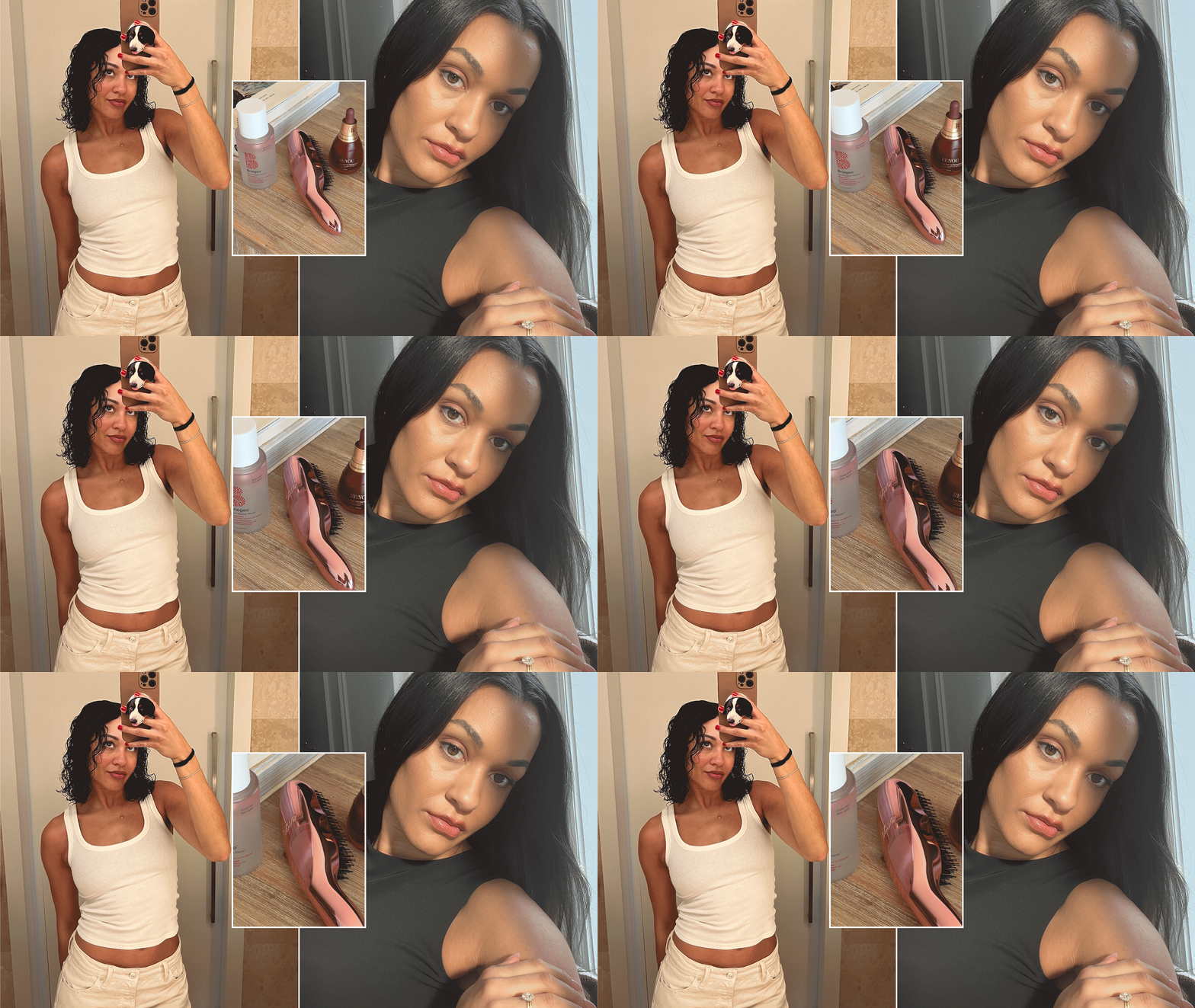
Yet, despite the anticipation, an underlying current of apprehension persisted. The anecdotal warnings surrounding post-pill side effects were comprehensive and daunting, ranging from persistent hormonal acne and fluctuating weight to severe mood swings and agonizing menstrual cramps. Operating under a mixture of optimism and naive denial, she privately convinced herself that she would somehow be immune to the collateral damage. A stray blemish here or there seemed manageable, but she certainly did not anticipate the invisible storm brewing beneath the surface of her scalp. What followed was a prolonged battle with hair shedding that transformed routine washdays into emotional trials, accompanied by an unexpected medical diagnosis that ultimately clarified the underlying chaos within her endocrine system.
The timing, in retrospect, carried an element of dark irony. Having never possessed naturally thick hair to begin with, she had impulsively opted for a chic, blunt bob haircut right before discontinuing her prescription. Within a few months, however, the aesthetic choice was overshadowed by an alarming volume of hair loss. Every washday culminated in distress as she watched her brush collect handfuls of strands, confronting a reality far worse than any pre-pill cautionary tale she had anticipated. Complicating matters further, she received a formal diagnosis of polyendocrine metabolic ovarian syndrome (PMOS)—the contemporary nomenclature for what was formerly known as polycystic ovary syndrome (PCOS). This medical revelation provided a crucial missing puzzle piece, explaining the erratic hormonal shifts that were wreaking havoc on her skin, cycle, and hair follicles.
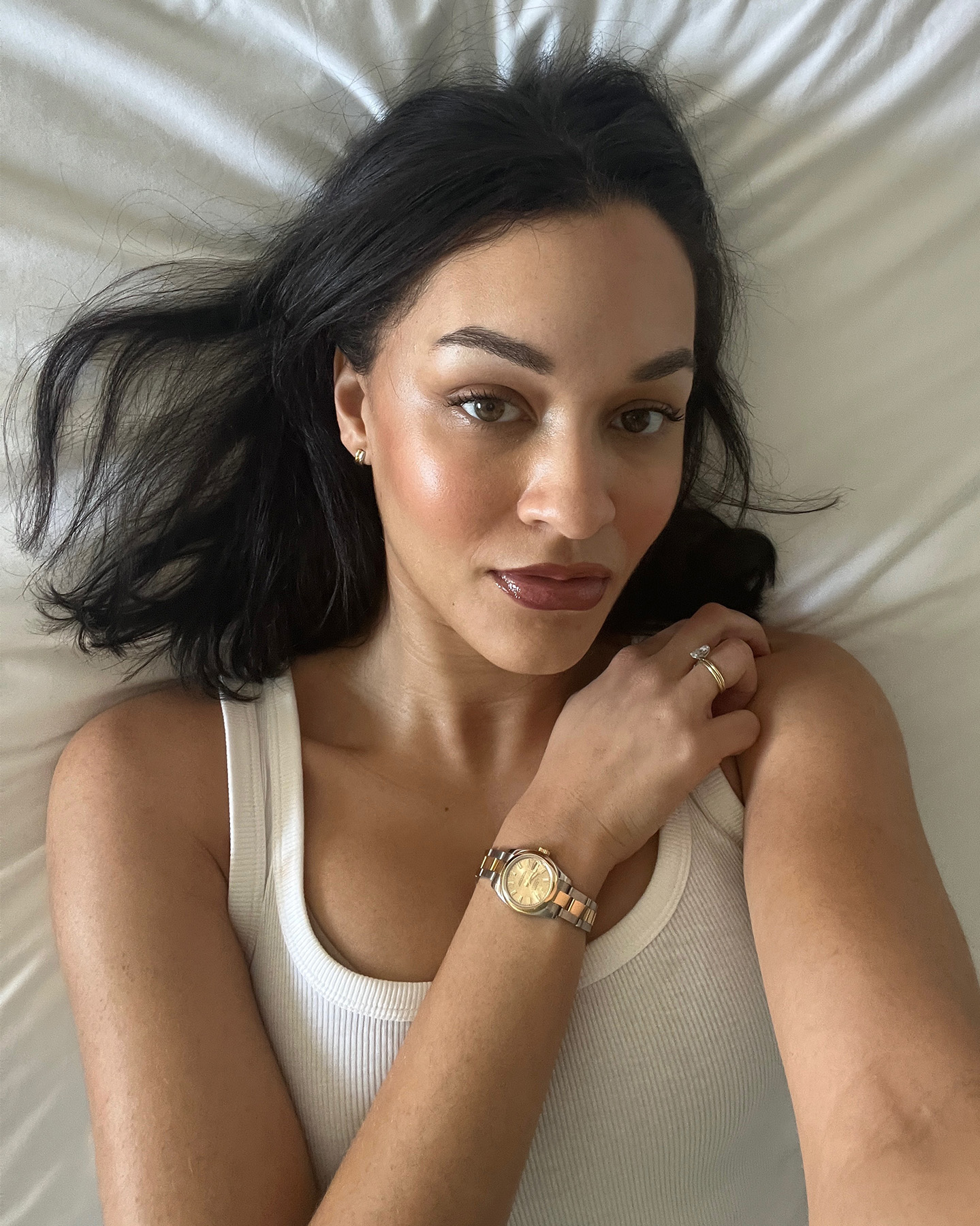
The modern wellness marketplace is saturated with remedies, tonics, and topical treatments promising miraculous transformations, denser growth, and fortified strands. For someone experiencing sudden hair thinning, navigating this vast ocean of consumer goods can easily feel like a full-time occupation. Fortunately, working within the beauty industry afforded her direct access to top-tier experts, specialized products, and insider perspectives designed to separate marketing hype from genuine efficacy. Following months marked by tears, frustrating trial and error, and fleeting moments of intense regret, her relationship with her hair began to shift. The aggressive shedding gradually slowed to a manageable pace, and she successfully curated a specialized regimen of topical treatments, systemic adjustments, and lifestyle modifications that eventually became permanent pillars of her daily routine.
Hair-Growth Products and Scalp Treatments
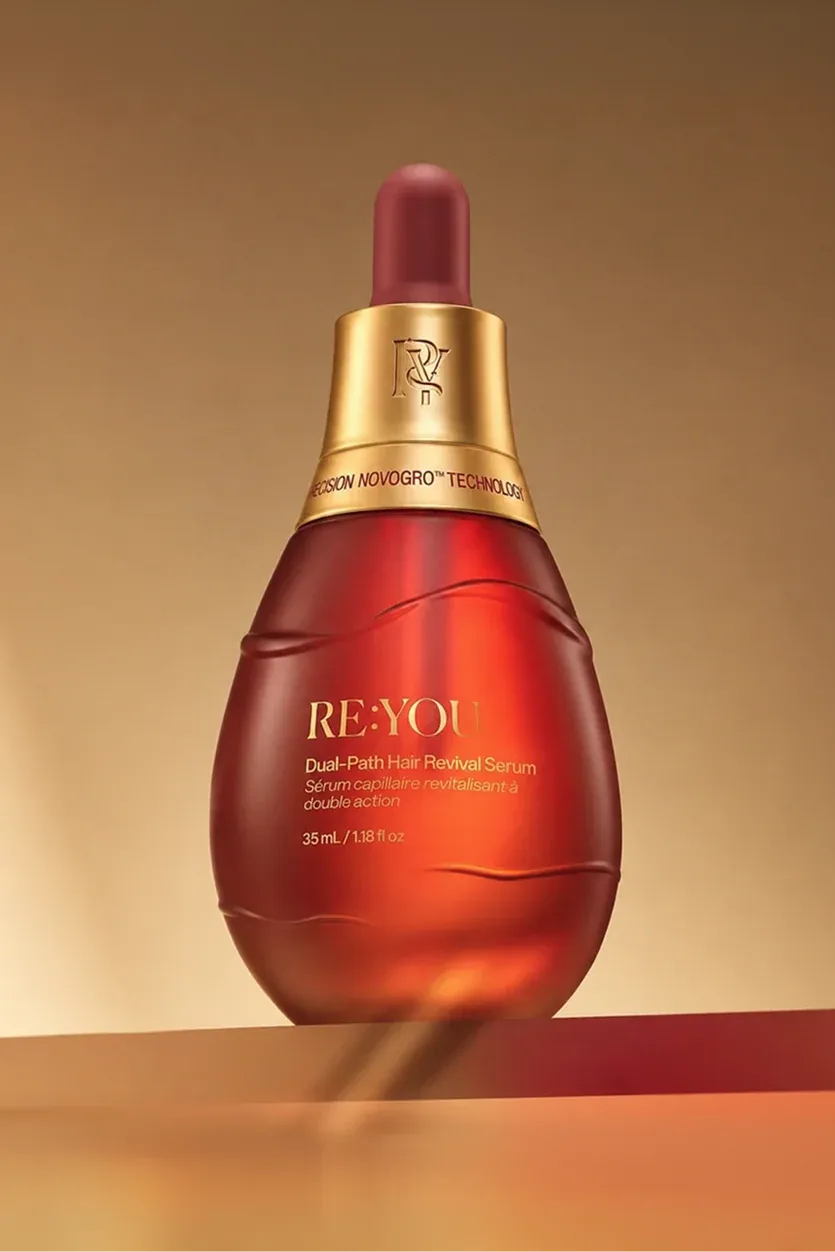
When the initial wave of shedding began, she initiated an exhaustive investigation into topical growth solutions, scouring the market for anything with scientific backing. However, one specific product entered her routine through an entirely organic channel. A friend and colleague posted a casual inquiry on social media, asking if any of her network connections were currently experiencing unusual hair fall. That colleague had recently partnered with an emerging, pre-launch hair-growth brand called Re:You, which was actively seeking real-world testers for its unreleased formulations. Having witnessed the distress firsthand, she responded instantly through direct messages, securing a coveted spot in the brand’s exclusive pre-launch trial to test the Dual-Path Hair Revival Serum.
Initial skepticism was natural, given the relentless promises made by the broader hair-growth industry over the years. Nevertheless, the underlying science of the Re:You formula offered a compelling rationale. The proprietary technology, known as Novogro, was specifically engineered to simultaneously support both the individual hair follicles and the delicate ecosystem of the scalp. Crucially, the serum was entirely hormone-free—a non-negotiable feature for someone whose endocrine system was already in a state of volatile transition. Incorporating the product into her routine in June yielded tangible, measurable results. The most immediate indicator was a sharp decline in daily shedding compared to earlier in the year. Furthermore, tangible new growth manifested; the chin-length bob that began her journey eventually grew past her shoulders. The ultimate validation arrived during a professional scalp analysis, where the examining technician expressed genuine astonishment at the density of her hair. Given her lingering fears of total hair loss, the confirmation offered profound psychological relief. While she acknowledges that no single product bears sole responsibility for her recovery, the serum secured a permanent place in her cabinet.
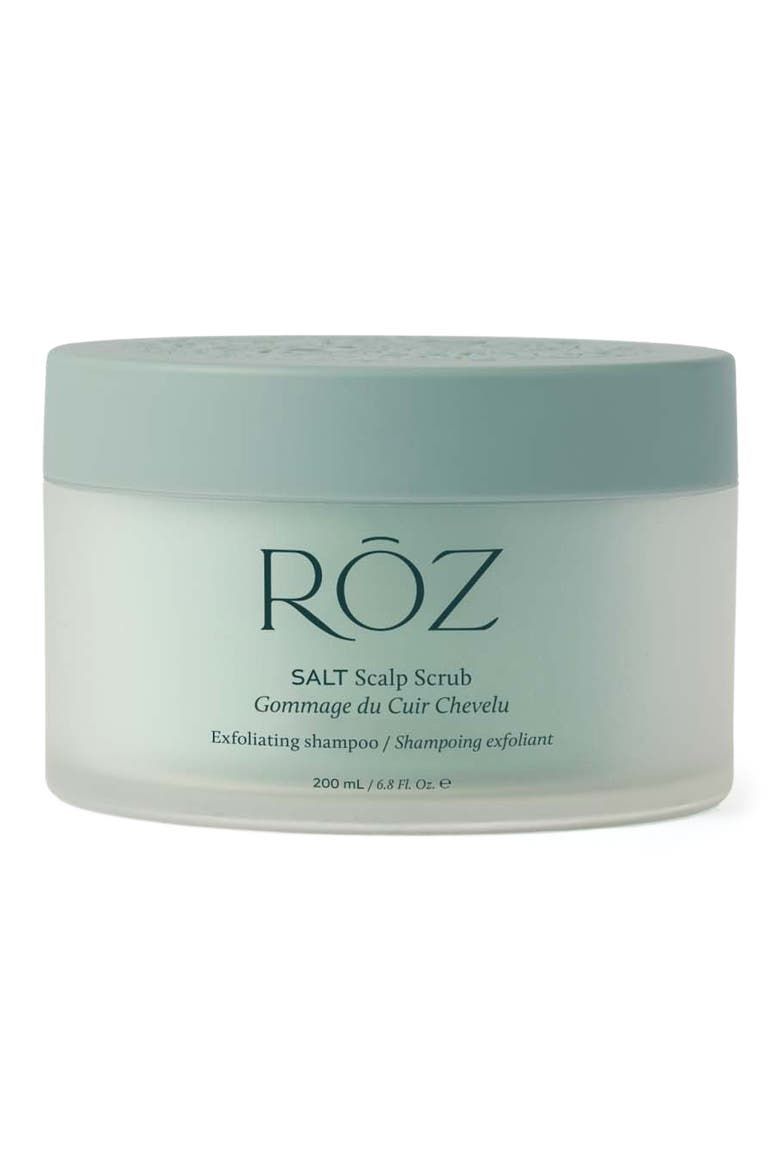
Alongside topical applications, her philosophy on scalp health underwent a fundamental shift. She grew increasingly intentional about cleansing and maintaining the scalp environment, developing a particular fondness for specialized treatments like Korean head spas. The meticulous process of deep cleansing provided an immediate sensory reward, complementing her home maintenance routine. While she does not credit these luxurious salon appointments with accelerating actual hair growth, the resulting sensation of a purified, refreshed scalp became an indispensable part of her holistic approach to hair management.
Addressing Hormonal Hair Loss From Within
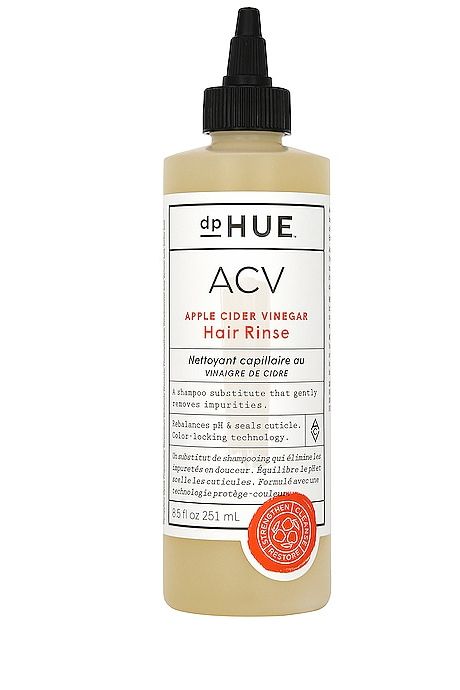
A critical realization quickly took root during her recovery: consumers can spend exorbitant sums on topical serums, shampoos, and scalp treatments, but if an internal imbalance remains unaddressed, the external impact of any cosmetic product will inherently be limited. To tackle her hair concerns comprehensively, she needed a deeper, more sophisticated understanding of her hormonal profile. Receiving the PMOS diagnosis provided the necessary framework to contextualize how deeply interconnected the endocrine system is with virtually every aspect of physical health, influencing menstrual regularity, cutaneous clarity, and follicular vitality.
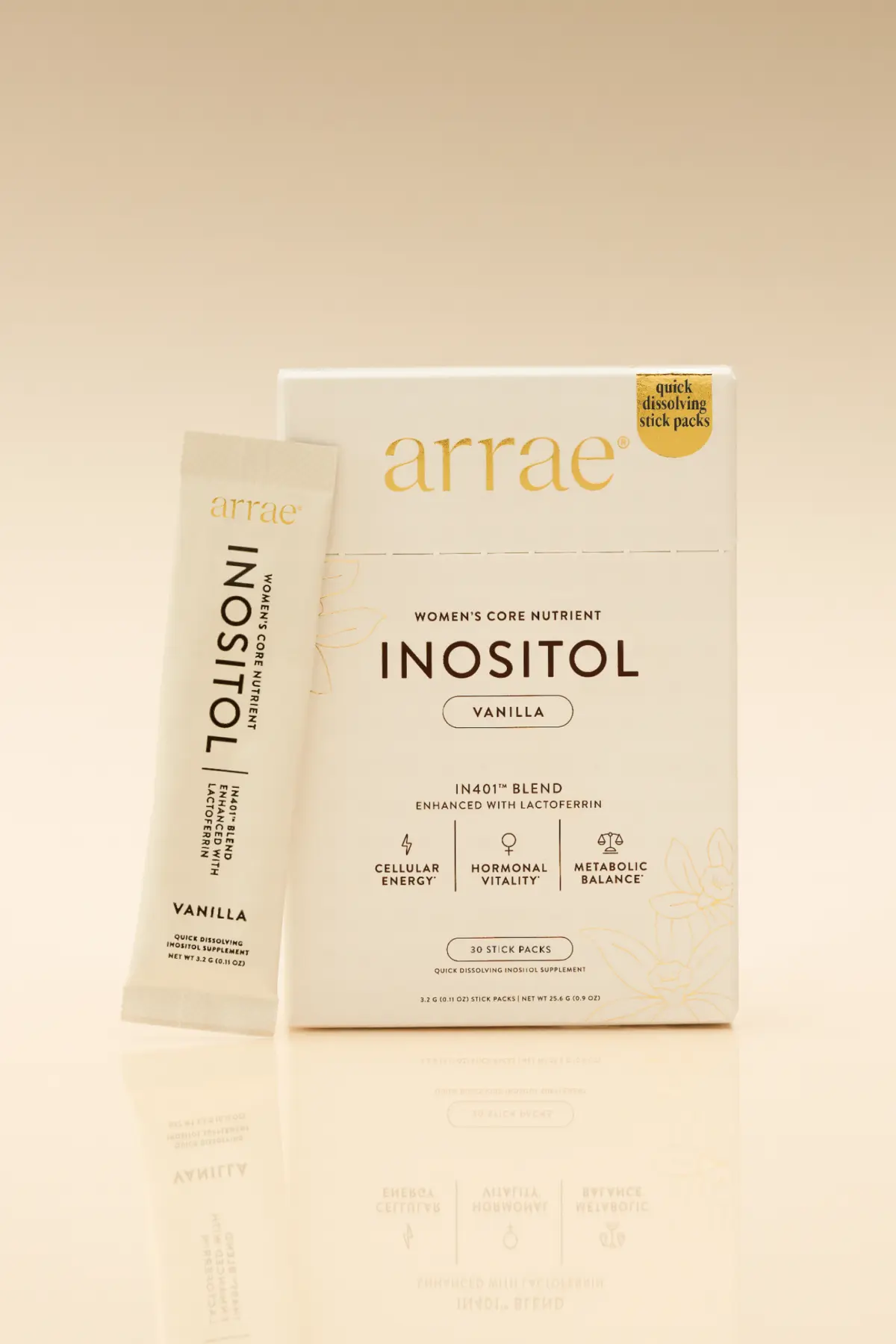
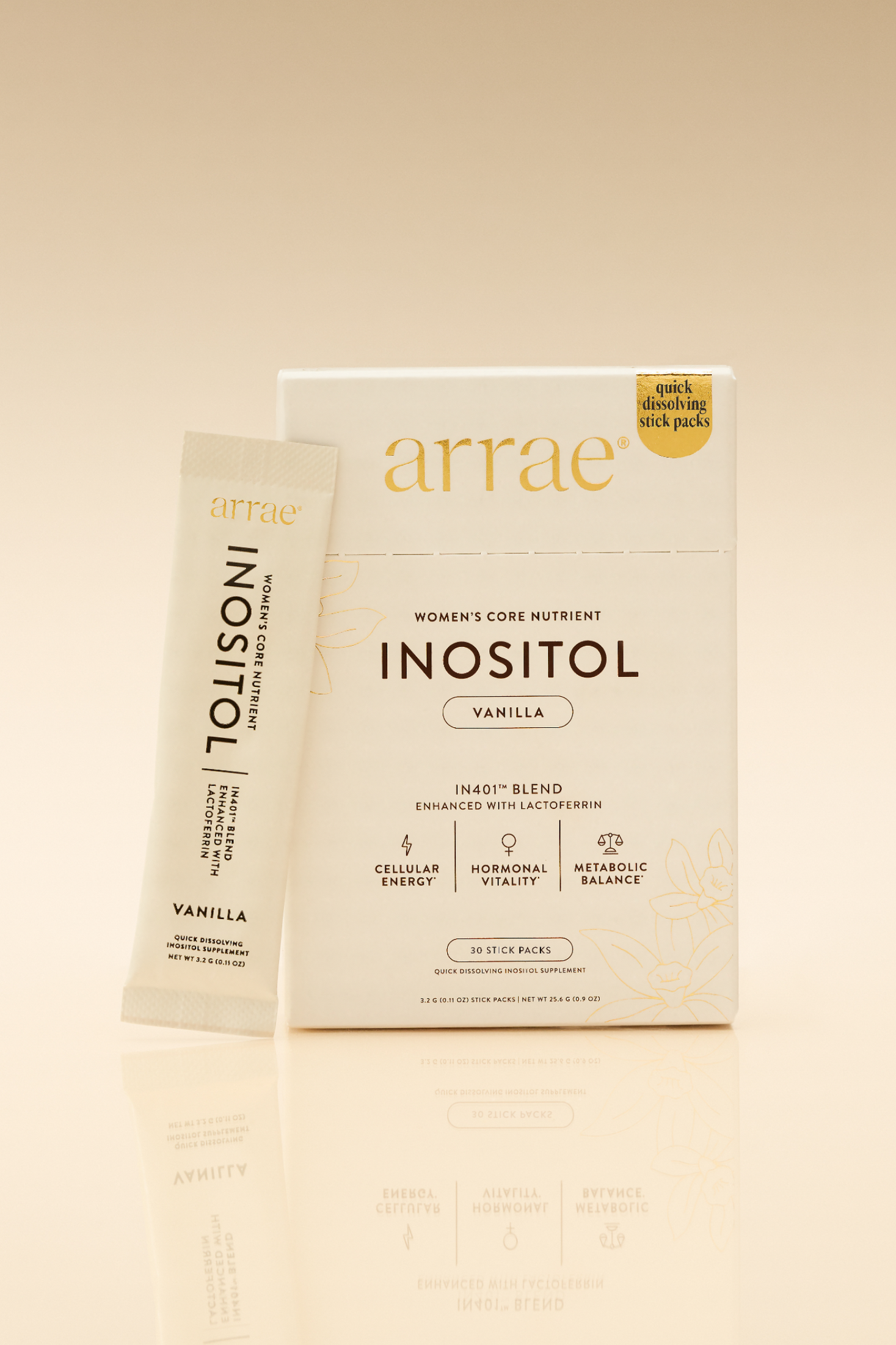
Looking far beyond her bathroom vanity, she began exploring internal support mechanisms, researching supplements such as inositol and high-grade probiotics while adopting a much closer focus on foundational health habits. This holistic pivot included a deliberate commitment to securing restorative sleep, implementing stress-mitigation techniques, and maintaining a consistent exercise regimen. Pilates emerged as a favored physical outlet. While she remained pragmatic enough to recognize that a reformer class would not magically reverse hormone-induced shedding, establishing routine and physical consistency offered a much-needed anchor during a period when her body felt entirely unpredictable. Although quantifying the exact therapeutic contribution of each individual lifestyle adjustment remains impossible, grasping the internal mechanics of her condition proved vital to formulating an effective long-term care strategy.
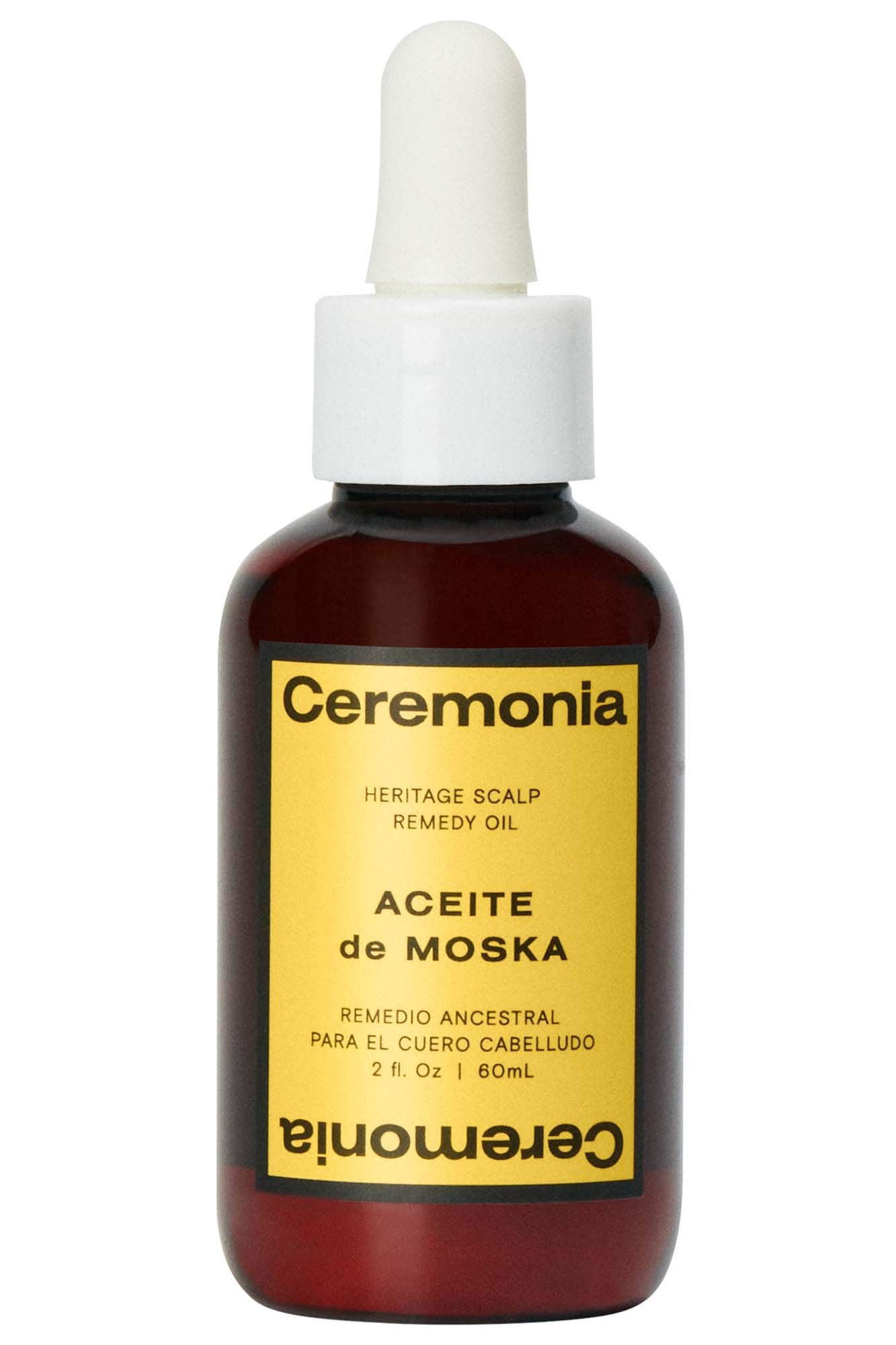
The Haircare Habits That Help Prevent Breakage
While proactive measures were deployed to stimulate healthy new growth, an equally urgent priority involved preserving the integrity of the hair she already retained. Watching half the volume of one’s head accumulate on the shower enclosure instills a fierce aversion to any form of mechanical stress that might cause unnecessary breakage.
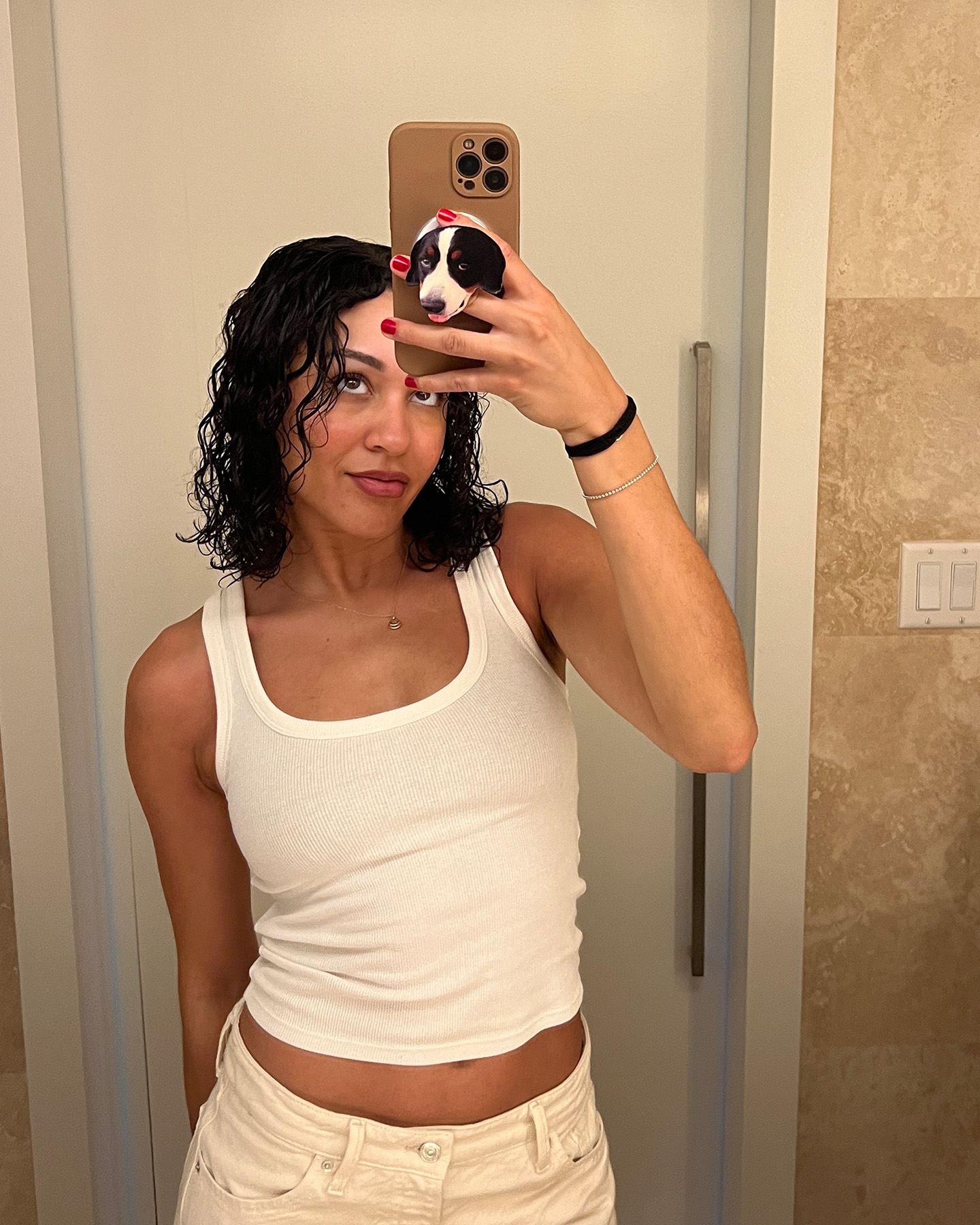
Although she had historically avoided artificial enhancements, the psychological toll of thinning hair eventually led her to experiment with clip-in extensions. Investing in a set of Bellami pieces provided a temporary confidence boost and the tactile sensation of long, luxurious hair for special occasions and social outings. Mindful of the mechanical strain heavy hairpieces can place on compromised roots, she restricted their use to specific events, though she began contemplating more permanent future solutions like K-tips for long-term wear.
Her everyday styling habits underwent an equally rigorous evaluation. Rather than abandoning her preferred blowouts entirely, she adopted a much more disciplined approach to thermal styling. This meant religiously applying heat-protectant creams and sprays before any styling session, intentionally dialing down the temperature settings on her hot tools, and investing in advanced equipment designed to minimize thermal damage. Her Shark blow-dryer became an essential tool, enabling her to achieve a polished finish without subjecting her fragile strands to excessive heat stress. While these adjustments represent fundamental, common-sense practices rather than revolutionary breakthroughs, they fundamentally altered her relationship with her hair. Having fought hard to claw her way back from significant shedding, she remained entirely disinclined to undermine her own progress.
This article is provided for informational purposes only and is not intended to be used in the place of advice from your physician or other medical professionals. You should always consult your doctor or healthcare provider with any health-related questions.