




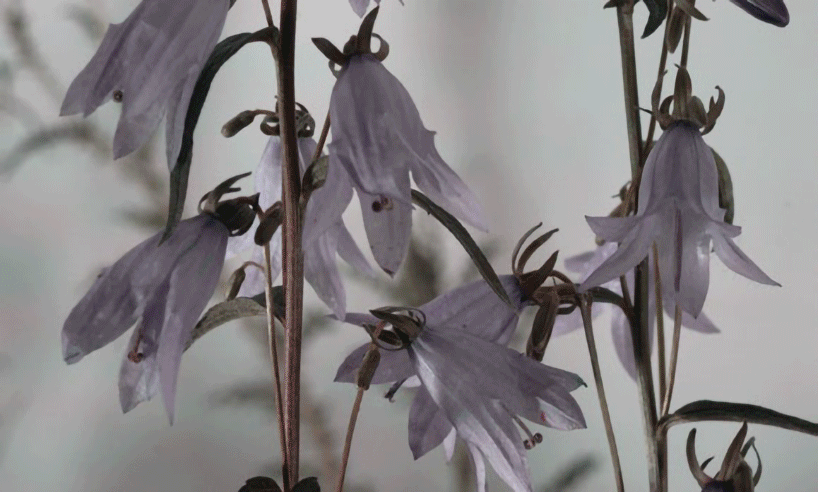
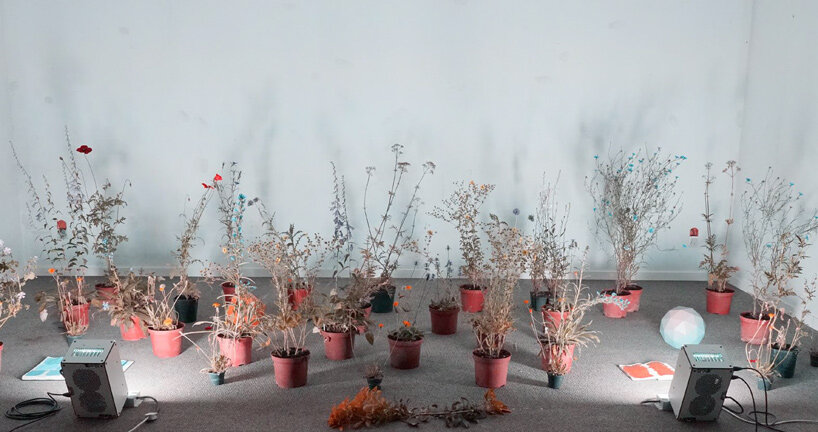
At the 2026 Ars Electronica Festival in Linz, visitors stepping into a specialized indoor installation encounter a small, vibrant meadow that defies everyday human perception. Titled Parallel World, the project is a collaborative effort led by Brussels-based artist Adrien Lucca alongside a multidisciplinary team of scientists. The installation features a collection of real, living plants placed beneath a sophisticated, computer-controlled LED lighting system. At regular intervals, the illumination shifts across the meadow, causing the visual composition of the entire space to transform dramatically, even though every single flower, stem, and blade of grass remains completely stationary.
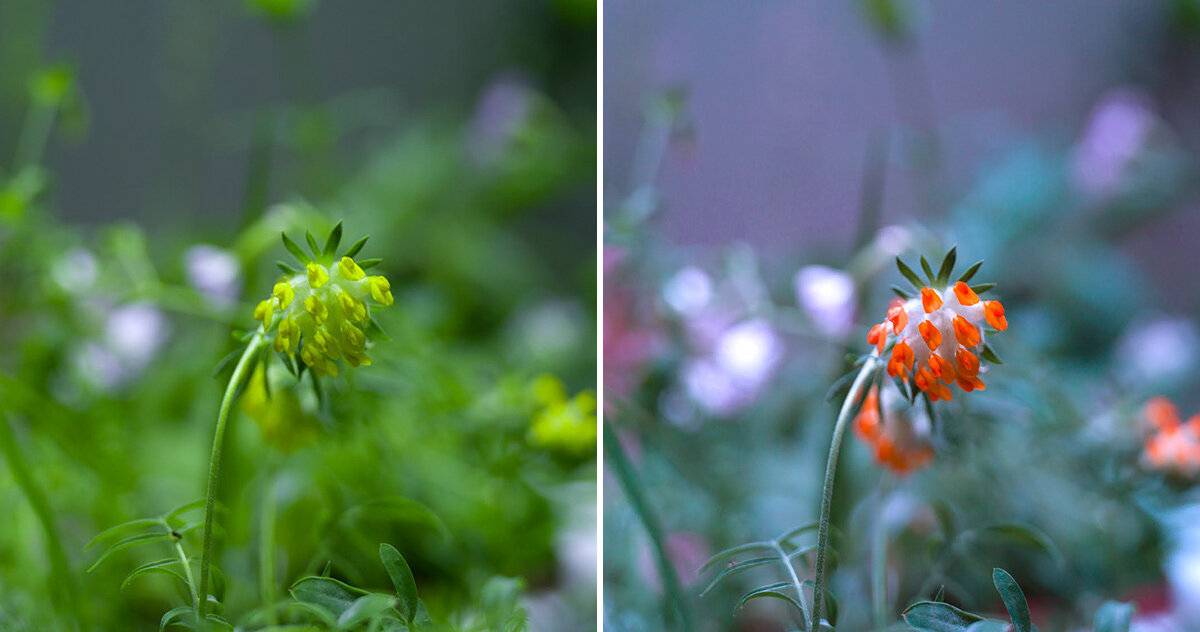
Under the programmable light cycles, the familiar verdant greens of the foliage fade into deep browns and nearly black shadows, while the scattered pink and orange blossoms suddenly flare with unusual brilliance against their darkening surroundings. This stark optical shift is driven by the specific wavelengths of light reaching the flora and reflecting back toward the human eye. It serves as a striking visual experiment rooted in a profound biological premise: the colors humans naturally associate with a garden represent only one narrow interpretation of reality. The exact same arrangement of living matter can appear profoundly different to another living creature navigating the same space.
Seeing Flowers Through the Eyes of a Moth
The conceptual foundation of Parallel World stems from the specialized visual system of the elephant hawkmoth (Deilephila elpenor). As a nocturnal pollinator, this remarkable insect possesses the ability to distinguish colors under exceptionally dim environmental conditions. While human color perception degrades rapidly as the sun sets, nocturnal insects can continue identifying and locating flowers beneath the faint, ghostly illumination of the night sky.
The eyes of the elephant hawkmoth are uniquely evolved to respond to ultraviolet wavelengths alongside the traditional blue-to-green regions of the visible light spectrum. This physiological adaptation grants them access to a wealth of visual information entirely hidden from human eyes. Landmark biological research published in the journal Nature in 2002 established that this specific moth species retains robust color discrimination capabilities under light levels directly comparable to faint starlight.
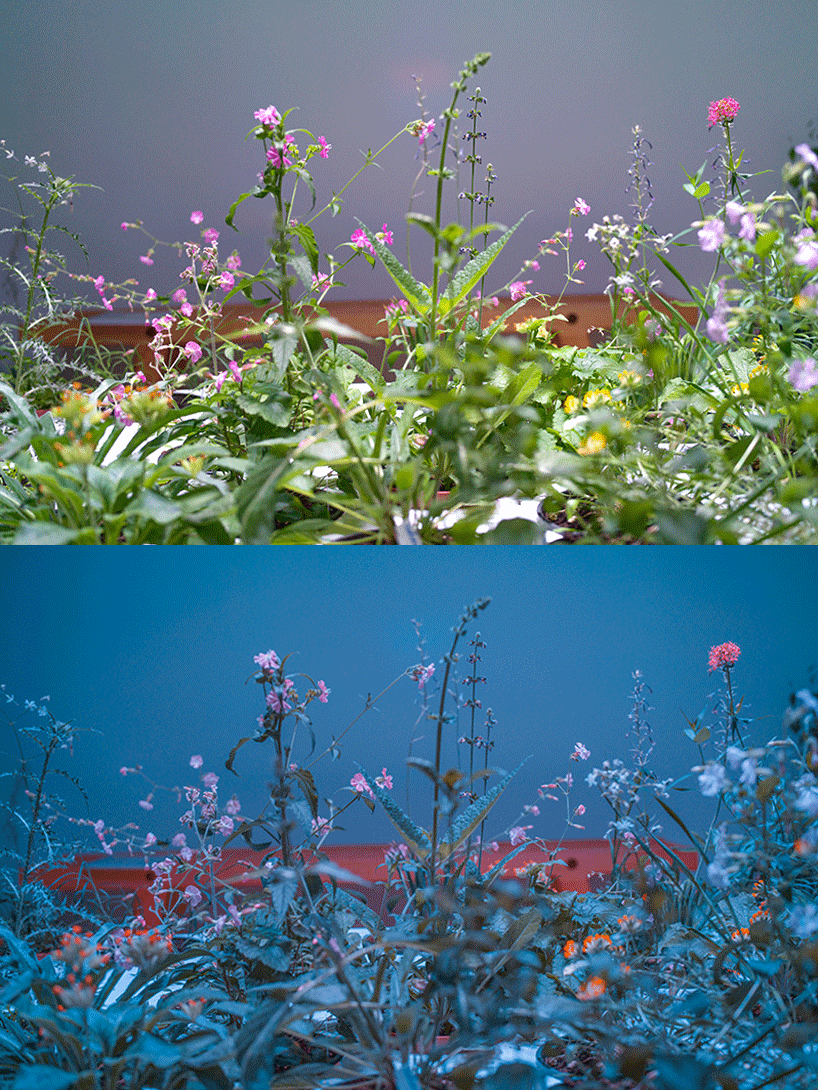
To bridge this sensory gap, Studio Adrien Lucca developed the installation in close collaboration with color scientist Ali Aiman Raza, researcher Colas Schretter, and biologist Marko Ilić, whose academic work centers heavily on insect vision. Together, the team utilized programmable LED technology to translate complex aspects of the moth’s visual environment into a spectrum that human gallery visitors can directly experience. While the approximation has inherent boundaries—human retinas cannot naturally perceive ultraviolet light, and compound insect eyes process spatial and chromatic data through entirely different neural pathways—the shifting garden provides a tangible, immersive bridge toward a sensory reality that would otherwise remain completely inaccessible.
Exploring the Parallel Worlds of Plants and Pollinators
The roots of Parallel World trace back to Lucca’s ongoing artistic and scientific investigations into plant pigmentation and artificial illumination. In 2022, he partnered with the Brussels-based LMNO Gallery and Belgian seed producer Ecosem to debut Mondes parallèles, an early iteration featuring wild flora illuminated by programmable lamps. By dynamically adjusting the light spectrum, Lucca was able to manipulate the chromatic relationships within the planting arrangement, making certain flowers leap forward into prominence while others seemed to recede into the surrounding foliage. That initial experiment probed how flowering plants evolved distinct visual characteristics over millennia through deep ecological relationships with insect pollinators.
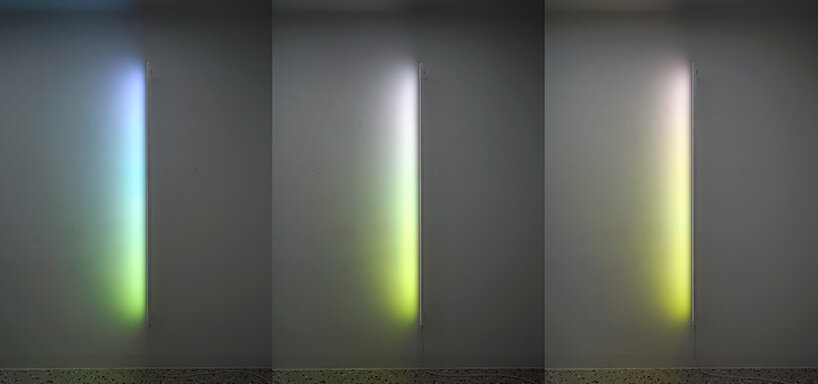
Continuing this trajectory, Lucca undertook a 2024 artistic residency with Gluon in Brussels, narrowing his focus toward the sensory world of the elephant hawkmoth and the chromatic shifts of twilight. This research culminated in his 2025 exhibition À l’aube du crépuscule at LMNO, which brought together a series of paintings and luminous sculptures designed to trace the fleeting, changing light of dusk. Additional works examined the insect’s remarkably wide field of vision and its high sensitivity to invisible spectral bands. A drawing entitled Rosetta, for instance, directly compared human and hawkmoth visual sensitivities by utilizing visible red light as a proxy for ultraviolet. The living garden installation at Ars Electronica serves as a natural evolution of this trajectory, inviting the public to witness these cross-species disparities firsthand.
How Artificial Lighting Transforms the Nocturnal Landscape
Beyond the gallery walls, these scientific inquiries raise pressing questions regarding the widespread use of artificial lighting that shapes modern human landscapes. Flowering plants have evolved intricate colors, pigments, and visual patterns specifically designed to communicate with pollinators, including hidden nectar guides that reflect ultraviolet light. The appearance of a flower depends entirely on the composition of the light illuminating it, meaning that modern streetlights and urban glow can fundamentally alter the visual signals available to nocturnal insects after dark.
A comprehensive 2017 study published in Nature revealed that nocturnal flower visitation rates plummeted by 62 percent in artificially illuminated plant communities when compared to adjacent dark areas, carrying severe consequences for plant reproduction and ecological stability. Subsequent research published in Nature in 2021 further explored how different types of artificial light sources influence the visibility of flowers against vegetation. The findings indicated that while certain lighting spectra help preserve vital color contrasts, narrow-band orange lighting renders floral colors nearly indistinguishable to moths, disrupting their ability to navigate and forage effectively even when the environment appears brilliantly illuminated to human observers.
Presented first in Gdańsk and subsequently at the Ars Electronica Festival under the overarching curatorial theme Negotiating Beyond Humanity, Parallel World brings these urgent ecological questions into an immediate, physical setting. Lucca’s career has long interrogated the intricate relationship between light and human perception, frequently employing custom-engineered lighting apparatuses to alter the appearance of painted canvases and architectural spaces. Applying these methodologies to living plants and the pollinators that interact with them transforms the indoor garden into a compelling space for reflection, urging architects, urban planners, and designers to consider how public lighting infrastructure might better accommodate non-human forms of vision.
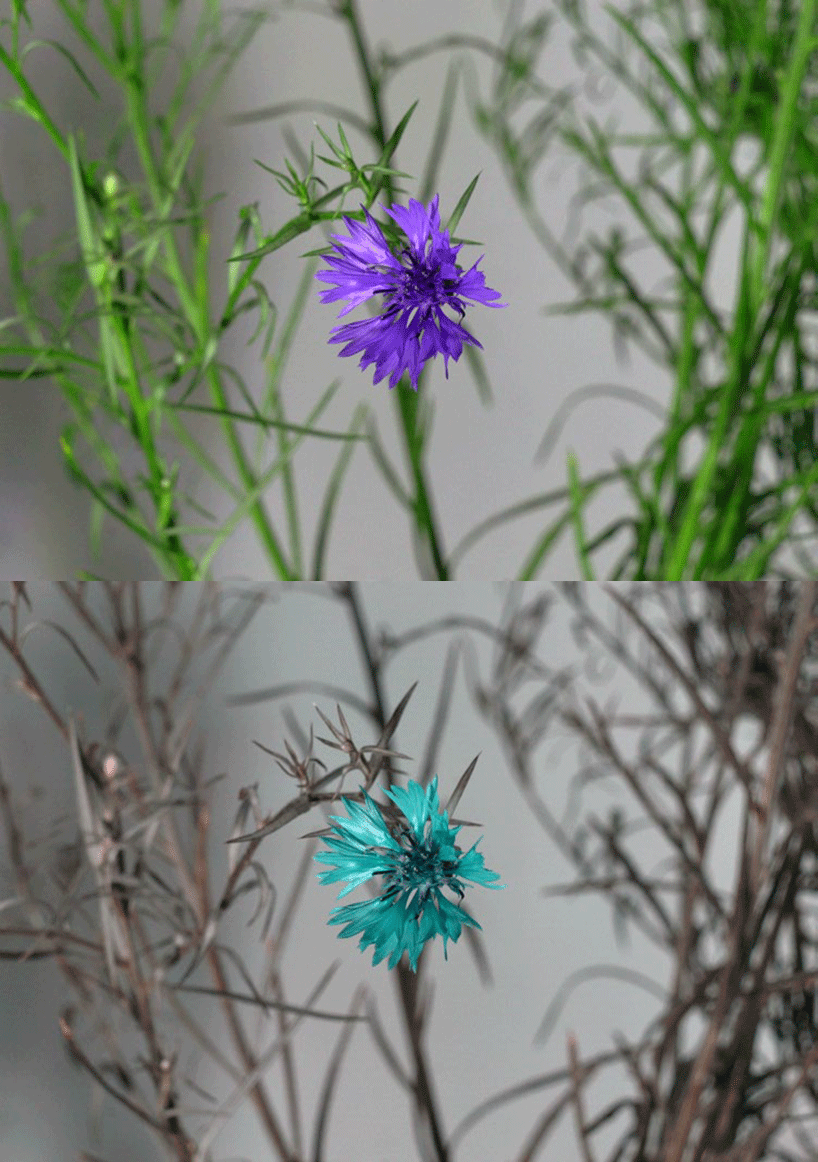
As contemporary cities continue to expand their illuminated footprints, installations like Parallel World challenge the humancentric design paradigms that govern modern landscapes. Streetlights and public gardens are traditionally engineered strictly around human utility and comfort, often ignoring the vast network of organisms sharing those same habitats. By demonstrating how a simple shift in light spectra can completely rewrite the visual reality of a meadow, the project offers a subtle yet powerful reminder that familiar environments are deeply subjective. The flowers remain untouched in the soil, but the garden briefly opens a window onto an alternate visual dimension running silently alongside our own.