






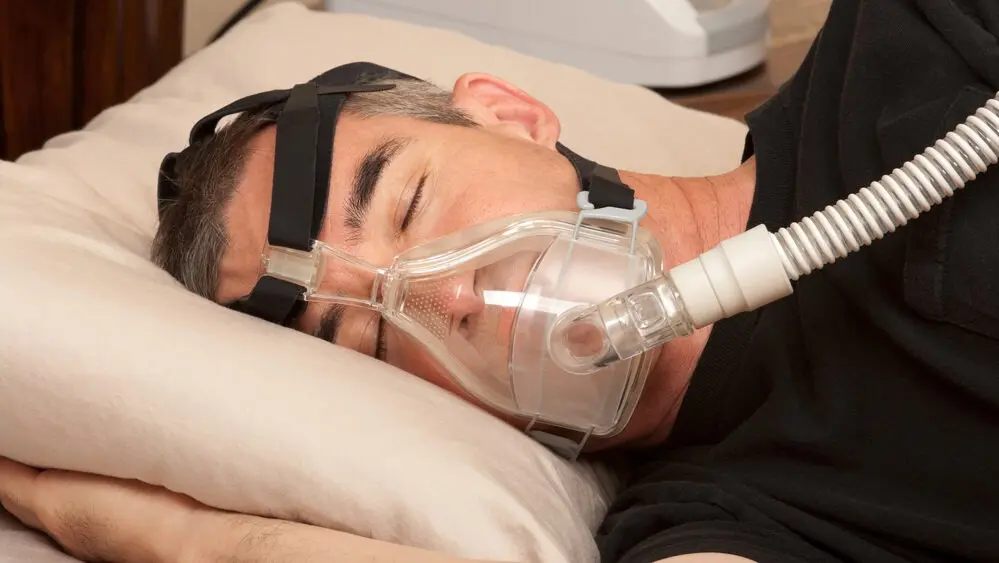
AMSTERDAM — Health technology giant Philips has reached a definitive agreement in principle with the United States Department of Justice, agreeing to pay €288 million to resolve a long-running, high-stakes lawsuit regarding its defective sleep apnoea devices. The Amsterdam-based multinational disclosed the substantial financial settlement within its latest quarterly earnings report, a financial release that simultaneously showcased resilient operational momentum marked by growing orders and turnover, even as profitability took a sharp, temporary hit from the legal payout.
For Philips, the settlement represents a pivotal moment in putting one of the most damaging chapters in its recent corporate history behind it. Company Chief Executive Officer Roy Jakobs stated that the agreement with the US government draws a definitive line under the massive and deeply disruptive troubles that plagued its Respironics ventilator and sleep therapy machines. Describing the development as a “very important step” for the enterprise, Jakobs emphasized that the resolution clears the path for Philips to return its undivided attention to core engineering, patient care, and medical innovation.
The sprawling controversy originated from a staggering global safety crisis involving the company’s continuous positive airway pressure (CPAP), bi-level positive airway pressure (BiPAP), and mechanical ventilator devices. Philips was forced into a massive, unprecedented worldwide recall affecting approximately 5.5 million individual machines and an estimated 17 million sleep masks. The root of the mechanical failure lay in a polyester-based polyurethane sound-abatement foam integrated into the devices. Over time, particularly when subjected to unapproved cleaning methods or warm and humid operating environments, the foam could degrade, breaking down into microscopic particles and invisible chemical gasses that users could subsequently inhale or ingest during routine therapy.
Suppressed Reports and Regulatory Fallout
The severity of the fallout was intensified significantly by subsequent regulatory and investigative findings. US federal regulators initiated strict legal actions against Philips after internal company investigations and audits revealed that corporate leadership had suppressed customer complaints and internal technical reports for years. Evidence showed that Philips had received warnings regarding the safety risks of the polyester foam for half a decade before finally initiating the massive product recall in 2021. The failure to act swiftly on accumulating safety alerts triggered intense scrutiny from the US Department of Justice, the Food and Drug Administration (FDA), and other international health authorities, culminating in stringent oversight agreements and the ongoing legal battles that have now been resolved with the €288 million payment.
The federal justice department settlement is only the latest financial repercussion tied to the Respironics fallout. Two years prior, Philips agreed to a massive €1.1 billion class-action settlement to resolve a sprawling portfolio of claims filed by American users of the defective devices. Many of those plaintiffs alleged that inhaling or ingesting the degraded foam particles had caused severe health complications, including respiratory distress and various forms of lung and nasal cancer. Despite agreeing to the multibillion-dollar mass claim settlement to mitigate protracted litigation, Philips did not explicitly admit liability for the physical illnesses and health problems reported by the patients.
Financial Performance and Operational Resilience
Despite the substantial financial drag imposed by the legal resolutions, Philips’ broader financial health demonstrated considerable resilience during the third quarter. The company reported a 3% increase in group sales, bringing total revenue for the quarter to €4.4 billion, propelled by steady global demand for its diagnostic imaging systems, hospital monitoring equipment, and consumer health solutions.
However, the bottom-line figures reflected the immediate weight of the US justice department settlement. Net profits plummeted dramatically from €187 million in the same period last year down to just €28 million for the third quarter, a direct reflection of the accounting impact of the €288 million legal payout.
The latest financial results arrive on the heels of another notable fiscal windfall for the Dutch manufacturer. In the preceding quarter, Philips recorded a €186 million financial recovery following a ruling by the United States Supreme Court, which determined that certain tariffs levied during the Trump administration had been implemented unlawfully. The subsequent repayment provided a welcome boost to the company’s cash flow during a turbulent transitional period.
Looking Forward Through Artificial Intelligence
With the legal clouds of the Respironics crisis finally clearing, CEO Roy Jakobs stressed that Philips is actively reaping the rewards of strategic investments in advanced technology, particularly artificial intelligence designed to make medical hardware smarter, faster, and more efficient.
Highlighting the practical applications of these technological shifts, Jakobs pointed to recent advancements where AI-driven software has effectively halved the duration required for complex Magnetic Resonance Imaging (MRI) scans. By cutting scan times in half, healthcare facilities and hospital networks are empowered to process significantly more patients within a standard operational day, directly addressing chronic backlogs and reducing burdensome waiting lists across medical systems.
“It’s great for the patient and the hospital to reduce the waiting list so that they can now help twice as many people for the same cost,” Jakobs noted, framing the technological pivot as a vital cornerstone for the future of modern healthcare delivery as the company turns the page on its past regulatory hurdles.