







Nearly five decades after changing the way the world listens to music, Sony is bringing back one of the most recognizable pieces of industrial design in consumer electronics history. The tech giant has officially revived the legendary headphones that originally accompanied its pioneering Walkman TPS-L2 in 1979, reintroducing the classic MDR-3 architecture under a new moniker: the MDR-3R.
While the original hardware liberated music lovers from their living rooms and invented the concept of truly portable personal audio, the newly minted MDR-3R bridges a massive generational gap. It preserves the unmistakable aesthetic of the late 1970s—complete with a slender silver headband, exposed metal supports, and vibrant foam ear cushions—while thoughtfully integrating contemporary features like a modern USB-C connection. In an era dominated by bulky, battery-hungry wireless headphones and complex software ecosystems, Sony’s strategic throwback offers a refreshing return to lightweight simplicity and retro-infused style.
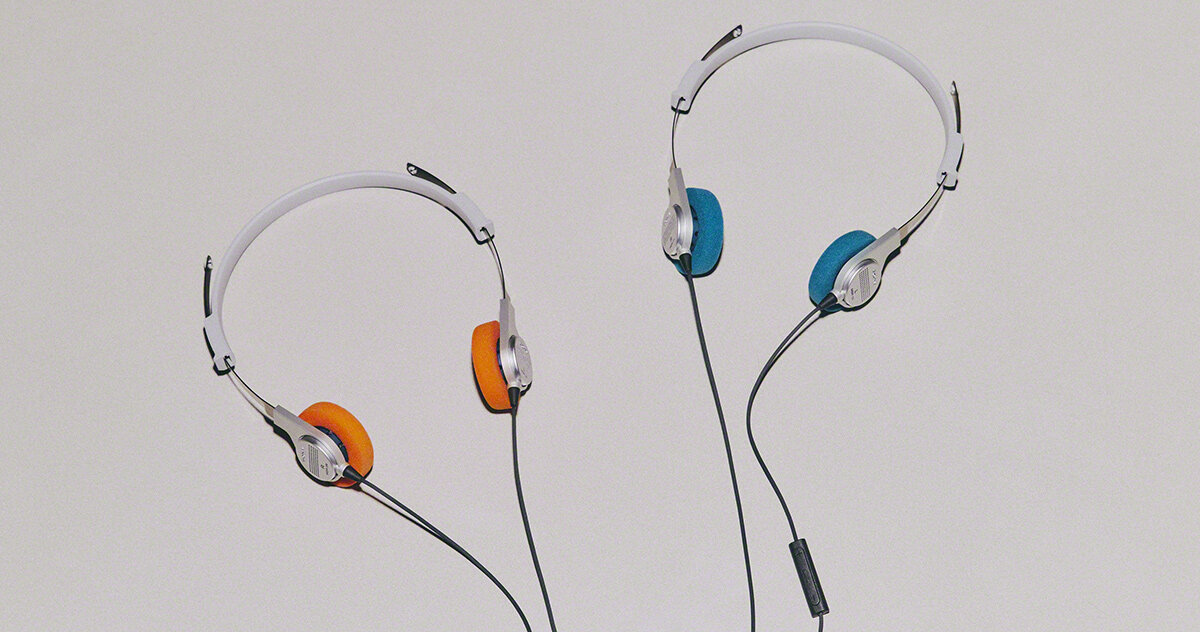
The Return of a Timeless 1979 Silhouette
When Sony first unleashed the Walkman TPS-L2 upon the public in 1979, it did more than just introduce a new gadget; it fundamentally transformed human behavior. For the first time, music was no longer tethered to a home stereo or a bulky boombox. It could travel anywhere, soundtracking commutes, walks, and travels. An essential, yet sometimes overlooked, component of that cultural shift was the pair of lightweight headphones packaged alongside the device.
Those original headphones quickly established a distinct visual silhouette that became synonymous with the dawn of portable music. The newly revealed MDR-3R stays remarkably faithful to that early blueprint. Looking at the device today, it is striking how well the proportions and materials hold up. The design features the same small circular speakers, delicate framing, and minimalist footprint that made the 1979 model a masterpiece of industrial design. By resurrecting this shape, Sony is offering a striking visual and ergonomic contrast to the oversized, heavily padded wireless cans that dominate the current audio market.
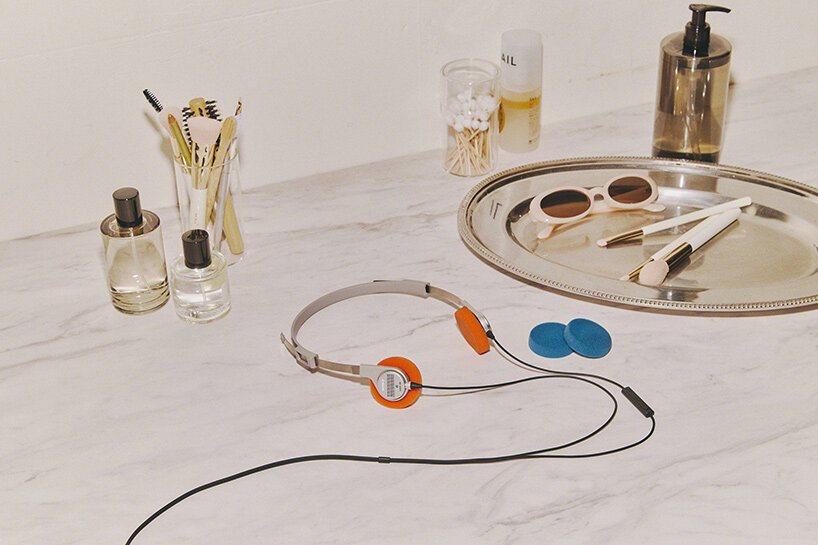
Bright Foam Ear Pads and a Featherweight Frame
Engineering a comfortable listening experience has always been paramount, and the MDR-3R leans heavily into the physical attributes that made its predecessor an enduring favorite. Tipping the scales at a mere 38 grams, the headphones maintain the ultra-light construction that allowed early Walkman users to enjoy extended listening sessions without physical fatigue.
The narrow, flexible metal headband curves effortlessly around the head, anchoring slim metal arms that connect directly to the compact silver speaker housings. True to the spirit of the original, each earpiece is draped in a removable foam pad. Rather than forcing a single color choice onto consumers, Sony is including both of the vivid hues that defined the vintage era—bright blue and striking orange. Listeners can easily swap between the two colors to match their personal style or mood.

Sony’s design team went beyond the physical hardware, meticulously recreating the unboxing experience of the late 1970s. The MDR-3R arrives packaged in a faithful reproduction of the original blue box, complete with its characteristic graphic grid pattern and an oversized product illustration. Even the accompanying instruction manual draws heavy inspiration from archival materials. These meticulous details transform the product from a simple electronics release into a piece of nostalgia hardware, perfectly timed to capture a cultural moment where early portable technology aesthetics are resonating deeply with a new generation of design enthusiasts and music fans.
Marrying Vintage Form with USB-C Functionality
Beneath the vintage aesthetic, Sony has carefully updated the internal engineering to align with the realities of modern media consumption. Housed inside the compact earcups are 23 mm drivers that retain the same dimensions as the original model. Sony’s audio engineers have tuned these drivers to carefully reproduce the sonic character of the historic MDR-3 while making the subtle, necessary adjustments expected by today’s listeners.

The most substantial technological leap, however, is the integration of a direct USB-C connection. This shift allows the lightweight headphones to plug seamlessly into modern smartphones, tablets, and laptops without requiring cumbersome adapters. Furthermore, the cable incorporates a discreet in-line microphone and remote control, giving users the ability to handle phone calls and manage media playback on the fly.
This deliberate return to a wired connection is a major part of the product’s broader appeal. As Bluetooth wireless technology has grown increasingly sophisticated—often accompanied by dedicated companion apps, firmware updates, and battery management protocols—the simple act of plugging in a cable offers an appealing sense of friction-free convenience. There are no batteries to recharge, no pairing menus to navigate, and no wireless dropouts to endure. The MDR-3R successfully channels the unadulterated simplicity of early portable listening, translating a classic 1979 design into an effortless accessory for today’s connected devices.