






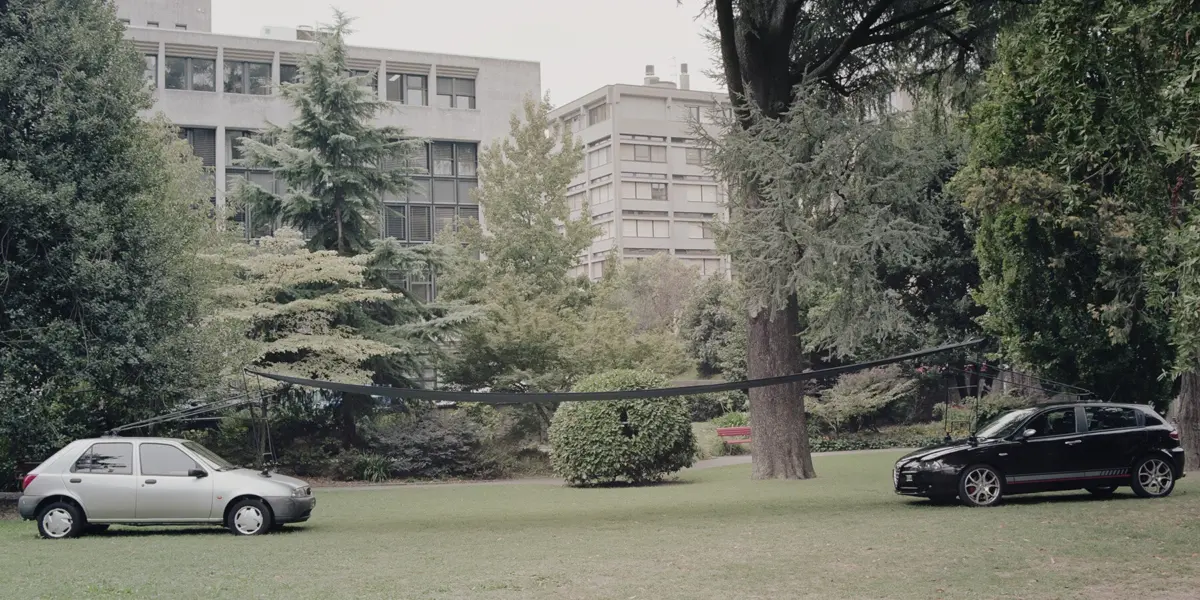
The future of resource management and material reuse in Switzerland is coming under renewed scrutiny through a striking new art and architectural installation titled It all remains. Conceived and designed by Giona Bierens de Haan, the project confronts a pressing environmental and logistical challenge hidden in plain sight: the fate of the nation’s decommissioned automobiles. By examining the lifecycle of the millions of motor vehicles traversing Swiss roads, the installation challenges the conventional trajectory of industrial waste, reframing obsolete transport infrastructure not as a burdensome discard destined for foreign shores, but as a valuable reservoir of structural building blocks for future architectural endeavors.
At the heart of the project lies a critical examination of Switzerland’s contemporary automotive footprint. With nearly five million registered vehicles currently circulating within the country—translating to an average of roughly 0.5 cars for every inhabitant—the sheer volume of personal transportation is staggering. Yet, this high density of vehicles creates a continuous and predictable cycle of obsolescence. Annually, approximately 200,000 automobiles are permanently removed from active service across the Swiss Confederation.
However, the disposal and management of these decommissioned vehicles reveal a complex environmental blind spot. According to the data underpinning Bierens de Haan’s project, two-thirds of these retired automobiles are not processed, recycled, or upcycled domestically. Instead, they are exported away from Switzerland to countries operating under less stringent environmental regulations. This practice effectively outsources the heavy ecological footprint of automotive disposal, shielding domestic markets from the immediate visual and environmental consequences of mass vehicle retirement while exporting potential material assets to developing or less-regulated industrial spheres.
CONVERTING OBSOLETE VEHICLES INTO STRUCTURAL BUILDING BLOCKS
Responding directly to this reliance on foreign markets for domestic waste management, It all remains proposes a radical shift toward local material revalorization. As contemporary society stands on the precipice of a significant post-fossil-fuel transition, the role of the automobile is undergoing a profound conceptual evolution. Internal combustion engines are steadily falling out of favor, and the broader automotive paradigm is shifting toward electrification, shared mobility, and alternative transit. In anticipation of an era where millions of conventional and early-generation vehicles become entirely obsolete, Bierens de Haan’s conceptual installation visualizes a circular economy where these metal behemoths are systematically intercepted before leaving the country.
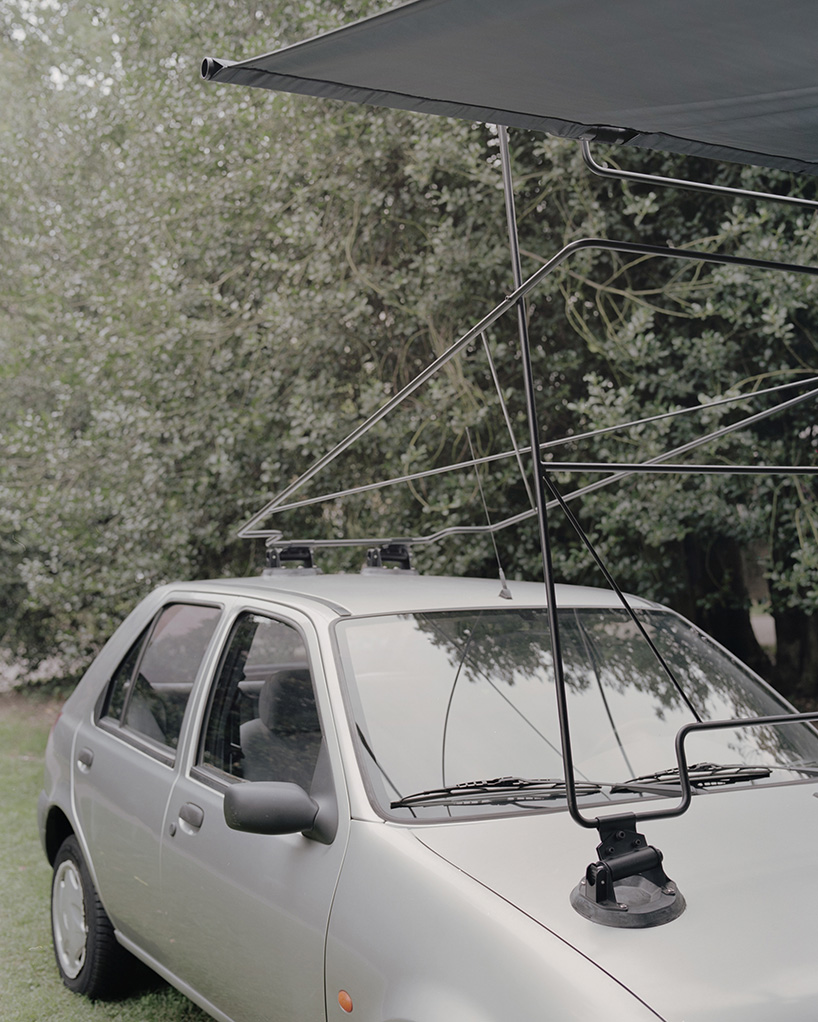
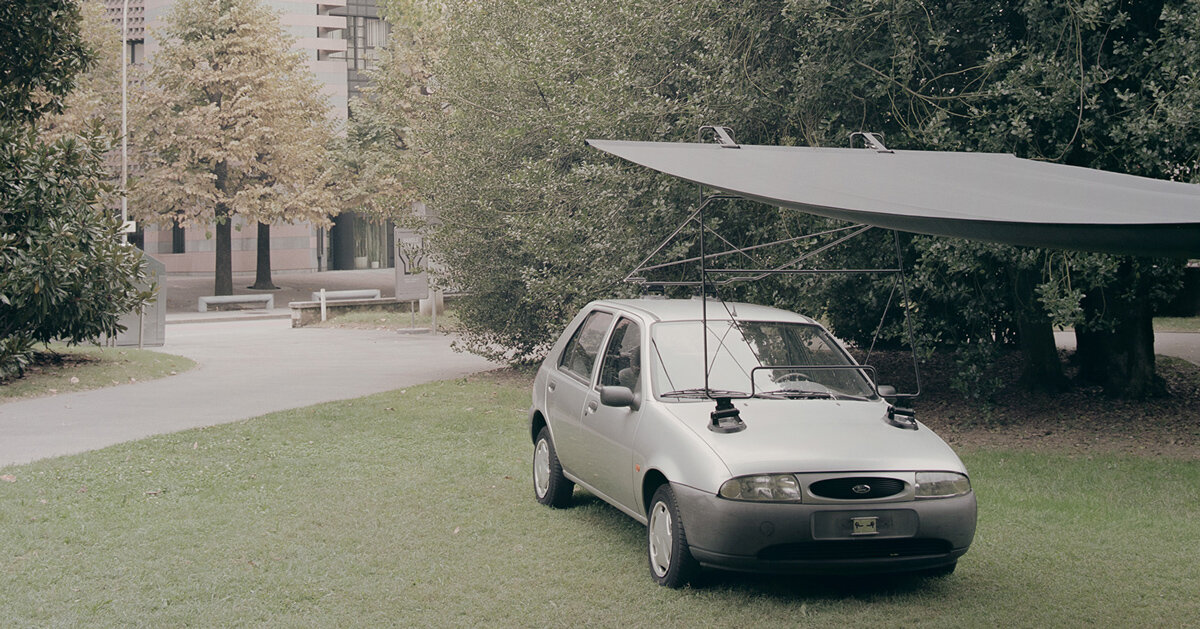
Rather than treating retired cars as systemic waste or hazardous refuse that must be shipped abroad to clear domestic space, the installation redefines them as raw architectural ingredients. The project envisions utilizing vehicle components—ranging from high-strength steel frames and stamped body panels to glass, rubber, and complex metal alloys—as foundational building blocks for future construction. By breaking down, repurposing, and reassembling the components of decommissioned cars, the initiative points toward an innovative intersection between automotive engineering and structural architecture.
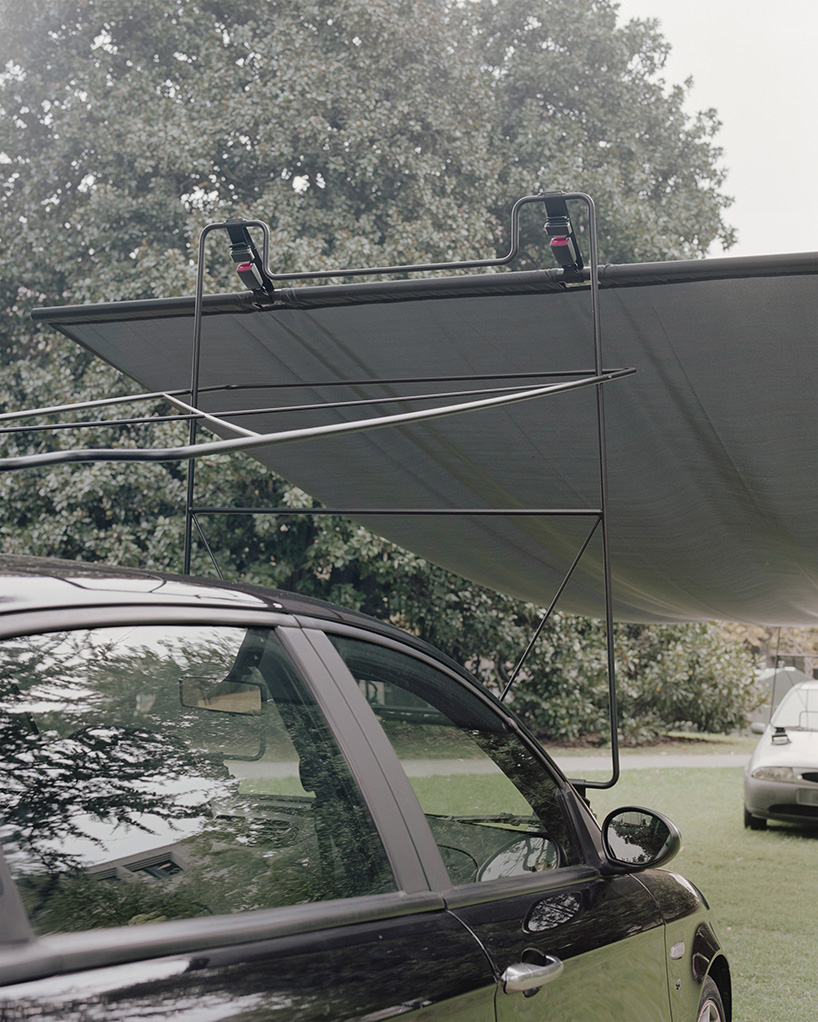
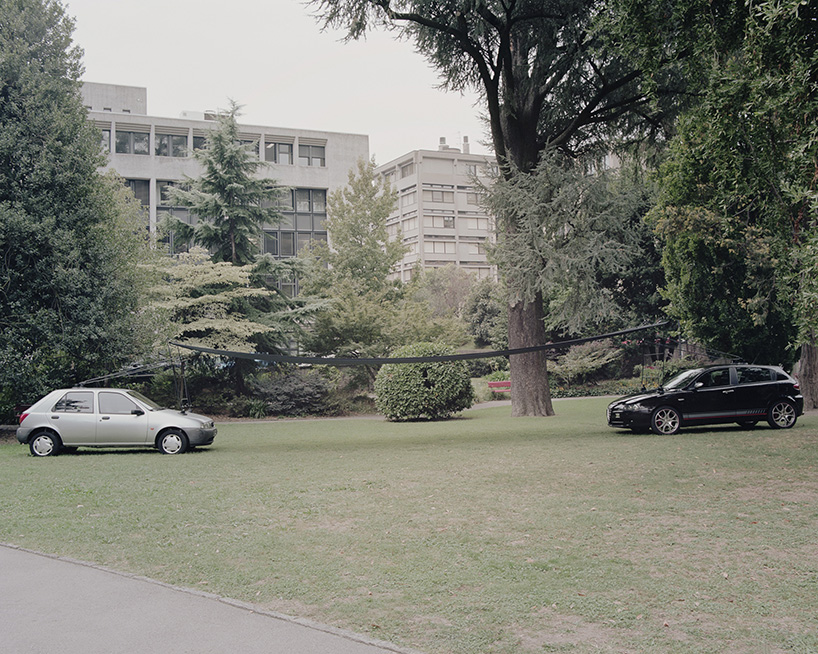
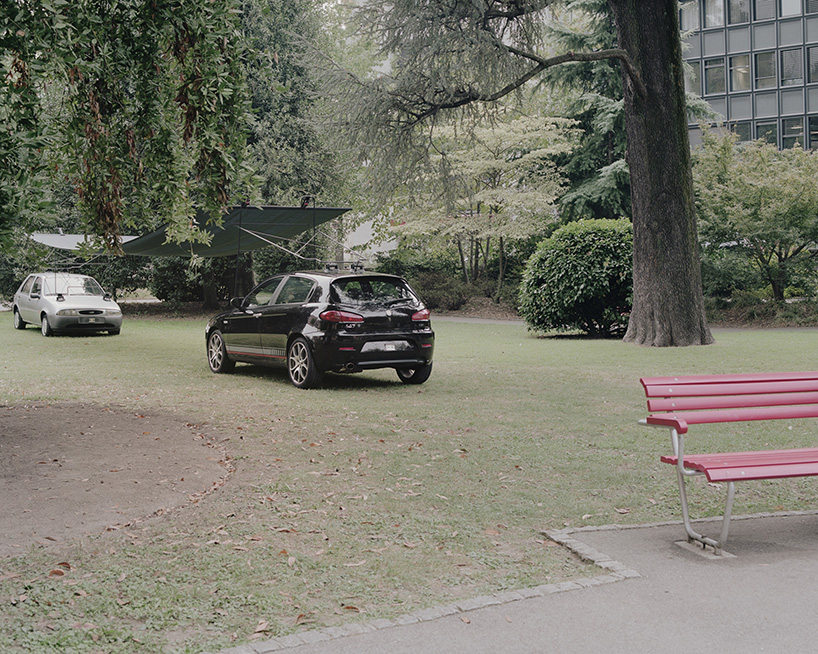
Photographed extensively by Simone Bossi, the installation showcases how these industrial relics can be stripped of their original vehicular identity and endowed with a second life as architectural elements. The spatial arrangements and structural prototypes presented in the exhibition challenge viewers to rethink the boundaries of material sustainability. By bringing the conversation back to Swiss soil, the project critiques the current status quo of exporting environmental liabilities and champions a self-sustaining model of resource stewardship. Through this visionary synthesis of art, architecture, and industrial design, It all remains lays the conceptual groundwork for a future where urban development and automotive retirement are intrinsically linked, turning the discarded machinery of yesterday into the resilient structures of tomorrow.