




There is a distinct, satisfying joy in executing a DIY manicure from the comfort of your own home. As daily routines grow busier and time becomes an increasingly precious commodity, many beauty enthusiasts find themselves moving away from regular salon appointments in favor of simple, efficient tools that elevate the appearance of natural nails with minimal effort. While high-quality nail files and nourishing cuticle oils remain central to any proper routine, industry insiders argue there is another humble instrument that deserves a permanent home in every personal grooming kit: the nail buffer.
Often overlooked in favor of vibrant polishes or complex gel systems, a worthwhile nail buffer can completely transform a manicure. When used correctly, it smooths away minor ridges, refines the natural surface of the nail plate, and delivers an impressively glossy finish that rivals a professional treatment. Best of all, unlike intricate nail art or multi-step gel applications, the process takes mere minutes. To understand why these unassuming blocks and sponges remain an essential staple in every professional nail technician’s arsenal, industry expert Giorgia Cappella, head of product and education at The Gel Bottle, breaks down everything you need to know about incorporating a buffer into your regimen.
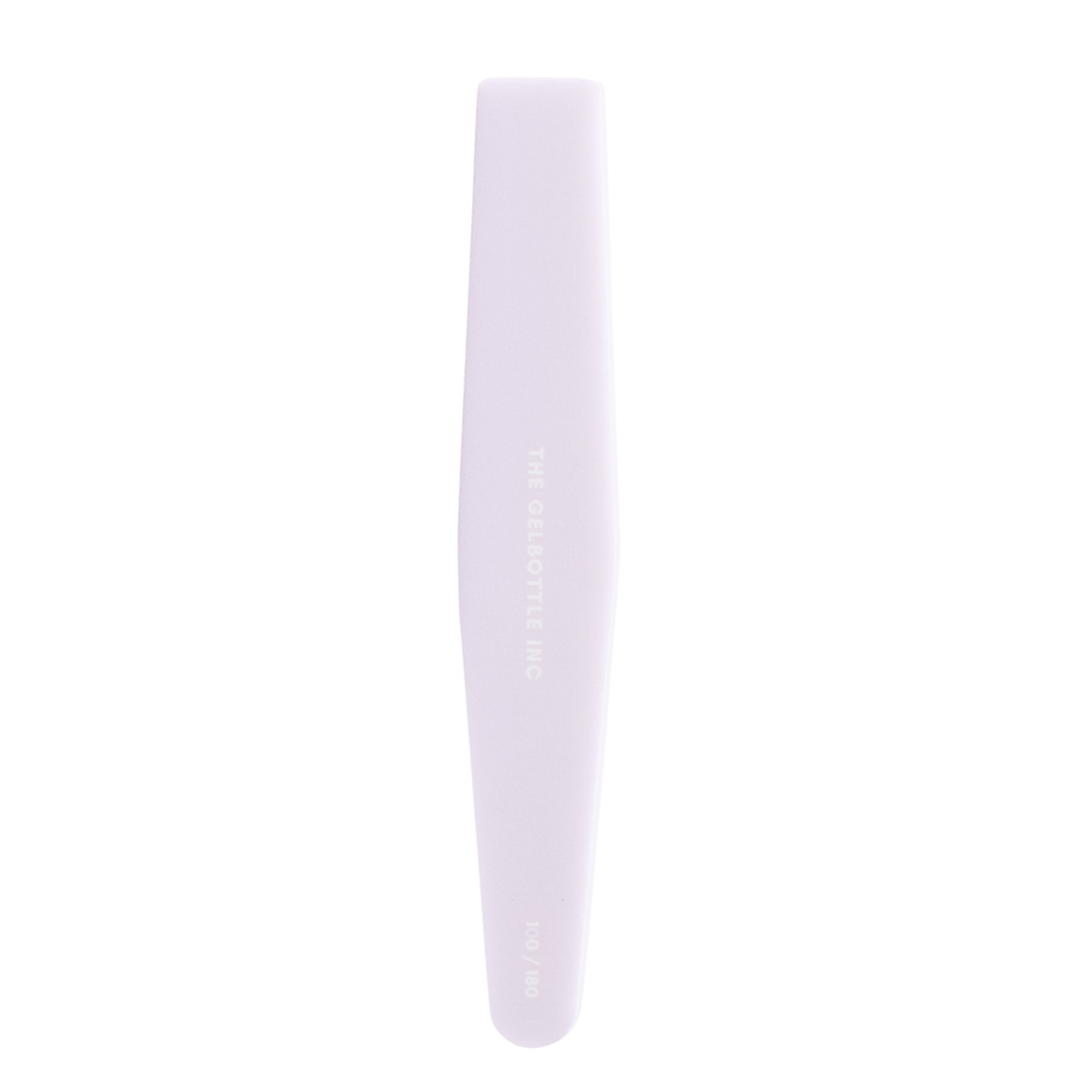
To understand its place in nail care, it helps to look at what the tool actually is. According to Cappella, a nail buffer is a specialized nail-care implement featuring a slightly abrasive, fine-grained surface designed to gently smooth and refine the natural nail. While a traditional nail file is primarily utilized to shape and shorten the free edge of the nail, a buffer is engineered to work directly across the flat surface of the natural nail plate. These tools are exceptionally useful for creating a uniform, even finish prior to applying standard nail lacquer, or when working alongside a professional to prepare the nails for gel or builder in a bottle, commonly known as BIAB.
A common question among beauty enthusiasts is whether a nail buffer can successfully eliminate stubborn ridges. Cappella advises caution, noting that while individuals can gently smooth the appearance of very minor surface ridges using a buffer, attempting to completely buff away pronounced ridges is strongly discouraged. Those prominent ridges are an inherent part of the natural structure of the nail, and repeatedly filing them down can dangerously thin and weaken the nail plate over time. For those with naturally ridged nails, professional nail technicians generally embrace the existing texture and instead select a thicker, ridge-filling base coat prior to gel or BIAB application to achieve a flawlessly smooth appearance without compromising nail health.
When used occasionally and with a gentle touch, nail buffers are remarkably beneficial for maintaining overall nail health. The natural nail plate is composed of several delicate layers, meaning that aggressive or overly frequent buffing can lead to thinning over time. The golden rule, according to Cappella, is moderation and gentleness. Users should always start with a clean, dry natural nail, applying very light pressure and sweeping the buffer smoothly across the surface rather than aggressively scrubbing back and forth in one isolated spot. Only a few light passes are required to achieve the desired smoothing effect; the goal is never to strip away layers of the natural nail. Avoiding excessive frequency ensures that nails remain strong, resilient, and structurally sound.
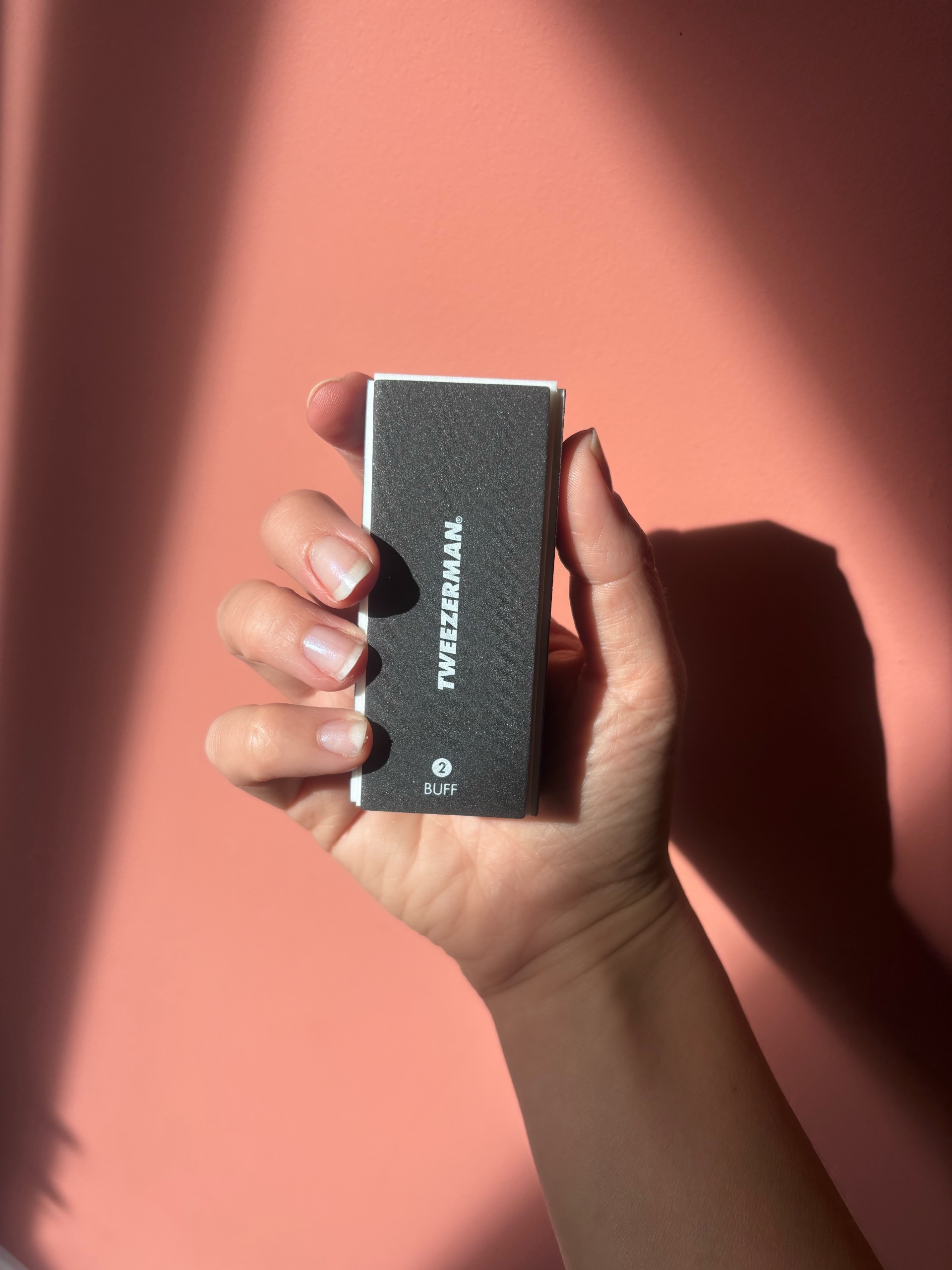
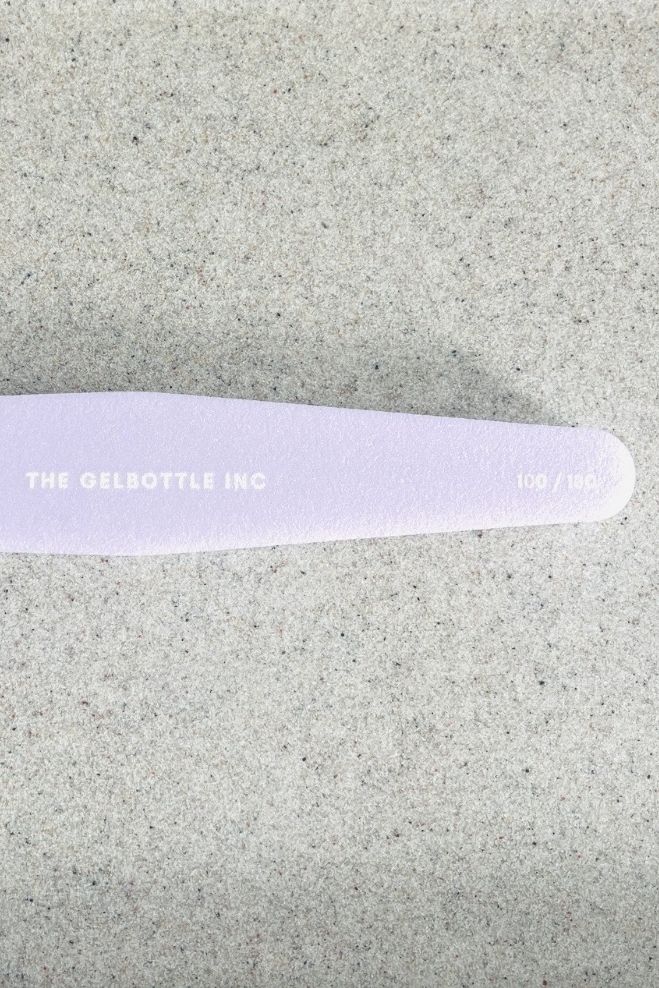
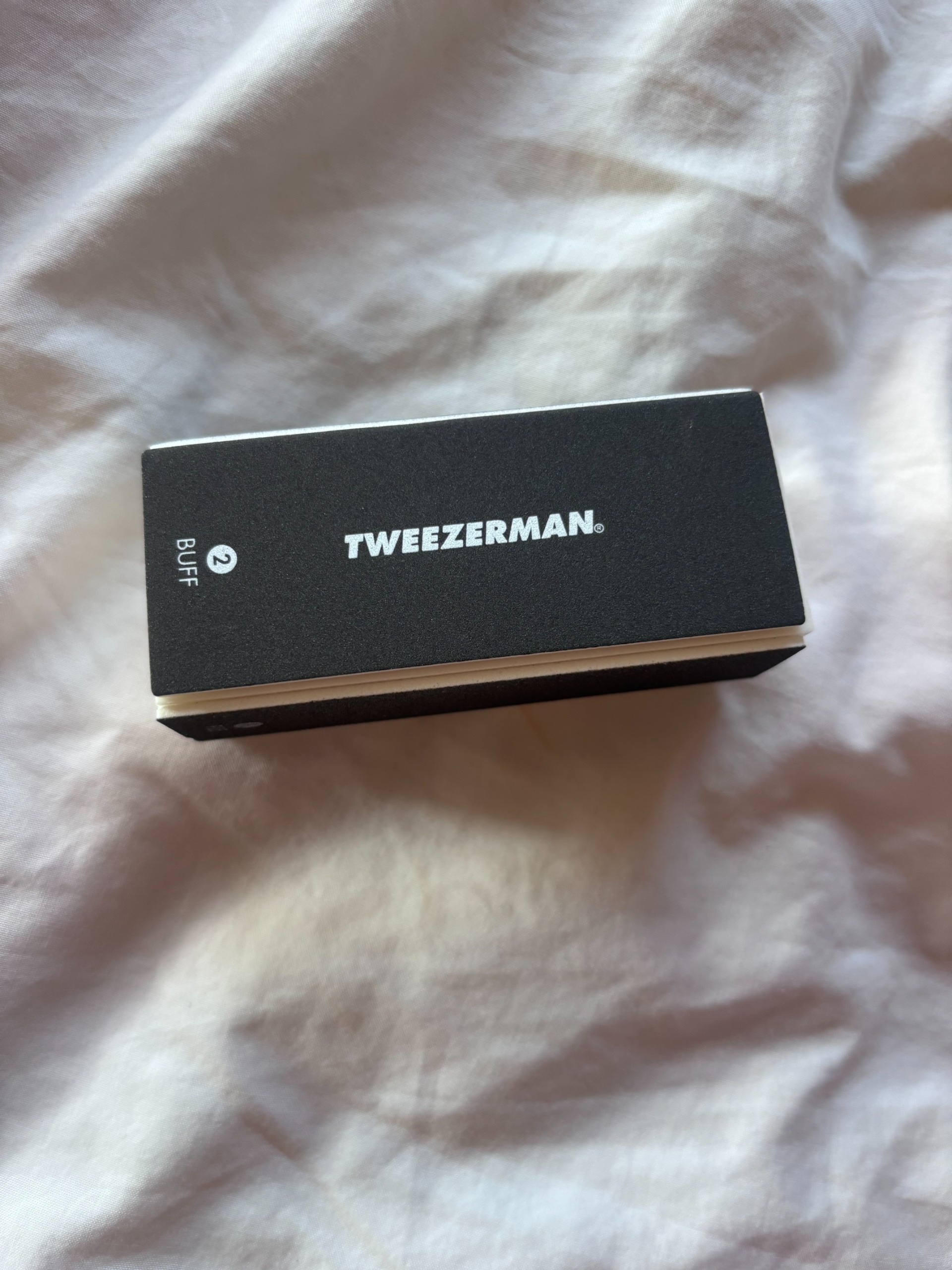
To meet the growing demand for effective at-home tools, several standout nail buffers have emerged on the market, offering varying designs to suit different preferences. The Gel Bottle Coffin Nail Buffer offers a more substantial feel than standard options, with a unique shape that easily navigates tight corners while providing ample surface area. Its comfortable grip requires minimal pressure to achieve smooth, polished results without making the nails feel over-filed. Similarly, the Tweezerman Nail Buffer Block provides a compact, travel-friendly design equipped with multiple sides to file, smooth, and shine natural nails effectively, a feature frequently favored by celebrity nail technicians on the go.
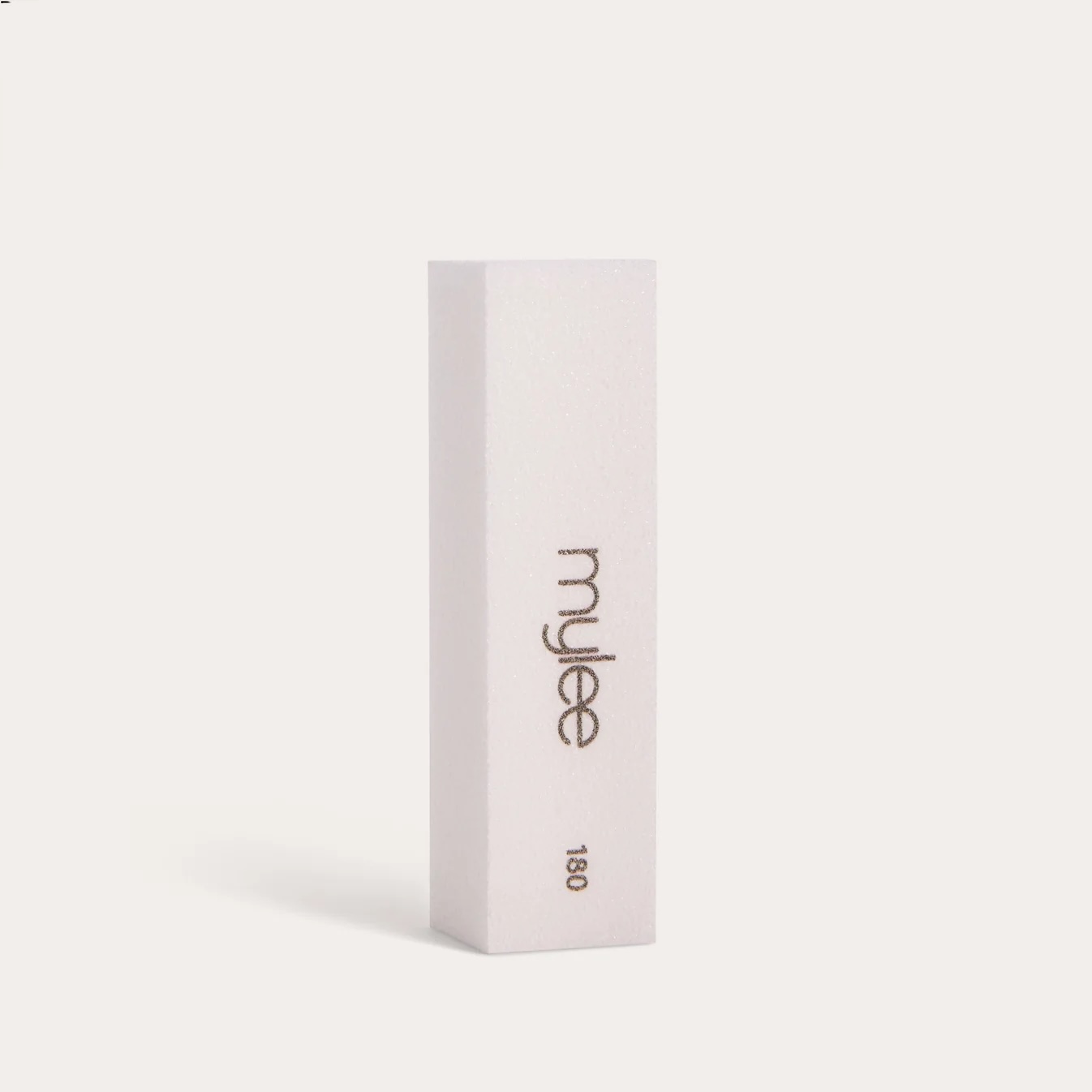
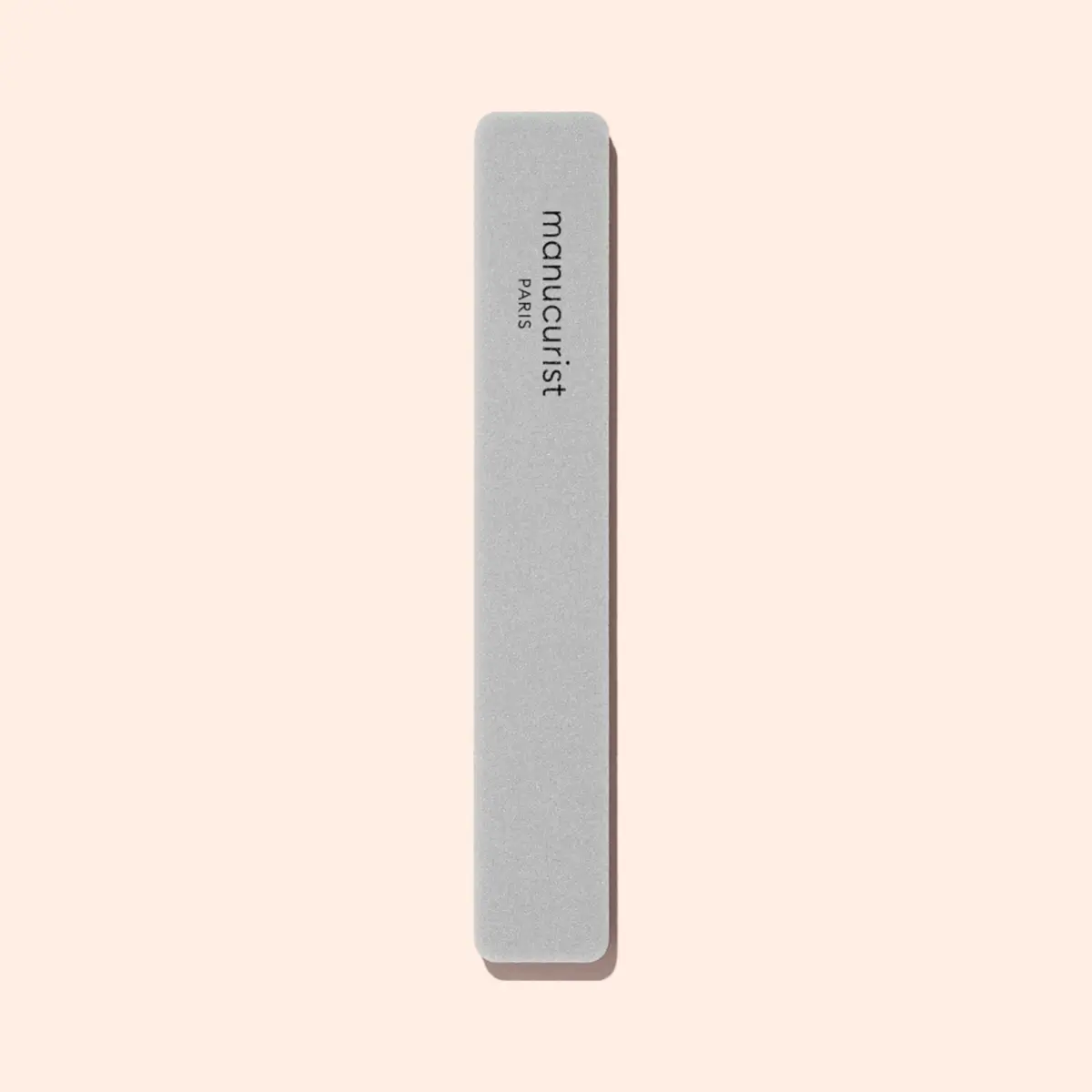
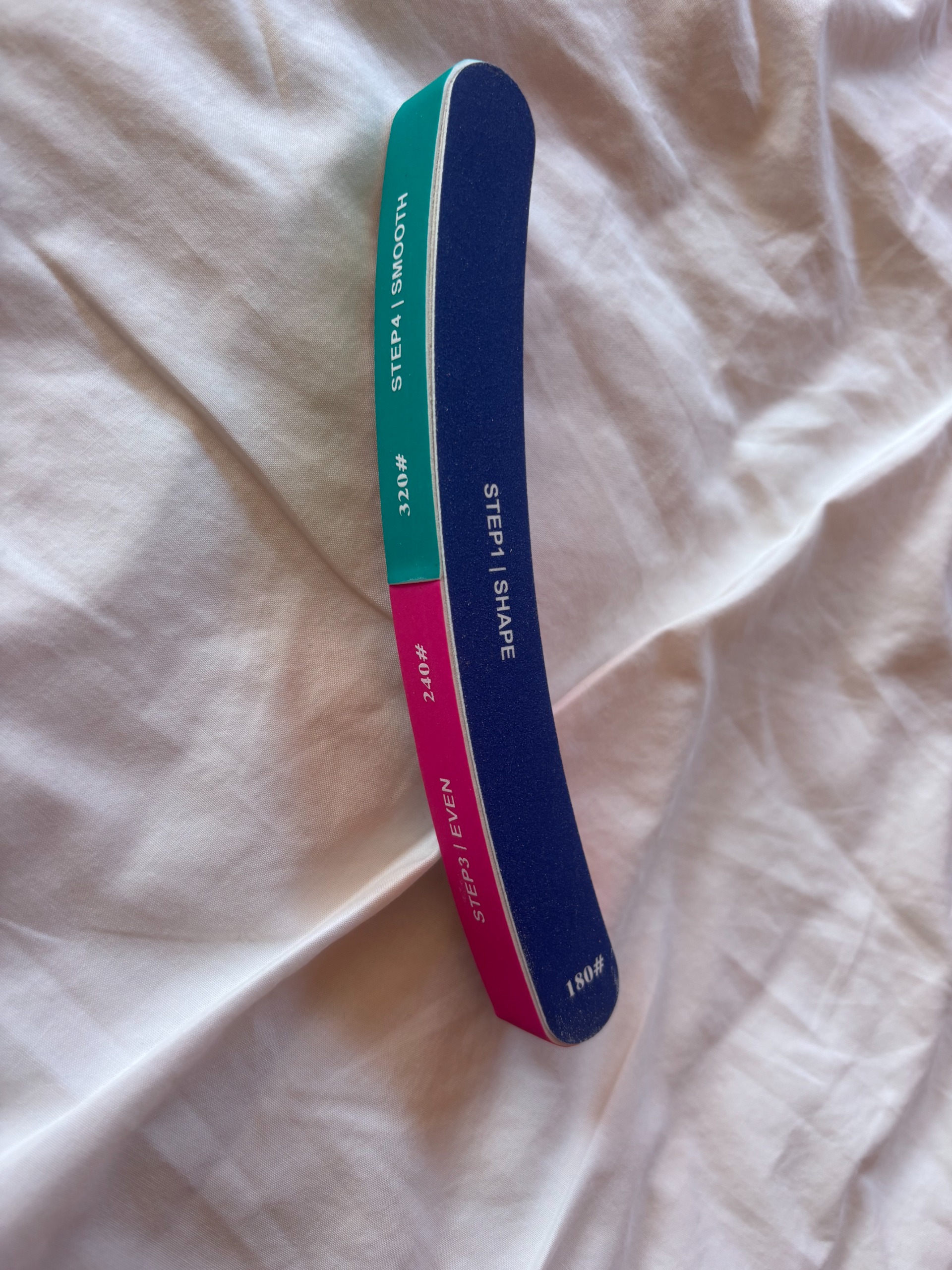
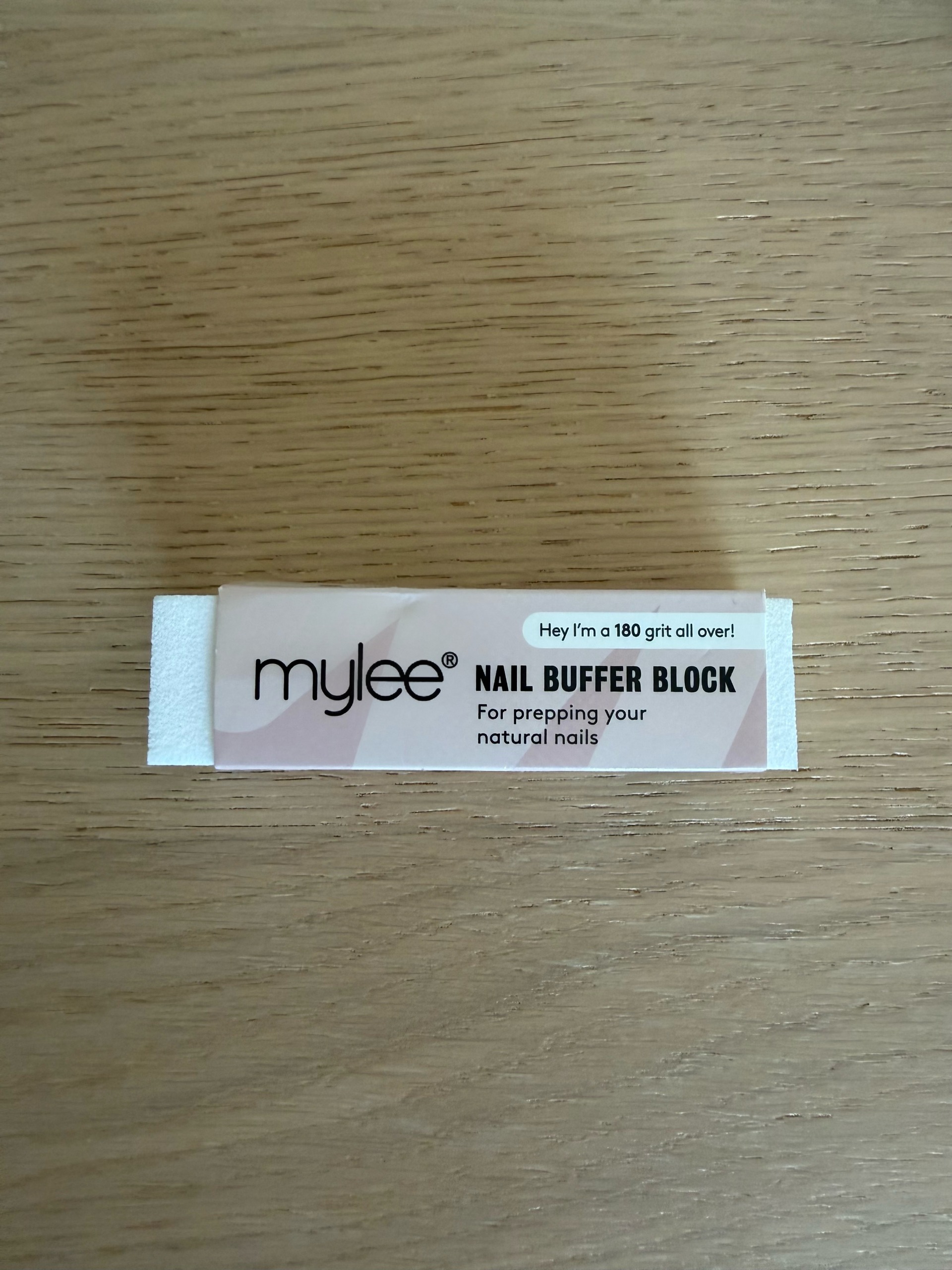
For those seeking accessible high-street options, the Boots 6 Way Buffer features a long, curved silhouette that allows users to easily transition between different textured sections. Its finer buffing stages help cultivate a healthy-looking finish at an affordable price point. The Mylee White Nail Buffer Block serves as an ideal middle ground between a rough emery board and an elaborate multi-step system, making it easy to neaten up nails quickly without second-guessing which side to use. Meanwhile, the Manucurist Nail Buffer Sponge brings versatility to both fingers and toes thanks to its balanced length and thickness, while options like the Kiko 4 Step Nail Buffer provide a straightforward, fuss-free entry point for anyone building their very first at-home manicure kit.
Editorial assessments of these tools involve rigorous testing on natural nails to evaluate how effectively each buffer smooths ridges, refines surfaces, and produces a healthy gloss without causing structural damage. Experts examine ergonomics, grip, manoeuvrability, and material durability to ensure consistent performance across all stages of a manicure, from initial shaping to final shining. This commitment to thorough evaluation reflects a broader dedication to providing well-researched, inclusive, and reliable beauty guidance rooted in tangible results and expert collaboration.