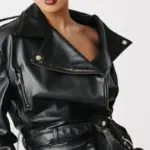




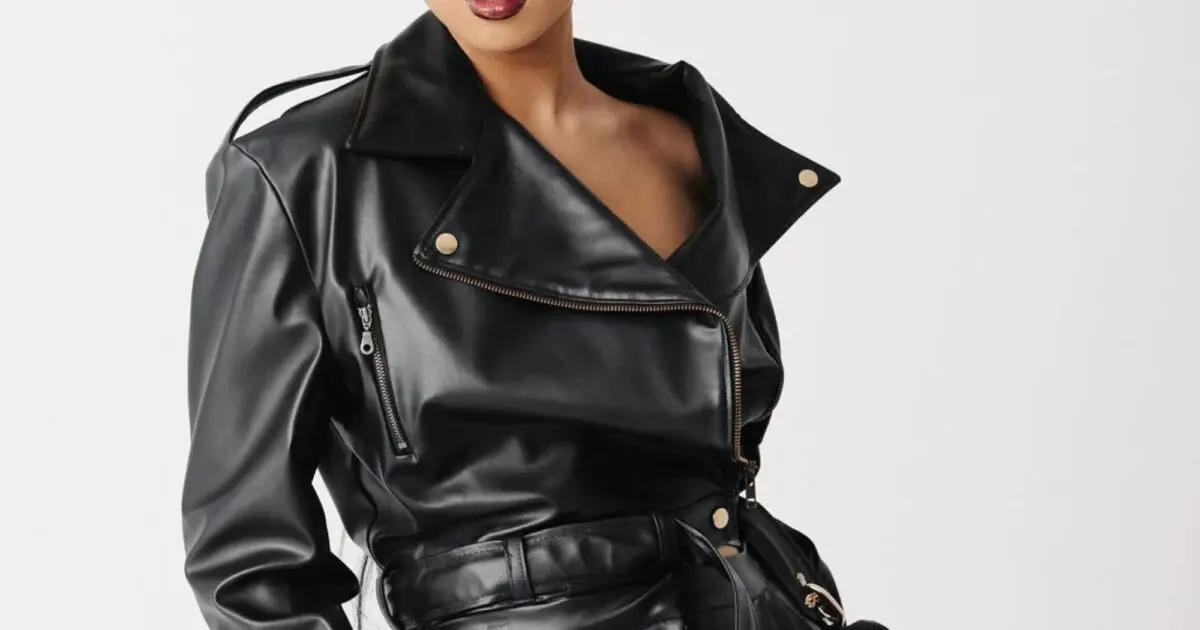
For decades, the leather jacket has held an undisputed position as a timeless wardrobe staple, an iconic piece that transcended generations long after the biker style surged into cultural prominence in the 1950s. Synonymous with rebellion and effortless cool, the garment has traditionally relied on animal skins to achieve its signature look and durability. However, as contemporary consumers grow increasingly conscious of the environmental and ethical consequences of their wardrobes, that traditional image is undergoing a significant shift. Animal rights advocates and fashion sustainability watchdogs alike have long highlighted the harsh realities of conventional leather production, prompting a major reevaluation among fashion lovers who are eager to distance themselves from the heavy footprints left on people, the planet, and animals.
The mounting scrutiny facing traditional leather jackets stems largely from a web of complex global supply chains that render the vast majority of the world’s leather completely untraceable. This opacity makes it remarkably difficult to ensure the welfare of the animals whose skins are ultimately utilized for fashion. Beyond ethical considerations regarding sentient beings, the production of animal leather demands an excessive consumption of precious water resources and involves the application of dangerous, polluting chemicals. These chemical treatments not only degrade local environments surrounding tanneries but also pose severe occupational health risks to the workers tasked with manufacturing the garments. From every conceivable ethical and environmental standpoint, modern consumers are increasingly recognizing that the industry needs better options.
In response to these persistent challenges, the fashion landscape has seen a proliferation of alternative materials designed to mimic the aesthetic and functional qualities of animal hides without the associated harm. Yet, the conversation surrounding vegan leather is nuanced. While traditional alternatives have historically relied heavily on petroleum-based plastics such as polyvinyl chloride, commonly known as PVC, or polyurethane, known as PU, the market has rapidly evolved to embrace more sustainable and innovative materials. Today, shoppers can find cutting-edge options crafted from inventive sources, including recycled rubber, waste apple peel, and advanced cactus-based materials.
Despite these exciting material science breakthroughs, the reality of vegan leather remains complex. Many innovative plant-based leathers still require polyester backings or PU coatings to achieve the necessary colour depth, tensile strength, waterproofing, and overall durability expected of outerwear. Consequently, while these alternatives successfully avoid the use of animal materials, they may not always be fully biodegradable and can still incorporate synthetic chemicals into their composition. Industry experts emphasize that no single material option is entirely without impact, leaving it up to individual consumers to weigh the various trade-offs and decide which fabrics best align with their personal values. Like most complex choices in contemporary life, there are distinct pros and cons to navigate. For those prioritizing absolute sustainability, opting for secondhand garments—whether constructed from animal leather or alternative materials—remains widely regarded as the most environmentally responsible path forward.
For consumers determined to add a leather-style jacket to their rotation while supporting a kinder, more conscious industry, a select group of forward-thinking brands is leading the charge toward cruelty-free outerwear. Among the pioneers in this space are established names like Will’s Vegan Store and Stella McCartney, which have long championed animal-free fashion, alongside other innovative labels reimagining how contemporary garments are produced.
Among the brands striving to reshape the outerwear market is CAES, a Dutch label whose name is pronounced like the word case. Operating on the philosophy that fashion does not need to adhere to fast-paced seasonal cycles, the brand focuses on crafting timeless, minimalist clothing utilizing lower-impact materials. Its collections incorporate innovative solutions such as Desserto cactus leather, alongside recycled cotton and Tencel Lyocell, reflecting a deliberate effort to minimize ecological harm. Furthermore, the brand maintains a partial commitment to supply chain transparency and operates under a code of conduct that incorporates key principles from the International Labour Organization’s Four Fundamental Freedoms, demonstrating that ethical responsibility can go hand in hand with sleek, contemporary design.