




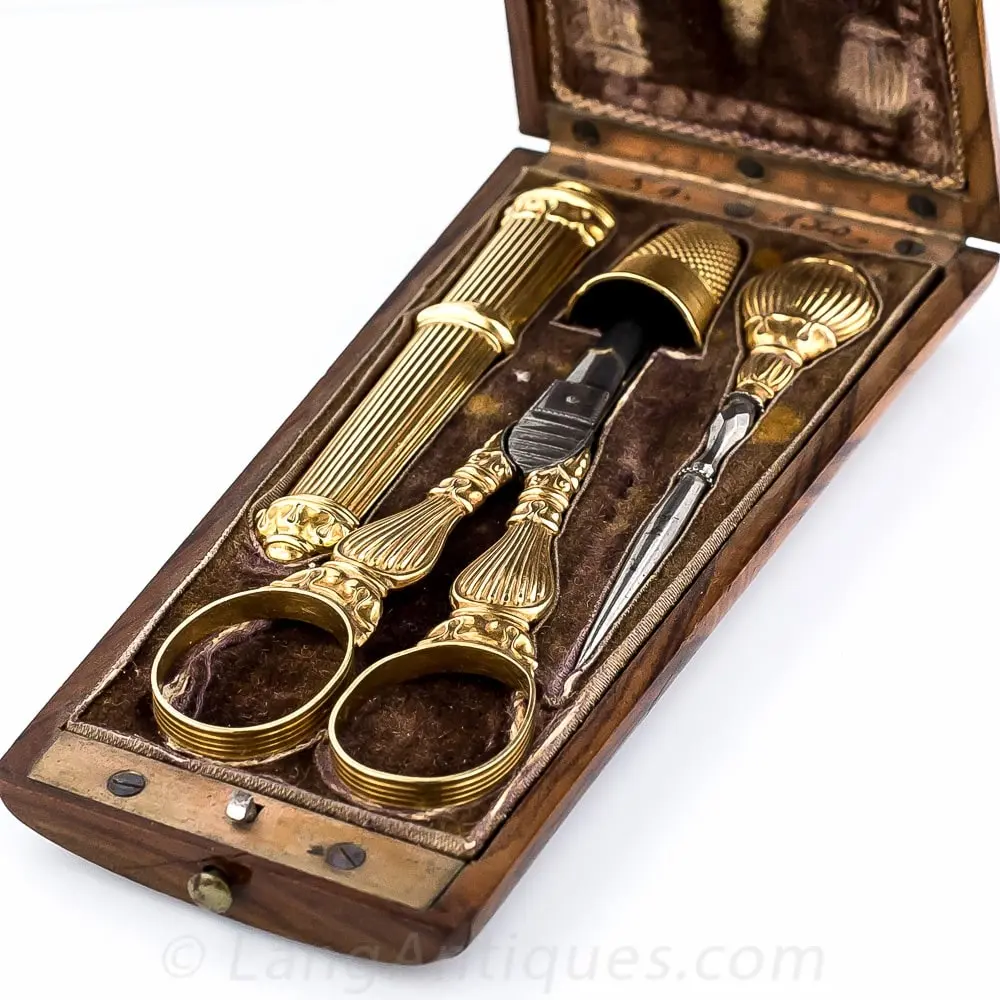
The definition of fashion and utility has undergone a fascinating evolution over the centuries, moving from purely functional, suspended instruments of daily life to the sleek, contemporary luxury statements we recognize today. In the realm of historic and modern attire, the French term accessoires has long described the items that men and women wear or carry to complement their clothing while serving a distinct, practical purpose.
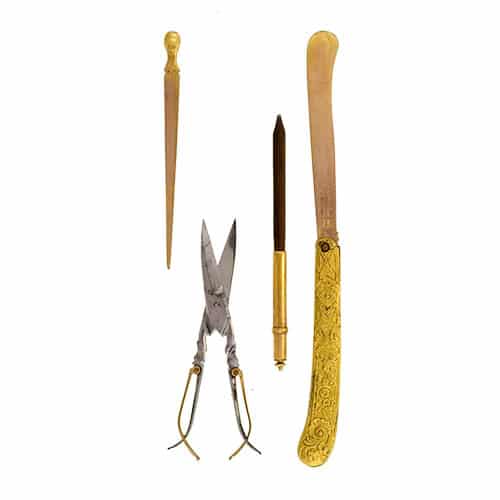
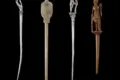
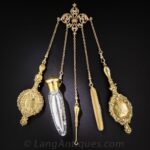
Historically, these indispensable items were known as utensils or nécessaires—carefully crafted instruments that were suspended gracefully from a châtelaine or a watch chain, and frequently housed within a protective decorative sheath known as an étui. Far from being mere ornaments, these historic accessories were miniature toolkits designed to address the immediate needs of daily life, whether that involved sewing gear, small pencils, pocket knives, specialized scissors, or delicate tweezers. Alongside the étui, items like pomanders were also a common and striking sight on traditional châtelaines, adding both fragrance and refined elegance to an individual’s ensemble.
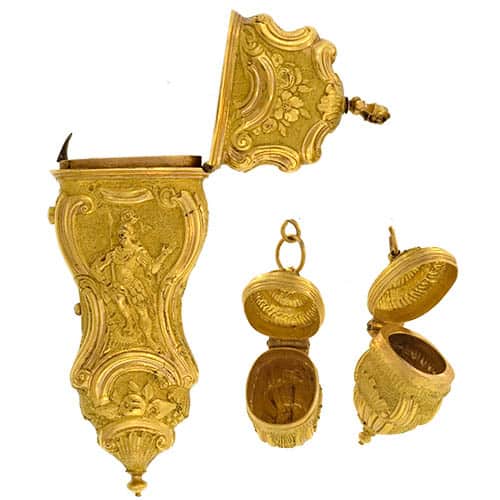
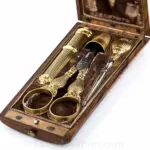
To understand the trajectory of the accessoire, one must examine the intricate world of historic dress where utility met high craftsmanship. The châtelaine, a decorative belt hook or clasp worn from the waist from which various utilitarian items were suspended, served as the ultimate wearable utility belt of its era. Suspended from its chains would be an équipage—a curated collection of functional items often including watches, seals, scent bottles, and specialized containers. The étui, a small, slender case, was engineered specifically to hold these delicate instruments securely, protecting fine steel tools from the elements while showcasing the owner’s social status through precious metals, enamel, or gemstones. Similarly, the nécessaire functioned as a comprehensive container or fitted box, often housing exquisite gold sewing kits or vanity implements crafted by master artisans, particularly in France, where luxury accessory design reached its zenith during the eighteenth and nineteenth centuries.
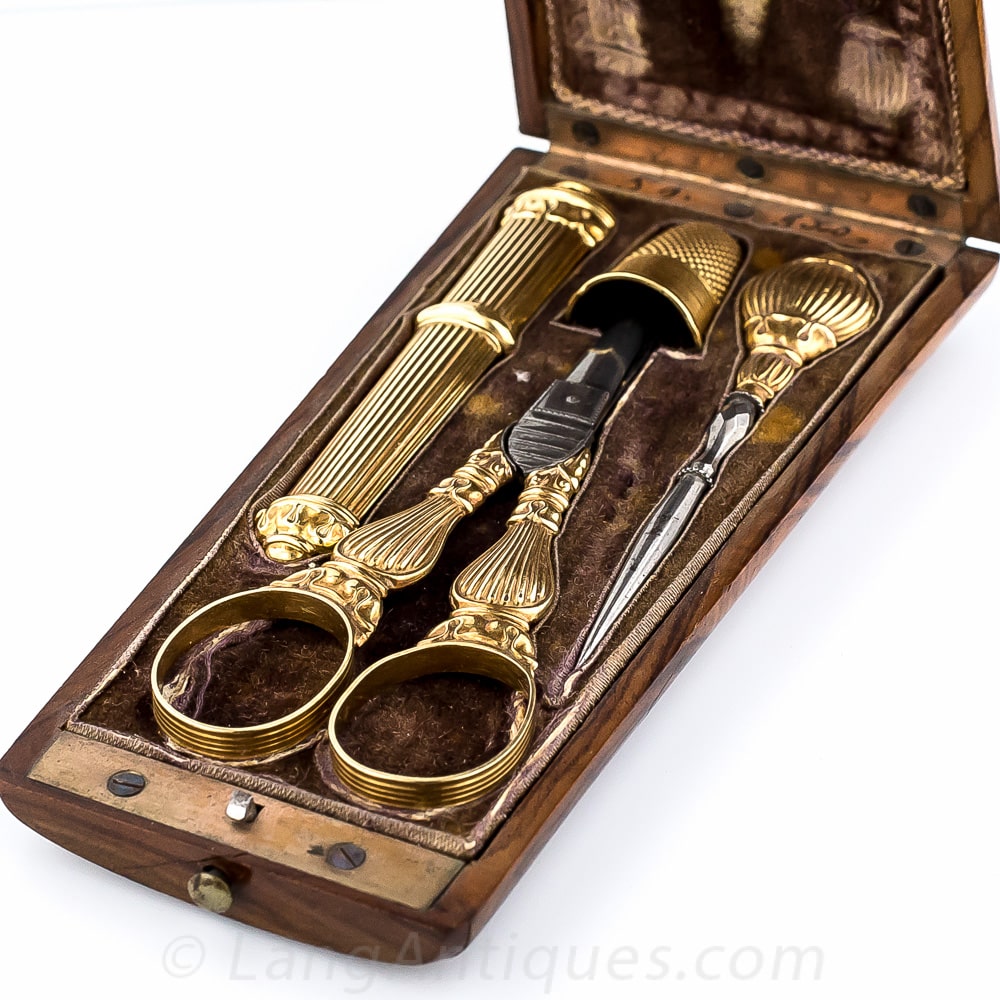
As societal rhythms shifted and industrialization transformed daily habits, the nature of these carried items naturally evolved. The cumbersome, multi-piece châtelaines and their suspended utilitarian kits gradually receded from fashion, making way for more streamlined, pocket-sized innovations that still adhered to the core principle of the accessoire: items carried for both utility and personal expression.
More contemporary definitions of the accessoire encompass a different class of refined daily items. Rather than sewing implements and writing slates, the modern equivalent frequently includes sophisticated items designed for grooming, leisure, and personal presentation. A modern compact for powder or foundation, a sleek lipstick case, an elegant cigarette case, or a dazzling minaudière—a small, ornamental evening minaudière functioning as a clutch and vanity case combined—all represent the direct descendants of the historic nécessaire and étui.

Beyond these small portable containers, the broader category of fashion accessories continues to include foundational elements used to complete an ensemble. Belts, structured handbags, and various other wearable accents fall under the enduring banner of accessoires, bridging the gap between practical necessity and aesthetic completion. Whether examining an antique French gold sewing kit nestled securely in its custom-fitted box or evaluating the clean lines of a mid-century vanity case, the underlying philosophy remains remarkably consistent. Across generations, human beings have continually sought clever, portable ways to keep their most essential tools and personal items close at hand, transforming utilitarian objects into enduring works of wearable art.