





Silver has long captured the imagination of humanity, serving as a vital medium of exchange, an artistic medium, and a technological driver throughout history. Known by the chemical symbol Ag on the Periodic Table, silver is a brilliant white metallic element. While it is harder than gold, it remains softer than copper and stands second only to gold in terms of malleability and ductility. Its exceptional ability to conduct both heat and electricity, paired with a high resistance to oxidation, places it firmly among the elite group of noble metals. Across millennia, civilizations have prized silver for the production of fine jewelry, intricate currency, and masterwork objects d’art, typically alloying the metal with other substances to ensure it maintains its shape and intricate detailing over time.
Silver Significance
In modern times, silver is often viewed as vastly inferior in value to precious counterparts like gold or platinum, leading to the mistaken assumption that it lacks historical or economic weight. In reality, historical records reveal periods where silver was valued more highly than gold. When researchers examine the sheer quantities of silver utilized in jewelry and decorative arts across different eras, its usage heavily outweighs all other precious metals by a substantial factor. Furthermore, this versatile white metal has historically triggered far more technological breakthroughs in mining and metallurgy than its other metallic cousins. Entire regional economies have risen and fallen based on the accessibility of silver deposits, and the control over these vital resources has frequently shifted the tides of war and rewritten global history.
Bronze Age Silver
The story of silver extraction begins near the close of the fourth millennium BCE, when ancient innovators in modern-day Turkey discovered a revolutionary metallurgical technique: extracting silver from lead ores through a process known as cupellation. While surviving artifacts from this dawn of metallurgy are exceptionally rare, those that endure offer a remarkable window into the technical capabilities of early Bronze Age silversmiths.
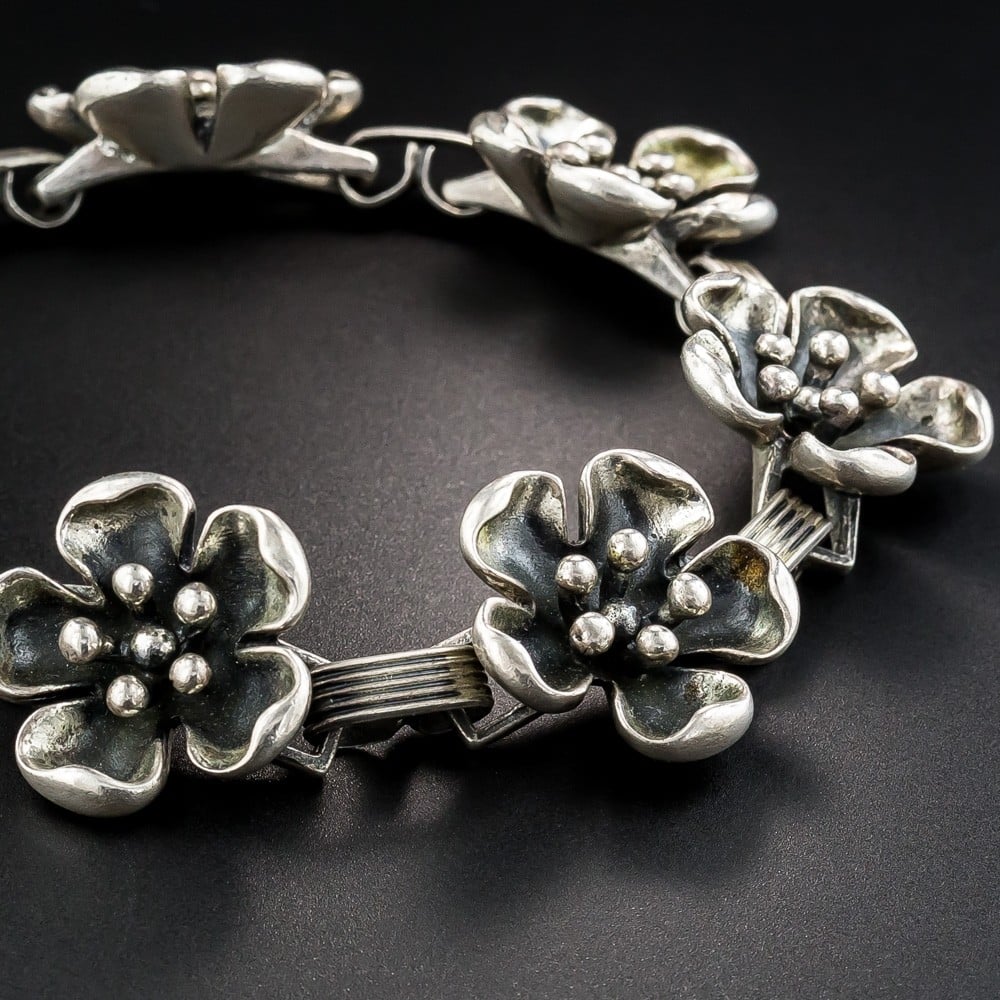
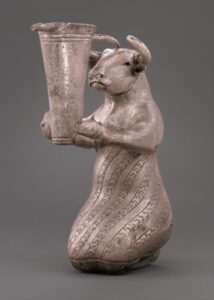
As written records began to emerge in Mesopotamia, silver was widely adopted as a form of currency. Rather than standardized coins, it circulated by weight or in the form of rings. The ancient Mesopotamian silversmith operated in a workshop that closely mirrored—and was often combined with—that of the goldsmith. Although silver possesses slightly less ductility than gold and demands more frequent annealing during manufacturing, artisans proved capable of casting it, hammering it into paper-thin sheets, engraving it, embossing it, working it in repoussé, and decorating it with delicate filigree and granulation. Archaeological discoveries of ancient vessels, delicate statuettes, and early jewelry indicate that these high-purity silver items yielded remarkably soft objects.
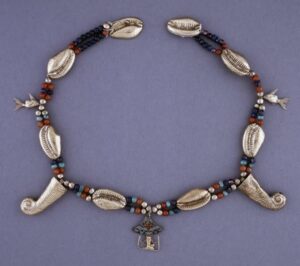
Meanwhile, the ancient Egyptians possessed a cultural fascination with the rare, the exotic, and the distant. They went to extraordinary lengths to secure materials like Afghan lapis lazuli, which they considered among their most valuable gemstones. Along these same ancient trade routes, silver flowed into Egypt. Because gold could be readily panned from local sources in the Eastern Desert and Nubia—and perhaps supplemented by natural electrum alloys—pure silver had to be imported from afar. Consequently, early Egyptian society viewed pure silver as more valuable than gold, reserving the metal exclusively for the highest echelons of society.
By roughly 1600 BCE, however, the relative value of silver had shifted, dropping to about half that of gold as global supplies expanded. During this period, it functioned as an abstract currency with a relatively stable value, though its popularity in burial goods fluctuated with fashion trends. King Tutankhamun’s famed tomb contained remarkably few silver objects, whereas later pharaohs, such as Sheshonq II, were entombed with magnificent all-silver sarcophagi.
The Minoan civilization, and subsequently the Mycenaean culture, operated as prolific Mediterranean traders who regularly handled large volumes of silver. Archaeological excavations across the Greek mainland, Crete, and Cyprus have uncovered substantial caches of early Greek silver jewelry. Concurrently, the Phoenicians played a transformative role in Mediterranean civilization through maritime colonization and widespread commerce. They pioneered the large-scale exploitation of rich Spanish silver deposits, distributing the metal across the classical world and pulling silver out of its previously exclusive, exotic status as availability surged to unprecedented levels.
Classical Silver
Throughout both ancient Greek and Roman societies, the availability of silver served as an absolute economic necessity, providing the foundational metal required to mint standard silver coinage. While archaeological survivals suggest that gold was favored over silver for elite personal jewelry—largely due to the pervasive historical practice of remelting and recycling precious metals—surviving pieces demonstrate that silver was fashioned into every conceivable form of adornment, including finger rings, anklets, and armlets.
Romans also developed a deep appreciation for niello, a surface decoration technique that parallels enameling but utilizes silver sulfate rather than glass. Niello yielded a much tougher surface with a distinct metallic luster rather than a vitreous finish. As Roman legions occupied Northern Europe, the technique spread across the continent, leaving a lasting legacy visible in Anglo-Saxon and Eastern European archaeological finds.
Roman historian Pliny the Elder captured the distinct cultural obsession with silver in his encyclopedic work, Naturalis Historia. Documenting everything from extraction methods to lavish displays of wealth, Pliny noted the deep shafts required to mine silver ore, observing that it was often found alongside lead or galena and required intense fire to separate the elements. He marveled at ancient Spanish mines originally opened by Hannibal—such as the Bãbelo mine, which reportedly yielded three hundred pounds of silver daily—and documented the immense physical labor required to keep the subterranean tunnels from flooding. Pliny also detailed contemporary testing methods, such as heating silver on a hot iron shovel to check for color changes, alongside cautionary tales regarding the staggering evolution of Roman luxury. He contrasted the austere frugality of early military leaders who owned mere handfuls of silver with later elites like Pompeius Paulinus, who marched into battle against savage nations carrying an astonishing twelve thousand pounds of service silver plate.
Celtic Silver
For ancient Celtic tribes, silver—alongside bronze—was the primary material for personal adornment. Intricately decorated brooches, heavy torcs, and crescent-shaped lunulae stood out as the most common expressions of metalwork. Before the arrival of Roman expansion, Celtic communities did not utilize traditional coinage, relying instead on "ring money." These standardized rings of silver, copper, bronze, or gold were manufactured strictly as a medium of currency rather than items of personal wear.
Medieval Silver
Following the collapse of Roman supply lines and trade networks, gold became an extreme rarity in Europe, pushing silver to the forefront of jewelry production and portable wealth. Germanic jewelry from this era focused primarily on functional items such as fibulae, disc brooches, penannular brooches, and heavy belt buckles. Often forged from silver, these pieces were frequently gilded or inlaid with precious stones, with red garnets remaining the overwhelming favorite.
Beginning around 800 CE, Viking military campaigns and trade expeditions along the northwest European coasts channeled immense quantities of silver into Scandinavia. This influx allowed local silversmiths to flourish, establishing a rich cultural tradition of silver ornamentation. Later, the discovery of major Swedish silver deposits near the turn of the first millennium further cemented the popularity of silver across the region. The Roman tradition of niello also survived among Germanic tribes, who utilized the stark black-and-white contrast to accentuate intricate Germanic engraving patterns.
A prime example of this metallurgical artistry is the Fuller Brooch, an Anglo-Saxon circular silver brooch dating to the ninth century and housed in the British Museum. Forged from hammered sheet metal with a slightly convex profile, the brooch is extensively inlaid with niello and features an openwork outer border surrounding a central roundel. The central field depicts personifications of the Five Senses, dominated by a three-quarter-length figure of Sight, while the surrounding panels house representations of Taste, Smell, Touch, and Hearing, all set against a dark nielloed ground.
As European society evolved and eastern trade routes reopened, gold gradually reclaimed its traditional status as the premier metal for elite jewelry. However, this same commercial expansion fueled the rise of an emerging middle class, allowing ordinary citizens to acquire personal ornamentation previously restricted to wealthy rulers. For those operating on a tighter budget, silver emerged as the accessible, preferred alternative. Jewelry designs shifted away from purely functional pieces toward decorative and symbolic items, including finger rings, bangles, and pendants. By the late Middle Ages, the trade in silver jewelry and silverware became heavily regulated through formal assaying and hallmarking systems.
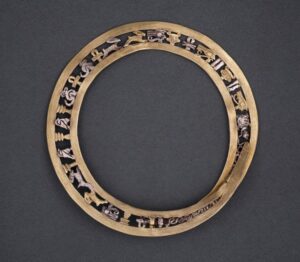
Renaissance Silver
The Renaissance period, spanning roughly from 1500 to 1600 with stylistic roots tracing back to late-thirteenth-century Northern Italy, brought profound cultural and economic shifts. Following the devastation of the plague, European populations rebounded alongside an expansion of northern trade centers in regions like the Netherlands, where a robust middle class rapidly developed. Following the fall of the Byzantine Empire in 1453, scholars and exiles fled to Europe, reintroducing classical knowledge that had languished through the Middle Ages. Italy anchored many of these intellectual developments, buoyed by wealth generated from Asian and European trade alongside the authority of the Church.
The subsequent Age of Exploration transformed global economics. Explorers from Spain, Portugal, France, the Netherlands, and England raced to claim new territories. Christopher Columbus opened the Americas for Spain, while conquistadors like Pizarro and Cortés subjugated the Incan and Aztec empires. From 1546 onward, massive new silver discoveries—particularly in modern-day Mexico and South America—flooded Europe with unprecedented quantities of the metal. A portion of this American silver was even shipped directly across the Pacific to China to acquire Asian luxury goods.
While fundamental silverworking techniques remained largely unchanged from the medieval era, the sheer abundance of newly imported silver allowed the metal to retain its dual role as a circulating currency and an affordable precious material for an increasingly prosperous European populace.
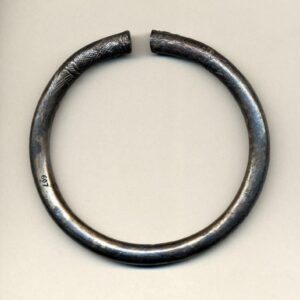
Baroque Silver
During the Baroque period between 1600 and 1700, the constant influx of South American silver into European ports continued unabated. Nations like England, France, and the Netherlands established permanent colonies in the New World, with the newly independent Netherlands emerging as a dominant global commercial and naval power. Maritime conflicts frequently erupted over heavily laden treasure fleets carrying silver back to Europe.
While manufacturing techniques remained largely consistent with previous centuries, technological and aesthetic shifts emerged. Portable timepieces arrived as complete novelties, frequently housed in finely crafted silver cases. Additionally, silversmiths began utilizing silver settings to mount diamonds. The stark white tone of the metal perfectly complemented the colorless brilliance of diamonds, which were arriving in growing quantities from India following the establishment of direct trade routes by European maritime trading posts, bypassing traditional Arabic intermediaries.
Georgian Silver
Throughout the Georgian era, continuous silver discoveries across South America fueled a booming production market. The Baroque practice of setting diamonds in silver became standard industry-wide practice. Diamonds poured into Europe in record numbers, sourced from both Indian mines and newly discovered deposits in Brazil starting in 1727. While fine jewelry frequently combined gold bodies with silver-topped fronts, items crafted entirely from silver remained common. The characteristic cut-down collet settings of Georgian jewelry were almost universally cast in silver to maximize the brilliance of the white diamonds they secured.
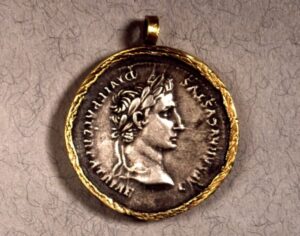
A major manufacturing milestone occurred in 1777 with the introduction of die striking for jewelry production. This innovative method involved stamping and cutting precious metal components using heavy steel dies, presses, and drop hammers. Artisans could then assemble the stamped components by hand to complete an item. This cost-effective technique heralded the dawn of mass-produced jewelry, allowing items to be retailed at a fraction of the cost of entirely handmade pieces. Because less expensive metals were heavily utilized in this mechanized process, and with silver arriving in European ports by the shipload, massive quantities of die-struck silver jewelry rapidly saturated the market.
Victorian Silver
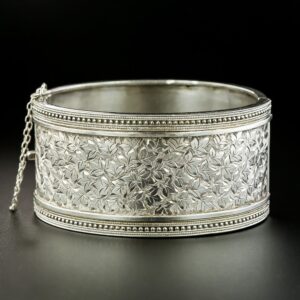
The sweeping momentum of the Industrial Revolution deeply impacted Victorian jewelry manufacturing. Silver was utilized extensively in mass production via stamping and die-striking techniques that had been pioneered in the late Georgian period and perfected throughout the nineteenth century.
Cultural trends further amplified the metal’s popularity. Following Queen Victoria and Prince Albert’s acquisition of Balmoral Castle in Scotland in 1848, Scottish agate jewelry surged into international fashion, predominantly executed in silver in keeping with northern European traditions.
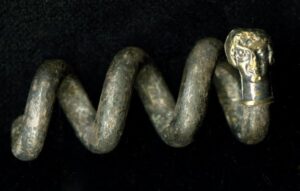
Towards the end of the Victorian era, the Arts and Crafts movement emerged as a direct artistic reaction against the industrialization of jewelry production. Arts and Crafts designers prioritized artistic expression and handcrafting over the intrinsic market value of raw metals and gemstones. Practitioners favored cabochon-cut stones—typically secured in simple bezel settings—over faceted gems, and overwhelmingly chose silver over gold as their primary metal of expression.