


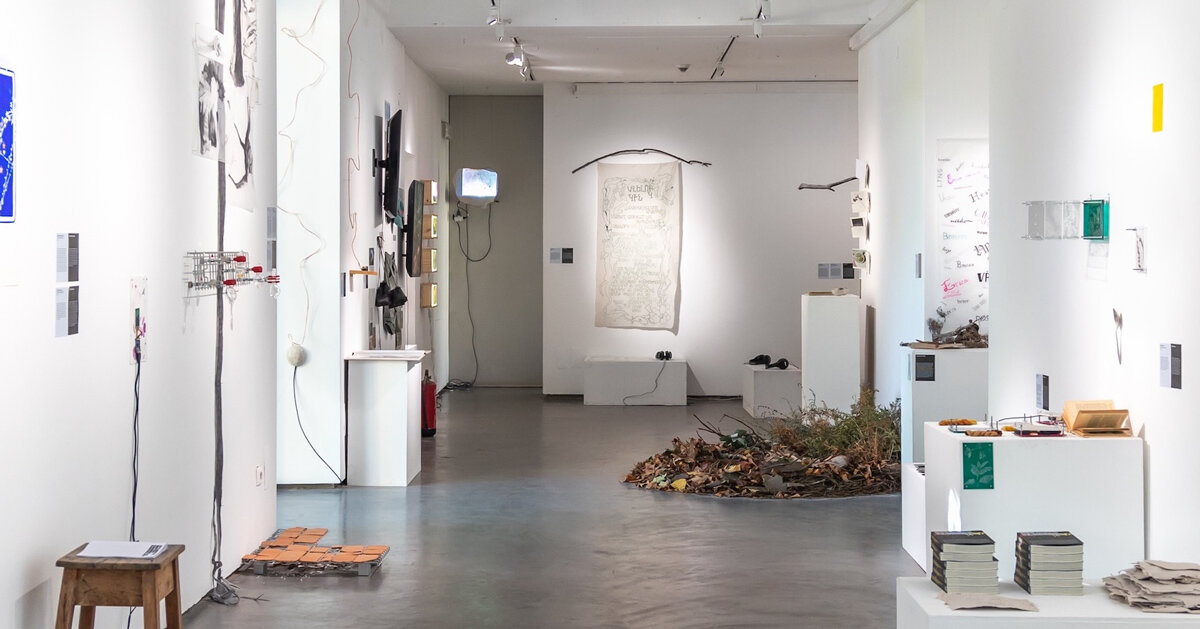
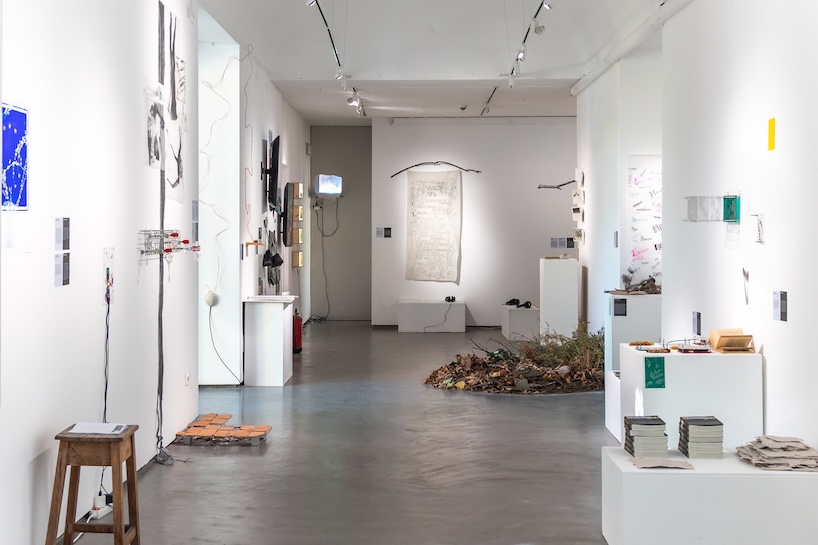
LISBON — At the Gallery of the Faculty of Fine Arts at the University of Lisbon (FBAUL), a compelling new exhibition is challenging traditional human-centric approaches to design and art. Running through November 28th, 2026, Ways of Growing / Modos de crescer brings together the works of 20 international artists, designers, and researchers who explore the intricate intersections of plant biodiversity, local ecologies, and advanced material experimentation.
The exhibition serves as the public culmination of the two-year "Free Radicals" research initiative. Spearheaded by the Czech Republic-based organization Haenke alongside a diverse network of international partners across Portugal, Spain, Armenia, Hungary, and Germany, the project explores new ways for humans to attune to the botanical world. The works on display trace their origins directly to a series of intensive field residencies conducted throughout 2025. These residencies took participants deep into the Courel mountains of Galicia, Spain, a working permaculture farm in central Portugal, and the rugged terrain of northern Armenia’s Lori Mountains.
Redefining Plants as Active Design Agents
Rather than treating flora merely as passive raw material or static decoration, the practitioners featured in Ways of Growing position botanical organisms, agricultural byproducts, and living ecosystems as active design agents and collaborators. The resulting works bypass standard industrial production methods, instead embracing biological processes, natural chemistry, and traditional craftsmanship.
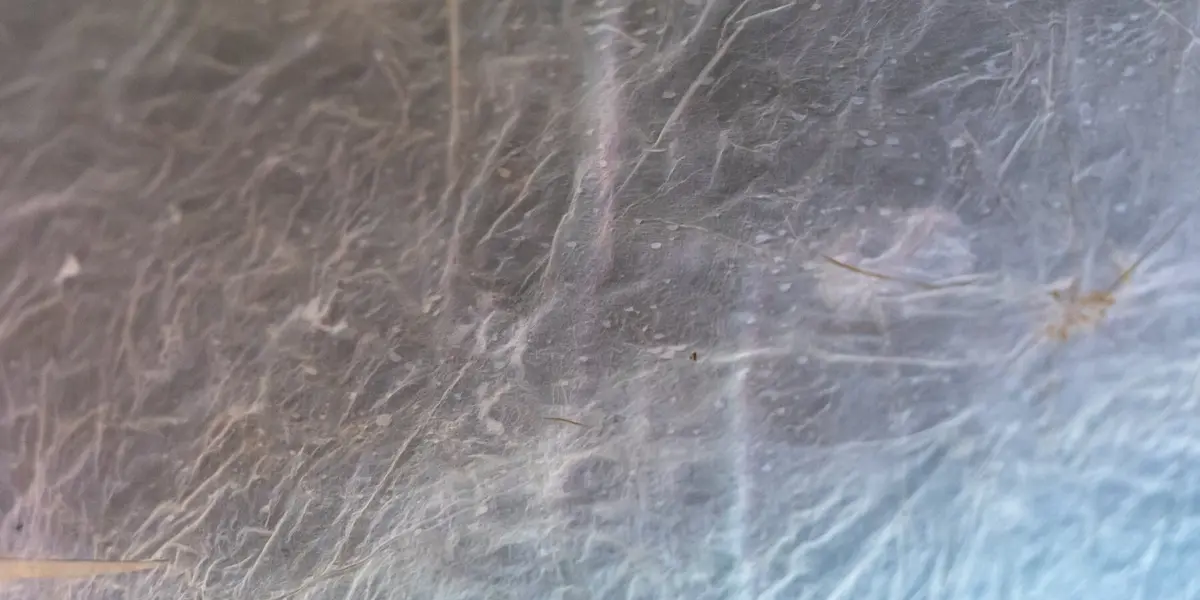
Visitors walking through the gallery encounter a wide array of technical and material investigations. Among them are cyanotype prints created on kombucha-derived bacterial cellulose, delicately toned using organic plant extracts. Other installations merge traditional artisanal techniques with living systems, such as bio-composites that pair historical Portuguese crochet methods with the unpredictable growth patterns of living mycelium. Textiles woven from vintage linen dyed with chestnut extract further demonstrate how historic materials can be reinterpreted through contemporary ecological frameworks.
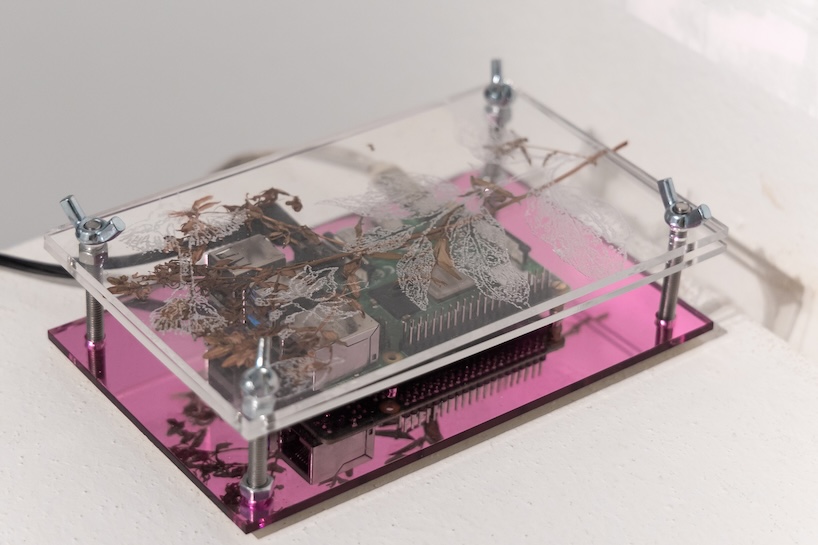
The exhibition also bridges the gap between botanical chemistry and modern digital hardware. Several works incorporate olfactory sculptures formulated from eucalyptus ash and essential oils, plant-based analog film processing techniques, and acoustic transmissions channeled through organic substrates. In one notable multimedia installation, historic Armenian herbaria are linked directly to Raspberry Pi microcomputers, creating a bridge between archival botanical science and contemporary computational tools.
Field Research and Multidisciplinary Perspectives
Inaugurated during the milestone 190th anniversary of FBAUL, the exhibition coincides with the release of a comprehensive new publication titled Free Radicals: Attuning to Plants in Creative Practices, published by Onomatopee. Edited by Sasha Štěulcová and Linsey Rendell, the book compiles the methodologies and findings of 70 practitioners working across the fields of design, ecology, and material research.
The individual projects on display in Lisbon reflect the breadth of this multidisciplinary research. Elena Falomo presents a research-led installation that combines field recordings, geographical artifacts, and narrative storytelling to question which specific landscapes are prioritized when societies formulate responses to climate change. Similarly, Eleonora Edreva contributes a textile-based poem woven from vintage linen and chestnut dyes, incorporating local language and soundscapes to evoke a sense of place.
Ivana Papiš dives into ecological fiction, utilizing an experimental video essay to question dominant invasive-species narratives. Her work imagines a poignant love story between a native chestnut tree and an introduced mimosa, prompting viewers to reconsider how ecosystems adapt and change over time.
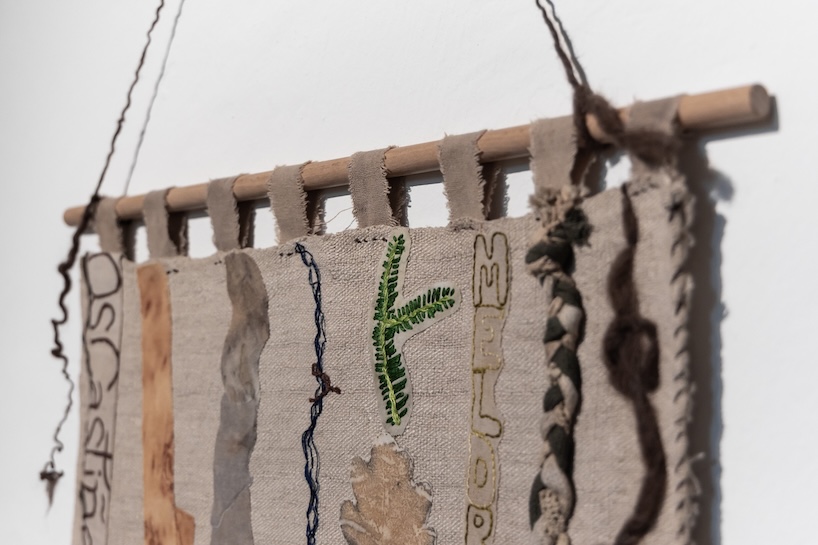
Material experimentation takes center stage in the work of Alejandra Díaz-Guerra Acedo, whose bio-based textile experiment combines traditional Portuguese crochet with living mycelium. By burying cotton fabrics in contrasting soils, the installation allows fungi to actively decompose and reshape the textile, highlighting natural decay as a design process.
Meanwhile, Maria Ilieva traces the complex lifecycle of eucalyptus through a series of olfactory compositions. Her work tracks the plant from fresh foliage and the threat of wildfire through to industrial pulp processing and paper production, revealing the hidden sensory dimensions of commercial forestry.
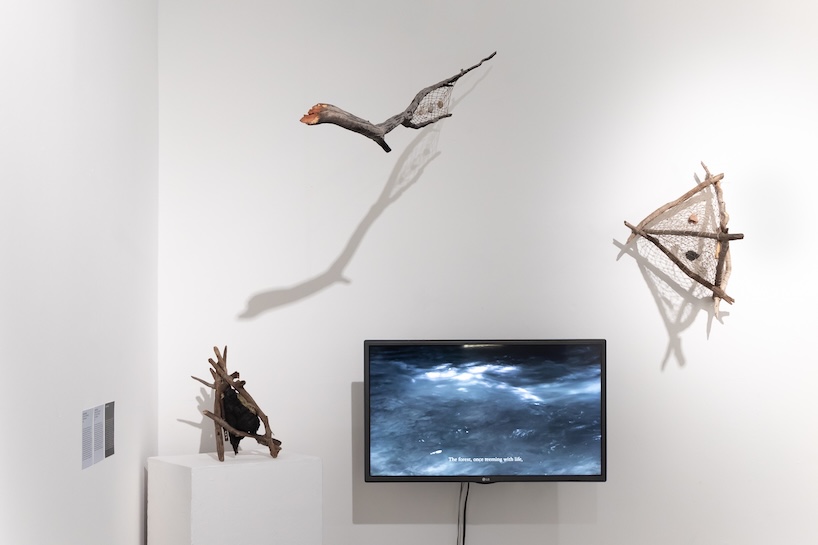
Food and land use also feature prominently in the exhibition. Food artist and chef Aly Beveridge explores how human proximity to land and local ingredients fosters a deep bodily intimacy, encouraging audiences to reconsider their everyday relationships to food production and consumption. Expanding on the theme of forestry, Adam Kvaček presents a performative walk that utilizes the familiar language of recreational tourism to investigate Portugal’s heavily altered industrial eucalyptus landscapes.
The exhibition features works by a broad collective of designers and researchers, including Blanca Allegue, Kaň Bártková, Aly Beveridge, Morgane Billuart, Gabriela Carvalho, Alejandra Díaz-Guerra Acedo, Eleonora Edreva, Elena Falomo, Maria Ilieva, Adam Kvaček, Joana Manaia, Jamie McGhee, Ricardo Nugra Madero, Ivana Papiš, Béatrice Pépin, Inês Quente, Emilie Rážová, Miguel Tavares, Daria Titova, and Yanna Varbanova.