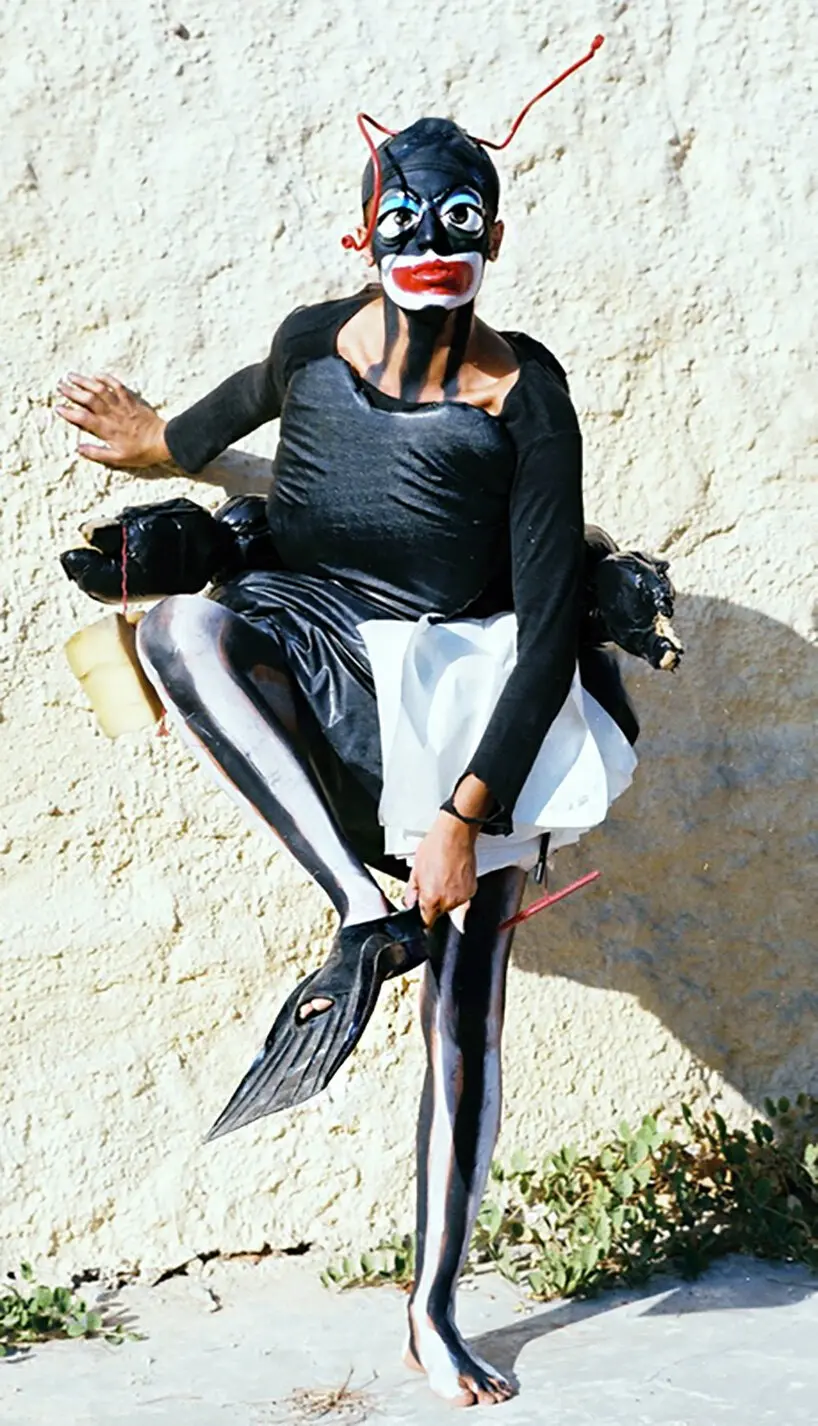
In the early 1970s, against the turbulent backdrop of the military junta in Greece, a radical form of avant-garde performance art took root on the serene island of Spetses. Led by pioneering Greek performance artist Leda Papaconstantinou, a multidisciplinary and international collective known as the Spetses Players transformed the island’s landscape, local community, and pressing social realities into a living stage. Eschewing traditional theatrical conventions, the group forged a dynamic, community-driven medium that interrogated the very fabric of island life—addressing rapid modernization, commercialization, and shifting cultural identities long before these themes dominated contemporary artistic discourse.
In the 1970s, a Performance Group Took Shape on Spetses
The genesis of the Spetses Players can be traced back to the early 1970s, when Leda Papaconstantinou returned to Greece following studies and creative work in England. She settled on Spetses—where her parents had relocated from Athens—alongside her then-husband, the British artist and teacher David Hughes. Having already immersed herself in the burgeoning performance art scene in England, Papaconstantinou was eager to continue her investigations upon her return. The initial challenge lay in finding kindred spirits with whom to collaborate in a restrictive political climate.
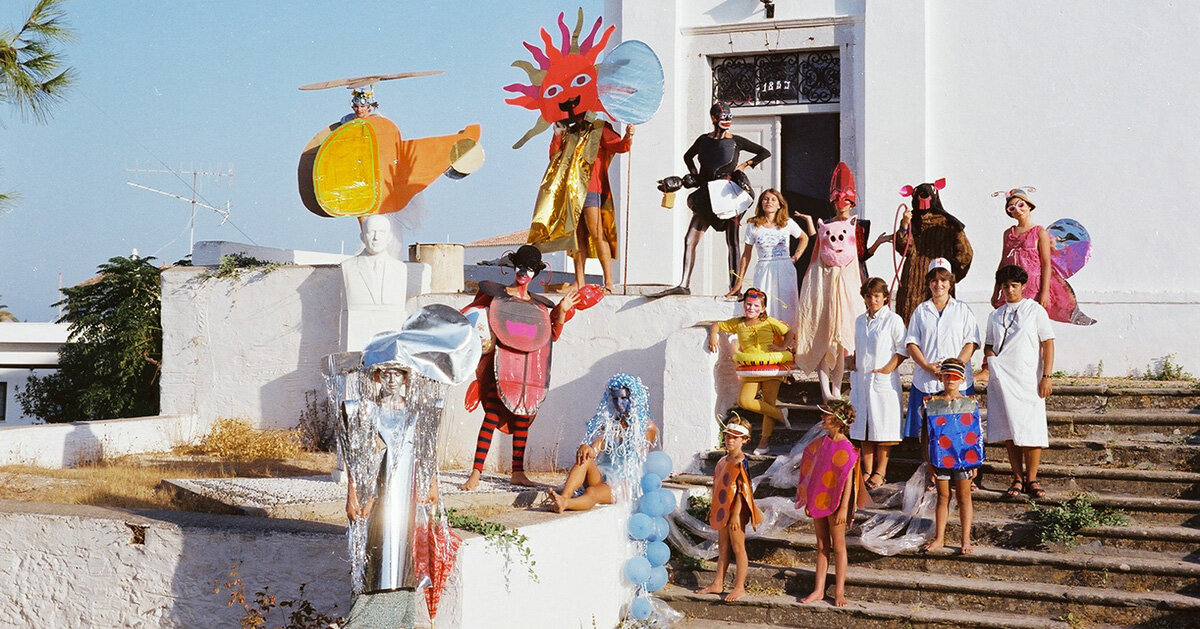
By 1972, the Spetses Players began to crystallize, drawing together a diverse constellation of artists, educators, university professors, students, musicians, and figures deeply embedded in philosophy and literature. Crucially, a significant portion of the collective hailed from outside Greece. During this era, Spetses served as a magnet for international creatives and intellectuals from the United States, the United Kingdom, Germany, France, Sweden, Italy, Denmark, and beyond. Unlike the transient, short-term tourism common today, these visitors often traveled for extended periods, integrating themselves into the rhythm of the island.
Reflecting on the collaborative dynamic during a recent interview, Papaconstantinou emphasizes the distinct nature of their practice. "It wasn’t theatre," she recalls, noting the absence of a fixed, written script meant to be recited repeatedly. Instead, the collective operated through consensus and dialogue, gathering to determine what urgent topics they wished to address and figuring out collectively how to translate those ideas into a living performance.
The Making of the Spetses Players
The methodology employed by the Spetses Players bore conceptual parallels to the radical political theatre of Italian playwright and performer Dario Fo. Papaconstantinou describes Fo’s practice as one rooted in immediate observation—scanning local newspapers, identifying community grievances, and shaping a performance directly responsive to those issues. At the same time, the collective drew inspiration from Karagiozis, the archetypal trickster figure of Greek shadow puppetry renowned for his capacity to adapt fluidly to changing stories and sociopolitical circumstances.
This adaptability was essential for the Spetses Players. While Papaconstantinou was the only native Greek speaker in the early stages, the group leveraged its polyglot, multicultural makeup to foster a unique visual and physical language. Participants brought wildly divergent disciplinary backgrounds, ranging from rigorous academic pursuits to unbridled artistic experimentation.
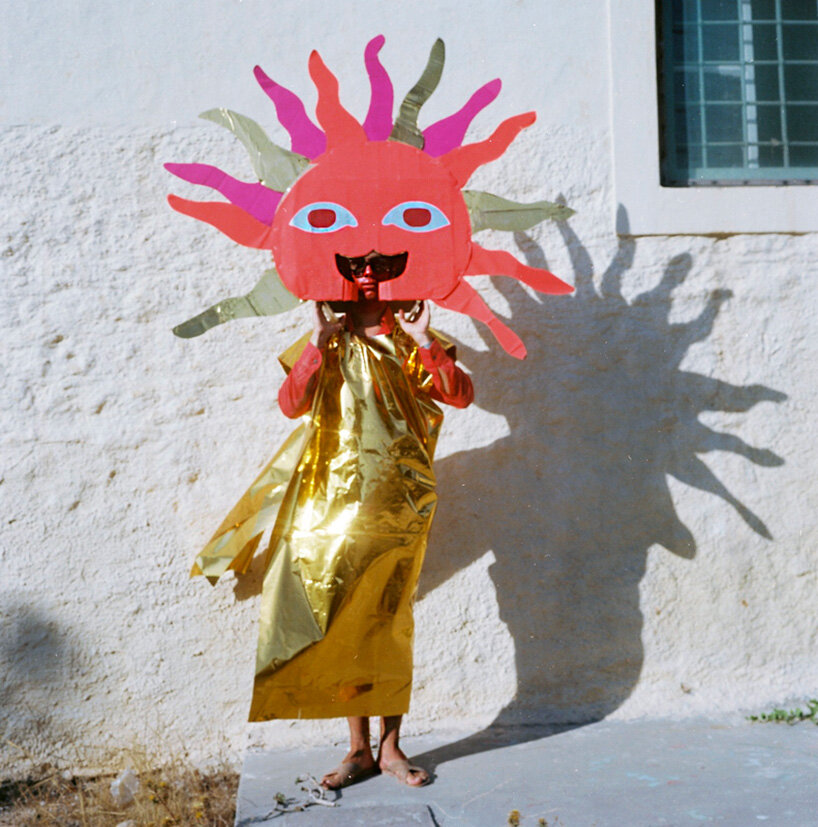
Central to the group’s imaginative universe was the recurring fictional character of Bouboulitsa, a little girl named in honor of Laskarina Bouboulina, the legendary naval heroine of Spetses. This literary and historical anchor connected the performances deeply to the island’s heroic past while providing a malleable vehicle for contemporary commentary. In the 1975 production The Birth of Bouboulitsa, the character emerged from behind the screen of a traditional Karagiozis shadow theatre as an unexpected gift to an elderly fisherman and his wife.
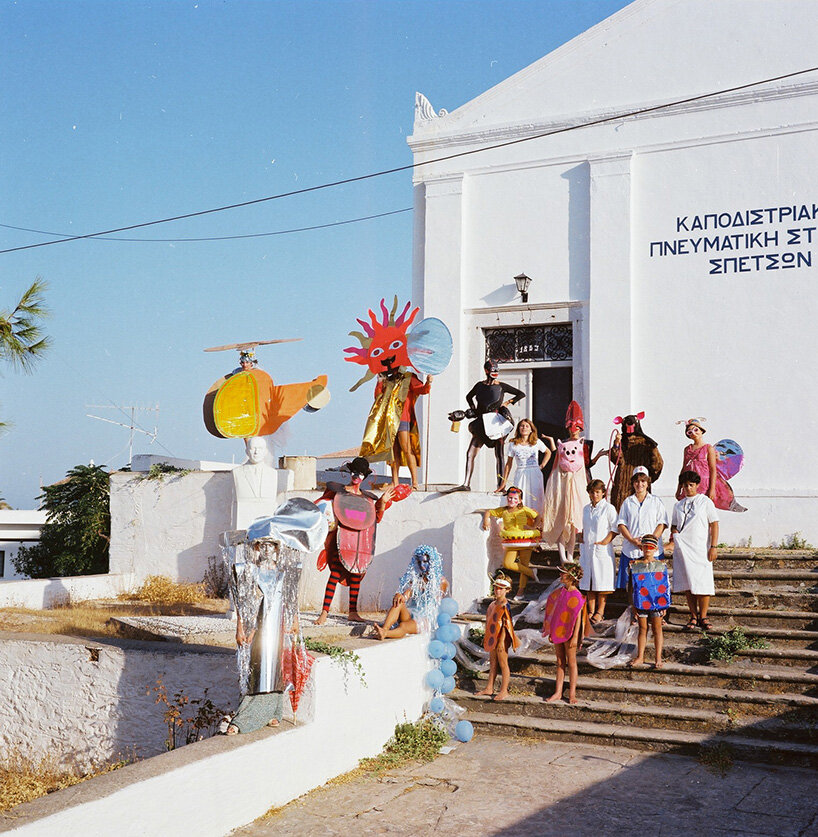
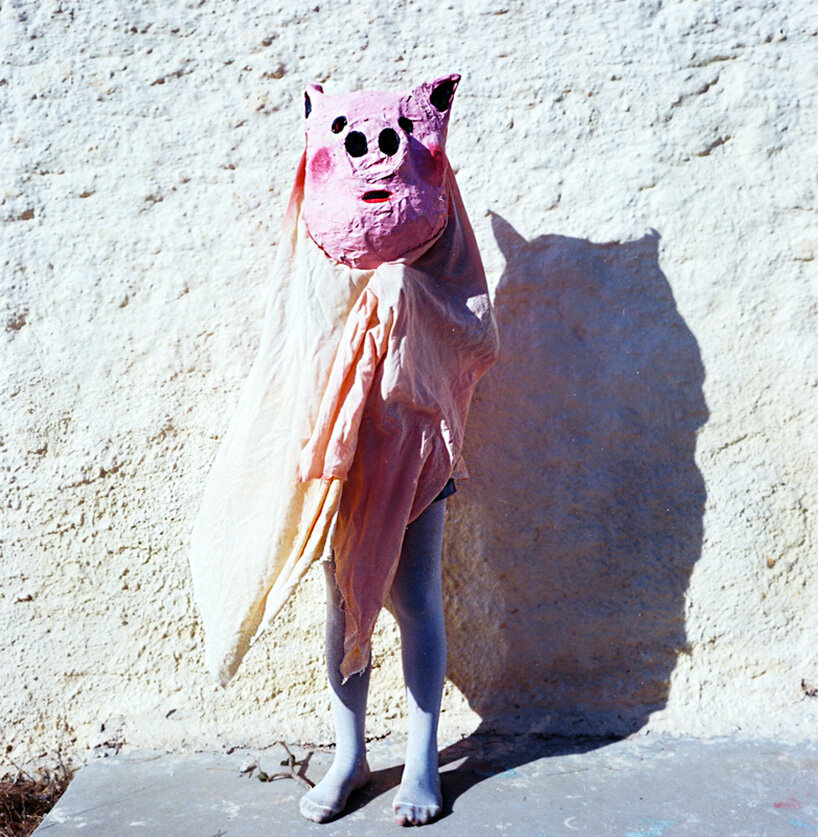
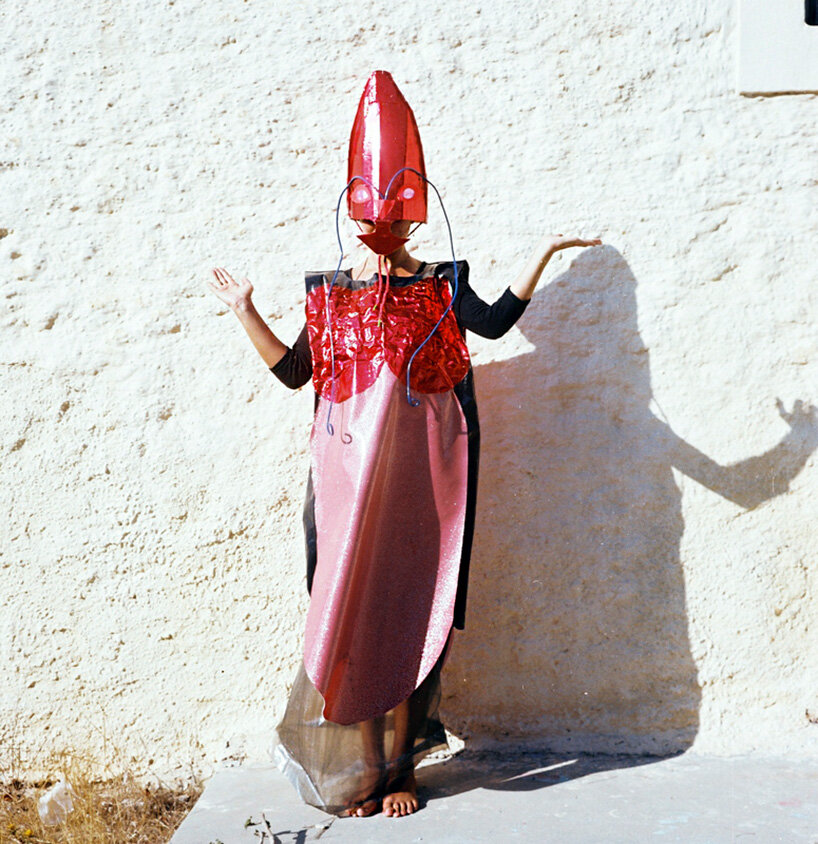
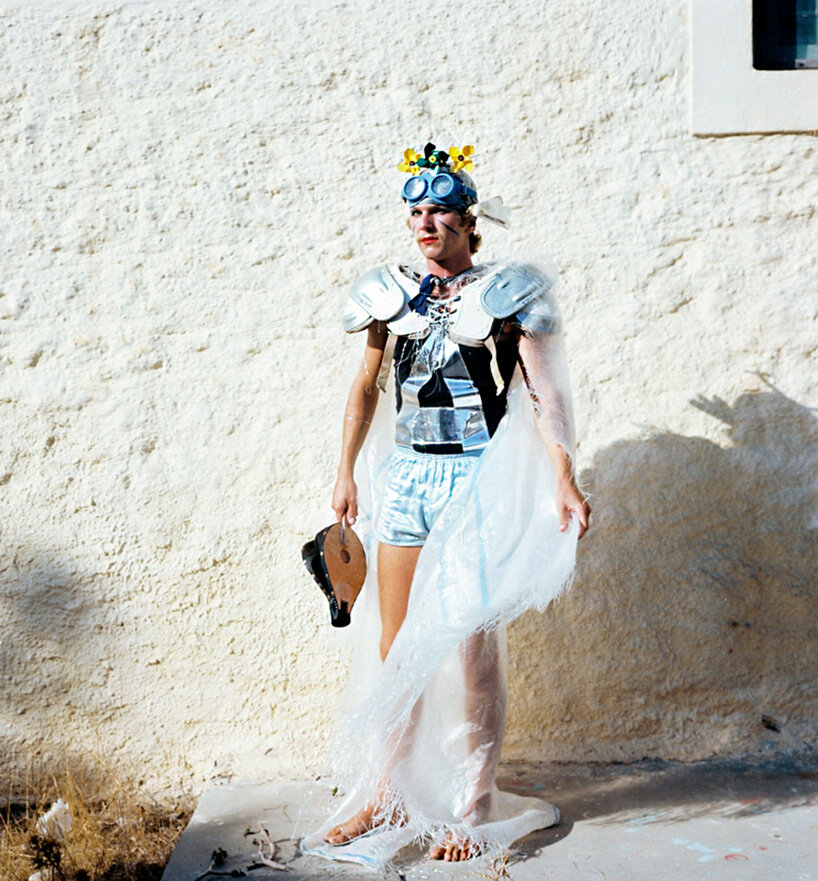
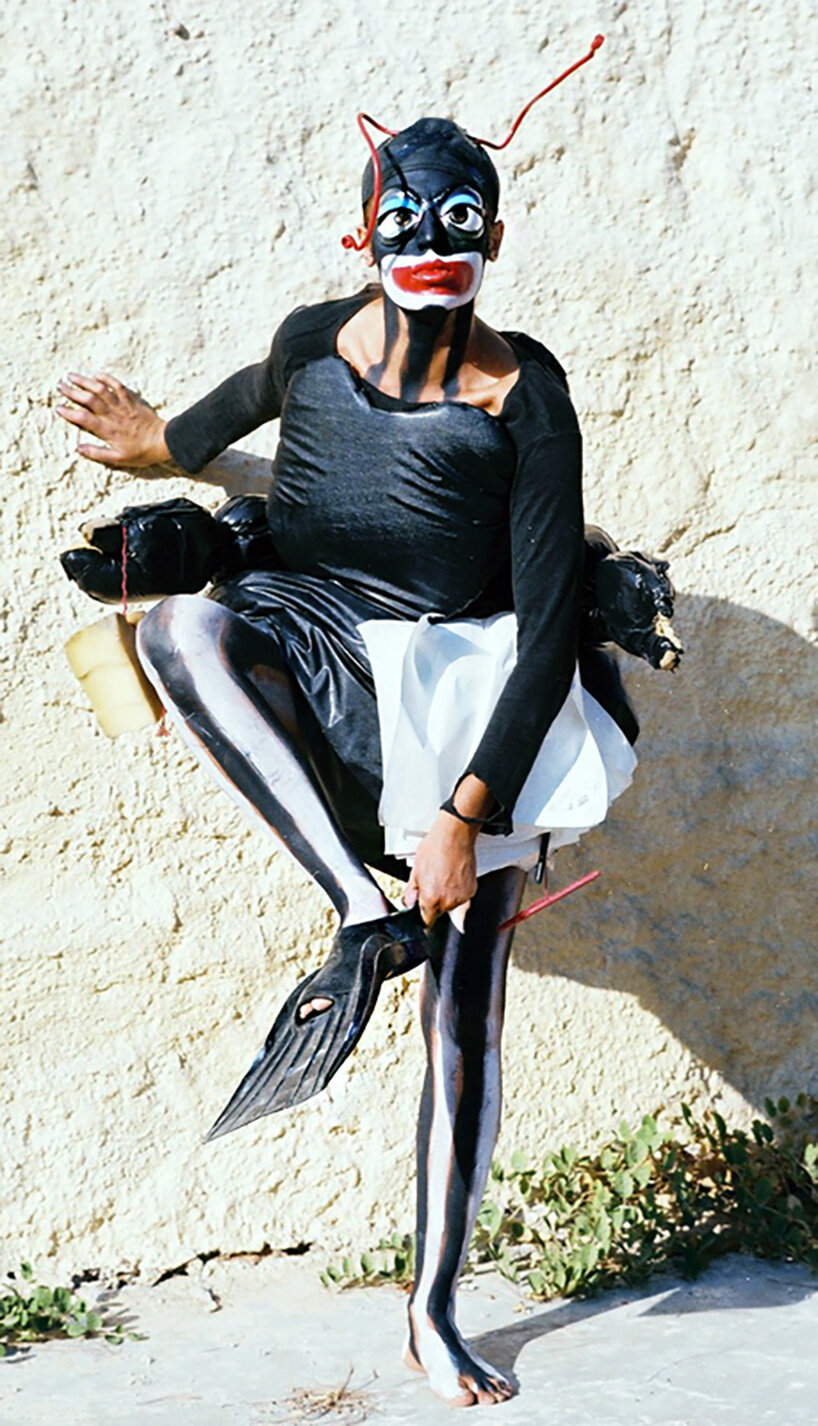
Surrounding Bouboulitsa was a vibrant ecosystem of marine life—including jellyfish, sea urchins, red mullet, and sardines. Papaconstantinou herself inhabited the role of an angel-mermaid, while fellow performers embodied various sea creatures or, in alternate scenes, surreal figures dubbed "motorcycle monsters." Costumes were never treated as mere decorative additions; rather, they were intrinsically bound to movement. A performer portraying a chicken wore specialized feathers that physically constrained and redirected their body, forcing movements that mirrored the bird’s behavioral patterns. This integrated approach ensured that the visual and narrative languages evolved in tandem.
Stories About Life on the Island
As the productions evolved, notably with Bouboulitsa’s Dream in 1979, the narratives increasingly confronted the sweeping socio-economic transformations unfolding across Spetses. Tourism was exerting a profound economic influence, driving up land values and resulting in historic homes being sold to affluent foreign buyers, while local residents faced mounting housing precarity. In one narrative vignette, a rapacious property agent attempts to sell island homes at exorbitant rates far beyond the means of the local population. Through collective resistance, Bouboulitsa and her cohort ultimately compel the agent to relent, constructing a symbolic house out of empty milk cartons.
Other productions tackled pressing municipal and environmental crises. Bouboulitsa and the Terrible Dragon, staged in 1977, directly addressed the chronic scarcity and escalating cost of water on the island. Additional performances focused unflinchingly on municipal waste management and the glaring deficiencies in local healthcare access.
These subjects were not abstract theatrical conceits; they formed the immediate reality shared by both the performers and their spectators. Consequently, the local community became an indispensable pillar of the project. Performances consistently drew capacity crowds, with the collective deliberately prioritizing the permanent residents of Spetses over the seasonal summer visitors.
This deep community integration yielded lasting bonds. Years later, Papaconstantinou discovered that island residents still intimately associated her with the character of Bouboulitsa. This enduring local recognition proved invaluable when she subsequently collaborated with documentary filmmaker Carole Roussopoulos on a project about Laskarina Bouboulina. Because the women of Spetses already knew and trusted the Greek artist through her 1970s performances, they were remarkably receptive to opening their homes, sharing oral histories, and participating in the documentary.
Performing Across Spetses
The geographic and architectural scope of the performances matched their thematic ambition. In 1977, the collective organized the first and only international Spetses Festival. The ambitious program united the Spetses Players with visiting international artists, featuring experimental works written by Timberlake Wertenbaker, Clement Biddle Wood, and Simon Carr.
Eschewing traditional proscenium arches, the festival unfurled across the rugged topography of the island. Performances utilized the historic old harbor as a natural backdrop, infiltrated the subterranean chambers of the iconic Figaro discotheque, and activated residential spaces designed by renowned modernist Greek architect Aris Konstantinidis.
This intensive period of site-specific intervention culminated with Bouboulitsa’s Dream in 1979. While each individual performance addressed distinct facets of island vulnerability, they shared a unifying ritual conclusion: every show ended with a specific song inviting participants to cherish and protect Spetses. In a poignant blurring of boundaries between audience and cast, spectators would invariably rise to their feet, singing and dancing alongside the performers.
When the Images Began Circulating Again
Nearly five decades after these ephemeral happenings took place, documentation of the performances has resurfaced in unexpected ways. In 2026, vibrant color photographs capturing the elaborate costumes and imaginative characters began circulating widely on social media platforms, frequently engaging audiences entirely unfamiliar with the original historical context.
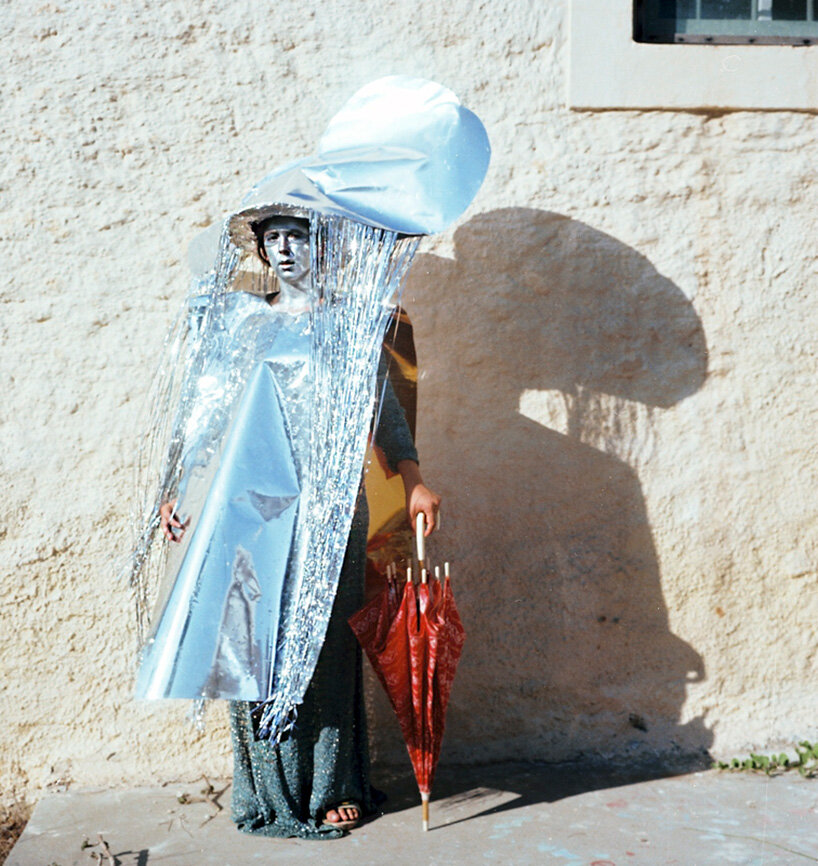
Leda Papaconstantinou views this contemporary resurgence through the lens of aesthetic autonomy. Describing herself as a fundamental "component of the visual language," she notes that these archival images possess the power to jolt modern viewers into a state of active inquiry, prompting them to question what they are witnessing before uncovering its origins.
This dynamic introduces a fascinating inversion in how performance art is encountered. Traditionally, literary texts, spoken words, and local stories generated the visual imagery of the plays. Today, however, the process operates in reverse. As the artist observes, the striking visual image now generates references back to the underlying words. Moving forward, Papaconstantinou aims to revisit the narratives behind each Bouboulitsa production alongside surviving collaborators, treating the historical relationship between language and visual production as an ongoing inquiry.
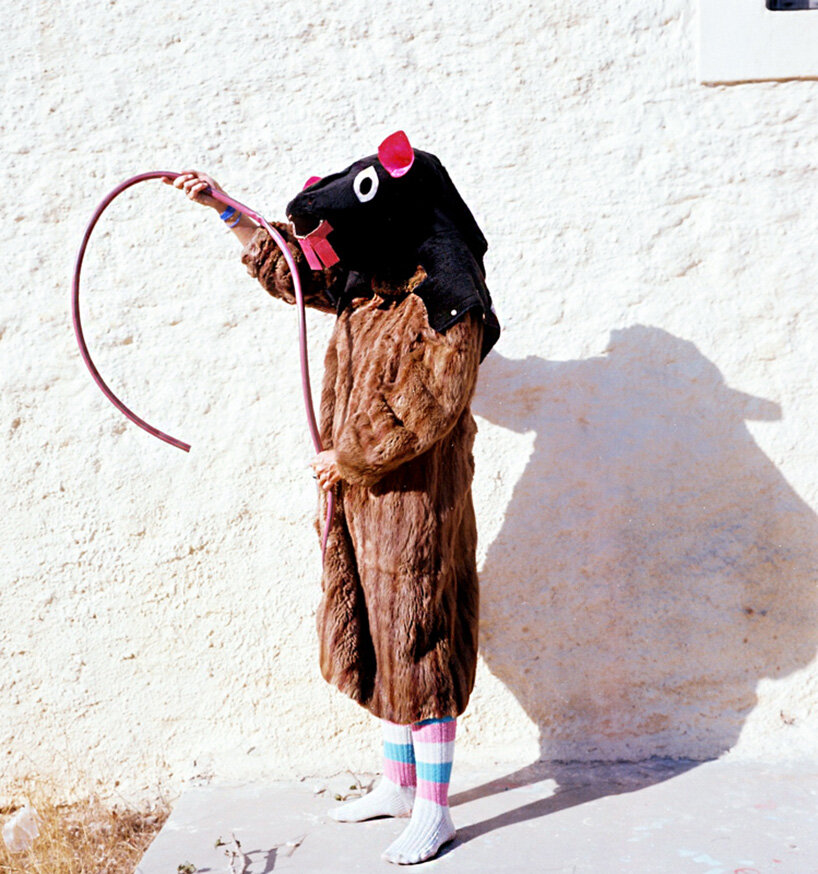
Furthermore, the photographs generate a striking temporal distance. Encountered online today, the fabrics, colors, and sculptural costumes of the 1970s retain a startlingly contemporary resonance. This aesthetic appreciation, however, is often tempered by a sobering realization: while viewers admire the radical artistic vision of the 1970s, they are simultaneously confronted with the unsettling familiarity of the issues those works sought to critique.
Preserving the Work
Rather than attempting to recreate ephemeral performances for modern audiences—an approach she firmly rejects, stating plainly, "I never reproduce performances"—Papaconstantinou has dedicated herself to rigorous archival preservation. In 2013, coinciding with AGORA, the 4th Athens Biennale, she reconnected with surviving collaborators to gather oral testimonies, ephemera, and material remnants from the period.
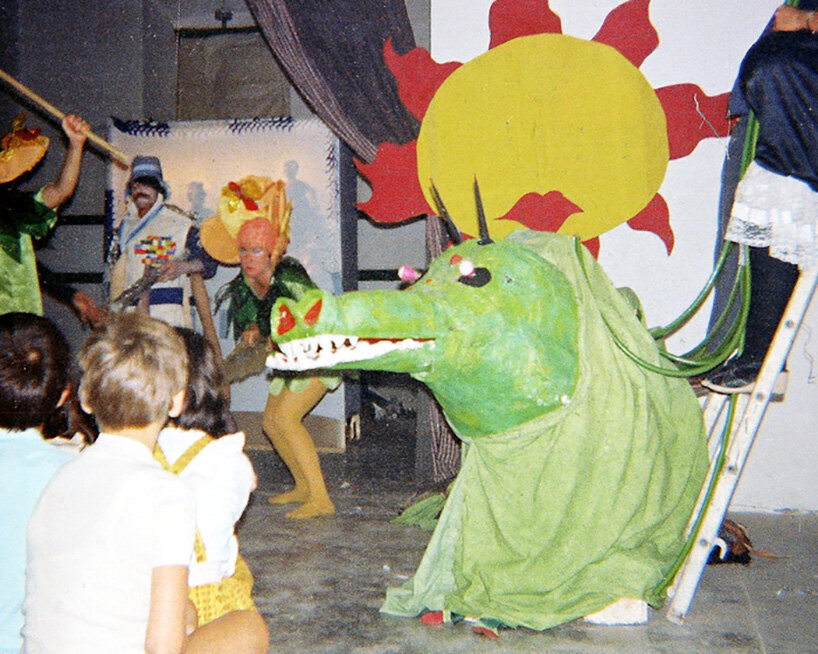
What endures from the Spetses Players is a rich repository of photographs, written texts, memories, and documentation that can be interpreted from multiple vantage points. In a testament to its cultural significance, Papaconstantinou has officially transferred her comprehensive archive to the National Museum of Contemporary Art Athens (EMST).
Today, this institutional archive exists in dialogue with the digital images circulating across the internet, granting the Spetses Players a vibrant afterlife. For those discovering the collective for the first time, the photograph inevitably precedes the narrative—presenting striking costumes and fantastical characters first, with the profound sociopolitical ideas, community struggles, and literary foundations emerging only afterward.