





Utopias have a peculiar and inevitable tendency to become less interesting as they become real. At first, they are exhilarating, disruptive, and intoxicating. They overturn long-standing conventions, ridicule established authorities, and deeply embarrass the present moment. Their authors manage to anticipate desires that everyone else has not yet learned how to want. But every so often, those imaginative propositions actually happen.
Consider Archigram, the radical 1960s architectural group whose visions of technological freedom, mobile structures, continuous global connectivity, and cities emancipated from fixed institutional bounds stood out as some of the most energizing proposals of the twentieth century. Their profound irreverence was entirely inseparable from the intelligence and biological vitality of their creators. Young minds had an enormous amount of fun imagining the wholesale demolition of established orders, their hearts racing at the prospect of entirely alternative worlds.
Now, decades later, we must consider the reality of permanent connectivity. Today, work finds us everywhere, bleeding into every corner of our personal lives. Digital platforms promise us endless choice while simultaneously concentrating immense power into very few hands. Technologies that loudly celebrate freedom are simultaneously organizing complex systems of surveillance, economic extraction, social segregation, and uninterrupted availability. The modern promise of mobility constantly runs up against selective, heavily fortified, and segregation-making borders. The promise of spatial and economic flexibility runs straight into a crushing global housing crisis that displaces millions of people. Sophisticated computation accompanies automated warfare and the devastating destruction of cities. Even global information networks that promise universal knowledge concurrently industrialize the production of disinformation.
What once looked like undeniable liberation has effectively mutated into an infrastructure of domination. Utopia did not simply fail in its ambitions; rather, its actual realization fundamentally changed the politics of its original promises. A utopia does not—and perhaps cannot—carry its pristine politics intact into the future. Something else within the systemic fabric of our world has fundamentally changed.
The Politics of Technological Freedom
Blaming Archigram for the surveillance states and algorithmic traps of the twenty-first century would be absurd and historically reductive. Yet, the striking resemblance between their optimistic projections and our current systemic realities is deeply disturbing. What once appeared as pure liberation has settled into an unyielding infrastructure of control. Utopia did not just collapse under its own weight; its actualization reshaped the very mechanics of power.
Today’s cascading crises emerge through deeply tangled interactions among digital computational systems, biological processes, economic institutions, and planetary ecologies. Contemporary housing is no longer just a matter of shelter; it is shaped by financial algorithms, rigid property regimes, human migration, and vulnerable bodies struggling simply to survive. Global climate instability connects planetary atmospheric processes, intensive energy infrastructures, industrial mass production, bureaucratic governance, and predictive computation.
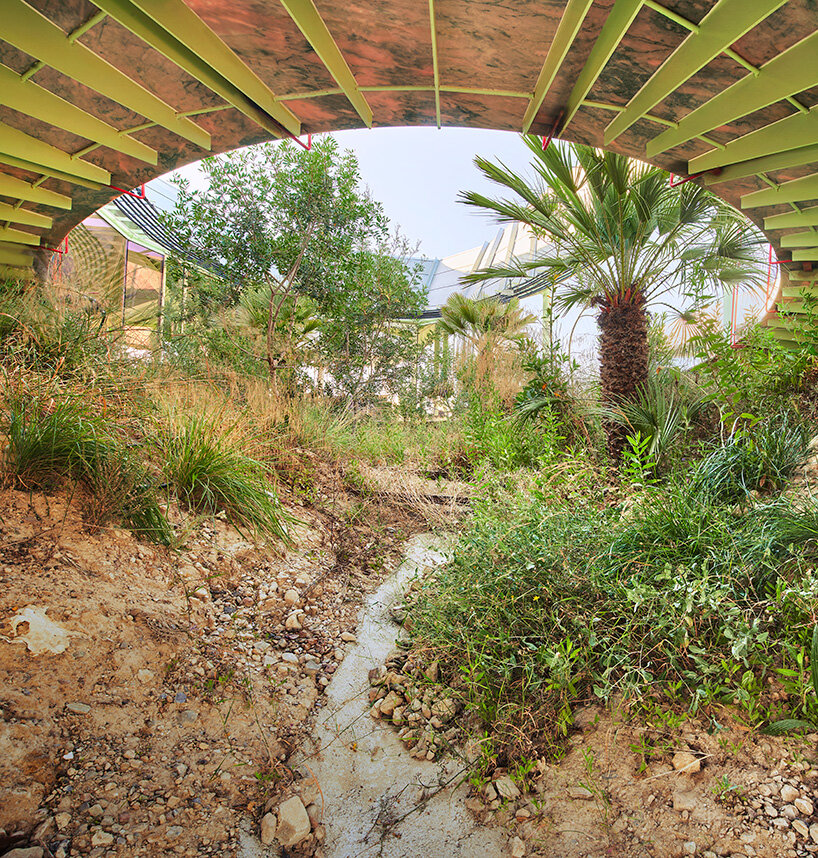
Meanwhile, widespread biodiversity loss involves industrial agriculture, complex logistics networks, microbial ecologies, and land finance. Modern warfare seamlessly combines automated computational target detection with the physical destruction of human bodies, fragile habitats, and essential urban infrastructures.
Architecture at the Thresholds of Sensing
These are by no means separate technological, social, and environmental problems that can be solved in isolation. Instead, they are posthuman enactments in which computation and biology, automated sensing and human decision-making, are entirely inseparable. We frequently struggle to imagine our own daily participation in systemic transformations whose sheer scale and production vastly exceed what human senses can perceive. Yet, we participate in them constantly, woven into networks we cannot fully see or touch.
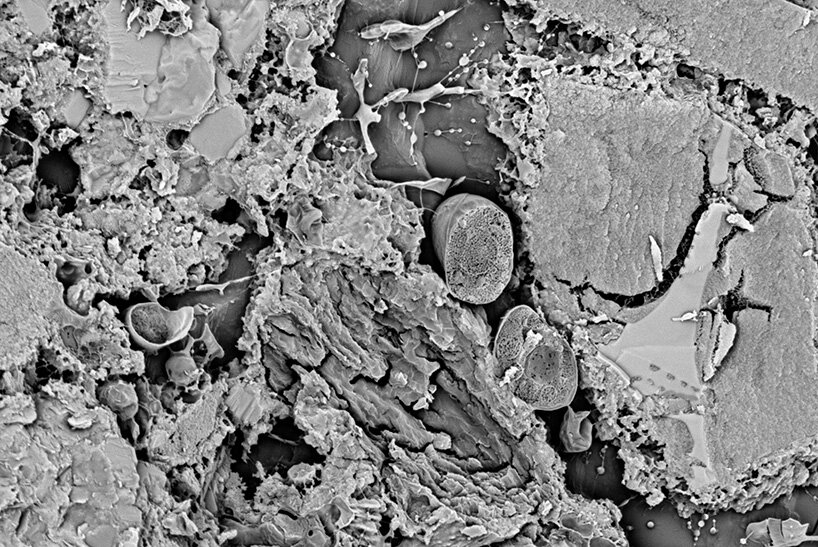
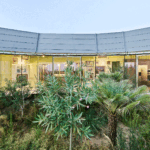
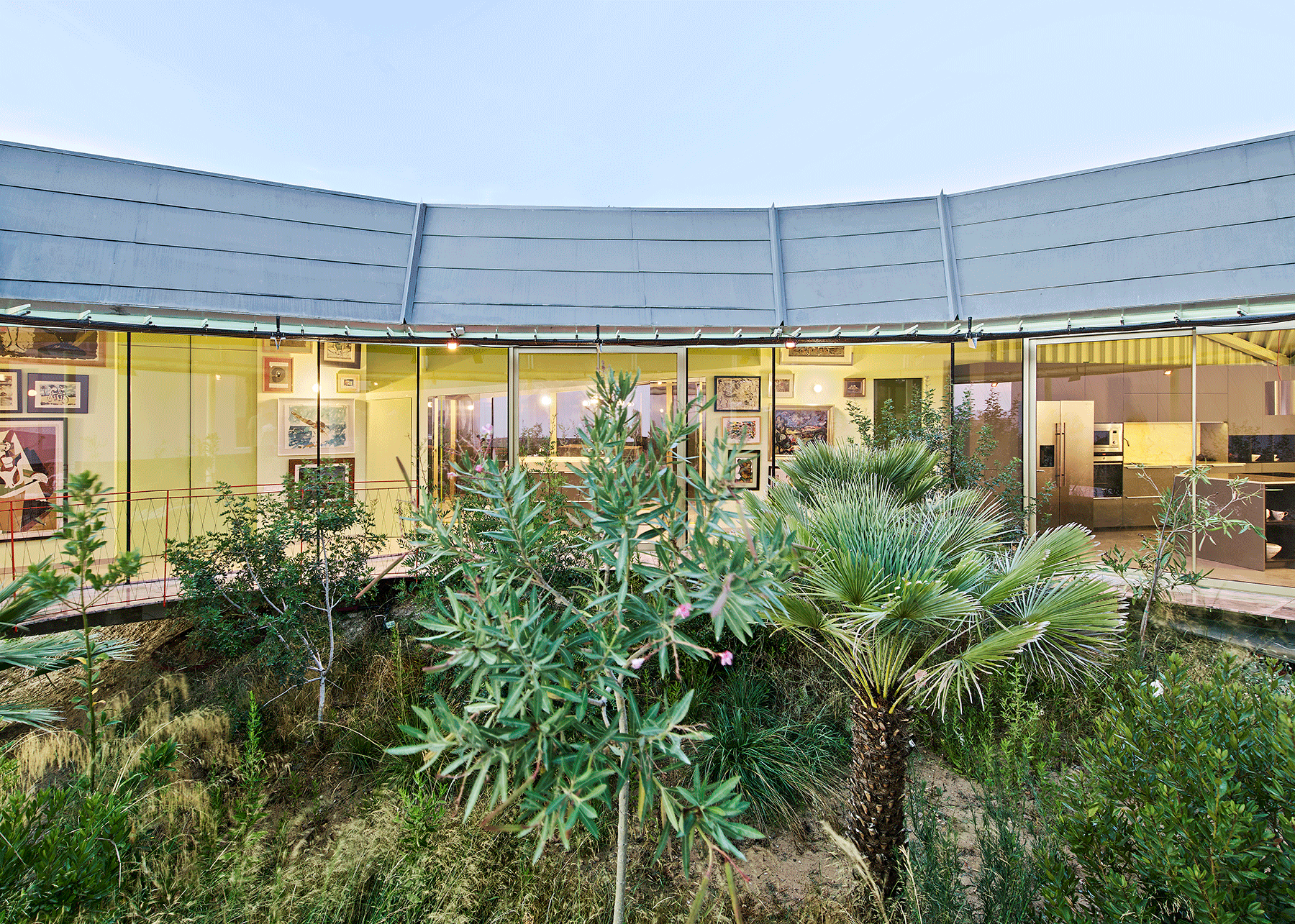
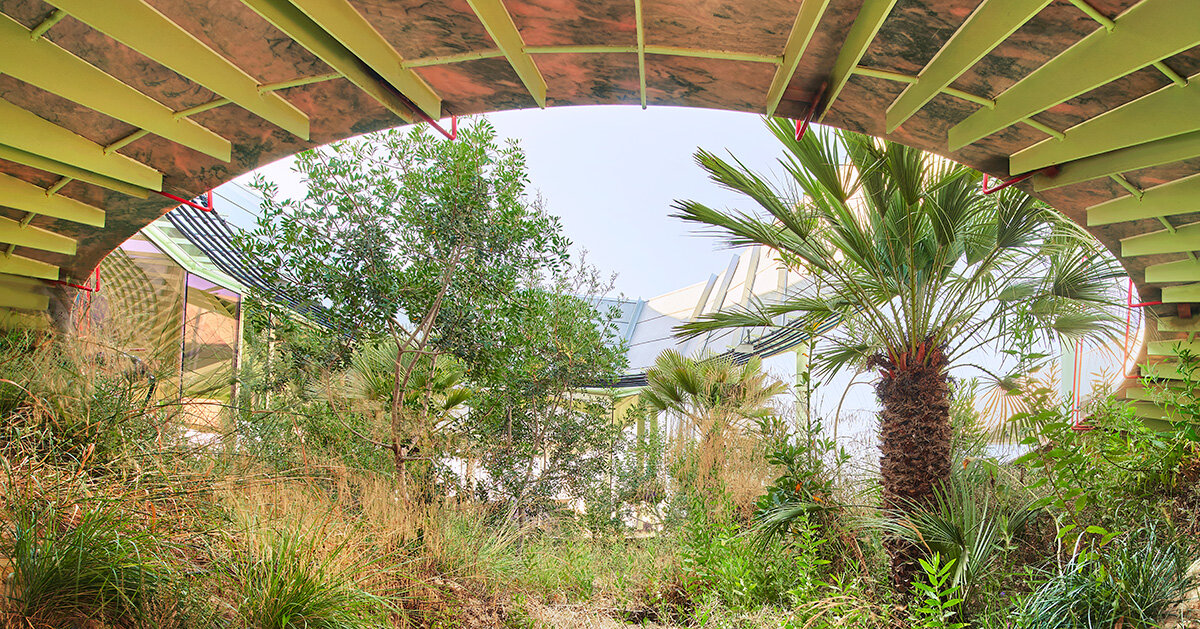
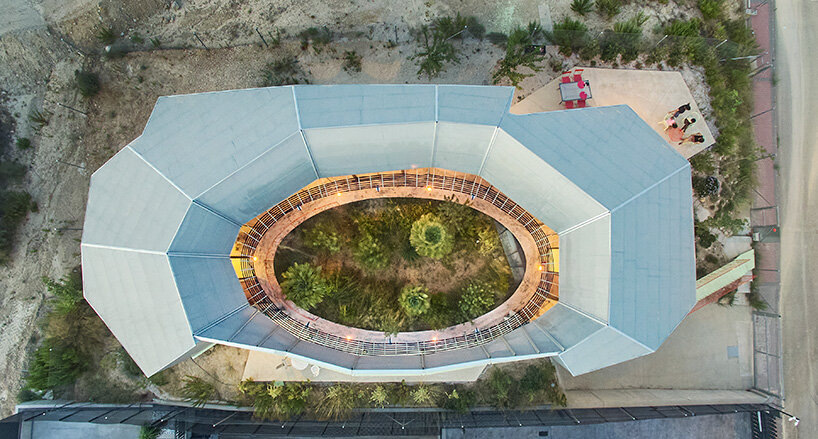
This inescapable reality makes experimentation at the thresholds of sensing an urgent architectural question. Architect and researcher Andrés Jaque, founder of the Office for Political Innovation (OFFPOLINN), explores these precise dynamics through built works like the Rambla Climate-House in Spain and the Colegio Reggio school. These projects do not stand apart from environmental and political realities; they actively engage the microclimatic, microbial, and social webs that constitute our lived environments.
Experimenting now means entering directly into the messy conflicts through which reality itself is being produced, rather than imagining utopian alternatives from a safe, detached distance. For architects and spatial practitioners, this means actively challenging what computational systems are programmed to recognize, what rigid institutions choose to exclude, what vulnerable bodies are forced to endure, and what alternative forms of life other species make possible.
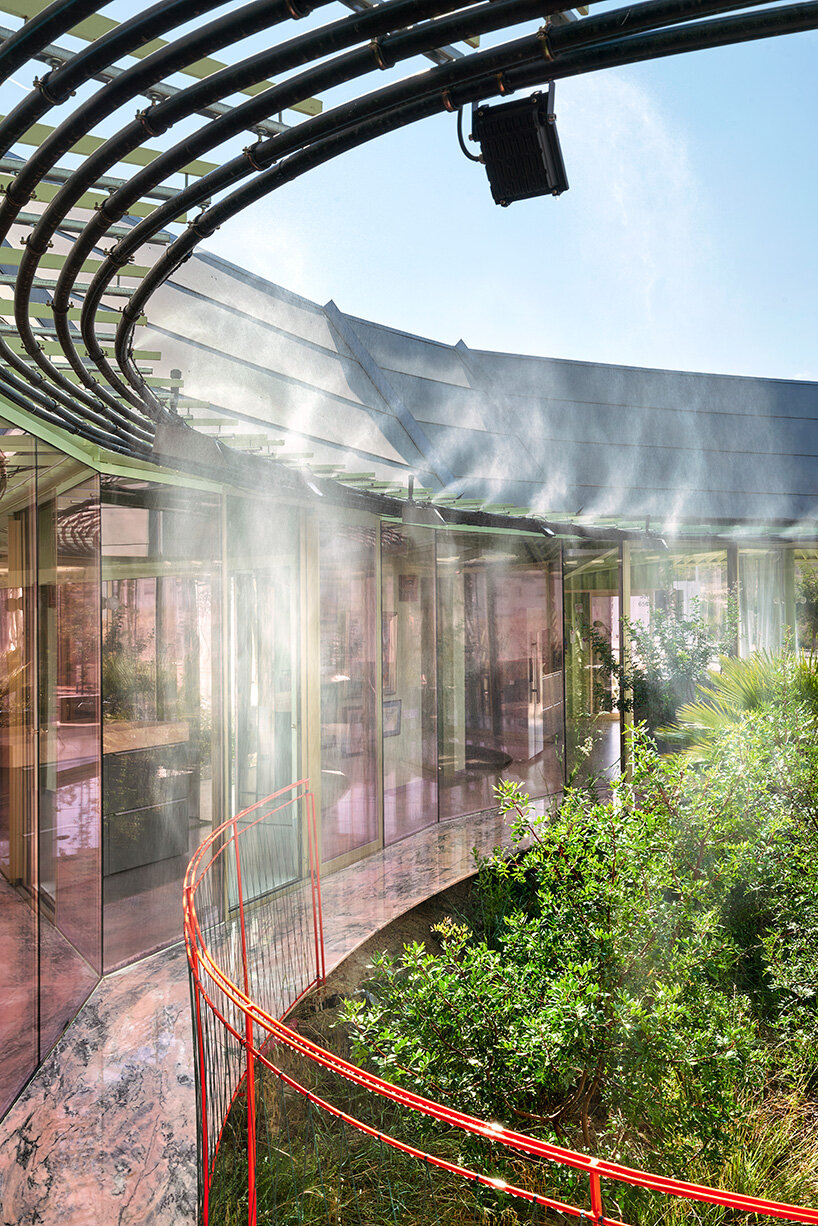
It requires transforming not only what we intellectually know, but precisely who and what can produce knowledge, intervene in critical decisions, and redirect their ecological and social consequences. The true radicality of contemporary architecture lies in making reality itself a primary site of collective experimentation—a place where the power to sense, contest, and transform is not merely proposed on paper, but actively enacted and body-environmentally lived.
Andrés Jaque is a Spanish architect, researcher, educator, and the founder of the Office for Political Innovation (OFFPOLINN), an international practice established in 2003 with offices in New York and Madrid. His extensive body of work approaches architecture as an inherently political and environmental practice, closely examining the complex relationships binding people, technology, ecology, and the built environment. Moving fluidly between architecture, spatial research, performance, and exhibition-making, Jaque explores how design can render visible the hidden social and environmental systems shaping everyday life. He currently serves as Professor and Dean of Columbia University’s Graduate School of Architecture, Planning and Preservation. His numerous distinctions include the prestigious 2016 Frederick Kiesler Prize for Architecture and the Arts and the Silver Lion for Best Research Project at the 14th Venice Architecture Biennale.