





The history of the diamond is a sprawling narrative of ancient mystery, linguistic confusion, trade route shifts, and relentless technological innovation. Long before diamonds became symbols of eternal romance and fixtures of modern jewelry, their very existence in early human records was obscured by ambiguity. Tracing the path of the world’s hardest gemstone reveals a fascinating evolution—from raw, unpolished crystals revered in antiquity to the mathematically precise, brilliant-cut stones of the modern era.
Pre-Roman Diamonds and Ancient Linguistic Confusion
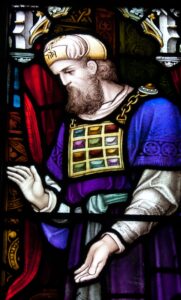
The early history of the diamond is shrouded in deep mystery, leaving the exact timeline of when these stones first played a role in human lives unknown. Reviewing available ancient literature reveals a recurring obstacle: translating ancient texts accurately is exceptionally difficult. Modern readers often encounter apparent references to diamonds in early texts, such as the Old Testament passage in Exodus describing the breastplate of judgment, which lists a "diamond" in the second row of sacred stones.
However, historical and linguistic analyses show that these references stem from the erroneous translation of the Hebrew word yahalom—derived from halam, meaning "to beat"—and the Greek term adamas, meaning "indomitable" or "invincible." While yahalom certainly indicated an extremely hard mineral, assuming it specifically referred to a diamond is a modern projection. Similarly, Greek literature uses adamas—notably in the works of Plato—which has long been interpreted as proof that the Greeks knew of diamonds. In reality, there is zero historical proof supporting this; adamas was likely used to describe gold, non-noble metals, or perhaps corundum.
Early gemological historians lacked access to translated Sanskrit texts, meaning India’s rich historical sources regarding early diamond use were largely overlooked in the West. While when diamonds entered human society remains unclear, where they first appeared is entirely certain: India. An ancient Indian treatise titled the Arthasastra, dating back to the 4th century BC, provides the first definitive insight into diamond use. By this period, diamonds were actively known, traded, and taxed in India, accompanied by established diamond experts and classification systems. This advanced level of knowledge strongly implies that diamonds had already been in use for a considerable time.
Roman Diamonds and Early Superstitions
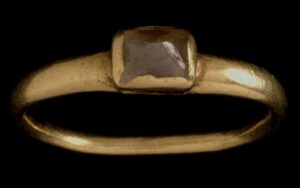
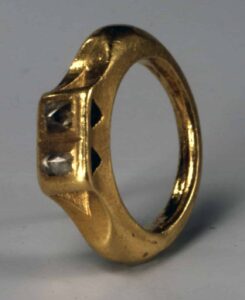
Diamonds were certainly known to and worn by the Romans, who prized them as ring stones. Several rings containing uncut diamonds have survived and now reside in the collection of The British Museum. The Roman scholar Pliny wrote extensively about diamonds in his Naturalis Historia, describing them as the substance possessing the greatest value, surpassing not only all other precious stones but every other human possession.
Pliny did not mention any fashioning or cutting of the stones. Instead, he noted their incredible hardness and inadvertently documented their perfect cleavage: "These stones are tested upon the anvil, and will resist the blow to such an extent, as to make the iron rebound and the very anvil split asunder… When, by good fortune, this stone does happen to be broken, it divides into fragments so minute as to be almost imperceptible." While much of Pliny’s description points to diamonds, other details do not add up, suggesting he may have confused certain minerals with diamonds. Gemstone historian Herbert Tillander also expressed doubts that the Romans had access to pristine crystals, noting that Indian suppliers likely kept the highest-quality stones for their domestic markets.
During antiquity and well into the medieval period, diamonds were widely believed to protect their owners from all forms of misfortune. For centuries, a powerful taboo dictated that this divine crystal would lose its mystical powers if altered from its natural state. Consequently, cutting diamonds was viewed as both a taboo and a technical challenge. Tillander suggests that early diamond manipulation likely began simply by removing unwanted mineral matter from the faces of freshly mined crystals. While rudimentary controlled cleaving could have been performed given the technology of the time, historical or archaeological proof of early cleaving remains entirely absent.
The Introduction of Diamond Cutting
Following the decline of the Roman Empire, diamonds temporarily vanished from European jewelry altogether. India remained the sole source of diamonds until the 18th century, but the supply chain to Western Europe was severely disrupted by the loss of Roman trade routes. Simultaneously, the spread of Christianity diminished the gem’s popularity, as the new religion condemned the superstitious attributes historically associated with the stones.
Conversely, diamonds retained their cultural and economic popularity throughout the Indian and Islamic worlds, leaving behind vital historical references. The Ratnapariska by Buddha Bhatta, an Indian text dating back at least to the 6th century, notes that flawed diamonds should not be used as gems but could be repurposed for polishing other stones—an early indicator that lower-quality diamonds were being pulverized to create diamond powder.
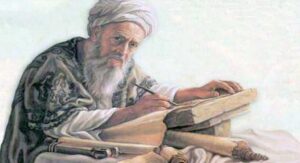
By the 10th century, the Islamic scholar Al-Biruni documented that Indian lapidary workers and Islamic jewelers were actively grinding up diamonds to polish other gemstones, though polishing diamonds with diamond dust was not yet practiced. Notable jewelry historian Jack Ogden later identified medieval Islamic jewelry dating back to the 13th century featuring simple table-cut diamonds, representing the oldest known cut diamonds in existence. This timeline aligns with the Agastimata, an Indian text written shortly after the 13th century, which explicitly states that diamonds can only be polished using other diamonds.
European Resurgence and the 16th-Century Revolution
European diamond cutting likely originated in Venice shortly after 1330, coinciding with Venetian merchants reopening trade routes to the East. While it remains unclear whether cutting techniques were directly imported, Islamic merchants were already familiar with both cleaving and grinding poor-quality diamonds into dust. Alternatively, European artisans may have independently developed cutting techniques to meet a growing demand for symmetrical stones, given that top-tier rough crystals were typically retained in India or intercepted by Islamic middlemen.
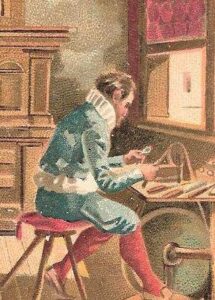
Initial European cutting techniques were strictly limited by the shape of the available rough, generally amounting to little more than the superficial polishing of natural crystal faces. However, the introduction of continuous rotary motion in craft tools during the 15th century allowed cutters to grind facets into diamonds with greater ease, sparking creativity and a wider variety of cuts.
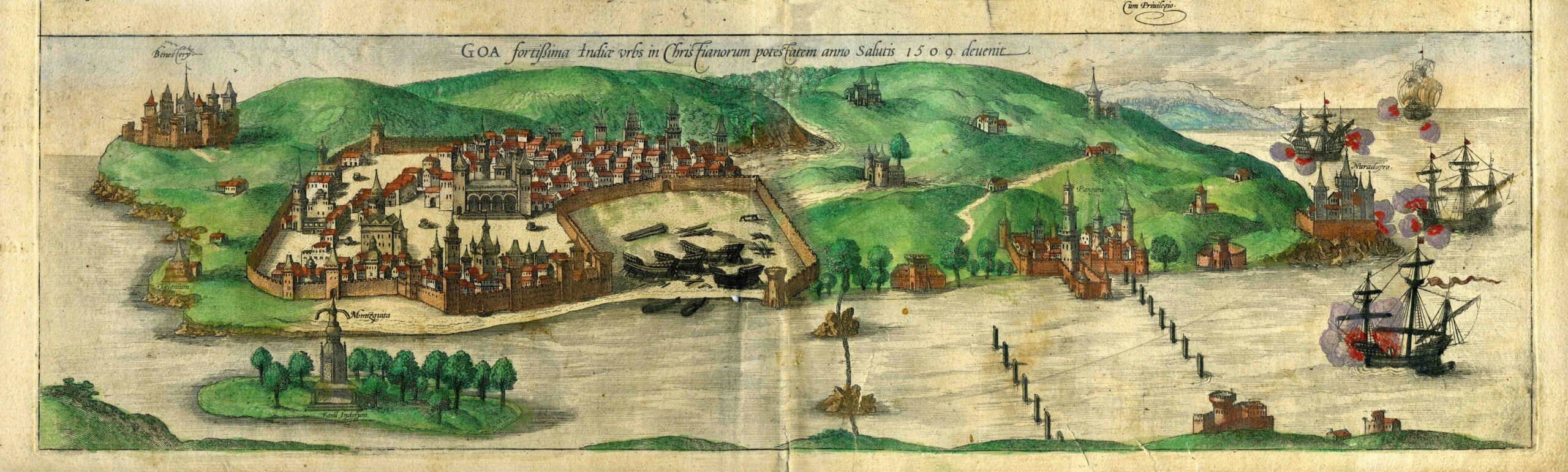
By the 16th century, the European economic center of gravity shifted from the Mediterranean to the North Sea, and cities like Paris, Bruges, and Antwerp emerged as primary polishing centers. Because these cutting communities operated outside the traditional guild system, Jewish refugees fleeing religious persecution and the Inquisition in Portugal, Spain, and France were able to participate in the trade, significantly advancing diamond cutting and trading techniques.
A famous court document from Augsburg during this era records a diamond weighing 11.50 carats before polishing and just 5 carats after, illustrating the dramatic weight loss associated with the transition toward intentional faceting. The Rose Cut emerged during this period, and early table cuts received additional facets on both the crown and pavilion. Longer rectangular stones known as "Hogbacks" served as forerunners to the modern baguette cut, frequently utilized to form letters and geometric figures.
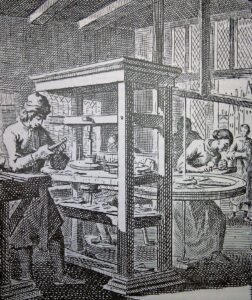
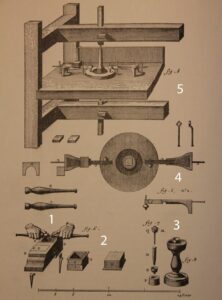
Comprehensive documentation of 16th-century cutting techniques was recorded by Benvenuto Cellini in his 1568 treatise on goldsmithing and sculpture. Cellini detailed how diamonds had to be shaped by rubbing two stones together due to their extreme hardness—a process of diamond cutting diamond—while the resulting diamond powder was mixed with oil to provide a final polish against a spinning steel wheel.
Understanding Diamond Physics: Grinding, Cleaving, and Sawing
To fully understand the progression of diamond cutting, one must consider the unique physical properties of the stone. Beyond being the hardest substance on earth, diamonds possess "directional hardness," meaning they are harder in certain crystallographic directions than in others. Octahedral crystal faces, for instance, lie in planes of immense relative hardness and are virtually impossible to polish directly, forcing cutters to introduce facets at slight angles to these planes.
Furthermore, diamonds possess perfect cleavage, meaning their internal crystal structure allows for smooth, clean fractures when force is applied in specific directions. While ancient peoples used broken diamond fragments for engraving, and mid-13th-century Islamic writer Ahmad ibn Yasuf al Tifaschi noted diamond cleavage, using cleaving as a deliberate gem-cutting technique appears to be a post-medieval invention documented by Anselmus Boetius de Boodt in 1600.
The final major technique added to the cutter’s repertoire was diamond sawing. Described by Johannes de Laet in his 1647 lapidary, sawing involved dressing a thin wire with diamond powder mixed with oil and drawing it across the stone. Although extremely labor-intensive, this method persisted well into the 19th century, complementing cleaving, grinding, and polishing.
Indian Craftsmanship and the Mughal Cut
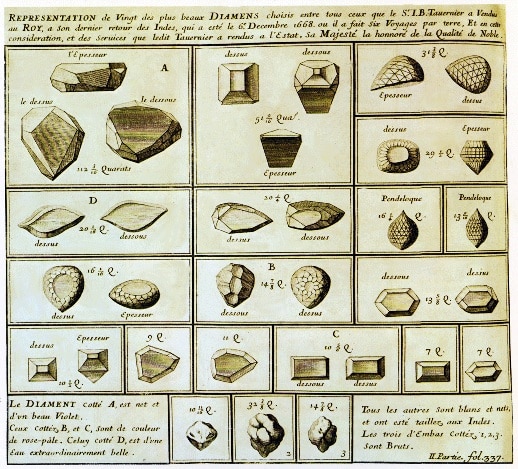
Travel accounts by Jean-Baptiste Tavernier in his Six Voyages provide invaluable insights into 17th-century Indian diamond fashioning. Tavernier described Indian cutting mills powered by multiple workers, noting that Indian cutters utilized a steady application of oil and diamond powder via a thin wooden spoon. Although Indian wheels operated at slower speeds than their European counterparts, Indian artisans demonstrated remarkable skill, readily tackling stones with stubborn internal knots that European cutters typically refused to process. The resulting style of Indian craftsmanship from the 16th through the 18th centuries is broadly classified as the Mughal Cut.
Baroque Roses, Early Brilliants, and the Brazilian Discovery
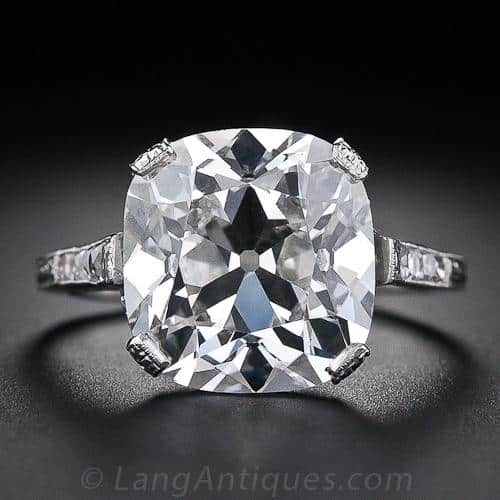
During the late 17th century, the candle-lit social gatherings of the Baroque era demanded stones with greater sparkle, leading to the evolution of the Rose Cut and the birth of early brilliants. These early brilliants were far from symmetrical, featuring outlines dictated by the shape of the original rough—dodecahedral crystals yielding roundish stones, and octahedral crystals producing square outlines with rounded corners, precursors to the modern cushion cut.
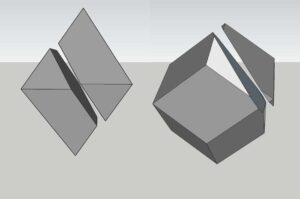
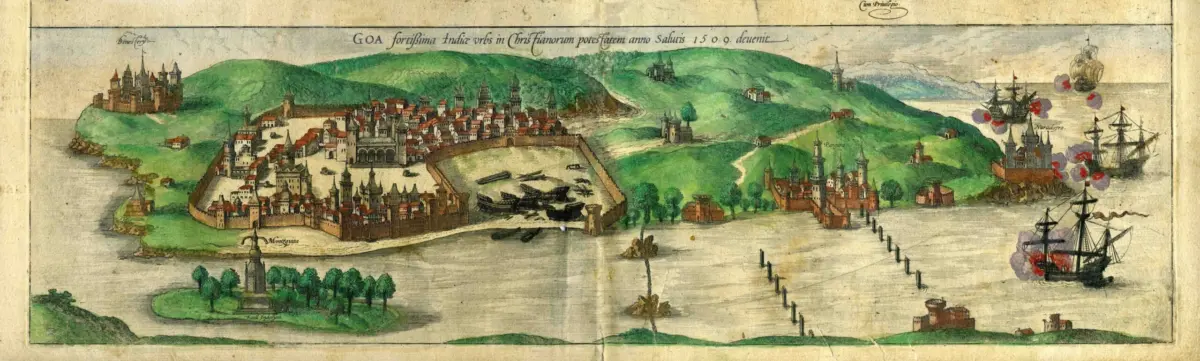
For centuries, diamond availability remained constrained. However, everything changed around 1725 with the discovery of alluvial diamond deposits in Brazil, in a region subsequently named Diamantina. By 1730, steady production was underway, flooding the global market and causing the price of diamond rough to plummet to just 30 percent of its previous value. This unprecedented influx transformed diamonds from an exclusive luxury reserved for European nobility into items accessible to a much broader public. As the cutting industry expanded to meet this surge in demand, brilliant cuts steadily superseded older styles, paving the way for the Old Mine Cut stones of the 18th and 19th centuries.
The South African Boom and Modern Industrialization
As Brazilian diamond production waned by the mid-19th century, the discovery of the Eureka diamond in South Africa in 1866–1867 revitalized the struggling diamond-cutting industries of London, Antwerp, and Amsterdam. This monumental find coincided with major technological leaps, most notably the invention of the steam-driven bruting machine by Henry D. Morse and Charles M. Field in the early 1870s, followed by the first electric bruting machine in 1891.
A Belgian immigrant in the United States invented the motorized diamond saw in 1900, enabling cutters to shape rough stones along previously restricted angles. Supported by a massive, steady supply of South African rough and mechanized tools, the ancient craft evolved into a modern industrial enterprise. The round brilliant gradually matured into the "ideal cut," while specialized new styles emerged, including the Asscher cut in 1902, the reintroduction of the baguette cut in 1912, and the princess cut in the 1960s.
The devastation of the Holocaust during World War II severely impacted the predominantly Jewish-owned cutting houses in Antwerp and Amsterdam, shifting global industry dynamics and leading to the rise of major new cutting centers in Israel and India. In the modern era, traditional craftsmanship continues to merge with advanced technology, utilizing virtual 3D modeling and high-precision laser sawing to maximize the yield and brilliance of every rough stone.