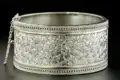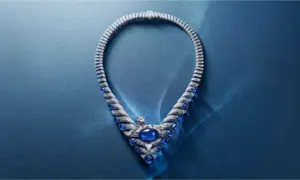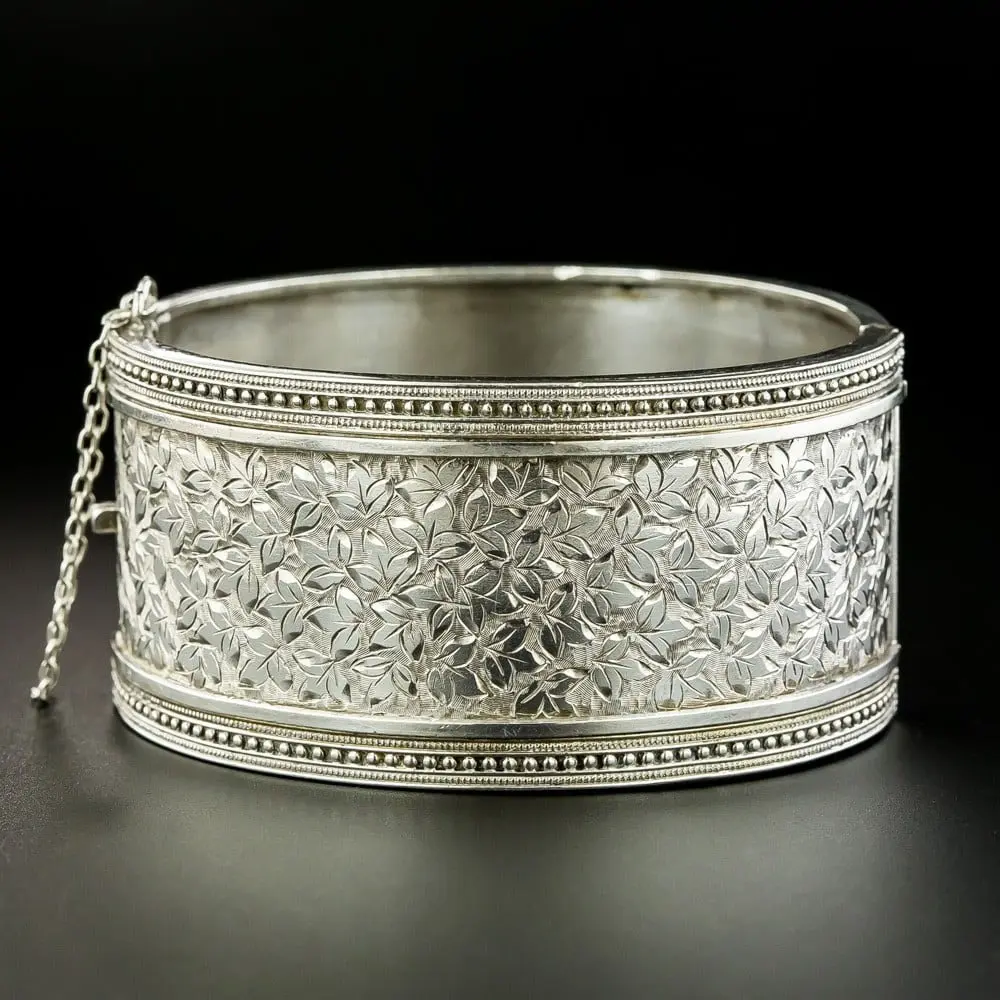
Silver—represented on the Periodic Table of the Elements by the symbol Ag—is a brilliant white metallic element that occupies a unique and vital place in human history, technology, and the decorative arts. While it is harder than gold, it is softer than copper, ranking second only to gold in terms of both malleability and ductility. Beyond its physical workability, silver is an exceptional conductor of heat and electricity. Classified as a noble metal due to its remarkable resistance to oxidation, silver has for millennia served as a cornerstone for fine jewelry, coinage, and high-value objects d’art, typically alloyed with other metals to ensure structural integrity and to preserve intricate details.
Silver Significance
In modern markets, silver is frequently viewed as inexpensive when compared alongside fellow precious metals such as gold or platinum. However, assuming that silver lacks historical importance or economic muscle would be a profound mistake. Throughout various epochs of human history, silver has commanded values higher than gold. When looking at the sheer quantities utilized across jewelry and decorative pieces, silver’s historic consumption outweighs all other precious metals by a massive margin. Furthermore, this versatile white metal has served as the catalyst for far more technological breakthroughs in mining and metallurgy than any of its precious metallic counterparts. Entire global economies have risen and fallen on the accessibility of silver, and the control of rich silver deposits has frequently dictated the outcomes of wars and the trajectory of human history.
Bronze Age Silver: Mesopotamia and Egypt
The chronicle of silver extraction traces back to the closing centuries of the fourth millennium BC, when early metallurgists in modern-day Turkey discovered a method to extract silver from lead ores through a process known as cupellation. Although exceedingly few physical artifacts from this dawn of metallurgy have survived the ravages of time, those that remain offer a fascinating glimpse into the advanced capabilities of Bronze Age silversmiths.
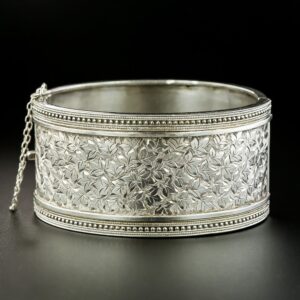
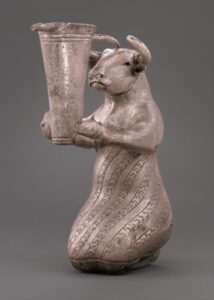
As written records began to emerge in Mesopotamia, silver firmly established itself as a foundational medium of exchange. Rather than circulating as standardized coins, silver functioned as currency based strictly on weight or in the form of rings. The workshop of the Mesopotamian silversmith mirrored that of the goldsmith, frequently operating out of the exact same physical space. Although silver is slightly less ductile than gold and demands more frequent annealing during manufacturing, ancient artisans discovered it could be easily cast, hammered into exceptionally thin sheets, engraved, embossed, and decorated using sophisticated techniques like repoussé, filigree, and granulation. High-purity silver vessels, delicate statuettes, and personal ornaments recovered by archaeologists demonstrate the refined aesthetic sensibilities of these early craftsmen.
Meanwhile, ancient Egyptians maintained a passionate affinity for the rare and exotic. Because gold was readily accessible nearby in the mountains of the Eastern Desert and Nubia, pure silver had to be imported over long, hazardous trade routes, often alongside prized Afghan lapis lazuli. Consequently, the Egyptians viewed imported silver as profoundly exclusive and valuable—frequently ranking it higher in worth than gold and reserving it exclusively for the highest strata of society.
By approximately 1600 BC, however, the expanding supply of silver caused its market value to drop to roughly half that of gold, establishing it as an abstract, stable currency. The popularity of silver in Egyptian burial customs shifted over time according to fashion; while King Tutankhamun’s famed tomb contained remarkably few silver objects, later royals like Sheshonq II were laid to rest inside an all-silver sarcophagus.
Minoa, Mycenae, and Phoenicia
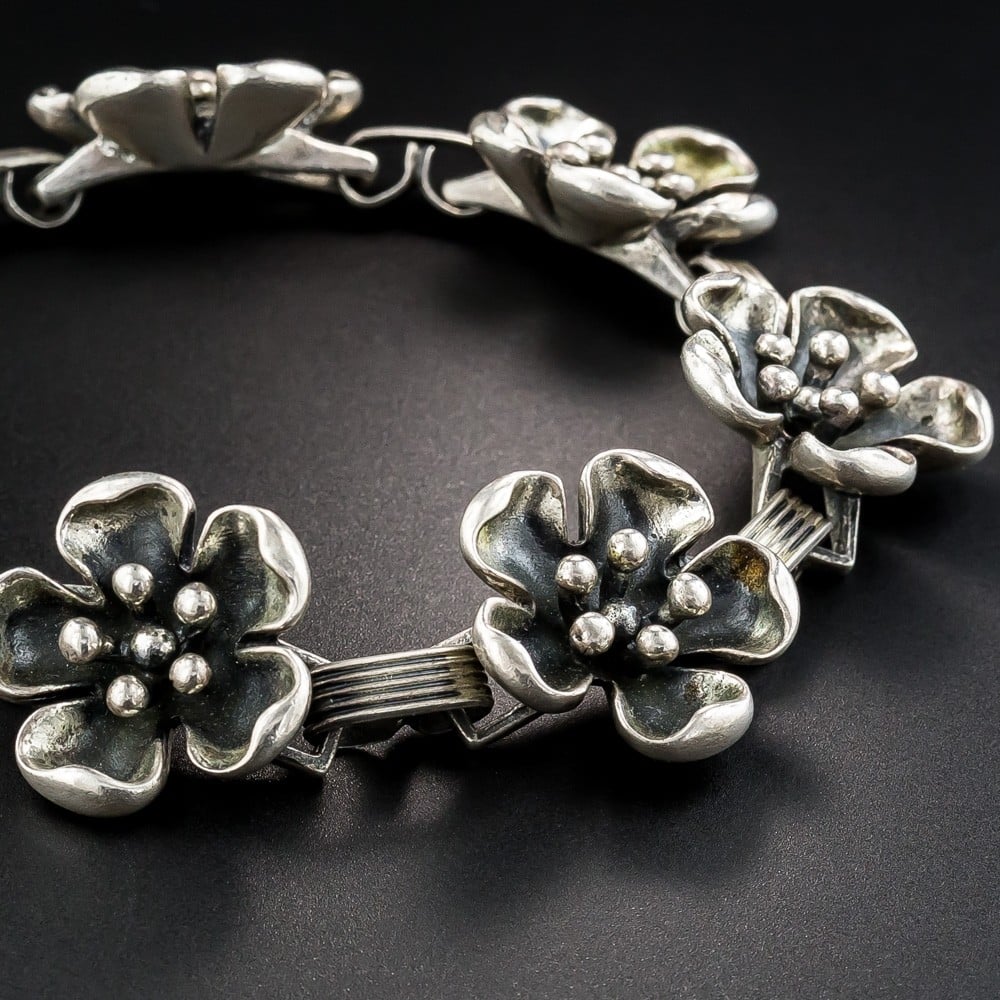
As Mediterranean civilizations expanded, the Minoans and later Mycenaeans leveraged their formidable maritime trade networks to move large quantities of silver. Excavations across mainland Greece, Crete, and Cyprus have yielded substantial collections of early Greek silver jewelry, illustrating the metal’s growing regional integration.
The Phoenicians ultimately revolutionized the Mediterranean silver trade. Through aggressive colonization and far-reaching commercial routes, the Phoenicians initiated the large-scale exploitation of rich silver deposits in Spain, distributing the metal across the classical world on a scale never before witnessed. This sudden influx permanently shifted silver away from its former status as an ultra-exclusive luxury good toward broader commercial and decorative utility.
Classical Silver in Greece and Rome
For both classical Greek and Roman societies, a steady supply of silver was an absolute necessity, serving as the physical backing for minted coinage. While surviving archaeological evidence indicates that gold was more commonly favored for elaborate personal jewelry—partly due to the high rate at which silver jewelry was melted down and recycled over the centuries—the surviving examples confirm that silver was utilized for every conceivable type of ornament, including finger rings, anklets, and armlets.
The Romans developed a particular fondness for niello, a surface decoration technique closely related to enameling but executed using silver sulfate rather than glass. Offering a metallic luster and superior durability compared to glass enamels, niello spread rapidly throughout the Roman Empire, later influencing Anglo-Saxon and Eastern European metalwork.
Roman historian Pliny the Elder provided vivid, often cynical commentary on contemporary Roman obsessions with silver in his encyclopedic Naturalis Historia. Detailing the realities of Roman mining operations, Pliny observed that silver ore was exclusively found through deep subterranean shafts, frequently running alongside lead veins. He noted that the legendary Carthaginian general Hannibal operated extensive Spanish silver mines, such as the site named Bābelo, which reportedly yielded three hundred pounds of silver daily and required teams of workers operating around the clock by torchlight to drain subterranean waters.
Pliny’s writings also documented the staggering evolution of Roman domestic luxury. He contrasted the extreme frugality of early military commanders—such as the younger Scipio Africanus, whose entire household inheritance included a modest thirty-two pounds of silver—with the lavish lifestyles of later imperial Romans. By the first century AD, wealthy citizens decorated entire banqueting couches with silver plating, commissioned custom silver tableware crafted by master artisans like Mentor at exorbitant prices, and outfitted personal possessions with chased silver, reflecting a culture where material opulence had reached unprecedented heights.
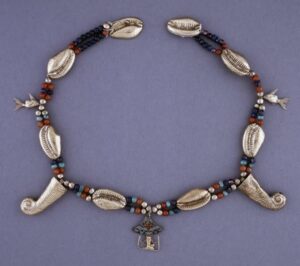
Celtic Silver
Celtic tribes across Europe integrated silver extensively alongside bronze for personal ornamentation and status displays. Highly decorative brooches, heavy torcs, and crescent-shaped neck ornaments known as lunulae represented the pinnacle of Celtic metalworking. Before the arrival of Roman legions, the Celts relied on "ring money"—standardized rings forged from silver, copper, bronze, or gold—which functioned purely as a medium of exchange rather than wearable adornment.
Medieval Silver
Following the collapse of Roman trade routes and the resulting scarcity of gold across Europe, silver rose to undisputed prominence as the primary metal for jewelry and decorative arts. Germanic and Anglo-Saxon craftsmanship during the early medieval period focused heavily on functional adornments, including fibulae, disc brooches, penannular brooches, and sturdy belt buckles fashioned from silver, occasionally gilded or inlaid with deep red garnets.
The expansion of Viking trade and raiding networks beginning around 800 AD redirected massive quantities of silver into Scandinavia, fueling a golden age of silversmithing and establishing a rich regional tradition of silver jewelry. Furthermore, the discovery of rich Swedish silver deposits around the turn of the first millennium significantly bolstered the metal’s availability.
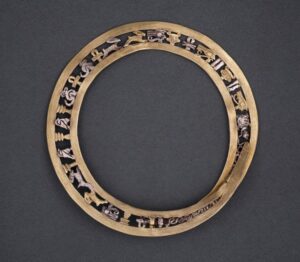
The centuries-old popularity of niello continued unabated among Germanic tribes, who utilized the stark black-and-white contrast to accentuate intricate interlaced engraving patterns. A prime surviving example of this sophisticated aesthetic is the Fuller Brooch, a late ninth-century Anglo-Saxon circular silver brooch held by the British Museum. Extensively inlaid with niello, the piece features an openwork outer border surrounding a central roundel divided into distinct fields. These compartments display detailed personifications of the Five Senses—with Sight occupying the dominant central position—alongside stylized animal and human motifs symbolizing creation, all set against a dark nielloed background.
As medieval society evolved and eastern trade routes reopened, gold gradually reasserted its dominance for elite, high-status jewelry. However, this same commercial expansion gave rise to a prosperous middle class eager to adorn themselves in fashions previously restricted to monarchs and nobility. For those operating on a tighter budget, silver jewelry provided an accessible, beautiful alternative. As the Middle Ages drew to a close, the trade in silver items became increasingly regulated through formal assaying and hallmarking systems designed to guarantee metal purity.
Renaissance Silver
The Renaissance period witnessed a dramatic resurgence in the availability of precious metals, driven initially by European economic recovery and intensifying trade with the Levant and the Ottoman Empire. Following the fall of Constantinople in 1453, scholars and artisans fleeing to Europe reintroduced classical knowledge that had languished throughout the medieval era. Italy quickly emerged as the artistic and financial heartland of the continent, fueled by maritime commerce and ecclesiastical wealth.
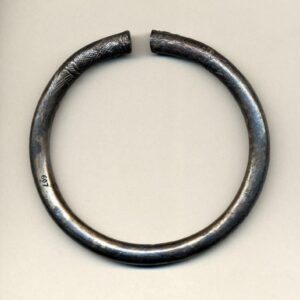
The dawn of the Age of Exploration radically transformed the global silver market. Following Christopher Columbus’s voyages, Spanish, Portuguese, French, and English explorers claimed vast territories in the New World. Spanish conquistadors, including Francisco Pizarro and Hernán Cortés, subjugated the Inca and Aztec empires, unlocking immense regional wealth. The discovery of monumental silver deposits in 1546—notably in modern-day Mexico and South America—flooded European markets with unprecedented quantities of the metal. While traditional silversmithing techniques remained largely unchanged from the medieval era, this massive influx ensured that silver remained widely accessible as both currency and a versatile medium for wearable art.
Baroque Silver
Throughout the seventeenth century, the Baroque period was characterized by a continuous stream of South American silver arriving at European ports. While nations like England, France, and the Netherlands established aggressive colonial footholds in the Americas, the Dutch Republic emerged as a dominant naval and artistic superpower. Navies frequently clashed over heavily laden treasure fleets carrying silver back from the New World.
Technological and stylistic shifts accompanied this economic boom. Portable timepieces emerged as an absolute novelty, frequently housed in intricate silver cases. More significantly, the Baroque era marked the beginning of using silver as a setting for diamonds. Intensified direct trade routes established by European nations on the Indian peninsula—bypassing traditional Arabic middlemen—flooded Europe with high-quality diamonds. Silversmiths quickly discovered that setting these stones against a bright white silver background effectively masked any underlying color, enhancing their brilliance.
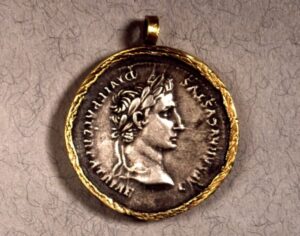
Georgian Silver
During the Georgian era, continuous discoveries of rich silver deposits in South America fueled a booming production economy across Europe. The practice of setting diamonds in silver, pioneered during the Baroque period, became standard industry practice. A steady stream of diamonds arrived from India and, beginning in 1727, from newly discovered deposits in Brazil. While luxury jewelry of the period frequently utilized gold with silver-topped fronts, entirely silver items remained exceptionally popular. The characteristic cut-down collet settings of Georgian jewelry were almost universally crafted from silver to complement the bright, colorless sparkle of the stones they secured.
A major manufacturing breakthrough occurred in 1777 with the introduction of die striking for jewelry production. This innovative method involved stamping and cutting precious metal components using heavy machinery, drop hammers, and specialized dies. Artisans could then assemble the stamped components by hand to produce finished pieces. This cost-effective manufacturing technique ushered in the era of mass-produced jewelry lines, making fine items dramatically more affordable. Because silver was readily available in massive quantities, large volumes of die-struck silver jewelry quickly saturated commercial markets.
Victorian Silver
The full momentum of the Industrial Revolution during the Victorian era profoundly transformed jewelry manufacturing. Silver was extensively utilized in mechanized stamping and die-striking processes that had been refined over the late Georgian period.
Regional and cultural trends also dictated jewelry fashions. Following Queen Victoria and Prince Albert’s acquisition of Balmoral Castle in Scotland in 1848, Scottish agate jewelry surged in popularity across Britain and Europe. True to northern European tradition, these distinctive agate-set pieces were predominantly crafted in silver.
Toward the close of the Victorian period, the Arts and Crafts movement emerged as a direct aesthetic and philosophical reaction against the industrial mass-production of jewelry. Arts and Crafts designers prioritized artistic integrity and hand-crafted execution, treating the intrinsic financial value of metals and gemstones as secondary considerations. Favoring silver over gold, these artisans rejected highly faceted stones in favor of smooth, bezel-set cabochons, celebrating the natural warmth and malleability of the metal in an increasingly industrialized world.