





It comes as little surprise to industry insiders that a certain iconic French maison has claimed the crown for the most-searched brand on a major secondary marketplace. According to the newly released 2026 Resale Report from premier luxury resale platform The RealReal, Chanel has officially taken the top spot for the year, fueled by a powerful convergence of enduring brand heritage and modern creative momentum.
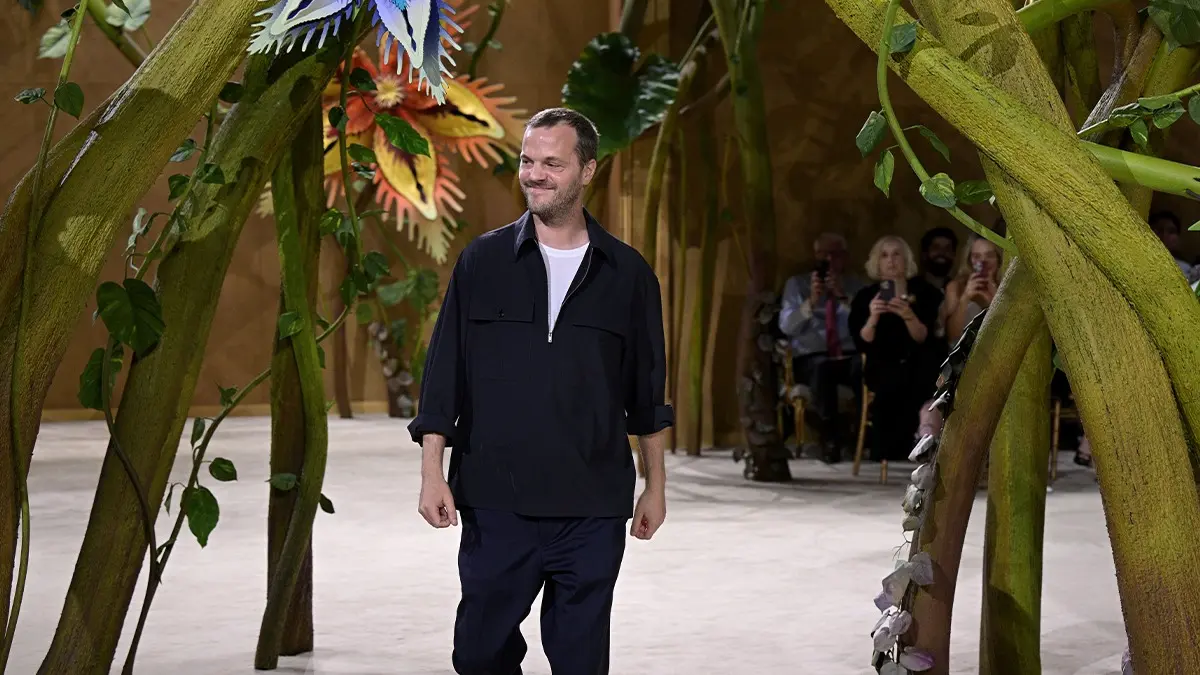
At the very center of this unprecedented surge is Matthieu Blazy. Since joining the legendary fashion house in late 20th-century grand style—specifically late 2024—Blazy has delivered a succession of highly coveted collections that have ignited a frenzy both online and offline. The designer’s magnetic pull is clearly reflected in consumer behavior on the resale platform, where searches for his name and creative direction have skyrocketed by a staggering 10,967 percent over the past year alone.
The phenomenon underscores a broader, undeniable truth in contemporary fashion: who stands at the helm of a major luxury house makes all the decisive difference when it comes to consumer demand and secondary market valuation. Other prominent creative director shuffles have similarly triggered massive ripples across resale platforms. Sarah Burton’s leadership at Givenchy and Jonathan Anderson’s visionary work at Dior have driven enormous upticks in consumer interest, seeing spikes of 243 percent and 158 percent, respectively, as shoppers rush to acquire pieces touched by their distinct design sensibilities.

Following closely behind Chanel, the roster of the most-searched brands on The RealReal this year reads like a definitive roll call of global luxury powerhouses. Louis Vuitton, Prada, Gucci, and Miu Miu round out the remaining positions in the fiercely contested top five. Trailing just behind the leaders are elite design houses and independent labels including The Row, Hermès, Saint Laurent, Bottega Veneta, and Balenciaga, demonstrating a balanced appetite for both storied leather goods houses and minimalist, contemporary power players.
Beyond shifting brand dominance, the broader dynamics of the secondary luxury market reveal fascinating shifts in how consumers value historical design. Over the past decade, many iconic handbags have seen dramatic increases in their average sales prices, reflecting a maturing market where luxury goods are increasingly viewed as durable stores of value. Fendi’s legendary Baguette, for instance, has seen its average sales price surge from a modest $294 a decade ago to an impressive $3,012 today. Similarly, the timeless Gucci Jackie has climbed from an average of $260 to a cool $1,110.
In a broader sense, true vintage pieces have modern consumers firmly in a chokehold. Total demand for items that are 15 or more years old—the official threshold by which The RealReal defines vintage—has skyrocketed by a remarkable 432 percent from 2020 to the present day. Furthermore, specific historical aesthetics have captured the collective imagination of shoppers. Styles inspired by the Belle Époque era, characterized by distinctive drop-waists and rich, tactile textures, have grabbed significant attention, driven in large part by recent runway collections from visionaries like Blazy and Anderson that successfully bridge historical grandeur with modern wearability.
This intense fascination with secondary luxury shopping shows no signs of slowing down or cooling off as consumers become increasingly digital-first in their shopping habits. In fact, current industry data indicates that 93 percent of American luxury consumers are now opting to explore online stores specifically for their resale items, abandoning traditional brick-and-mortar limitations in favor of the vast, global inventory offered by digital marketplaces.

What is perhaps most revealing about the modern luxury consumer is their strategic approach to acquisition. Rather than treating purchases as disposable fashion trends, nearly half of polled shoppers—specifically 47 percent—actively consider the potential resale value of an item before they splash down their hard-earned cash.
This calculated mindset is more than justified by historical market performance. Savvy shoppers keeping an eye on long-term appreciation need look no further than Hermès Birkin bags, which have documented an astounding 92 percent appreciation in value on the resale market over the last decade alone. As the lines between primary retail and secondary investment continue to blur, the modern luxury marketplace has transformed into a sophisticated ecosystem where timeless design, visionary leadership, and smart financial foresight seamlessly intersect.